Most new homeowners in Greater Sudbury do the same thing with their lawn in the first year. They mow it. They water it when it looks dry. They maybe pick up a bag of fertilizer at Canadian Tire and throw it down sometime in May. And then they wonder why, twelve months later, the lawn looks about the same as when they moved in — or worse.
The problem isn’t effort. The problem is sequence. Lawn care in Sudbury specifically has a right order of operations, and when you do the right things in the wrong order — or skip the foundational steps entirely because nobody told you they were foundational — you spend a lot of time maintaining a lawn that never actually improves.
I’ve written before about the questions new Sudbury homebuyers should ask before closing on a property. This post picks up where that one leaves off — you’ve got the keys, you’re standing in the yard, and you want to know what to actually do with it over the first ninety days.
Here’s the plan I’d give every new Sudbury homeowner if I had thirty minutes with them on day one.
Days 1 to 30: Assess Before You Do Anything Else

The single biggest mistake new homeowners make in their first thirty days is doing things before they understand what they’re working with. They buy fertilizer without knowing the soil pH. They overseed bare patches without knowing whether the soil is compacted. They water on a schedule without knowing how their specific property drains.
The first month is for learning the lawn, not fixing it.
Walk the property after rain. Seriously — wait for a good rain in the first few weeks and then walk every section of the yard. Where does water sit longest? Where does it drain fast? Where does it seem to pool near the house? That one walk tells you more about your drainage situation than anything else, and drainage is the hidden factor behind a huge number of lawn problems in Sudbury. If you see water sitting against the foundation or in persistent low spots, that’s not just a lawn issue — I’ve written about exactly what that drainage problem means and what fixing it actually looks like.
Do the screwdriver test in multiple spots. Push a standard flathead screwdriver into the ground with moderate hand pressure. If it goes in four to six inches easily, the soil is in reasonable shape. If it stops within one to two inches, you have meaningful compaction that affects everything else you’ll try to do to this lawn. Test near the fence line, near high-traffic paths, and in the open middle section — compaction varies significantly across a single property.
Get a soil test done. A basic test that tells you pH and major nutrient levels costs very little and gives you information worth far more than its price. Most Sudbury lawns run acidic — below the 6.0 to 7.0 range where grass performs best — because of the geology of this region and decades of organic matter decomposition. If your pH is low, every fertilizer application you do without addressing it is money that doesn’t fully land. I went into the full detail of this in the post about why I stopped giving every Sudbury homeowner the same fertilizer advice — the pH section specifically is worth reading before you buy anything.
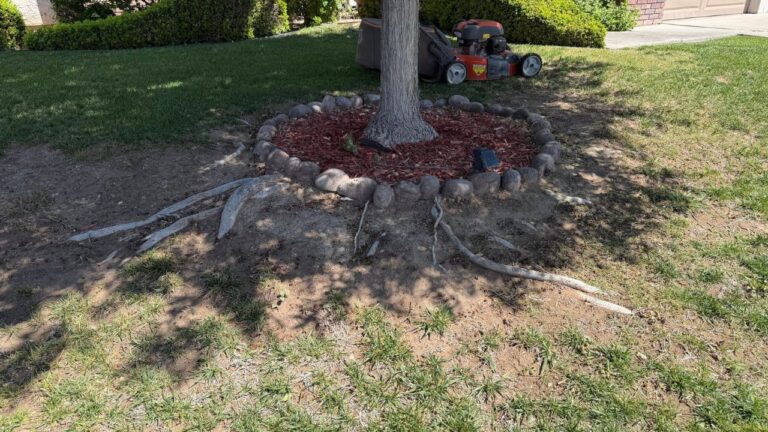
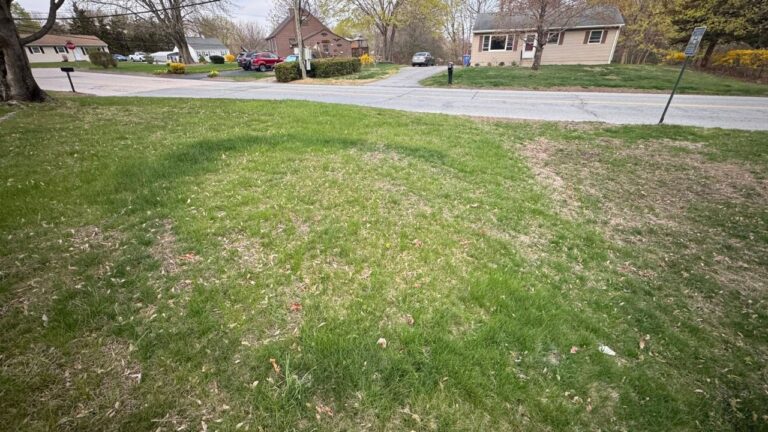
Note the problem areas and what they look like. Take photos. Bare patches, thin sections, areas with moss, places where the grass looks consistently different from the rest. This baseline documentation is more useful than it sounds — in month three you’ll want to compare what changed and what didn’t, and memory is less reliable than a photo taken in week one.
What you don’t do in month one: reseed, fertilize heavily, or make any permanent changes to the lawn. You observe. The understanding you build in thirty days of paying attention changes every decision you make in the next sixty.
Days 31 to 60: Fix the Foundation Before the Surface
Month two is where the real work happens — and almost none of it is visible from the street. That’s the point. You’re building the conditions that will make everything you do in month three actually work.
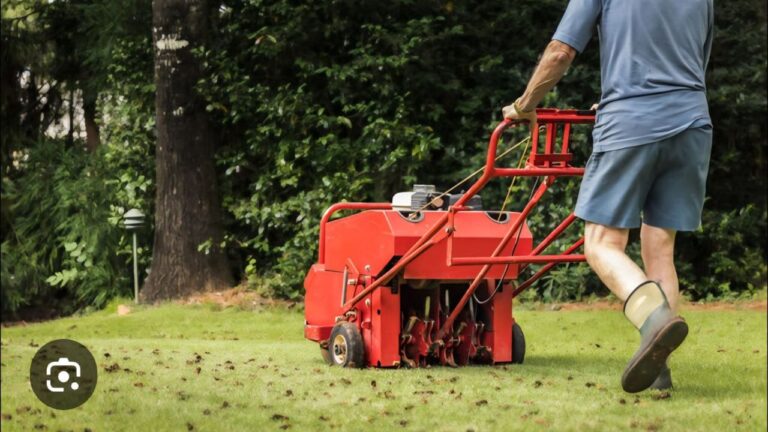
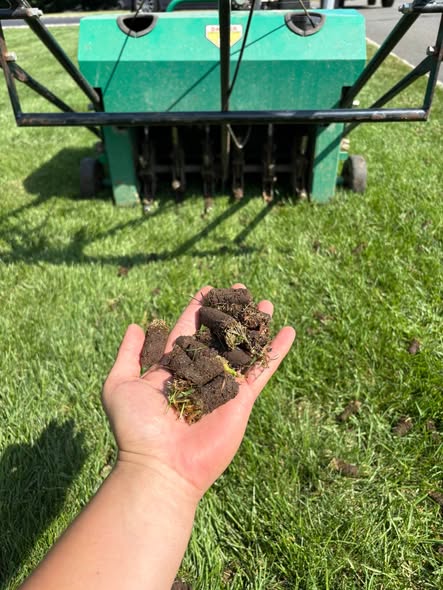
If the screwdriver test showed compaction — aerate. This is the highest-leverage thing you can do for a Sudbury lawn in the first season. Core aeration opens the compacted soil layers, allows water and air to reach the root zone, and gives roots physical space to grow deeper before the stressful part of the season arrives. Timing depends on when you’re reading this: spring aeration works but fall aeration is better in Sudbury — if you’re moving in during summer, plan the aeration for late August or September. If you’re moving in during fall, do it immediately before the ground freezes.
If the soil test showed low pH — apply lime. Lime raises soil pH toward the range grass needs to thrive. It works slowly — a fall application works through winter and starts shifting the pH by spring. It’s inexpensive and foundational. Without it, the fertilizer you apply later is working at reduced effectiveness because the chemistry isn’t right to let the grass absorb nutrients properly.
If drainage is a problem — address the grade before anything else. I know this sounds like a lot for month two, and honestly, a grading project might extend past the ninety days depending on scale. But the principle is important: don’t plant or overseed in an area with a drainage problem and expect results. You’ll be doing it again. Fix where the water goes first. Then put grass on top of a surface that can support it.
Mow correctly from day one. If the lawn needs mowing during month two, do it at three to three and a half inches. No shorter. This isn’t aesthetic preference — it’s the mowing height that builds root depth, reduces heat stress, and shades the soil surface enough to retain moisture during dry stretches. I’ve covered this in the worst lawn advice post because cutting short is one of the most common and damaging things homeowners do, and it usually starts in the first month.
Handle the obvious problem spots with the right prep. Bare patches, severely thin areas, sections with heavy moss — these need more than seed scattered on top. Scratch or rake the surface to break any crust, remove dead material, check the soil depth if the area has been persistently bad, and prepare it properly before putting anything on it. The prep is the part most homeowners skip. It’s also the reason most first-year overseeding attempts don’t take.
Days 61 to 90: Plant, Feed, and Set Up the System
Month three is where the visible progress happens — but only because months one and two did the invisible work that makes it possible.
Overseed the problem areas — with the right seed for Sudbury. This is the part where seed selection matters more than most people realize. Generic Ontario lawn seed mixes are formulated for the middle of the province’s range — not for Sudbury’s colder winters, shorter growing season, or the specific soil conditions created by Canadian Shield geology. For shaded areas common in older Sudbury neighbourhoods, a fine fescue blend handles the conditions far better than a bluegrass-heavy general-purpose mix. For open sunny areas on heavy clay, a turf-type tall fescue or Kentucky bluegrass blend with good winter hardiness. The wrong seed in the right soil still underperforms. I’ve written about overseeding for Sudbury lawns in detail — the timing and seed selection sections are the most Sudbury-specific parts.
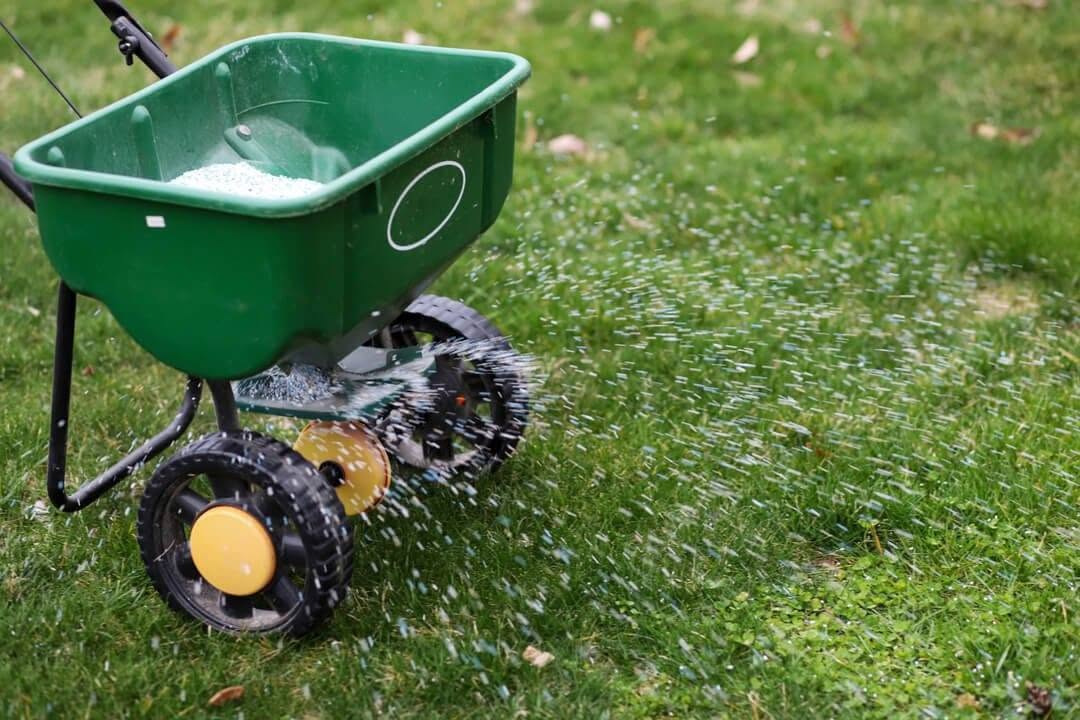
Apply a targeted fertilizer based on your soil test results. Not a generic spring bag off the shelf — a product that addresses what your specific soil actually needs. If pH was low and you applied lime in month two, a nitrogen-focused fertilizer in month three makes sense as the grass fills in. If phosphorus was already high in the test, choose a product that’s low or zero on the phosphorus number. The soil test you did in month one is now paying off because you’re not guessing.
Establish your watering approach. Deep and infrequent — this is the answer for Sudbury lawns in all but the most extreme drought conditions. Water long enough to push moisture four to six inches into the soil, do it twice a week, and do it in the morning so the surface dries during the day. This trains the root system to go deep rather than staying near the surface where it’s most vulnerable to the drought conditions that arrive every July. Daily light watering does the opposite — it keeps roots shallow and surface-dependent. Set the right habit in month three and it carries forward.
If sections are too far gone for overseeding — consider sod. Some lawns that new homeowners inherit have areas that are realistically beyond what overseeding can fix in one season. Large bare areas with compaction or soil depth problems, sections with persistent drainage issues that have been killing grass for years — these respond faster and more reliably to a proper sod installation on correctly prepped soil than to seed. Sod gives you immediate coverage, roots within weeks, and a section that’s contributing to the lawn’s overall density rather than being a bare patch that fills in slowly and inconsistently.
Plan the fall aeration if you haven’t done it yet. If your ninety days fell in spring or summer, late August through early October is your aeration window before winter. Put it on the calendar now. Don’t let the first growing season end without one — given how quickly accumulated neglect lag builds on Sudbury’s clay-heavy soil, going into your first winter without aeration means inheriting whatever compaction the previous owner left behind and adding your first season’s worth on top.
What Ninety Days Gets You — and What Comes After
I want to set an honest expectation here because I think false promises about first-year results are part of why people get frustrated and give up on lawn improvement too early.
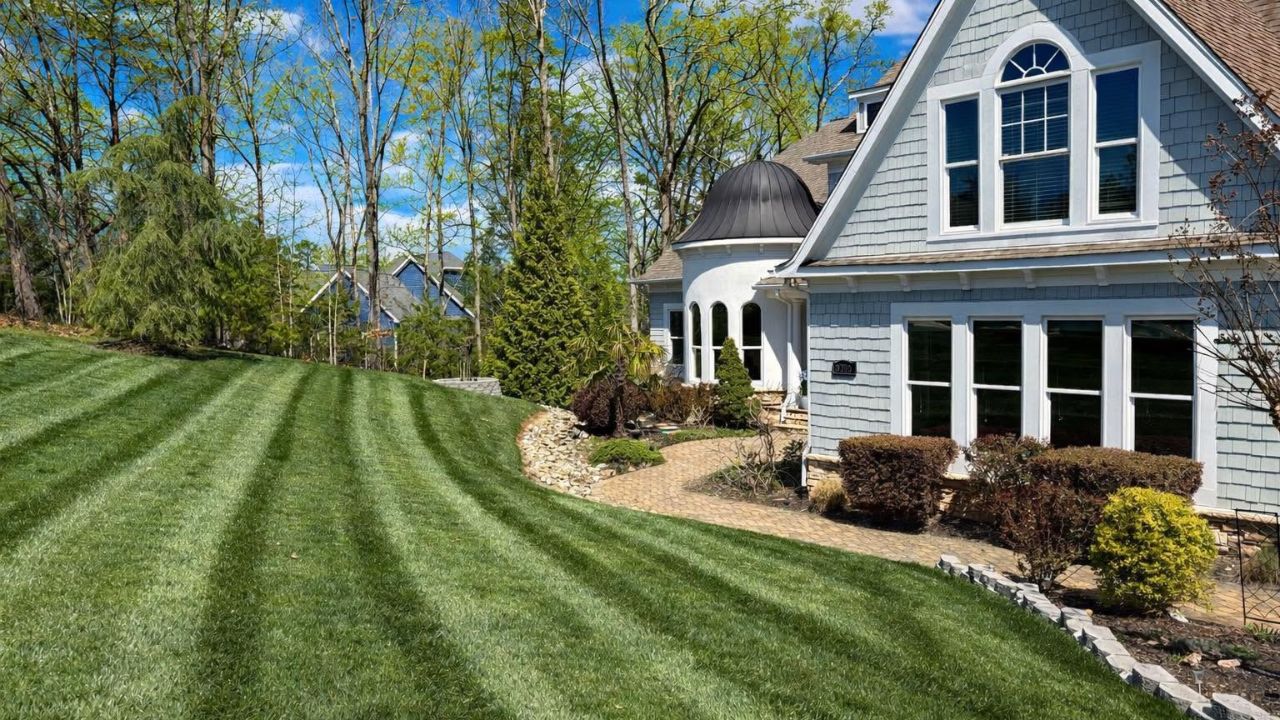
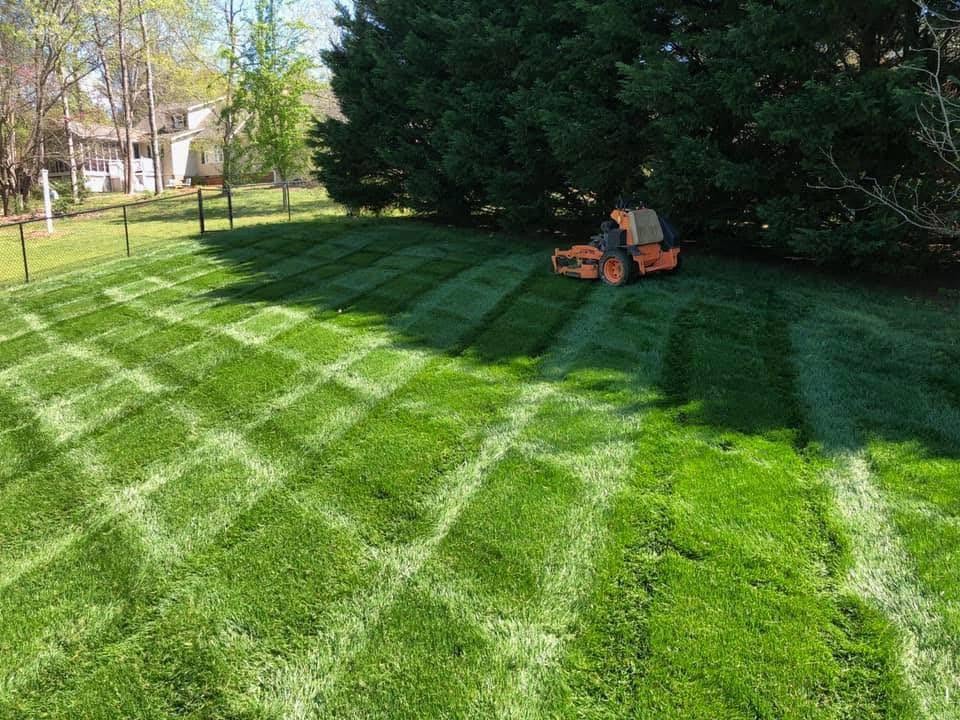
Ninety days done right does not give you a perfect lawn. It gives you a lawn that is fundamentally better positioned than it was when you moved in — better soil structure, better root depth, better drainage understanding, better seed coverage in the thin areas — and that is heading into its first winter in genuinely better shape than it would have been if you’d just mowed it and hoped.
The compounding effect starts in year two. The aeration from this fall means the roots go a little deeper before winter. The improved pH from the lime means the spring fertilizer actually lands. The overseeded areas from month three come out of winter as established turf rather than bare patches. By the end of year two, you’re looking at a lawn that is measurably different from what you inherited — and significantly different from what the neighbour who moved in the same year and just mowed theirs is looking at.
The best lawns I see across Greater Sudbury every July are almost always lawns that are two or three years into exactly this kind of consistent program. None of them got there in ninety days. All of them started with ninety days of doing the right things in the right order.
That’s what this plan gives you. Not a finished lawn. A lawn that’s finally heading in the right direction.
Want Help Running This Plan on Your Specific Sudbury Property?
I do property assessments for new homeowners across Greater Sudbury — Garson, Val Caron, Hanmer, Lively, Chelmsford, Azilda, Walden, Capreol, and everywhere in between. I’ll walk the property with you, run through what I see, and give you a version of this plan tailored to what’s actually happening on your specific lot.
No charge for the visit. No pressure on anything that comes next.
📞 Call or text me directly: 705-507-6787
Or fill out the free quote form here.
— Ryan Lingenfelter
Owner, Cutting Edge Lawn & Landscaping
Garson, Ontario