
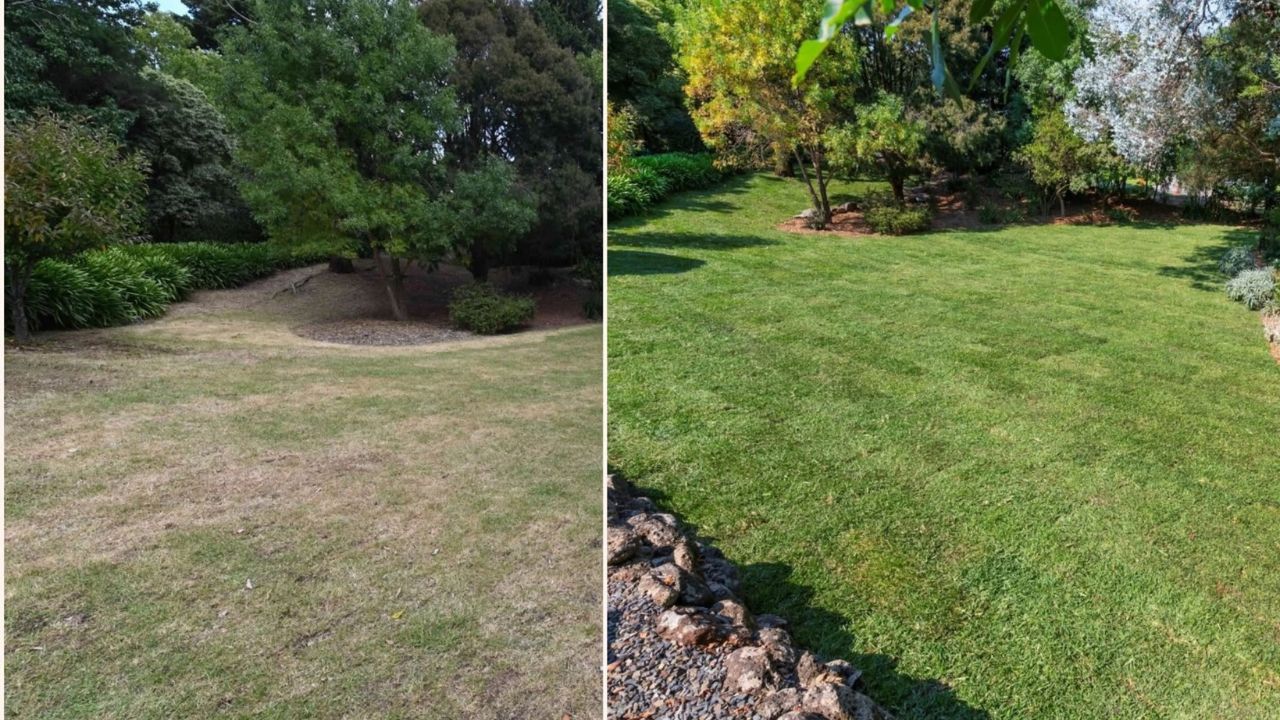
I hear this one every fall from homeowners who had a busy year, a tight budget, or just decided to skip aeration once and see what happened.
“It’s just one year. The lawn will be fine.”
I understand that logic. Aeration doesn’t feel urgent the way a dead patch or a drainage problem feels urgent. The lawn still looks okay after skipping a year. Nothing dramatic happens overnight. So it’s easy to push it to next year, and then the year after that, and then wonder four years later why the lawn that used to respond to fertilizer and watering doesn’t seem to respond to anything anymore.
What I want to show you in this post is what actually happens at the soil level when a Sudbury lawn goes twelve months without aeration — and why one skipped year here has more consequence than one skipped year would in most of Ontario. Because in Sudbury, the conditions that make aeration important are more aggressive than they are almost anywhere else in this province, and the math on skipping doesn’t work out the way most homeowners expect.
What the Aerated Lawn Looks Like Going Into Fall — The Baseline
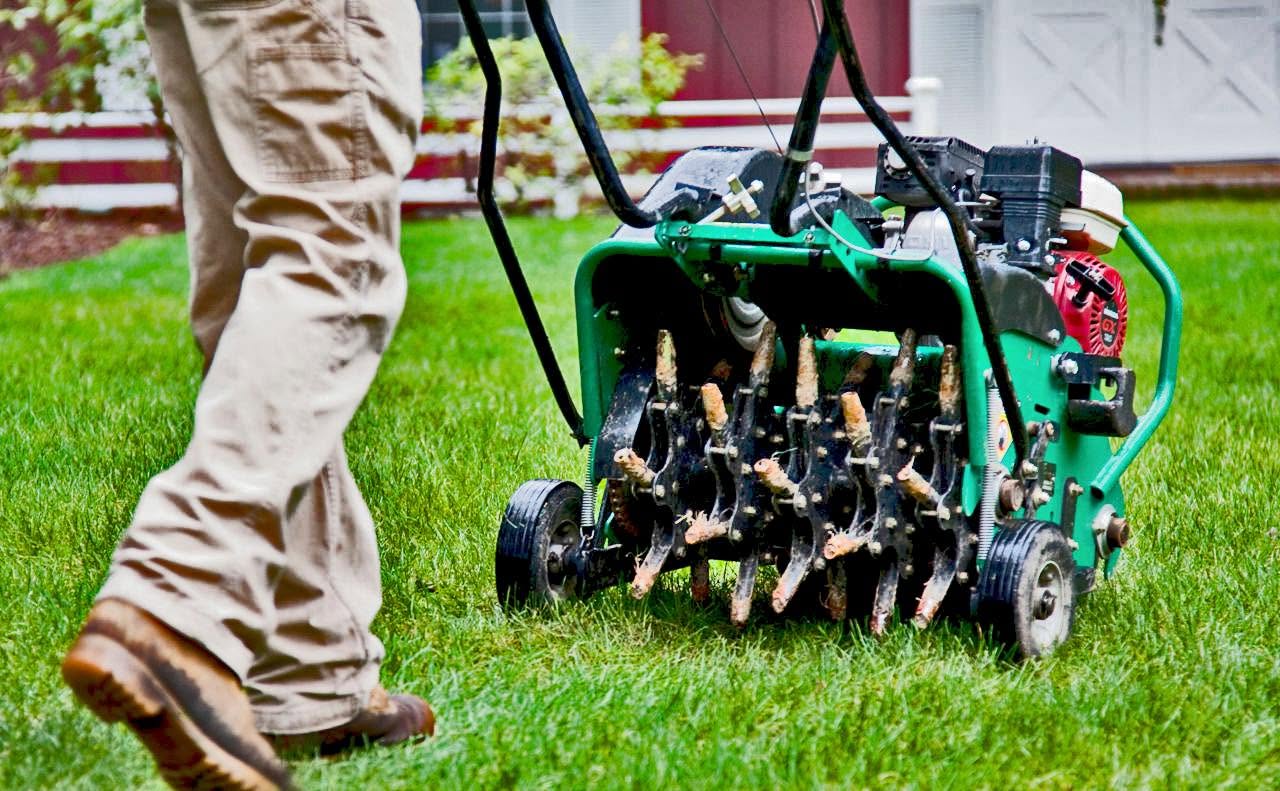
To understand what skipping does, you need to understand what a properly aerated Sudbury lawn looks like going into fall — because that’s the baseline that everything else compares to.
After a proper core aeration in late August or September, the lawn surface has hundreds of small cores pulled from the ground, each typically two to three inches deep. Those holes left behind are channels — open passages through the compacted surface into the soil below. Water can move through them. Air can move through them. The fertilizer you apply afterward doesn’t sit on a sealed surface; it goes straight down into the root zone. And when winter comes and the freeze-thaw cycle starts working the soil, those open channels give the expanding and contracting ground somewhere to move that isn’t into the root system.
This is the lawn going into winter with an advantage. The roots have spent the fall pushing deeper through the loosened soil. The soil structure has some give. The freeze-thaw movement has less destructive impact because there’s already space built in. And when spring comes, the water from snowmelt moves through the aeration channels rather than sitting on a compacted surface and pooling.
That’s what twelve months of aeration buys a Sudbury lawn. Not just the month after the aeration — the entire cycle that follows it.
Now here’s what the comparison lawn looks like. The one that didn’t get aerated this fall.
Month by Month: What Skipping One Year Actually Does Underground
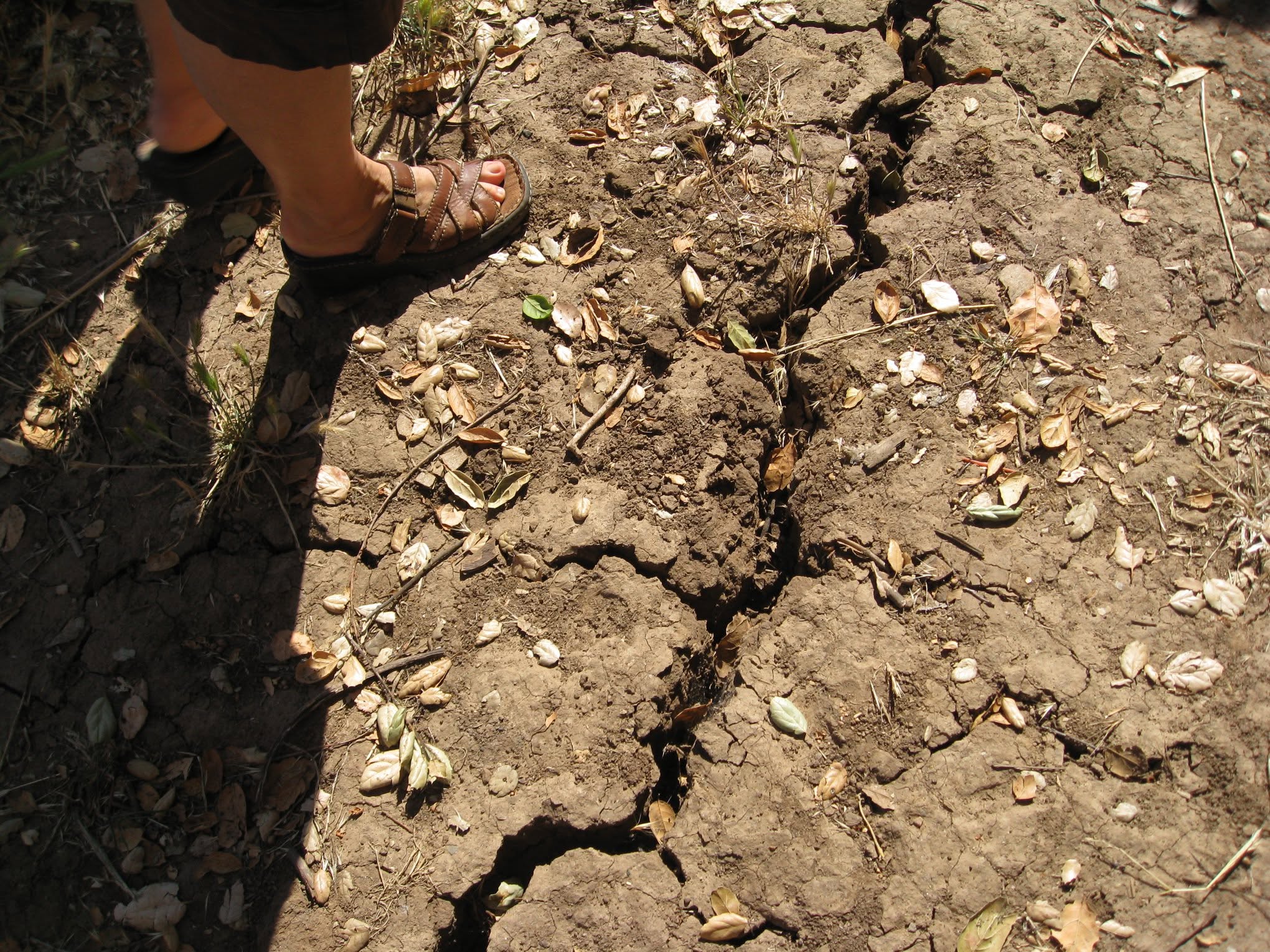
This is the part that’s hard to see from the surface — which is exactly why it’s so easy to dismiss. The damage from skipping aeration doesn’t show up in the grass immediately. It shows up in the soil, and then the grass responds to that soil months later.
October through November — the compaction begins to set. Without aeration channels to allow movement, the freeze-thaw cycle in early winter starts working against a surface that has no give. The soil compresses as it freezes. When it partially thaws, it doesn’t fully recover. Each partial freeze-thaw event — and Sudbury gets many of them in the shoulder season — pushes the compacted layer a little tighter. The root system is being physically pressured rather than having room to move.
This is the spring pattern I’ve documented in detail — the weather cycle that damages Sudbury lawns every year hits harder on a lawn that went into winter already compacted, because there’s no give in the soil to absorb the movement.
March through April — snowmelt reveals the problem. On the aerated lawn, snowmelt moves through open channels into the soil. On the compacted lawn, it sits on the surface, saturates the thin zone where the roots are, and creates the crown-wet conditions that contribute to early spring disease and root damage. The lawns that come out of winter looking thin, patchy, and slow to green up are almost always the ones that went in compacted.
May through June — the lawn looks okay, so nobody worries. This is the deceptive part. Cool temperatures and spring rain keep most lawns looking acceptable in May and early June regardless of soil condition. The homeowner who skipped aeration last fall looks at their lawn in late May and thinks it came through fine. What they can’t see is that the root system is shallower than it was the previous year. The compaction layer is denser. The soil is less permeable to both water and air.
July — the difference becomes visible. This is when the skipped year shows its face. The first real dry stretch of summer, and the lawn that didn’t get aerated browns and stresses faster than the one that did. Not because anything went wrong in July — because everything went wrong underground between October and April. The July stress is just the surface expression of compaction that’s been building since the fall.
One year without aeration in Sudbury doesn’t just mean one year of slightly denser soil. It means a full twelve-month cycle — freeze, thaw, snowmelt, spring growth, summer stress — all working against a lawn that had no compaction relief going in. The accumulation is real and it’s measurable.
The Visual Comparison — What I Actually See on These Properties
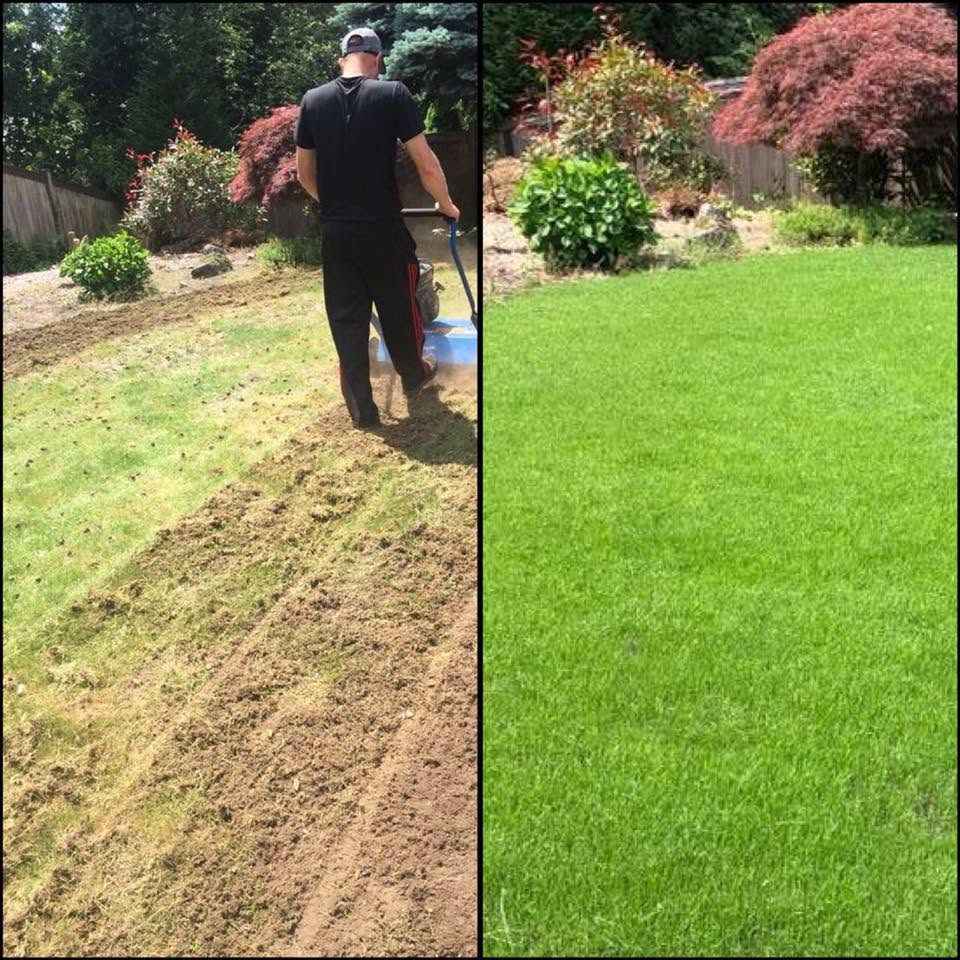
I want to be specific about what the visual difference looks like because this is something I actually observe on adjacent or similar properties every summer.
The lawn that got aerated last fall, in July: colour is holding better through dry stretches. The turf feels resilient underfoot — not springy, but not hard and compacted either. When you push a screwdriver in, it goes four or five inches with moderate pressure. Thatch layer is manageable. If there are bare patches from winter, they’ve filled in well with spring growth.
The lawn that skipped aeration, in July: colour drops faster when rain stops. There’s a harder, less forgiving feel underfoot in the drier sections. Screwdriver goes one to two inches before stopping. Thatch has built up slightly because the surface is too compacted for the organic material to decompose into the soil properly. Bare patches from winter filled in slower and some didn’t fully close. Fertilizer applied in May didn’t seem to do much — it didn’t, because the compacted surface held it rather than letting it reach roots.
These properties are sometimes literally next door to each other. Same weather. Same general soil. The difference is one decision made the previous September.
Now multiply that one skipped year into two, three, or four consecutive years without aeration — which is how many Sudbury homeowners actually operate — and you start to understand why so many properties reach a point where nothing seems to work anymore. The accumulated neglect lag I’ve written about is largely built from exactly this compounding: skipped aeration seasons, each one leaving the soil slightly worse than the year before, until the gap between the lawn’s surface appearance and its actual underground condition becomes too wide to close with surface treatments alone.
What to Do If You’ve Already Skipped — How Many Years Does It Take to Recover?
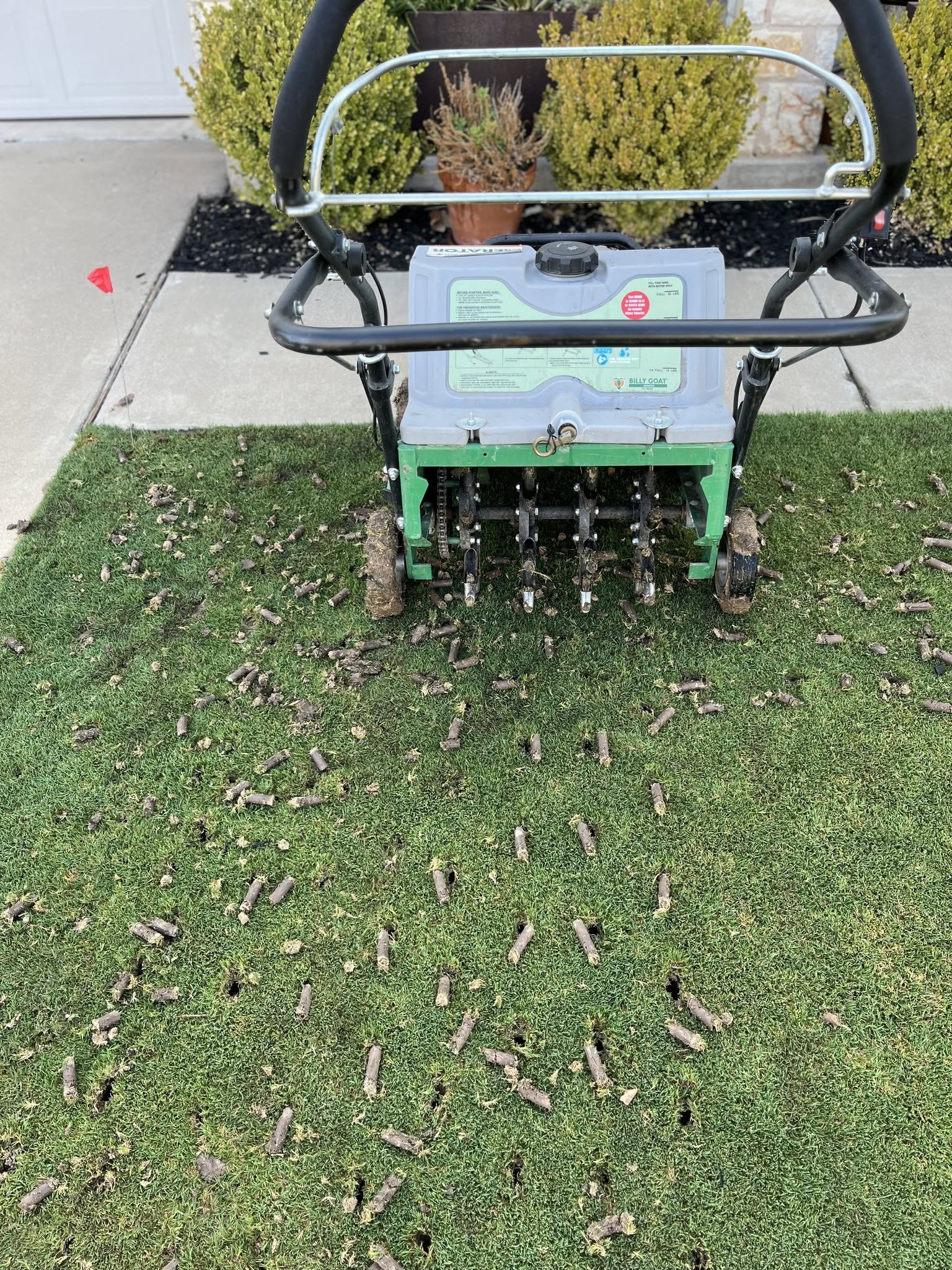
If you’re reading this and you’ve skipped aeration for one year, two years, or several — the recovery timeline is proportional but not permanent.
One skipped year: One good fall aeration and you’re essentially back on track. The compaction from one missed year on Sudbury clay is real but not severe. Pair it with overseeding if there are thin areas and you recover the ground quickly.
Two to three skipped years: The compaction layer is more established. A single aeration will help significantly but two consecutive fall aerations — this year and next — gets you back to where you should be more reliably. The soil takes time to reopen fully when it’s been compressed through multiple freeze-thaw cycles. First-year aeration makes progress; second-year aeration consolidates it.
Four or more skipped years: This is where the conversation gets more honest. Multiple years of missed aeration on Sudbury clay have often created a compaction layer dense enough that one or even two aerations don’t fully address it. The approach here is annual aeration combined with compost topdressing to rebuild organic matter in the compacted layers, and realistic expectations about the timeline. You’re not recovering in one season. You’re starting a multi-year improvement program that gets meaningfully better each year as the compounding works in your favour instead of against you.
For sections where the compaction is severe and the grass has thinned significantly, overseeding after aeration gives those areas a genuine restart. For sections where the damage is so established that thin, struggling turf has given way to bare patches, a proper sod installation on correctly prepped soil resets that section entirely — rooting into aerated, amended soil rather than fighting the same compaction the old grass gave up against.
The thing I want every Sudbury homeowner to take from this post is simple: aeration isn’t optional maintenance in this climate. It’s the mechanism that keeps the soil from working against everything else you do to the lawn. One skipped year costs you more here than it would almost anywhere else in Ontario. And every year you continue to skip it, the catch-up work gets proportionally harder.
The good news: the lawn that went wrong through missed aeration can almost always be brought back. It takes longer than most people want, but it works — consistently, measurably, and in a way that compounds just like the neglect did, only in the right direction.
Not Sure How Many Years Your Sudbury Lawn Has Gone Without Aeration?
Most homeowners who call me genuinely don’t know the maintenance history of their lawn. If you’ve recently moved in or you’ve lost track of what was done when, a screwdriver test and a quick property walk tells me most of what I need to know in fifteen minutes.
I’ll give you a straight read on where the soil actually is, what the realistic recovery timeline looks like, and what to prioritize this season. No charge. No pressure.
📞 Call or text me directly: 705-507-6787
Or fill out the free quote form here.
— Ryan Lingenfelter
Owner, Cutting Edge Lawn & Landscaping
Garson, Ontario
