By Ryan Lingenfelter — Owner, Cutting Edge Lawn & Landscaping · Garson, Ontario · Serving Greater Sudbury since 2020
I’m a lawn care company, not an arborist. Trees aren’t my primary area of expertise and I’m not going to pretend otherwise.
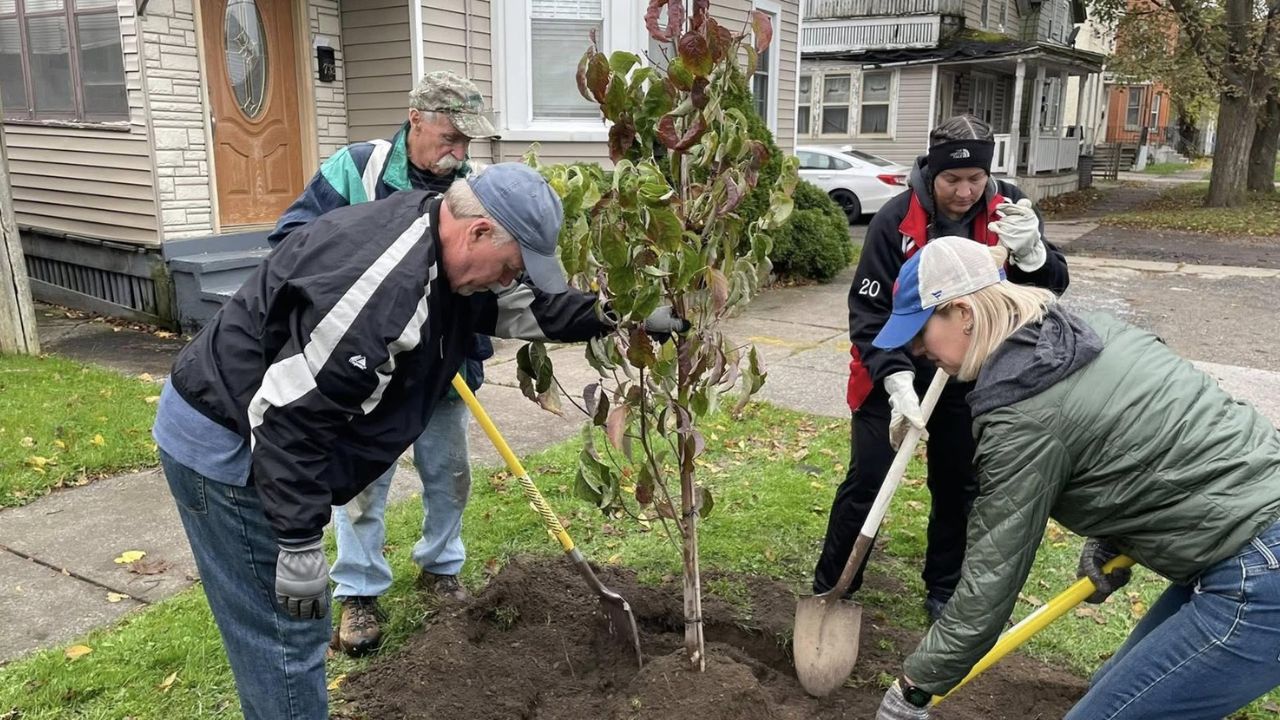
But I spend a lot of time working on Sudbury lawns that are struggling with problems that trace back to trees — specifically, to where a tree was planted fifteen or twenty years ago without anyone thinking carefully about what it would eventually do to the grass around it.
I’ve seen this enough times, on enough properties across Greater Sudbury, that I want to write the one thing I wish more homeowners thought about before they plant a tree in their yard. Not which species to choose. Not how deep to plant it. One specific question that changes the long-term lawn picture significantly — and that most homeowners never ask.
The Question — And Why Most Homeowners Don’t Think to Ask It
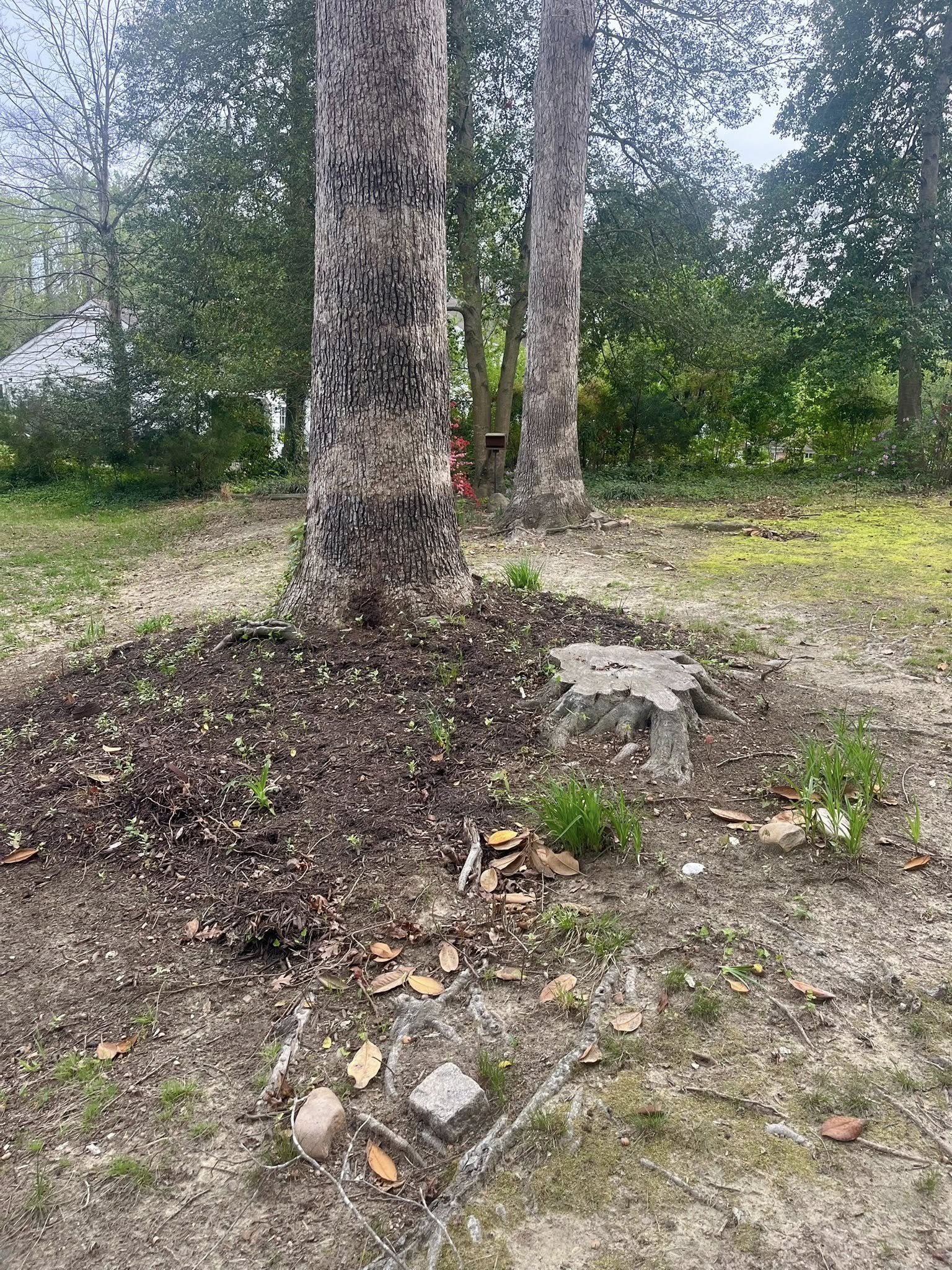
The question is this: In fifteen years, what will this tree’s root system be doing to the soil and the lawn around it?
Not what will the tree look like. Not how much shade will it provide. What will the roots be doing — specifically, how far will they spread, how close to the surface will they run, and what will that mean for the grass that’s currently healthy lawn around the planting location?
Most homeowners plant a tree thinking about what the tree does above ground — the shade it’ll eventually provide, the visual appeal, the privacy screening. These are real and legitimate reasons to plant a tree. But the below-ground picture — the root behaviour of the species over time — rarely gets the same consideration.
And in Sudbury specifically, this matters more than in most places. Our shallow Canadian Shield topsoil means tree roots have less depth to work with than in southern Ontario. When roots can’t go deep, they go lateral and they surface. A tree species that might develop a deep root system on three feet of southern Ontario topsoil may develop a sprawling surface root system on twelve inches of Sudbury topsoil over Shield rock. The above-ground appearance of the tree is the same. The below-ground impact on the surrounding lawn is completely different.
What I See on Properties With the Wrong Trees in the Wrong Places
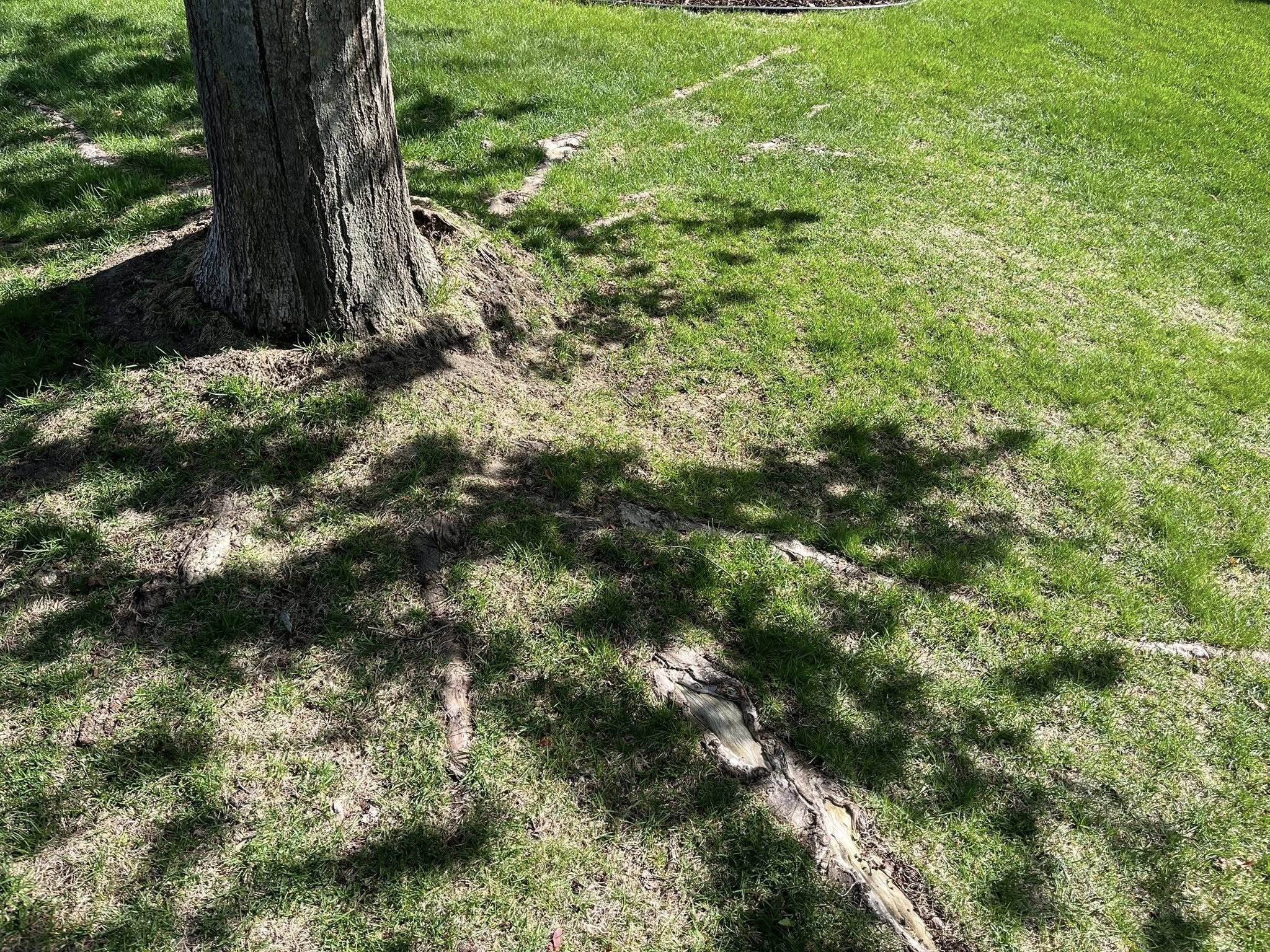
The pattern shows up on older properties across Greater Sudbury — Capreol, parts of Garson, established Hanmer neighbourhoods. A tree that was planted two or three decades ago that now dominates a significant section of the yard with surface roots, creating a ring of struggling lawn that expands every year.
The grass thins first in the immediate root zone — the area closest to the trunk. This is both shade stress and root competition. The tree’s surface roots are occupying the soil space where grass roots need to go, and they’re pulling moisture and nutrients faster than the grass can compete. The thinning moves outward gradually as the root system expands. What starts as a bare circle around the trunk becomes a bare zone, then a struggling semi-circle, then a full section of the yard where maintaining lawn becomes increasingly difficult and eventually impossible without addressing the root situation directly.
I’ve worked on properties where a single maple or willow planted near the centre of a backyard fifteen years ago has effectively eliminated the possibility of healthy grass across thirty to forty percent of the yard. The homeowners are spending money every spring on overseeding and fertilizer in sections where the outcome is already determined by the root competition underneath. The lawn work isn’t going to fix a root competition problem — it’s just managing decline at cost.
I noticed this same pattern when I wrote about why Capreol lawns hold their colour better than Garson lawns in summer — the mature tree canopy that moderates heat is valuable. But those same mature trees create shade and root competition challenges that require different grass management approaches than open-sun areas.
Tree Species That Are Hardest on Sudbury Lawns
I want to be specific rather than vague here, because vague advice about “consider the roots” doesn’t help anyone actually make a decision.
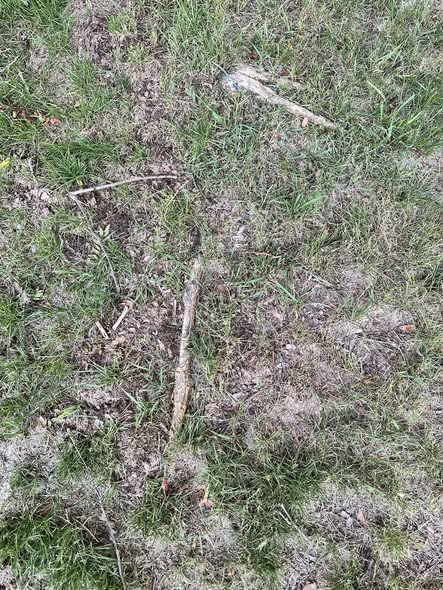
Manitoba Maple (Box Elder). Common in Greater Sudbury, fast-growing, and extremely aggressive surface rooter. In our shallow Shield soil it develops extensive lateral root systems that surface early and spread far. The area around a mature Manitoba Maple on a Sudbury property is genuinely difficult to maintain as lawn — not impossible, but it requires constant work that other areas don’t. If you’re planting a maple for shade in Sudbury, there are better options.
Willow species. The root aggressiveness of willows is well-known — they actively seek moisture and will surface extensively in shallow soil conditions. They’re also known for pursuing underground water lines and drainage systems, which is a separate problem beyond the lawn impact. A willow planted in a Sudbury backyard is a fifteen-year project in progressive lawn management difficulty around it.
Poplar and Cottonwood. Fast-growing, popular for quick screening, and prolific shallow rooters in our conditions. The visual result in five years is often exactly what the homeowner wanted. The lawn situation in ten to fifteen years is often a wide ring of struggling grass that’s been getting progressively harder to maintain.
Apple and Fruit Trees. Less aggressive rooters than the above, but they drop significant organic debris — fruit, blossoms, leaves — that creates lawn management challenges and can smother grass if not cleared regularly. A fruit tree near the centre of a lawn adds meaningful spring and fall cleanup work that compounds over the tree’s lifespan.
Better options for Sudbury yards if lawn compatibility is a priority: native species with deeper root tendencies in our conditions, ornamental varieties bred for contained root systems, or trees planted specifically at yard boundaries rather than in the middle of lawn areas where the root spread will eventually dominate.
What to Do If the Tree Is Already There
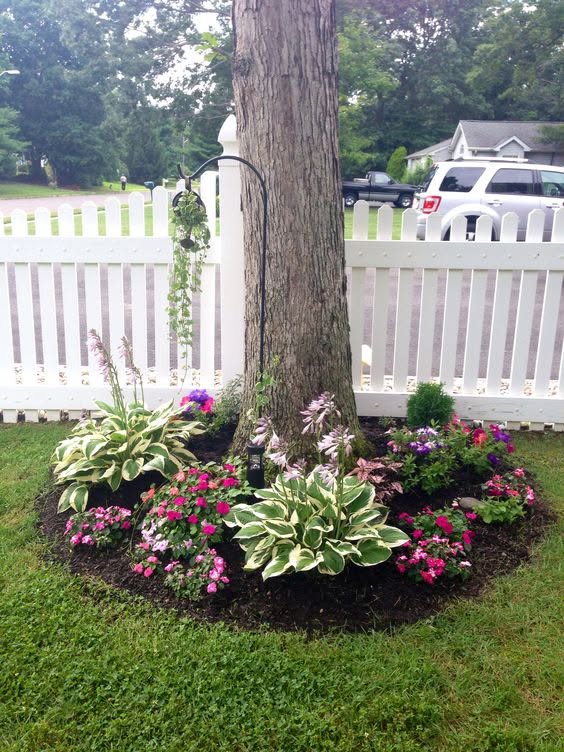
If you’re reading this and the tree is already planted — already established, already producing the root competition pattern I’ve described — the question isn’t how to prevent it. The question is how to manage it honestly.
For the immediate root zone close to the trunk where shade and root competition are both severe: stop trying to grow lawn there. Transition to a mulched ring around the base of the tree — wood chip mulch, three to four inches deep, extending to the drip line or beyond. This looks intentional, protects the tree’s root zone, eliminates the maintenance effort of trying to grow grass in an impossible spot, and usually improves the visual appearance of the tree as a landscape feature.
For the transition zone — where the roots are present but shade and competition aren’t yet eliminating grass: switch to a shade-tolerant grass mix. Creeping red fescue is the most shade-tolerant cool-season grass available in Sudbury and it handles moderate root competition better than Kentucky bluegrass. Annual core aeration in the affected zone helps grass compete by keeping the soil as open as possible for the grass roots that are present. It won’t eliminate the competition, but it reduces how fast the decline progresses.
For the larger lawn area beyond the root zone: maintain normally. The tree isn’t affecting that grass and standard care applies. The goal is to be honest about which areas require adapted management and which don’t, rather than spending uniform effort across a yard where the conditions are genuinely different in different sections.
If you have a shaded or root-challenged section of your Sudbury lawn and you’re not sure what approach makes sense — shaded corners are one of the most common challenges I see across Greater Sudbury — reach out. I’ll come take a look and tell you honestly what’s realistic for your specific situation.
— Ryan Lingenfelter
Cutting Edge Lawn & Landscaping, Garson, Ontario
📞 705-507-6787
Serving all of Greater Sudbury — Garson, Hanmer, Val Caron, Lively, Chelmsford, Azilda, Capreol, and Sudbury proper. We offer grass cutting, core aeration, property cleanup, sod installation, and full lawn maintenance. Free quotes, no pressure.
Get a Free Quote |
Call 705-507-6787