
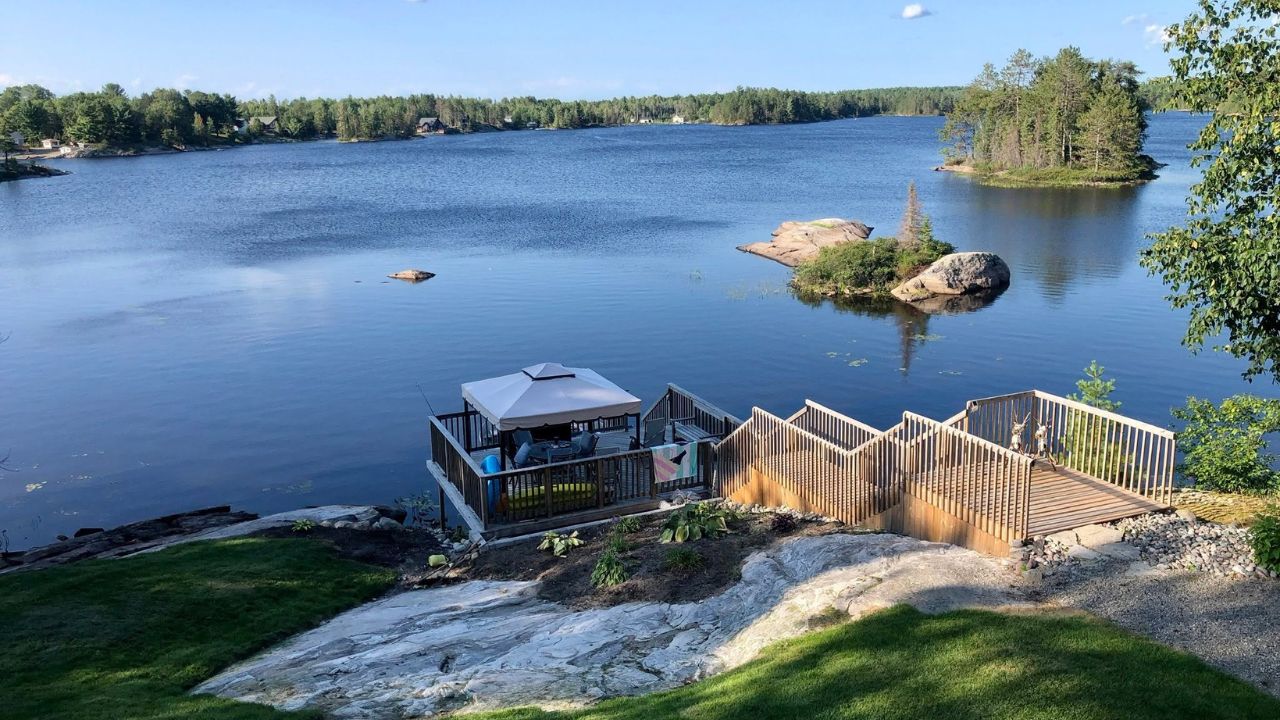
I’ve worked on properties near Wahnapitae — along the lake, off the side roads that run toward it, and on the lots that sit close enough to the water to feel the difference in temperature and moisture that proximity to that lake creates — and the lawn conversations out there are consistently different from the ones I have in Garson or Val Caron.
Not dramatically different. The grass is the same. The Canadian Shield soil is the same. The freeze-thaw cycle is the same. But there are specific ways that being in the Wahnapitae corridor — where the lake moderates temperature and adds moisture in ways that don’t happen further inland — changes what a lawn does across a season. And once you understand those differences, the adjustments that account for them are straightforward.
Here’s what I’ve observed on these properties and what I’d tell any homeowner in the Wahnapitae area who’s trying to understand why their lawn behaves the way it does.
What Lake Effect Actually Means in the Wahnapitae Area
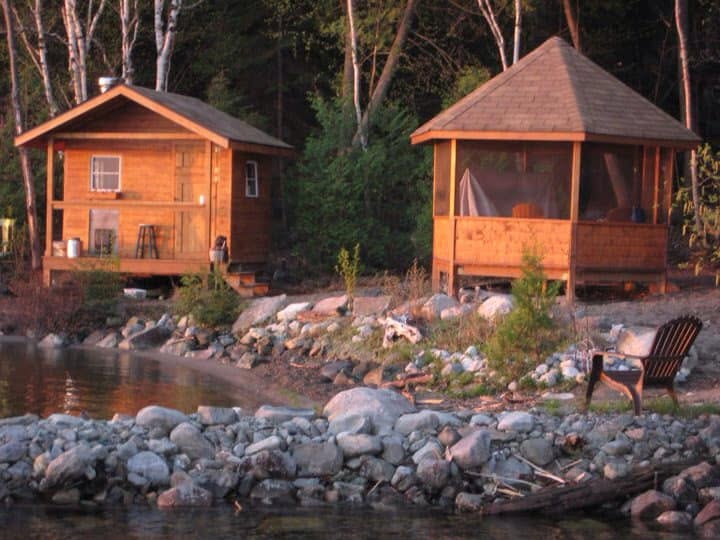
When people hear “lake effect,” they usually think of heavy snowfall — the kind Buffalo gets from Lake Erie, or what parts of Barrie see from Georgian Bay. The Wahnapitae Lake version is much subtler than that, and it affects lawns in ways that are easy to miss if you’re not paying attention to them.
Wahnapitae Lake is a significant body of water sitting east of the main city. It moderates temperature in its immediate area — meaning the land close to the lake stays warmer in late fall and cooler in early summer than the same latitude a few kilometres inland. Water holds heat longer than land does and releases it more slowly, which is the basic mechanism behind all lake effect weather phenomena regardless of scale.
In practical terms for a property near Wahnapitae, this means a few specific things.
First: frost comes later in fall and leaves later in spring than in areas further from the water. A property right on the lake or within a kilometre or two of it will often see its first hard frost one to two weeks later than a Garson property. In spring, the reverse — the lake holds cold longer than the land around it, which means soil temperatures in lakeside areas can stay cooler into May than the calendar would suggest.
Second: humidity is higher year-round near the water. Not dramatically — this isn’t a coastal situation — but consistently enough that the microclimate near the lake is measurably more humid than inland Sudbury. That extra humidity affects how quickly the lawn surface dries after rain and dew, which has implications for fungal disease pressure that I’ll come to shortly.
Third: wind patterns near the lake are different. Lake breezes create more consistent air movement than inland areas, which cuts both ways — wind dries the lawn surface faster in summer and carries more moisture in shoulder seasons. Properties on the windward side of the lake versus the leeward side have noticeably different conditions, and within a single property the lakeside edge and the inland edge can behave differently enough to matter.
None of this is dramatic. It’s not a different climate — it’s the same Sudbury conditions with a consistent lakeside modifier applied. But that modifier accumulates into meaningful differences in how a lawn behaves across a season, and standard inland Sudbury lawn advice doesn’t fully account for it.
What the Weather Difference Does to a Lawn Over a Season
Let me walk through the season-by-season effects specifically, because this is where the practical implications live.
Spring — The Window Is Later Than You Think
The delayed spring warming near Wahnapitae means the window for spring lawn work that I write about for Greater Sudbury generally — late May through the second week of June for aeration and overseeding — may shift slightly later for properties right on or near the lake. Soil temperatures at root depth, which is what actually determines when aeration is effective and when new seed will germinate, run behind the calendar in lakeside areas in spring.
The practical consequence: if you do spring aeration in the last week of May on a Garson property and it’s perfect timing, doing it at the same time on a lakeside Wahnapitae property may mean the soil is still a week or so behind where it should be. The window exists — it’s not dramatically different — but the on-the-ground check matters more here than it does inland. Feel the soil before the aeration. If the ground is still cold and the soil compresses like clay rather than crumbling slightly when you probe it, wait another week.
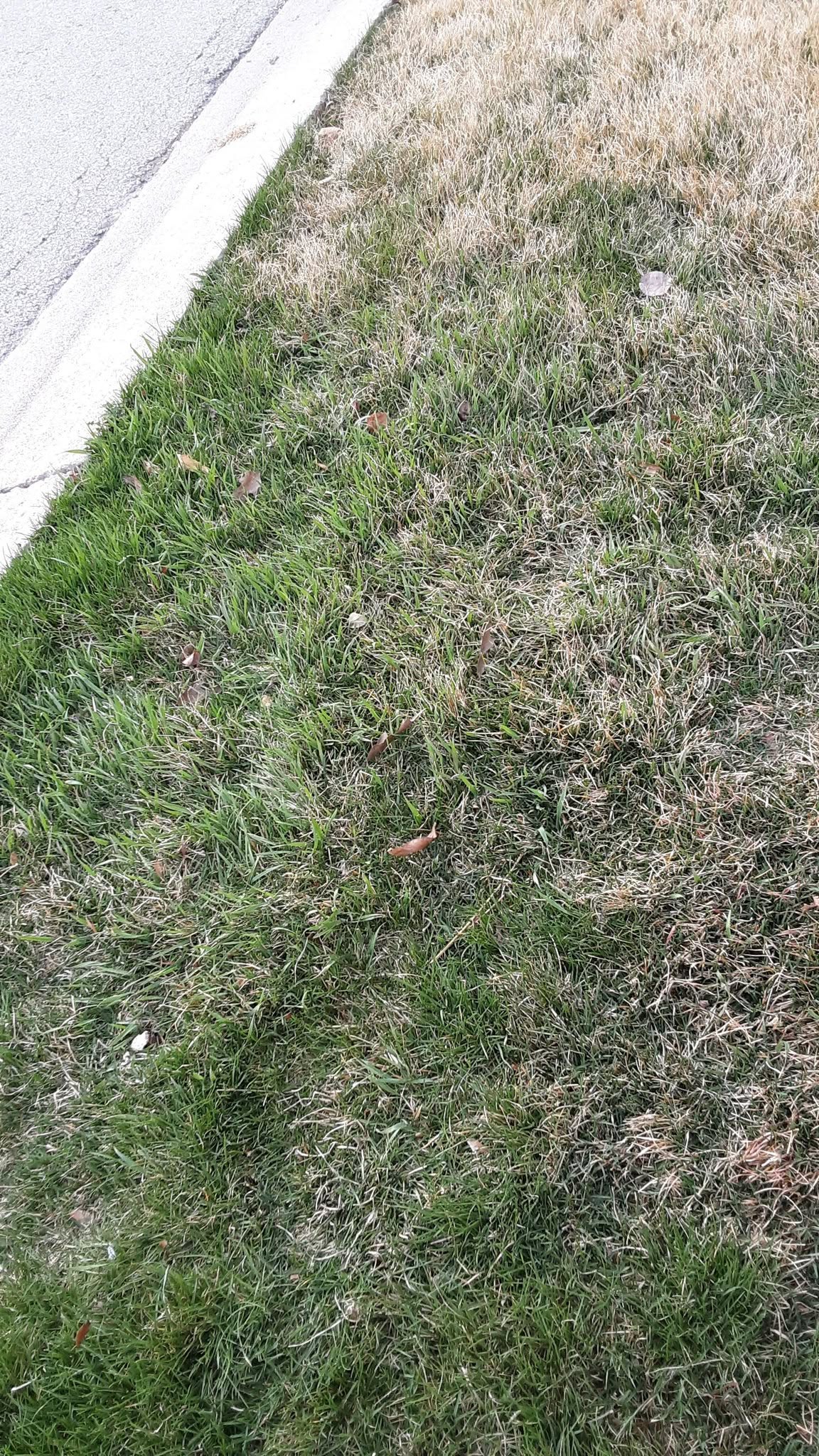
I’ve written about reading winter lawn damage in detail — the types of damage I describe there show up on Wahnapitae properties the same way they do elsewhere, but with a spring timeline that runs slightly behind the inland pattern.
Early Summer — The Humidity Creates Extra Fungal Risk
The consistently higher humidity near Wahnapitae Lake creates conditions where fungal lawn diseases — especially dollar spot and certain types of leaf blight — establish more readily and spread faster than on inland properties. This is particularly true in sections of the lawn that have reduced airflow: near fences, between structures, under dense tree canopy, and in low spots where moisture sits longer after rain.
The adjustment isn’t complicated: water in the morning, not evening, so the lawn surface has time to dry before overnight temperatures drop. Maintain mowing height — 3 to 3.5 inches, same as anywhere else in Sudbury — but be more diligent about not mowing wet grass in the summer, which spreads fungal spores and creates entry points for disease. These are good practices anywhere, but they matter more near the lake where the baseline humidity is already elevated.
Late Summer — The Wind-Drying Effect on Exposed Areas
Properties with significant exposure to lake breezes — especially those on open lots with lakeside frontage — can have sections that dry out faster in late July and August than you’d expect from the rainfall data. The consistent wind movement accelerates evaporation from the soil surface on exposed areas, while sheltered sections of the same property retain moisture normally.
This creates an uneven drought stress pattern within a single property — the exposed sections going brown earlier than the sheltered sections, which can make the lawn look more patchily stressed than a uniform drought effect would. Recognizing this as a wind-exposure effect rather than a soil problem or disease problem prevents misdiagnosis and wasted treatment.
Fall — The Extended Season Is an Advantage, If You Use It
The later-arriving frost near Wahnapitae is one of the genuine advantages of the lakeside location for lawn care. The fall overseeding window extends slightly longer than it does inland — where mid-October is effectively the close of the seeding window in most years, lakeside properties may have a genuine week or two of additional margin before soil temperatures drop below the germination threshold.
This means a Wahnapitae property owner who missed the standard fall seeding window that I describe in the October prep article may still have a viable opportunity later into October than an inland property would. The caveat: “may have.” The lake effect is consistent but not dramatic, and a cold fall reduces or eliminates the advantage. The window being potentially longer doesn’t mean it’s reliably longer — it means checking soil temperature in late October is worth doing rather than assuming it’s closed.
Winter — More Snow, Longer Snow Cover, More Snow Mould Risk
The extra moisture from the lake translates to somewhat higher snowfall in the Wahnapitae area compared to inland Sudbury in most winters. More snow, sitting longer, means more potential for snow mould development if the lawn went into winter with long grass or significant leaf cover. The fall cleanup I write about generally becomes more important here — a lawn that might tolerate some leaf cover going into winter on an inland Sudbury property has less margin near Wahnapitae where the snow load is heavier and sits longer.
The Soil and Drainage Layer Under These Lawns
The soil situation near Wahnapitae shares the fundamental characteristics of all Canadian Shield properties — thin soil over bedrock, faster compaction than southern Ontario, sideways drainage along the rock surface rather than downward percolation. But the lakeside location adds a specific drainage complexity.
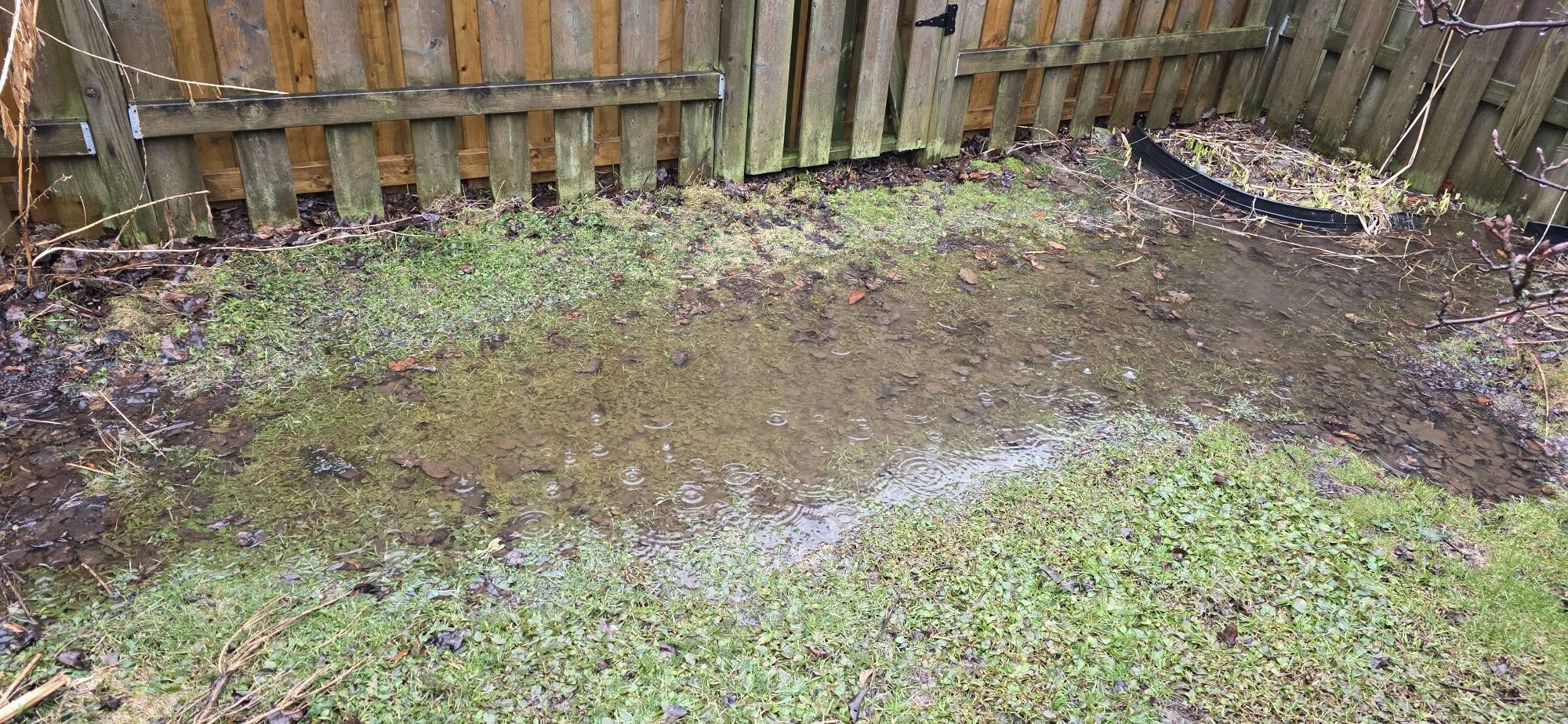
Properties close to any lake in Sudbury tend to have water tables that are influenced by the lake level. In spring, when snowmelt raises the lake level, the water table in nearby properties rises correspondingly. This can produce conditions in April and early May where the soil is saturated from below — not just from surface snowmelt, but from groundwater that’s been pushed up by the elevated lake level. Lawn sections that drain normally in summer may be genuinely waterlogged in early spring, and working the soil during that period — aerating too early, heavy equipment on the lawn — creates compaction damage that persists through the season.
This is the same principle as the “aerate too early on wet soil” mistake I described in the rural property approach article — the mechanism is different (groundwater versus surface saturation) but the result is the same: aeration on saturated soil produces muddy slugs rather than clean plugs and the soil seals back over within days.
The practical check: before doing any spring soil work on a lakeside property, the ground needs to have drained to the point where walking on it doesn’t leave significant footprint impressions. On a Wahnapitae property, that point may come a week or two later than it does on an inland property at the same elevation.
What Works Differently Out Here — Specific Adjustments
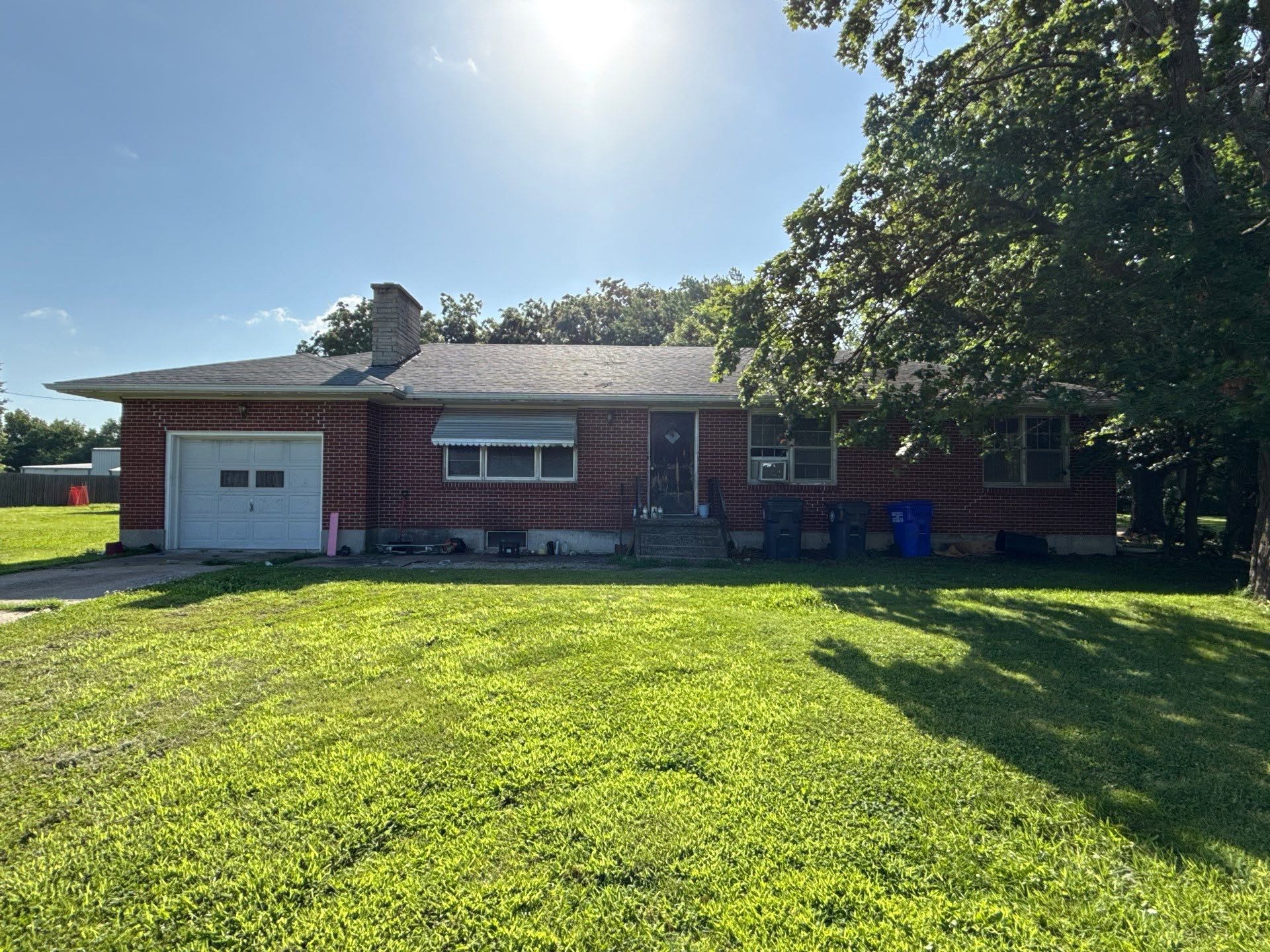
Here’s the condensed practical version — specific adjustments I’d make on a Wahnapitae property that I wouldn’t necessarily make on a standard inland Sudbury property.
Shift the Spring Timing Window Later
The aeration and overseeding window that runs late May through mid-June for inland Sudbury may run from early June through late June on lakeside properties. Don’t anchor to a calendar date — anchor to soil conditions. The aeration timing piece gives you the soil condition checks to use rather than fixed dates, which is the right approach for any property with local microclimate variation.
Morning Watering, Non-Negotiable
On most Sudbury properties, morning watering is better practice. Near Wahnapitae, it’s more consequential. Evening watering on a higher-humidity lakeside property that also tends to have dew leaves the lawn surface wet for 10 or more hours overnight — the exact conditions for fungal disease establishment. Morning watering, giving the surface time to dry before the cooler overnight hours, significantly reduces this risk.
Fall Cleanup Has More Urgency Here
More snow, sitting longer, means the leaf mat problem is more severe than inland. Get the fall cleanup done before the first significant snowfall without exception. The extended fall season that the lake provides is an advantage for seeding — use that extra time for cleanup and final mow rather than letting it create a false sense of margin on cleanup timing.
Watch the Exposed-to-Wind Sections in Late Summer
If your property has sections that face the lake and receive consistent lake breeze exposure, check those sections specifically during dry stretches in July and August. They’ll stress before the sheltered sections of the same lawn. Targeted watering to those sections in a dry stretch — rather than uniform watering across the whole property — is more efficient and prevents the patchily-stressed appearance that results from treating wind-exposed and sheltered sections the same way.
Soil Probe Before Any Major Treatment
On a lakeside property, soil depth variation interacts with the drainage and water table factors in ways that make assumptions particularly unreliable. Before recommending or doing any significant lawn treatment — especially sod, topsoil, or drainage work — probing the soil depth across the treatment area and checking for the saturation level tells you what you’re actually working with. Properties where I’ve skipped this check near water have produced surprises that a five-minute probe assessment would have caught in advance.
For everything we do across the service range — including properties in the Wahnapitae corridor — the complete service breakdown covers it.
If you’re on a lakeside property near Wahnapitae and your lawn isn’t behaving the way standard lawn care advice suggests it should, the microclimate factors I’ve described are worth understanding before you try another round of the same treatment. A property walk and soil assessment gives you a much clearer picture of what you’re actually dealing with than any amount of general advice can.
Call or text: 705-507-6787
Or fill out the free quote form on the site.
We cover Garson, Val Caron, Hanmer, Lively, Chelmsford, Azilda, Capreol, and surrounding areas including the Wahnapitae corridor.
— Ryan Lingenfelter
Cutting Edge Lawn & Landscaping
Garson, Ontario
705-507-6787
