
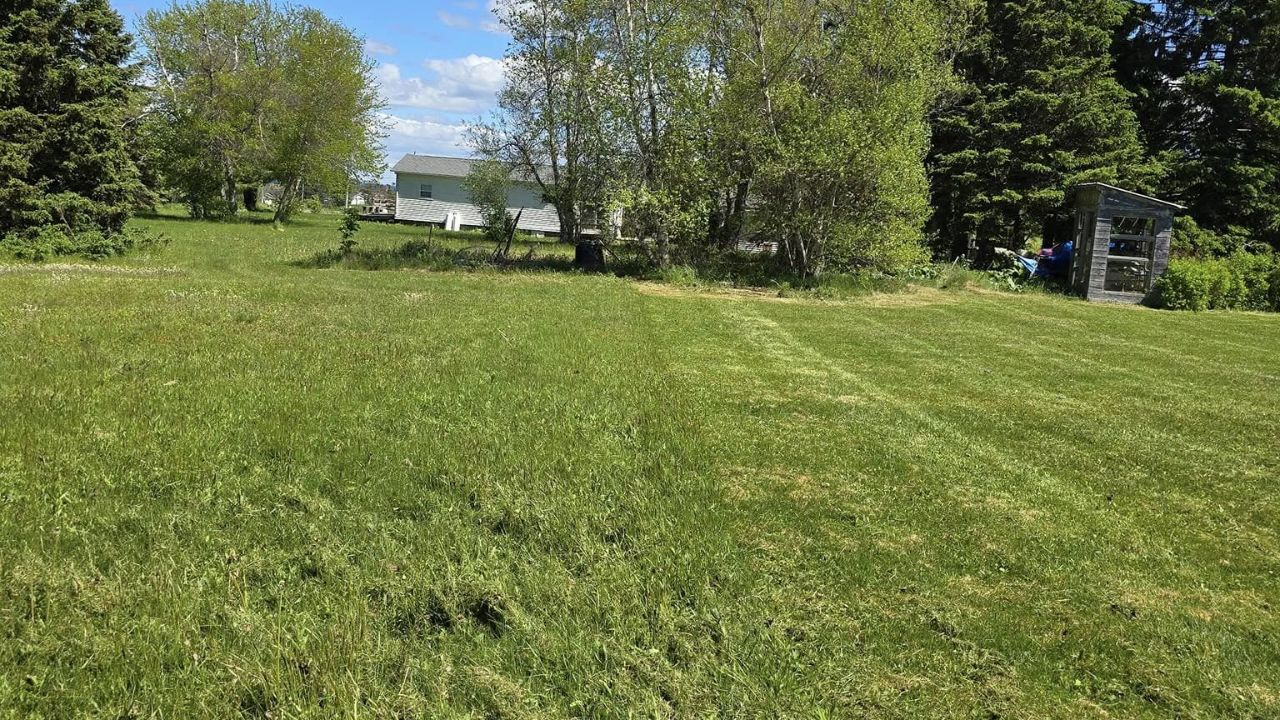
Walden is one of those areas of Greater Sudbury that has its own character. The lots tend to be larger than what you find closer to the city core. There are more mature trees. The properties have a certain age to them — a lot of the housing stock goes back several decades — and the lawns reflect that history in ways that aren’t always obvious until you’ve spent a few summers paying close attention.
I’ve been working in Walden since 2021. Not every week on every street, but enough properties over enough summers that I’ve started to see a clear pattern. The same problems show up on the same types of properties in the same parts of the season. Not because Walden homeowners are doing anything particularly wrong — but because the specific combination of soil, tree cover, lot age, and Sudbury’s climate creates predictable conditions that most people don’t know to look for until they’re already dealing with the consequences.
I want to walk through what that pattern looks like and why it keeps repeating, because understanding it changes what you do — and when you do it — to actually get ahead of it.
The First Thing I Notice Every Time I Work in Walden
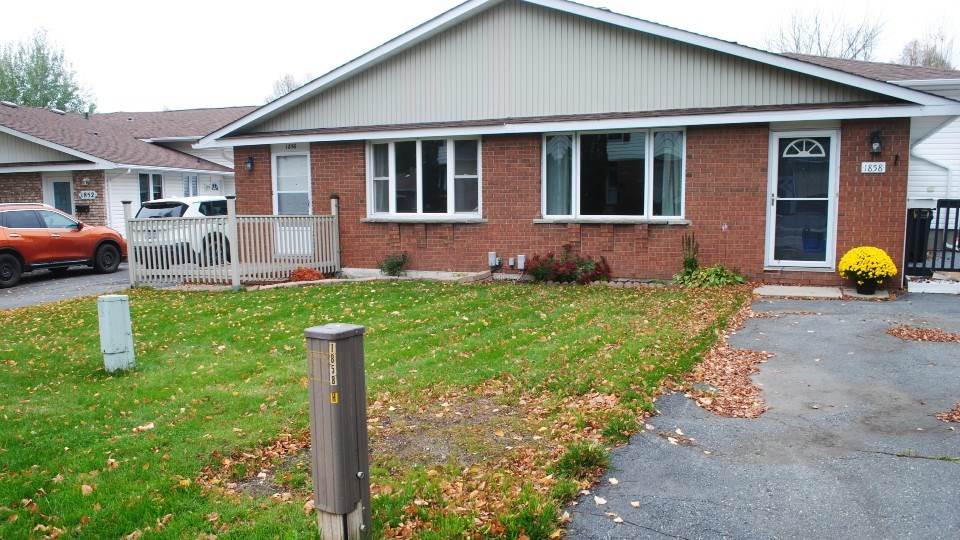
The mature tree coverage in Walden is genuinely significant compared to newer subdivisions in Greater Sudbury. A lot of properties have large maples, birches, or spruces that have been growing for thirty or forty years. That’s a beautiful thing for the neighbourhood aesthetic. It’s a complicated thing for the lawns underneath.
Shade and lawn grass have a difficult relationship. The cool-season grasses that belong on Sudbury lawns — Kentucky bluegrass, fine fescue, perennial ryegrass — all need a certain amount of direct sunlight to stay dense and healthy. Under heavy shade from mature trees, the grass thins out. Not all at once, not dramatically in any given year, but slowly and consistently over time. By the time a homeowner notices the shaded areas have become patchy or mossy, the thinning has often been building for five or six years.
The second issue with mature trees is root competition. Large trees have extensive root systems that compete directly with grass for moisture and nutrients, often winning that competition during dry stretches. This is why the areas around mature trees in Walden properties are almost always the first to show drought stress in summer — the tree roots are drawing from the same moisture reservoir the grass depends on, and the tree has been there longer and goes deeper.
Add to this the leaf debris in fall, which left on the lawn too long blocks light and creates the moist, shaded conditions that moss loves — and you start to see why shaded Walden lawns have a tendency to decline year over year if nobody is actively managing for these specific conditions.
The homeowners whose shaded areas hold up best are the ones doing two things consistently: using a fine fescue blend in the shaded areas rather than a general-purpose seed mix, and getting a proper spring cleanup done early enough that the lawn gets clean sunlight as soon as the season starts rather than fighting through winter debris well into May.
The Soil Pattern Underneath Walden Lawns
Here is the thing about older properties in Walden that most homeowners don’t know and that almost nobody mentions when a house changes hands.
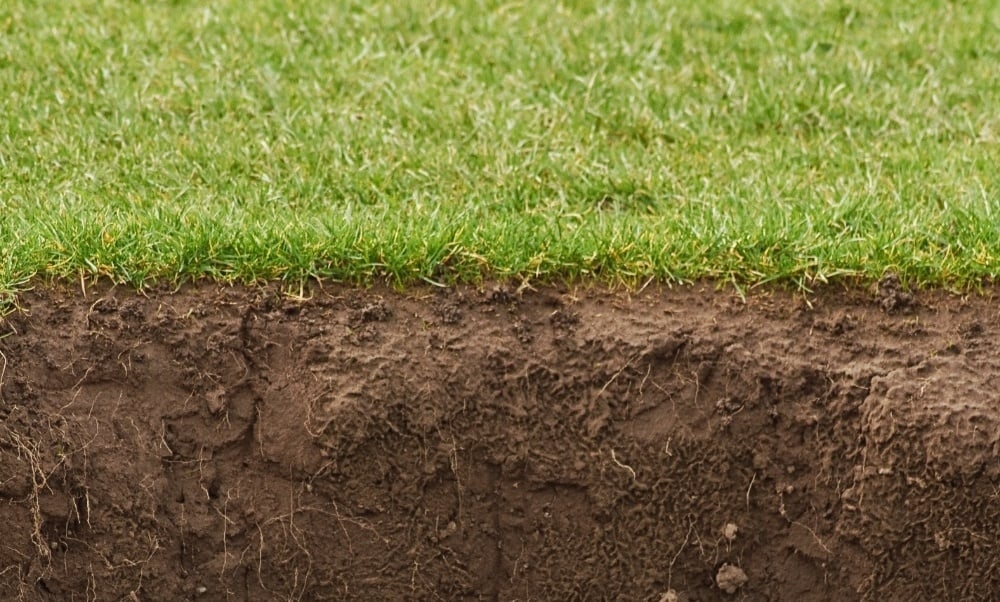
The topsoil on a lot of these properties is thin. Really thin in places. When the original construction happened decades ago, topsoil was often stripped, the foundation and utilities went in, and then a layer of topsoil — sometimes only an inch or two deep — went back on top of whatever fill or native soil was left over. After forty years of foot traffic, mowing, freeze-thaw cycles, and general settling, that original thin topsoil layer has compacted significantly.
What this means practically is that a lot of Walden lawns are growing on essentially two or three inches of workable soil before hitting either dense clay or fill material that roots can’t meaningfully penetrate. The grass looks okay from the surface in spring. Come a dry July stretch, those shallow roots have nowhere to go for moisture and the lawn shows stress fast — sometimes surprisingly fast compared to what the homeowner expected based on how the lawn looked in May.
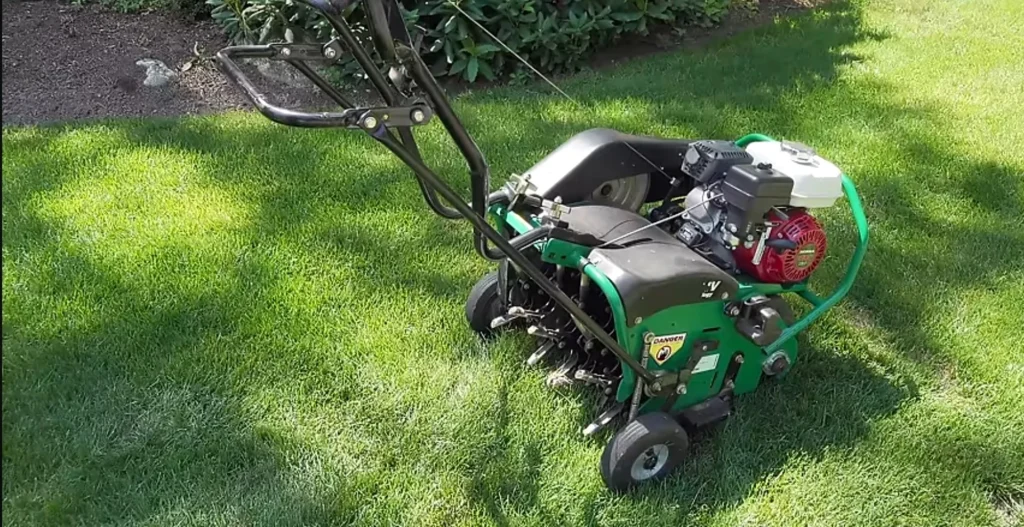
This is the same pattern I see playing out across Greater Sudbury on older properties generally, and it’s why I talk about core aeration as the baseline annual task for any Walden lawn. The aeration can’t add topsoil that isn’t there, but it opens the compacted layers enough to let roots extend further, lets water penetrate more deeply, and over several consecutive seasons of aeration plus topdressing, genuinely improves the effective soil depth the grass is working with.
On properties where the topsoil situation is particularly bad — areas where nothing has ever grown well regardless of what the homeowner tries — I sometimes recommend bringing in a proper topsoil layer before reseeding or resodding. It’s more upfront work than a quick patch, but it’s the difference between building something that lasts and repeating the same cycle every few years.
The Summer Timing Problem Specific to Walden Properties
Every summer in Walden I watch the same timeline play out on properties that haven’t been prepared for it, and the timing is specific enough that it’s worth naming.
Late May and early June — the lawn looks fine. The spring rains have kept everything green, the cool temperatures favour the grass, and any problems from the previous summer have been somewhat masked by the fresh growth. This is when homeowners tend to feel good about where things stand.
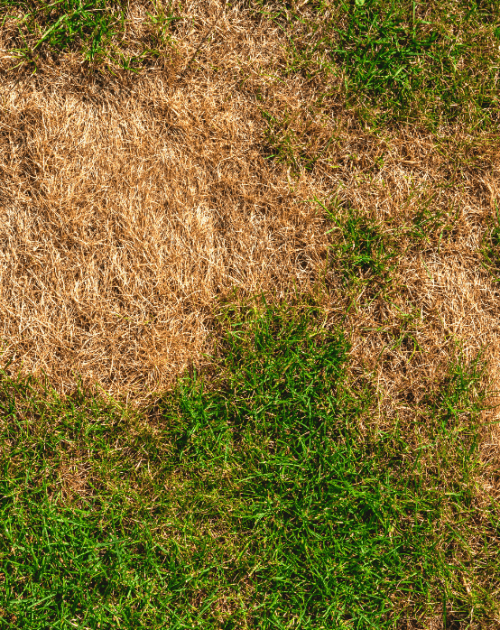
Late June into early July — the first real dry stretch hits. Sudbury typically gets at least one significant dry period somewhere in this window, and in Walden the response is usually fast. Properties with thin topsoil and shallow roots start showing stress within a week of dry conditions. The areas around the mature trees go first, then the south-facing open sections that get the most direct sun. By mid-July, the properties that looked fine in May have patches that are visibly struggling.
This is also when I get the most calls from Walden homeowners asking what happened and what to do about it. The honest answer is that the conditions that caused this were building since the previous fall, and the window to address them most effectively has already passed for this season. Not that nothing can be done — but the options in July are more limited than the options in April or September.
I’ve written about what to do when a Sudbury lawn hits drought stress, and the short version is: stop mowing, water deeply and infrequently if you water at all, and let dormancy happen rather than fighting it inconsistently. The lawn will recover once conditions improve. But the right response to this pattern isn’t July management — it’s fall aeration and early spring prep so the lawn goes into the dry stretch with root depth that can handle it.
The properties in Walden that handle the summer timing well without drama are almost always the ones that had a proper fall aeration the previous year and a clean, early spring cleanup that let the lawn warm up and activate roots before the dry stretch arrived.
What Breaking the Pattern Actually Looks Like in Walden
I want to give you the practical version of this because the pattern I’ve described is real but it’s not permanent. I’ve watched Walden properties break it, and the ones that do follow a recognizable sequence.
Year one is about the soil. Core aeration in late summer or fall, combined with a topdress of quality compost if the topsoil is thin. This doesn’t transform the lawn visually in year one, but it starts the process of loosening the compacted layers and improving the soil structure that everything else depends on. If there are sections so far gone — bare, mossy, not responding to anything — this is also the year to address those directly rather than hoping they improve on their own. Overseeding in September on properly prepped soil, or fresh sod on the worst sections, gives those areas a real start rather than another deferred attempt.
Year two the difference becomes visible. The aerated, overseeded areas from the previous fall have filled in noticeably. The root systems on the improved sections go deeper than before and handle the first dry stretch of summer visibly better than the sections that haven’t been worked on yet. This is usually the year homeowners in Walden call me back and say something along the lines of “okay I see what you were talking about.”
By year three, the lawn is fundamentally different. Not perfect — older Walden properties with significant shade and thin topsoil have real constraints that don’t disappear entirely — but consistently better than the declining pattern that most of these lawns were on before. Less reactive management, fewer emergency calls in July, and a lawn that earns compliments rather than questions from the neighbours.
The reason most Walden homeowners don’t get to year three is that year one doesn’t produce dramatic visible results, and the temptation is to conclude that nothing is working. The soil improvement happening underground in year one is real even if you can’t see it from the porch. The compounding effect over three consecutive seasons is what makes it worth staying with.
If Your Walden Lawn Fits This Pattern — Let’s Talk
If you’re in Walden and what I’ve described here sounds familiar — thin areas under the trees, a lawn that looks fine in May and struggles by July, bare patches that reseed and come back the same way year after year — I’d like to come out and take an honest look.
I’ll walk the property with you, check the soil condition, assess the shade and drainage situation, and give you a clear picture of what the lawn actually needs and what a realistic timeline looks like for getting it where you want it. No charge for the visit. No pressure on what you decide to do next.
I serve Walden and all of Greater Sudbury — Garson, Val Caron, Hanmer, Lively, Chelmsford, Azilda, Capreol, and surrounding areas.
📞 Call or text me directly: 705-507-6787
Or fill out the free quote form here.
— Ryan Lingenfelter
Owner, Cutting Edge Lawn & Landscaping
Garson, Ontario
