
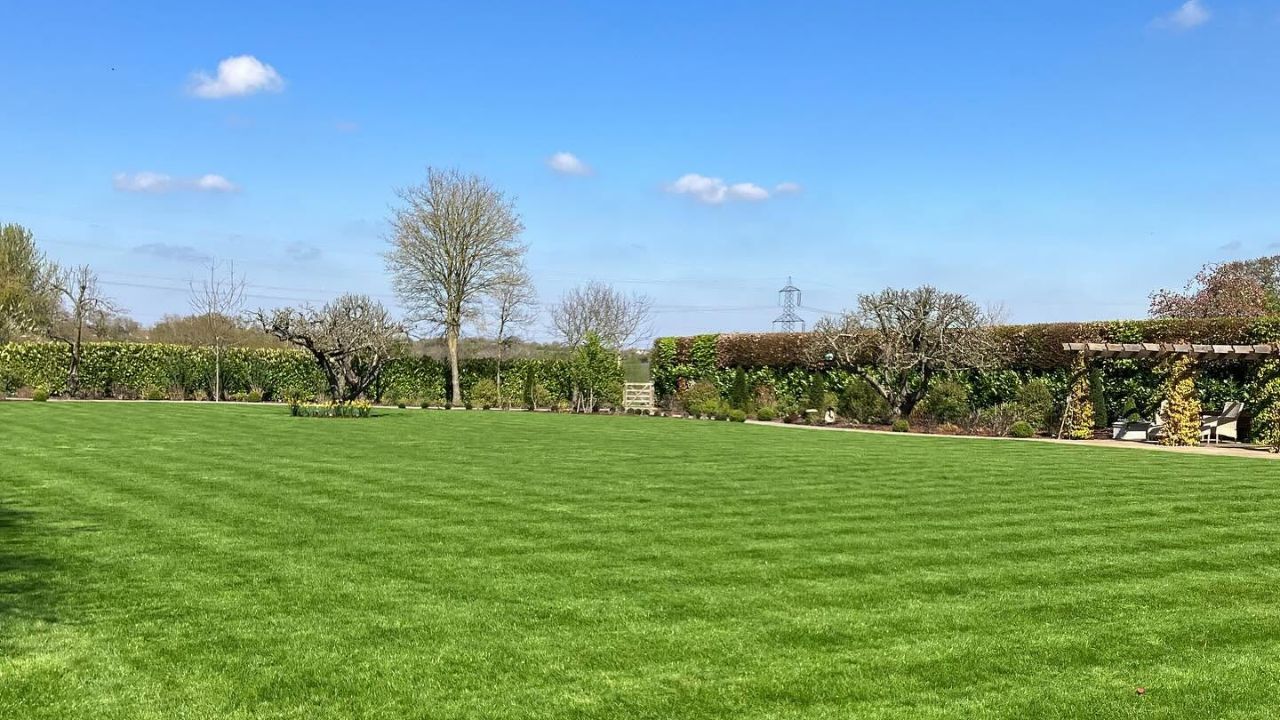
I want to be honest about something before this story starts: I’ve turned down lawn jobs before. I’ve written about a few of them — the Val Caron homeowner I declined three separate times before the drainage problem was finally fixed, situations where taking the job would have meant taking someone’s money for a result I couldn’t honestly stand behind.
In those cases, the right call was to say no. And I’d make the same calls again.
This story is different. This is about a job I was genuinely ready to decline, had my reasons lined up, and then heard one thing from the homeowner that made me stop mid-sentence and reconsider whether I was being appropriately cautious or whether I was getting something wrong.
I’m Ryan Lingenfelter, owner of Cutting Edge Lawn & Landscaping in Garson, Ontario.
The Property — Why I Was Ready to Walk
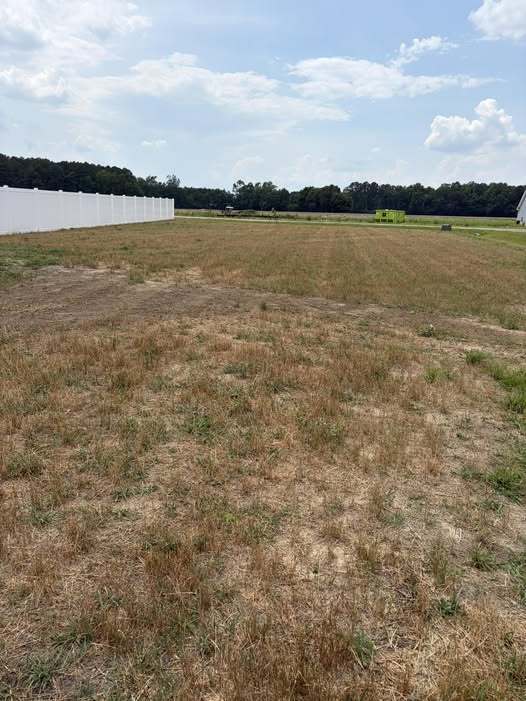
The property was in Capreol. The homeowner, a woman named Louise, had called me in early June about a backyard that had been declining for years. Her previous lawn care company had stopped operating mid-season the year before — one of those situations where the company simply stopped answering calls and never came back, which I’ve encountered the aftermath of more times than I’d like.
I went out the following morning.
The backyard was genuinely difficult — not the most challenging property I’d assessed, but difficult. The coverage was maybe 25 percent in the back, with the rest split between bare soil and an aggressive weed population that included a substantial spread of creeping charlie and some stubborn patches of quack grass near the back fence. Compaction was severe — screwdriver barely getting the tip in at several spots. And there was a drainage problem in the back right corner that had clearly been there for years, with the soil in that area showing all the signs of chronic wet-dry cycling that I know produces persistent failure regardless of what gets planted there.
None of this was individually unusual. I’ve worked on properties with all of these problems, sometimes all at once. The issue was the combination of severity and timing.
We were already in early June. The ideal spring window for aeration and overseeding — the late May period when soil temperatures are right and the growing season still has maximum time ahead — had passed. Sod installation in June is doable but comes with higher water demands and a shorter establishment window before summer heat peaks, making the first few weeks of aftercare more critical and less forgiving than a May installation would be. And the drainage problem in that corner was going to require regrading work that I wanted to see hold through at least one rain event before laying anything in that area.
On top of all of that, the quack grass near the back fence was a long-term problem that no single-season intervention was going to solve. Quack grass spreads through rhizomes that run deep and far; you can physically remove it over weeks of tedious digging, you can treat it chemically with appropriate products at appropriate timing, but you cannot overseed or sod over it and expect the new grass to win. It requires specific, staged treatment over time.
I stood there looking at the property and ran through what honest restoration work would involve. Full removal of the existing surface. Drainage correction in the corner and the need to wait and confirm it held before installing anything there. Soil rehabilitation throughout. A multi-stage plan for the quack grass that would unfold over more than one season. Then installation — sod on the worst sections, overseeding where coverage still existed.
And I looked at the calendar. June. With all of this ahead of us.
I turned to Louise and started explaining what I was seeing and what it would realistically involve. I was building toward telling her that given the timing and the complexity, she might be better off waiting until September — doing the drainage work and quack grass treatment now, installing fresh sod in early fall when conditions were better for establishment, and going into the following season with a proper foundation.
That’s when she said it.
The Thing She Said — And Why It Stopped Me
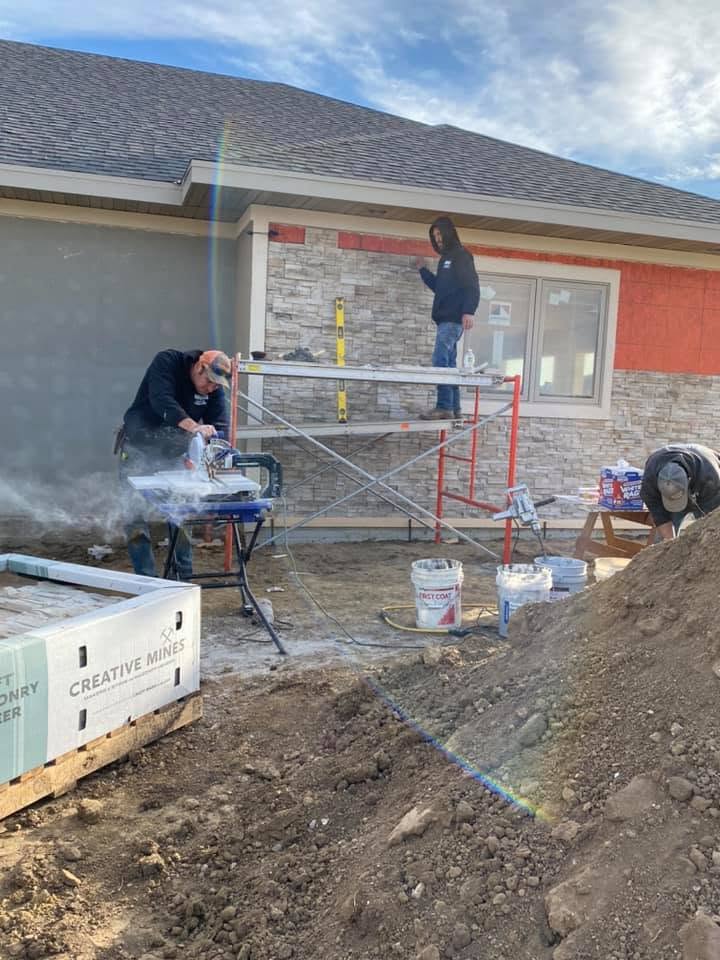
Louise waited until I’d finished describing the complexity of the situation. Then she said, quietly and without any particular drama: “I understand all of that. I just need to be able to sit in my backyard this summer.”
That’s it. That was the one thing.
I stopped.
Because what I heard in that sentence wasn’t a homeowner trying to pressure me into taking a job I’d expressed doubts about. What I heard was someone telling me what the actual goal was — and the actual goal was different from what I’d been evaluating the job against.
I’d been evaluating the job against a standard of “complete, ideal restoration” — the version of this property that would take the right amount of time, with the right conditions, to produce a genuinely healthy, established lawn for the long term. And against that standard, June with this level of complexity was a suboptimal scenario.
But Louise wasn’t asking for a complete, ideal restoration right now. She was asking whether I could make her backyard livable — usable, comfortable to sit in — for the summer she was currently in, with the understanding that the longer work would continue over time.
Those are different things. And I’d been so focused on the complexity of the full restoration that I’d stopped listening clearly to what she was actually asking for.
I asked her to say more. What did “sit in my backyard” mean — what would make the space feel usable to her this summer?
She described it simply: she wanted the weeds reduced enough that the space felt like a yard rather than an overgrown lot. She wanted the worst of the bare soil covered so it didn’t look like a construction site. She wanted to be able to put a chair out there without feeling embarrassed about the state of it. She didn’t expect it to look like a showpiece. She just wanted to feel at home in her own backyard again.
That was a completely achievable goal for June. Not ideal conditions — but achievable, if I approached it correctly and was honest with her about what this summer would look like versus what next summer could look like after proper follow-up work.
I stayed. We had a different conversation than the one I’d been planning to have.
What We Did — Working Within What Was Actually Possible
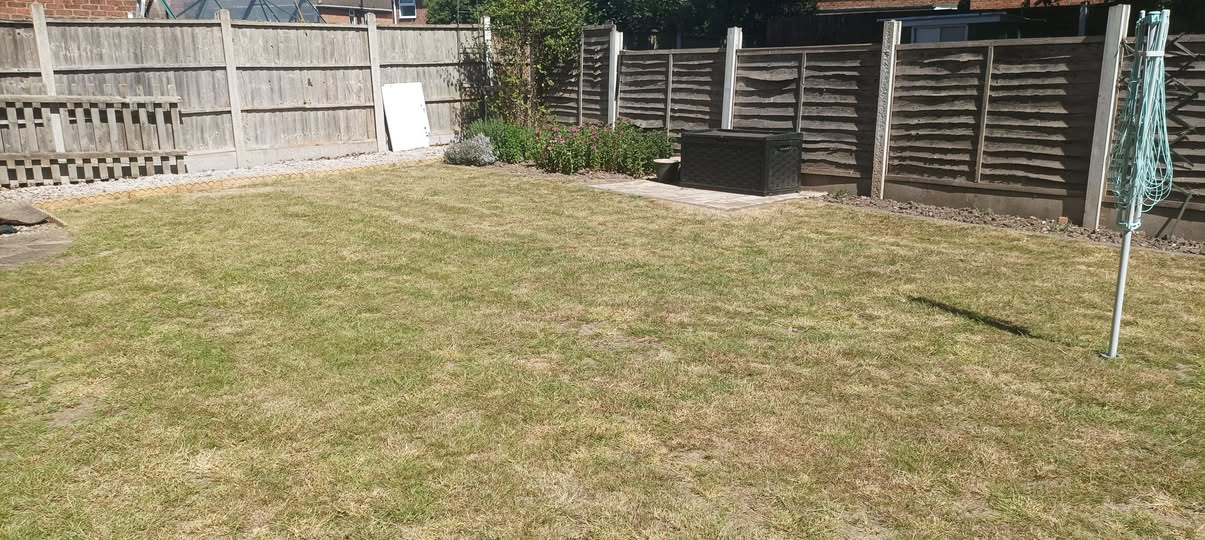
The plan I built for Louise’s property was explicitly staged — honest about what this summer would achieve versus what future seasons would build toward.
For the drainage corner, we did the regrading immediately, watched it through two rain events over the following week and a half, confirmed the water was moving the right direction, and then prepared that section for sod. No sod went down there until I’d seen it drain properly.
For the quack grass near the back fence, I was direct: we were not going to solve this in one season. The right approach was a targeted treatment program over several weeks, removing rhizomes manually where accessible, applying selective herbicide at the appropriate timing. The area near the fence would look rough through most of the summer while this was being addressed. This was the honest trade-off for not rushing a sod installation into that section that would fail against an active quack grass population.
For the bulk of the backyard — the large bare sections and the thin areas — we laid sod on the worst of it and overseeded the sections with some existing coverage after aggressive aeration. June sod requires more intensive watering than May sod, and I was specific with Louise about exactly what the first three weeks needed to look like. I covered the same detail I give every client in these situations in what happens if you don’t water new sod in Sudbury’s first two weeks.
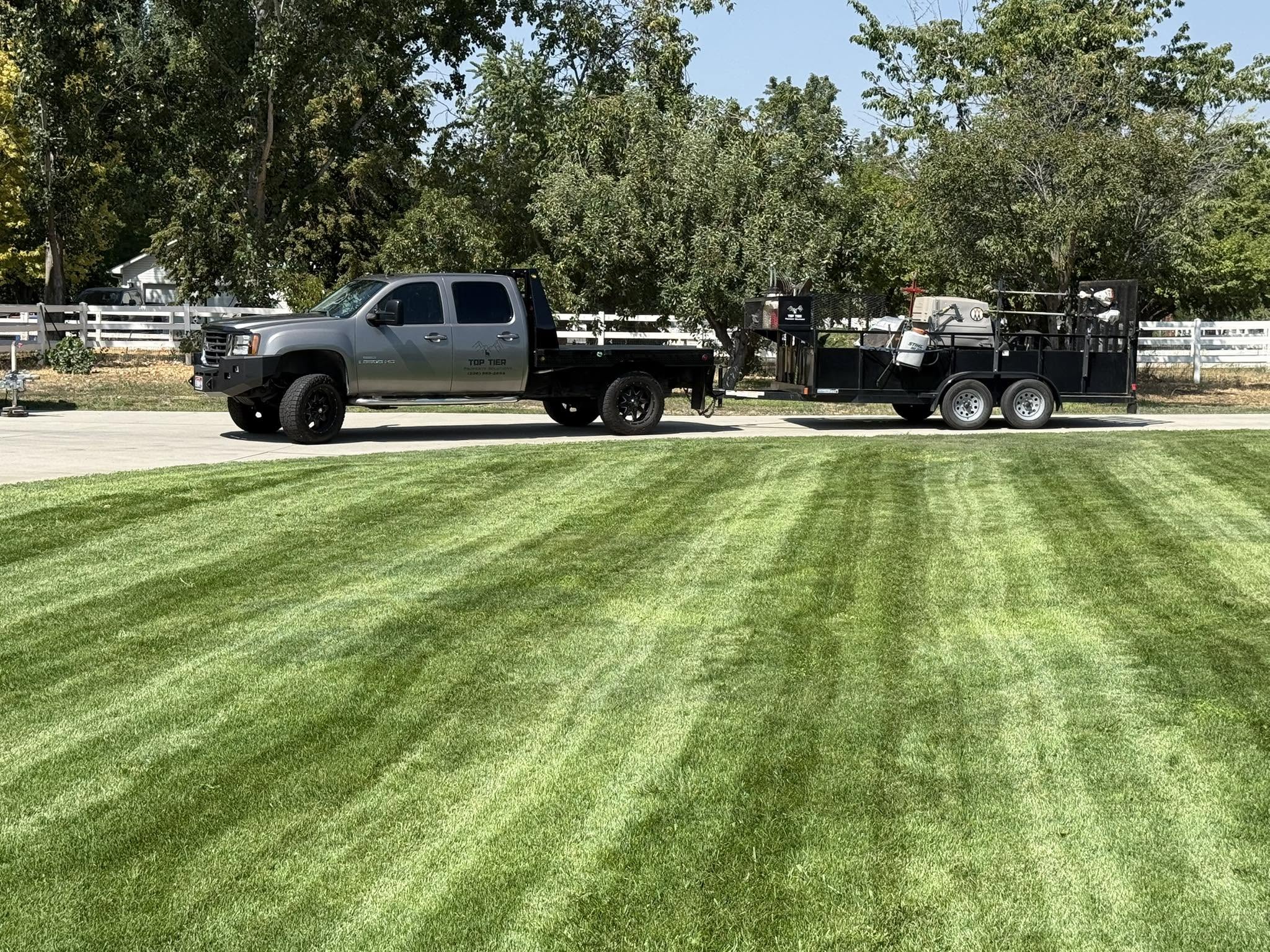
By mid-July, the sod had established across most of the backyard. The drainage corner was holding. The quack grass near the fence was still being managed. The space wasn’t perfect — but it looked like a yard. Louise put chairs out there in July and sent me a photo.
She wrote: “This is all I wanted.”
What This Changed About How I Evaluate Jobs
I’ve thought about that conversation with Louise several times since — about the moment when she said she just needed to be able to sit in her backyard this summer, and how close I came to missing what she was actually asking for.
The lesson I took from it wasn’t that I should lower my standards for what constitutes good work. The drainage correction still needed to be done and confirmed before sod went into that corner. The quack grass still needed honest, multi-season management rather than a quick cover that would fail. The sod still needed proper soil preparation and a serious aftercare commitment.
The lesson was about listening to what the actual goal is before deciding whether the conditions are right to meet it.
“Complete ideal restoration” and “livable backyard this summer” are both legitimate goals. They’re not the same goal. And the question of whether conditions are right to pursue one of them doesn’t automatically answer the question of whether conditions are right to pursue the other.
I’ve written about the importance of understanding what homeowners actually need before proposing a plan in the single question I ask every homeowner before touching their lawn. The frustration question I use now is partly a direct result of this experience — making sure I understand the actual goal before I start evaluating whether conditions support achieving it.
There’s also a connection to what I learned from the Hanmer homeowner who proved me wrong — in both cases, my initial read of the situation was too narrowly focused on the technical standard of ideal conditions rather than the full picture of what the homeowner actually needed and what was genuinely achievable. The full version of that story is in a Hanmer homeowner who proved me wrong about his lawn.
Louise’s backyard has looked better every year since that June. The quack grass is controlled now. The drainage corner has stayed stable. The lawn that started as a June emergency project has become a properly maintained yard over two subsequent seasons of follow-up work. The long-term result is what it would have been anyway — it just started with a chair in the backyard in July, which was what she’d actually asked for.
Are You Looking at a Lawn Situation That Feels Complicated?
If you have a property that needs work and you’re not sure whether the timing is right or whether what you’re hoping for is realistic — reach out. I’d rather have an honest conversation about what’s achievable in the time you’re working with than either promise you something I can’t deliver or turn you away without fully understanding what you actually need.
📞 Call or text me: 705-507-6787
Or fill out the free quote form here — I get back to everyone same day.
— Ryan Lingenfelper
Owner, Cutting Edge Lawn & Landscaping
Garson, Ontario
Related Articles
- The One Question I Ask Every Sudbury Homeowner Before I Touch Their Lawn
- What Happens If You Don’t Water New Sod in Sudbury’s First Two Weeks
- This Sudbury Lawn Looked Fine in May — By August Half of It Was Dead
- “Do You Guarantee Results?” — Here’s My Honest Answer Every Single Time
- Sod Installation in Greater Sudbury
