
By Ryan Lingenfelter — Owner, Cutting Edge Lawn & Landscaping · Garson, Ontario · Serving Greater Sudbury since 2020
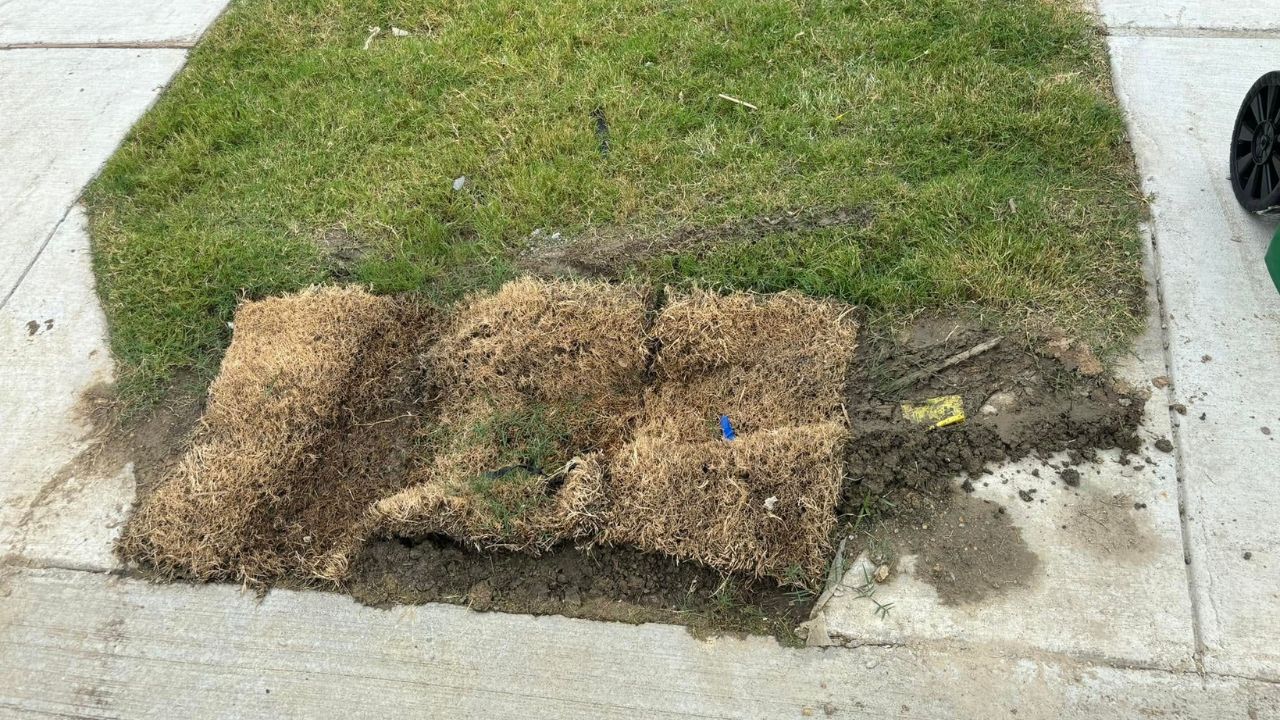
Walk any residential street in Greater Sudbury and look at the lawns carefully. Not the main open sections — the middle of the front yard, the visible backyard through the gate. Look at the edges.
The strip along the driveway. The line where the lawn meets the sidewalk. The border along the house foundation. These are the spots that almost every Sudbury homeowner ignores consistently — not out of laziness, but because they don’t look obviously problematic until the damage is significant enough to be expensive.
I see this pattern on nearly every property I walk for the first time. The main lawn area is maintained reasonably well. The edges tell a different story. And by the time a homeowner notices the edge condition seriously enough to call someone, the work required is often much larger than it would have been if the area had been addressed two or three seasons earlier.
Here’s exactly what’s happening in those ignored spots — and what to do about it before it reaches the point where the fix is no longer simple.
What’s Actually Happening Along Your Driveway Edge
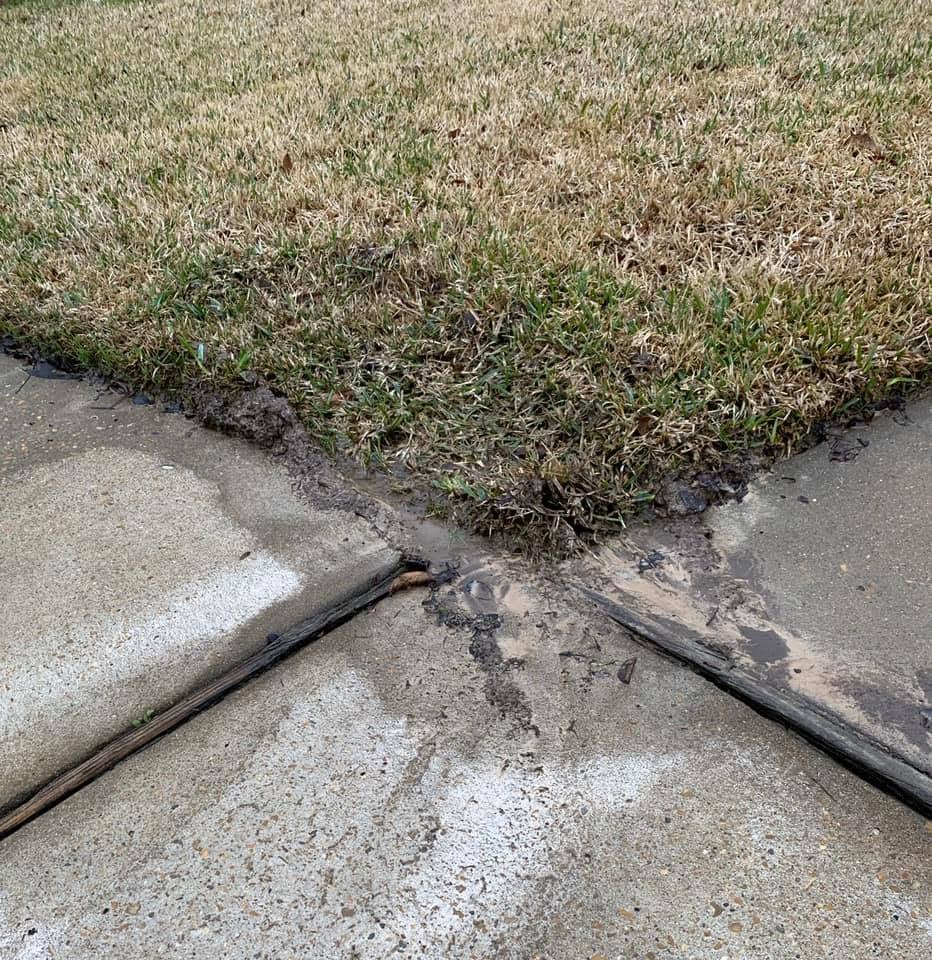
The driveway edge is the most consistently damaged and most consistently ignored spot on Sudbury residential properties. Here’s what’s working against it every season.
Salt damage from winter. This is Sudbury-specific and significant. The salt and sand mix used on driveways and roads through our winters accumulates along the driveway edge every season. Salt kills grass — it draws moisture out of plant tissue and disrupts the soil chemistry in a strip that can extend several inches to a foot from the pavement edge. By spring, the grass directly adjacent to the driveway is often dead or severely stressed, and the soil in that strip has elevated salt content that prevents healthy establishment without intervention.
Most homeowners notice the brown strip after the snow melts and assume it’ll green up on its own. Some of it does. But in a high-salt year, or on a property where salt has been accumulating in that strip for multiple seasons without any soil flushing or amendment, the damage is more persistent than it looks. The strip stays thin and stressed through the growing season, never quite recovering, and then takes another salt hit the following winter. Year over year, the edge condition declines.
Compaction from plowing and foot traffic. The driveway edge takes physical abuse through winter that the rest of the lawn doesn’t. Snowblower discharge packs snow against the edge. Plowing presses and compacts the soil at the border. Foot traffic in and out of the driveway concentrates at the edge where people step from pavement to lawn. By spring, this strip is compacted in a way that Sudbury’s already difficult soil conditions make worse than in milder climates.
Edge creep and definition loss. Without regular edging, grass and weeds grow over the pavement edge — and the pavement edge grows into the lawn through frost heave and settling. Over several seasons without attention, the defined line between driveway and lawn disappears into a ragged, overgrown border that’s harder to restore than it would have been to maintain. Edge condition is one of the first things I read when walking any property — it tells me a lot about how consistently the lawn has been maintained.
The Foundation Edge — The Spot Most Homeowners Never Think About
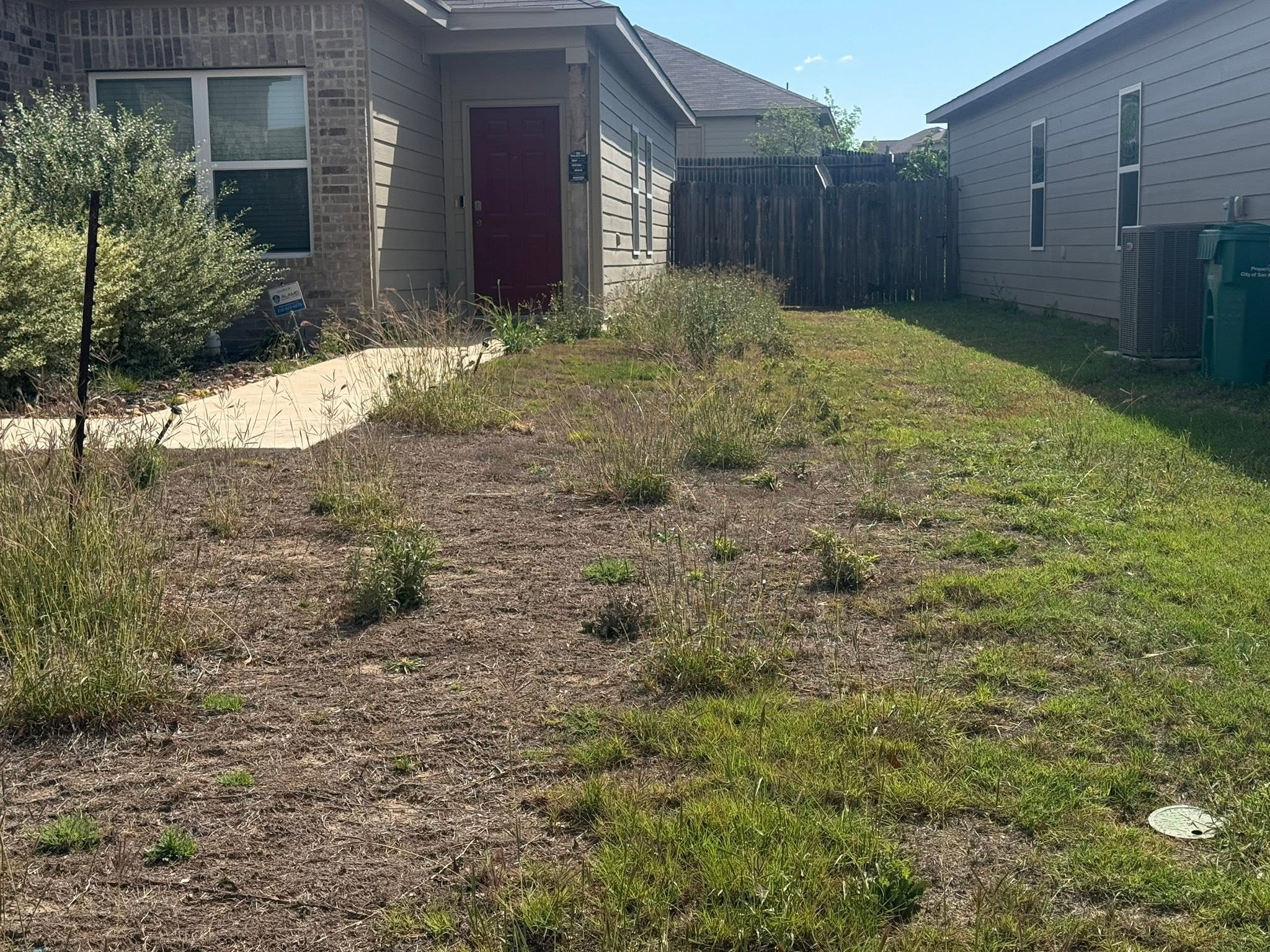
If the driveway edge is the most ignored spot on Sudbury properties, the foundation edge — the strip of lawn or soil immediately adjacent to the house foundation — is the most misunderstood.
Most homeowners treat this area as a planting bed or ignore it as a maintenance inconvenience. What it actually is, in many Sudbury properties, is a slow-developing problem that affects both the lawn and the house itself.
The foundation edge is where water concentrates after rain — either draining toward it if the grade runs toward the house (which it often does in older Sudbury properties that have settled over decades), or pooling briefly before draining through it into the soil adjacent to the foundation. Consistently wet soil against a foundation is a moisture problem for the foundation. It’s also a grass problem — waterlogged soil against the foundation supports moss and weeds rather than healthy grass, and the constant moisture variation creates conditions where lawn grasses thin and stress while opportunistic plants fill in.
The standard response is to plant perennials or install mulch beds along the foundation — which looks better than struggling grass and makes the maintenance easier. That’s reasonable as far as it goes. What it doesn’t address is whether the grade is directing water toward the foundation, which remains a problem regardless of what’s growing there.
I flag this whenever I see it on a property. Not because it’s a lawn care problem I can solve — drainage and grading are a different scope of work — but because understanding where water goes on a property is fundamental to understanding why certain areas perform the way they do.
What Happens When These Spots Are Ignored for Multiple Seasons
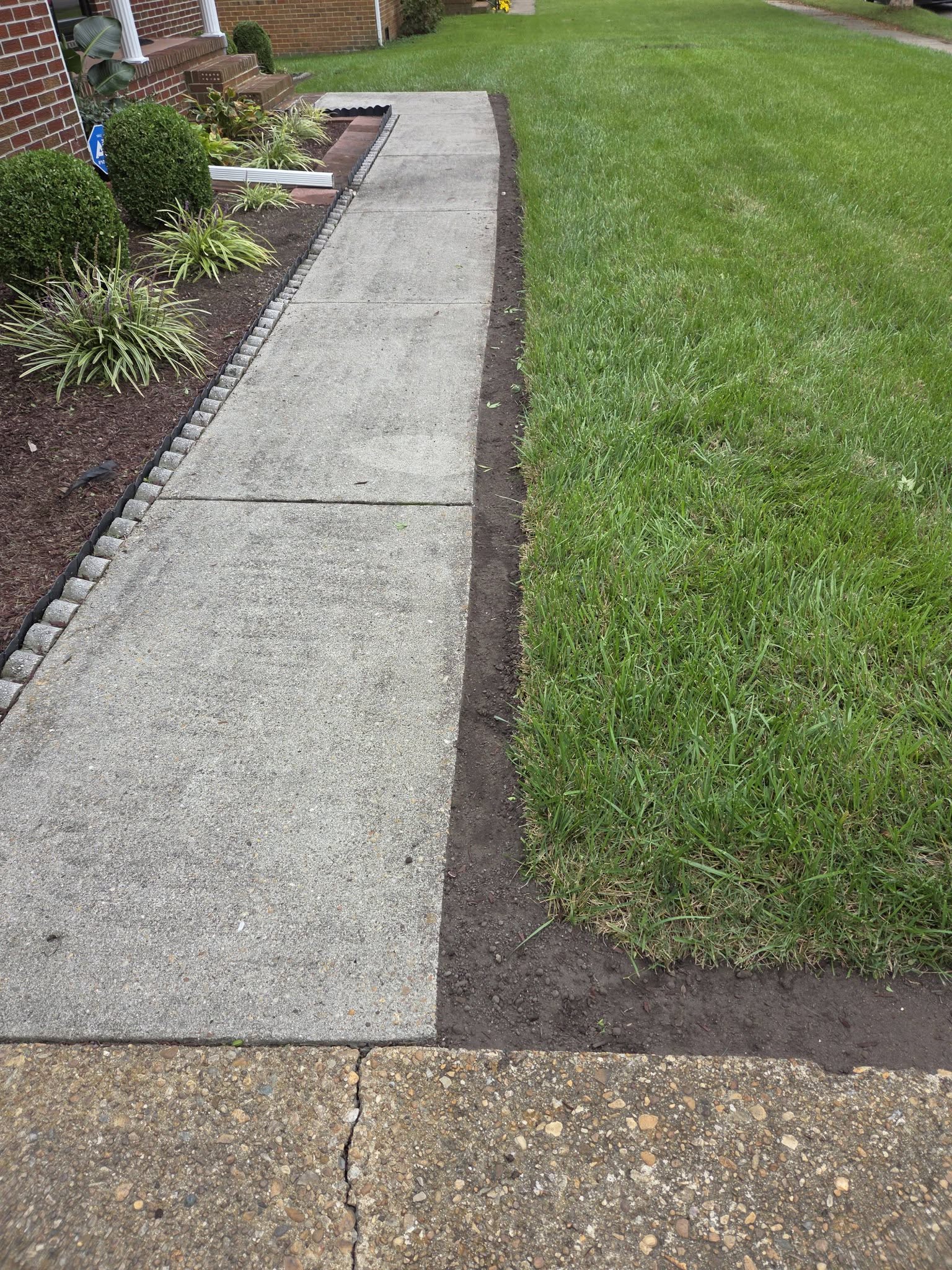
The reason these spots matter so much is that ignoring them isn’t neutral — the condition deteriorates year over year in ways that become progressively more expensive to address.
A driveway edge with one season of salt damage and light compaction can be addressed with flushing, aeration of the affected strip, and overseeding. Two or three seasons later, the same edge may have accumulated enough salt in the soil that grass won’t establish without more significant soil amendment. The grass roots from the main lawn area that used to extend into that strip are gone, replaced by weeds or bare soil, and re-establishing the edge now requires removing the compromised soil, amending, and replanting rather than just overseeding.
I’ve seen properties where the driveway edge hasn’t been properly maintained for five or six Sudbury winters. The strip that was once grassed is now a mixture of compacted, salt-compromised soil, weeds, and bare patches that extends eighteen inches to two feet from the driveway. Restoring that to a healthy grass edge is a meaningful project — not impossible, but significantly more work than annual maintenance would have required.
The same pattern applies to the foundation edge and any other consistently neglected border area. Two seasons of no care compounds into a significantly larger recovery job than one season. Three seasons compound further. The edge areas, because they’re under extra stress from salt, compaction, and traffic, deteriorate faster than the main lawn body.
On properties I take over from previous services, the edge condition is often the biggest gap — the main lawn has been maintained acceptably, but the edges have been getting worse every season because the maintenance approach never addressed them specifically.
What to Do — This Season and Every Season
The good news is that edge maintenance, done consistently, is not complicated or expensive. What it requires is attention and timing — both of which are more valuable than any product.
Spring: flush the driveway edge. As soon as the snow is gone and the ground has thawed enough for water to penetrate, flush the driveway edge strip thoroughly. Run a hose along it for twenty to thirty minutes — the goal is to push salt accumulation down through the soil and away from the root zone. Do this before you apply any seed or fertilizer to that area. Salt in the soil will prevent establishment regardless of what else you do.
Spring: include the edges in your aeration pass. When we do core aeration, the edges — driveway, walkways, foundation borders — get the same attention as the main lawn areas. The compaction from winter traffic and plowing is often worst along these edges, and aeration there is as important as aeration in the open sections. Don’t let the aerator stop short of the edge strips.
Spring cleanup: pay specific attention to edge debris. The spring cleanup along edges requires more than a quick rake. Sand and grit from the driveway blow onto the edge strip all winter and can seal the soil surface. The thatch accumulation in edge areas is often thicker than in the main lawn because the mower reaches there less cleanly. A thorough cleanup along all edge strips — not just the main lawn — sets them up to recover properly through the growing season.
Overseed edges early. After flushing, aeration, and cleanup, overseed the damaged edge strips with a salt-tolerant grass variety. Not the same mix as the main lawn — look for varieties specifically rated for salt tolerance and edge conditions. These establish in the compromised soil along driveways better than standard cool-season mixes.
Through the season: edge consistently. A clean, defined edge between lawn and pavement is both aesthetic and functional. It prevents grass from creeping over the pavement where it gets damaged by traffic, and it prevents pavement from intruding into the soil where frost heave brings it. Consistent edging through the season takes ten minutes on a standard property and prevents the definition loss that makes edge restoration so much more work later.
If your Sudbury property has edges that have been getting worse for a few seasons — or if you want someone to walk the full property and flag the spots that need attention before they become expensive — reach out. That first assessment is always free.
— Ryan Lingenfelter
Cutting Edge Lawn & Landscaping, Garson, Ontario
📞 705-507-6787
Serving all of Greater Sudbury — Garson, Hanmer, Val Caron, Lively, Chelmsford, Azilda, Capreol, and Sudbury proper. We offer core aeration, property cleanup, grass cutting, sod installation, and full lawn maintenance. Free quotes, no pressure.
Get a Free Quote |
Call 705-507-6787
