
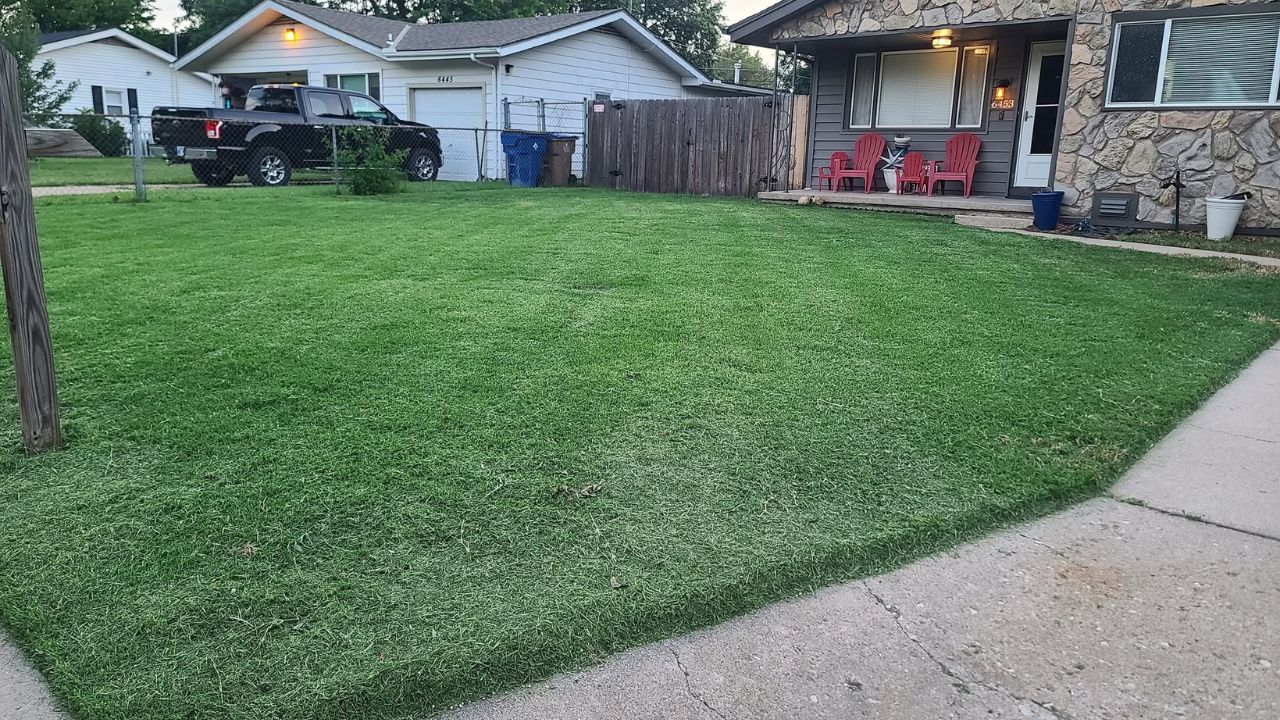
By Ryan Lingenfelter — Owner, Cutting Edge Lawn & Landscaping · Garson, Ontario · Serving Greater Sudbury since 2020
I pulled up to the property at 6:58am. I know the time because I’d checked my phone in the truck before getting out — I’d arranged a 7am visit and I wanted to be on time.
She was already standing on her front step. Not inside looking out the window. Outside, in a light rain jacket, holding a coffee with both hands, watching the driveway. She’d been waiting.
I got out of the truck and she walked toward me before I’d even closed the door. No good morning, no small talk. She said: “I need to show you something.”
That’s how this particular morning started. What she showed me over the next twenty minutes, and what it led to, is a story I’ve thought about many times since.
Why She’d Called at 6am the Day Before
She’d called me the previous afternoon. Not a text — a call, which is less common, and her voice had the particular tone of someone who’s been looking at a problem for a while and finally decided to do something about it.
She’d moved into the house eight months earlier. New build, on the edge of one of the newer subdivisions in Greater Sudbury. The builder had laid sod in the fall before she took possession — standard practice, meant to give the property a finished look for handover.
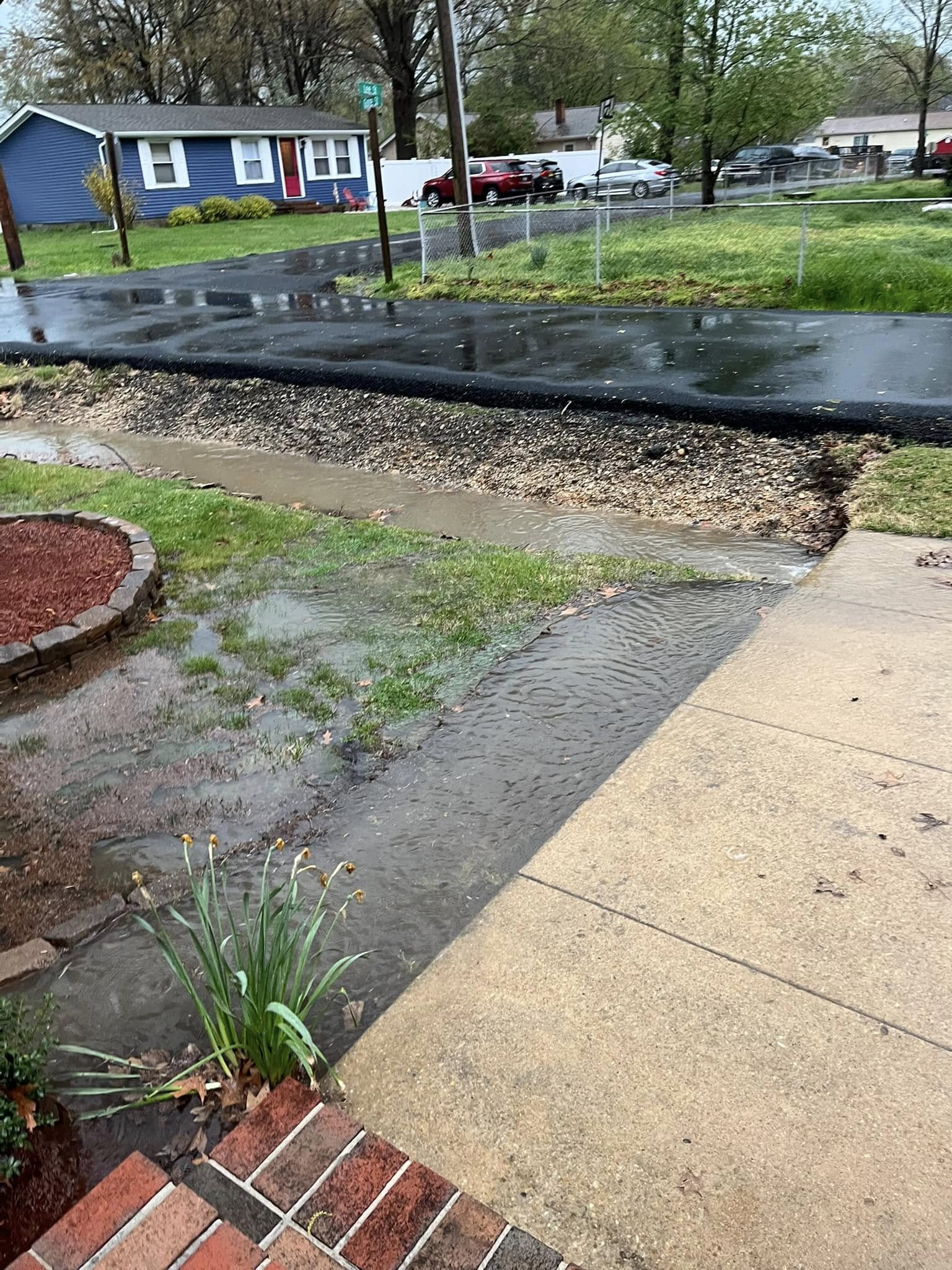
The sod had been struggling since spring. Lifting in patches, thin in sections, and after a heavy rain two days before she called me, a large area of the backyard had essentially detached from the soil underneath. She could lift sections of it with her hands. It hadn’t rooted. Eight months after installation and the sod was sitting on top of the soil rather than being part of it.
She’d called the builder. She’d been told this was “normal settling” and that it would work itself out. She hadn’t believed that answer — correctly — and had found my number through a neighbour.
I told her I’d be there at seven the next morning.
What I Found When She Showed Me the Backyard
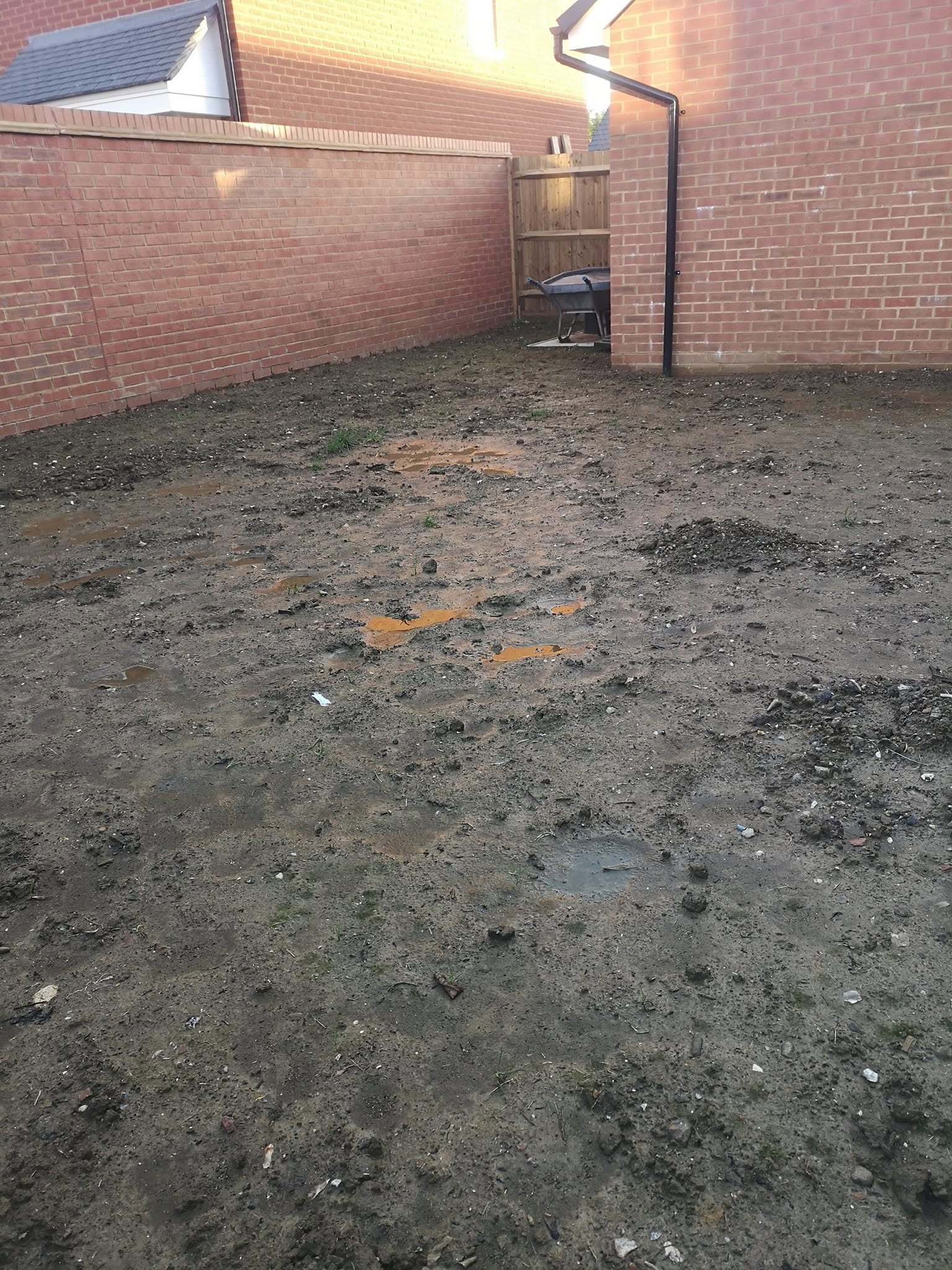
The backyard was worse than I’d expected from the phone description. The sod wasn’t just lifting in patches — a significant portion of the lawn had essentially zero root establishment. I could roll sections back like a carpet. Underneath was compacted construction fill — not prepared topsoil, not soil that had been properly graded and loosened before sod installation. Hard, dense, pale material that roots couldn’t penetrate.
This is one of the most common problems I see on new build properties across Greater Sudbury. Builders prioritize finishing the visible surface — the sod looks green and complete at handover — without adequately preparing what’s underneath. Sod laid on compacted construction fill doesn’t fail immediately. It holds together from the moisture in the roll itself. But it never properly roots, and by the following spring or summer, the lack of establishment becomes visible. Heat stress, heavy rain, anything that puts pressure on the surface reveals that the sod was never anchored to anything real.
The rain two days before her call had essentially floated the unrooted sections — water getting under sod that had no roots holding it in place. She’d looked out her kitchen window and seen her backyard moving.
I told her what was actually going on. Not “normal settling.” Failed establishment due to inadequate soil preparation before installation. The builder’s answer had been wrong — this wasn’t going to work itself out. It was going to get worse through summer as the sod continued to die in sections without the root system it needed to survive.
What We Did — and Why the Timing Mattered
The options were limited by the time of year — we were in late May, which was actually fortunate. Late May in Sudbury is about as good as it gets for establishing new sod. Warm enough for rooting, enough of the season ahead, soil temperatures coming up. A month later and the summer heat would have made new establishment harder. A month earlier and the ground would have been too wet from snowmelt to work properly.
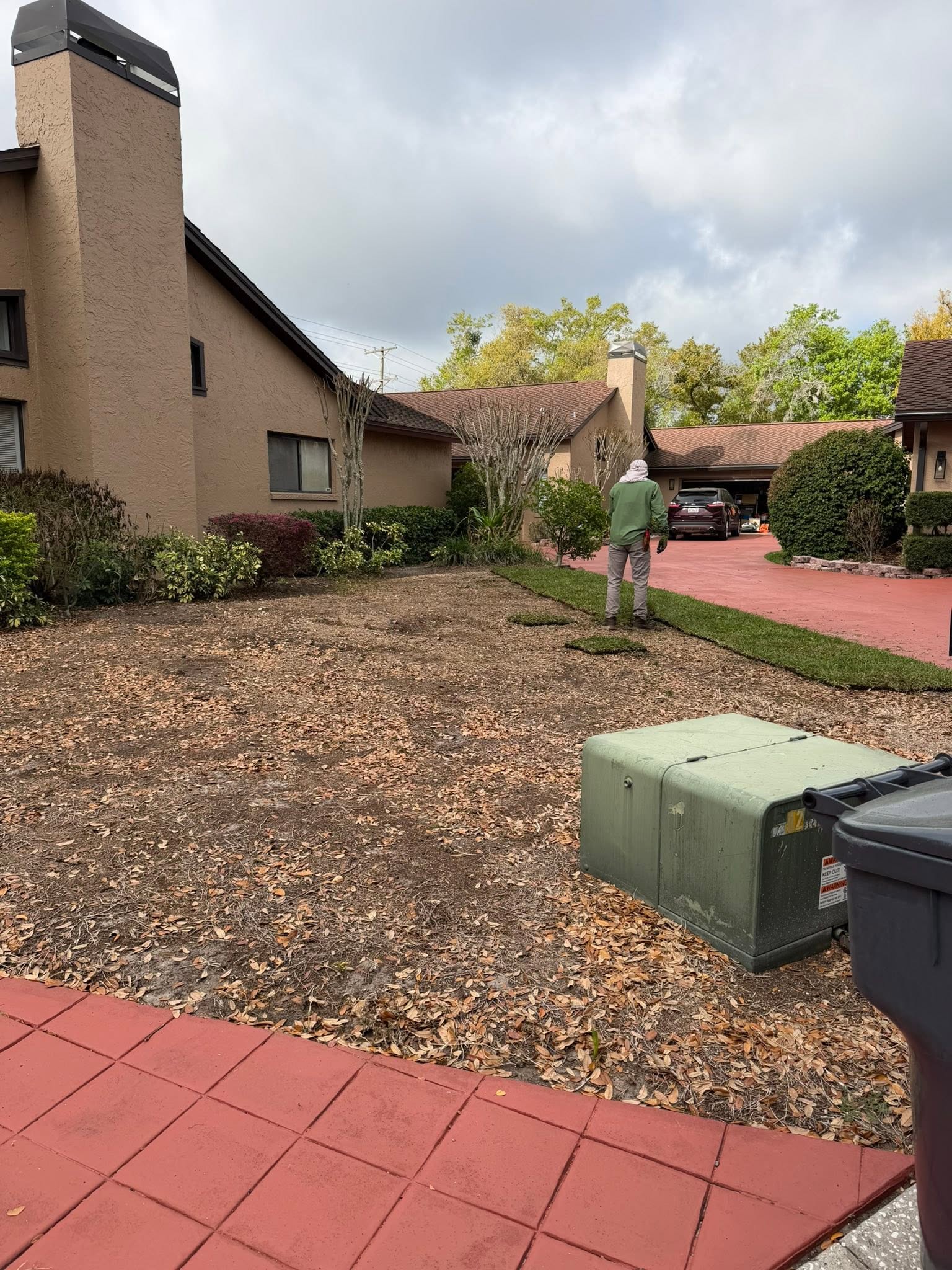
The failed sod had to come up. There was no saving it — it hadn’t rooted and trying to rehabilitate unrooted sod on compacted fill is an exercise in managed decline. Better to start correctly than nurse something that was fundamentally compromised.
Once the old sod was removed, the real work was the soil. The construction fill needed to be broken up, proper topsoil brought in and incorporated, the grade checked for drainage — one of the reasons the rain had caused the floating was that the grade directed water toward rather than away from that section of the yard. The soil preparation took most of a day before we were ready to install new sod.
Then new sod installation on properly prepared ground — grade corrected, soil loosened, topsoil incorporated, the surface raked to a consistent level. Sod laid tightly, edges staggered, rolled to ensure full contact between the sod and the prepared soil beneath. That contact is everything. Sod that’s laid on adequately prepared soil and achieves good contact with it roots within two to three weeks under normal conditions. Sod laid on compacted fill with poor contact may never root at all.
I also walked her through the watering protocol for new sod in Sudbury’s climate — the first two weeks are critical, and the difference between sod that roots well and sod that struggles often comes down to whether the moisture was consistent through that initial window.
Three weeks later she sent a photo. The backyard was green, even, and when she pressed her foot down, the sod stayed in place. It had rooted. For the first time since she’d moved in, the backyard looked like the finished space it was supposed to be.
What I Think About When I Remember That Morning
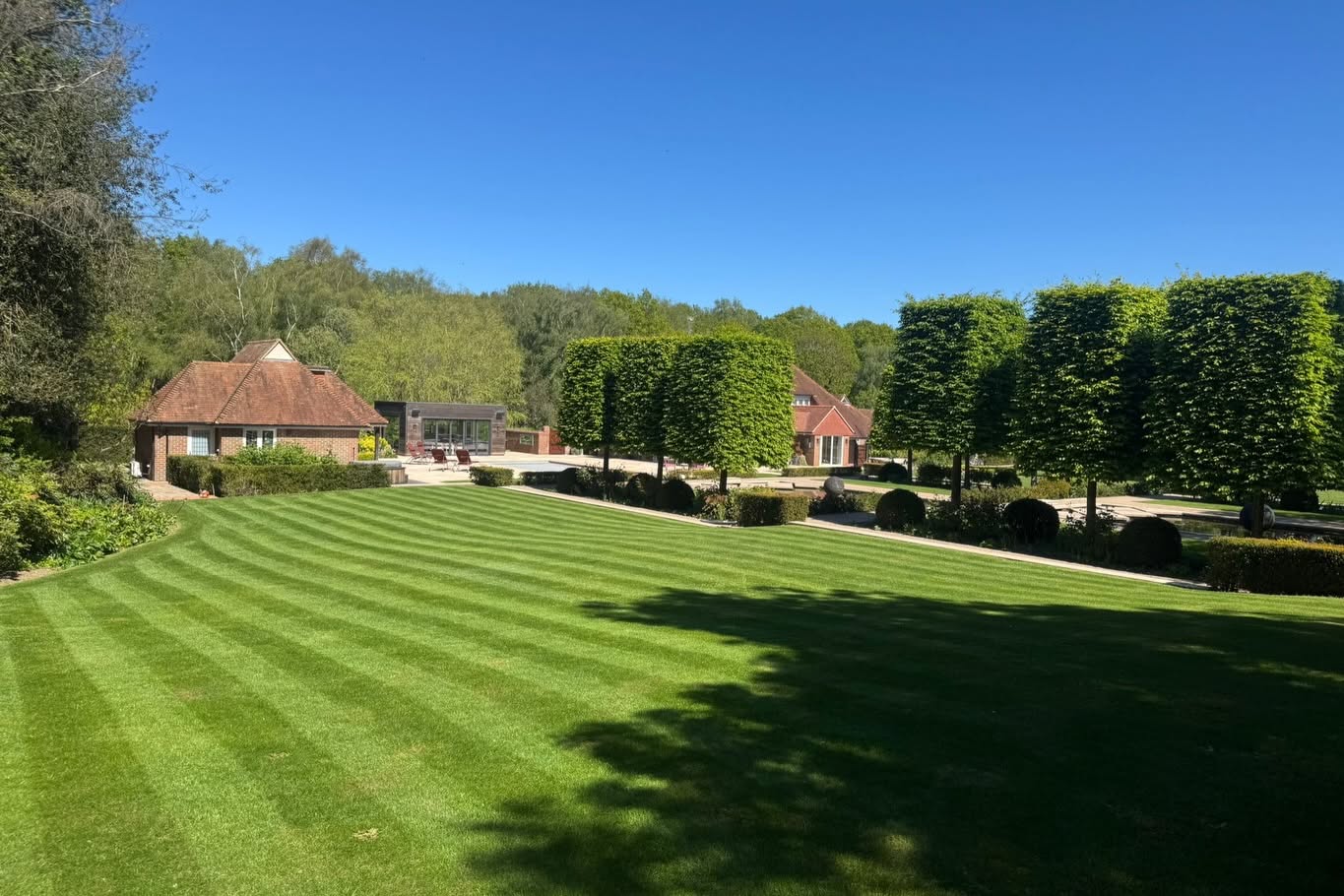
I think about her standing on that front step in the rain sometimes. The image has stayed with me clearly — the coffee held with both hands, the look of someone who’d been up earlier than usual because a problem they’d been trying to get a straight answer about had finally become impossible to ignore.
What she needed that morning was someone to come and actually look at what was happening, tell her honestly what was causing it, and give her a clear path forward. Not “normal settling.” Not vague reassurance. A real answer and a real plan.
That’s what she got. And it was possible because I showed up at seven, walked the property with her, looked at what was actually going on rather than what the builder wanted to be going on, and told her the truth about what the sod needed.
There’s a broader point in this that I think about in terms of how I try to approach every property. Homeowners who’ve been given wrong answers about their lawn problems — whether by builders, by previous services, or by generic advice that doesn’t fit their specific situation — often know something is off before anyone confirms it. They’re watching a problem that doesn’t match the explanation they’ve been given. What they need is someone to come look, actually diagnose what’s happening, and tell them the truth.
That’s something I try to do every time I pull up to a new property in Greater Sudbury — whether it’s 7am in the rain or a Wednesday afternoon in July. Look at what’s actually there. Tell the homeowner what I see. Give them the real answer.
If your lawn is doing something that doesn’t make sense — or if you’ve been getting explanations that don’t quite add up — reach out. I’ll come take a look and give you a straight read on what’s actually happening.
— Ryan Lingenfelter
Cutting Edge Lawn & Landscaping, Garson, Ontario
📞 705-507-6787
Serving all of Greater Sudbury — Garson, Hanmer, Val Caron, Lively, Chelmsford, Azilda, Capreol, and Sudbury proper. We offer sod installation, core aeration, property cleanup, grass cutting, and full lawn maintenance. Free quotes, no pressure.
Get a Free Quote |
Call 705-507-6787
