
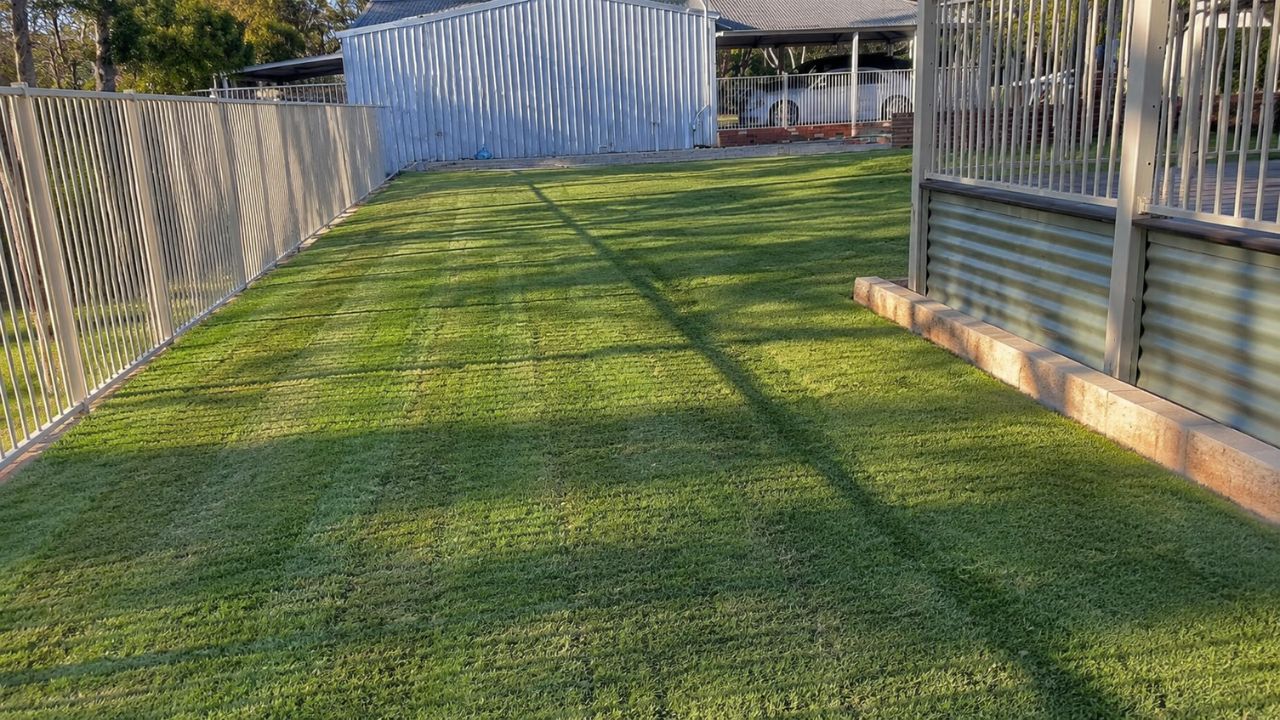
If you’ve moved into a new build in Sudbury — or anywhere in Greater Sudbury, really — and your lawn is a mess, you’re not alone and you didn’t do anything wrong. This is one of the most common situations I get called into, and there’s a very specific reason it happens almost every time.
It’s not the grass seed. It’s not the weather. It’s what happened to the soil before you ever moved in.
Let me explain what’s actually going on, and then walk you through how to fix it properly — because throwing seed and fertilizer at the problem, which is what most people try first, almost never works without addressing the real issue underneath.
What Builders Do to Your Soil — And Why It Matters
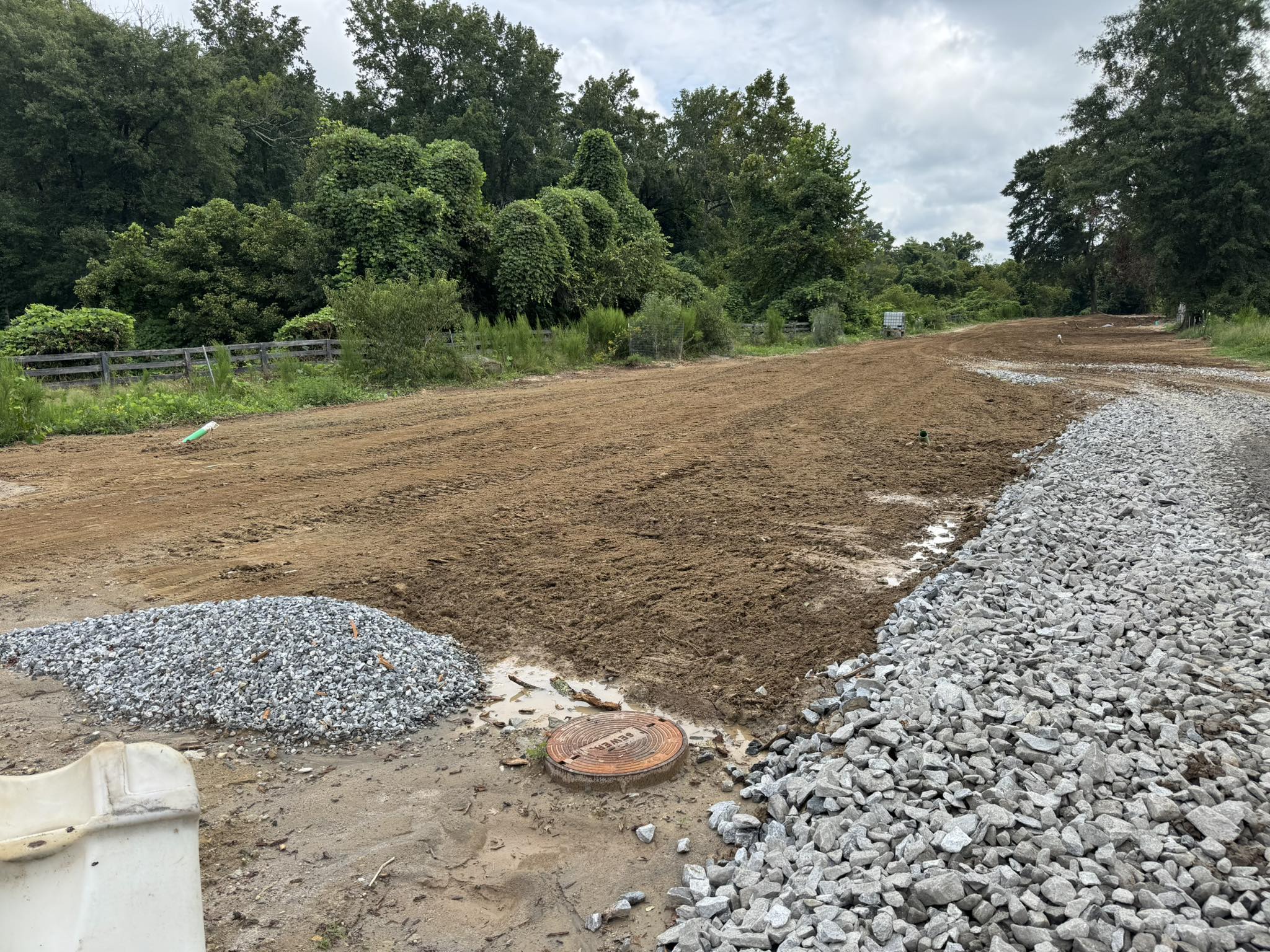
When a house gets built, the construction process is hard on the land. Heavy equipment — excavators, concrete trucks, delivery vehicles — drives over the same ground repeatedly for months. That traffic compacts the soil to a degree that’s genuinely difficult to appreciate until you try to grow something in it.
Compacted soil isn’t just firm — it’s essentially hostile to grass roots. Water doesn’t drain through it properly, it pools on the surface and then runs off. Air can’t get into the soil profile. Roots hit a wall a few inches down and can’t push any deeper. Grass that can’t root deeply can’t access moisture or nutrients, which means it’s stressed constantly and thins out fast.
On top of that, the topsoil — the darker, nutrient-rich layer that grass actually grows in — often gets stripped off during excavation and either sold, stockpiled badly, or spread back unevenly at the end. What you frequently end up with is a thin layer of poor-quality fill with maybe an inch or two of topsoil on top, seeded quickly and handed over with the keys.
In Sudbury specifically, this is compounded by what’s already in the ground. Our soil is naturally clay-heavy in a lot of residential areas, which compacts easily and drains poorly even before construction happens. Add a year of heavy equipment traffic on top of that and you’ve got soil that grass genuinely cannot thrive in without intervention.
This is why the lawn looks rough. It’s not bad luck — it’s physics.
The Signs You’re Dealing With This Problem
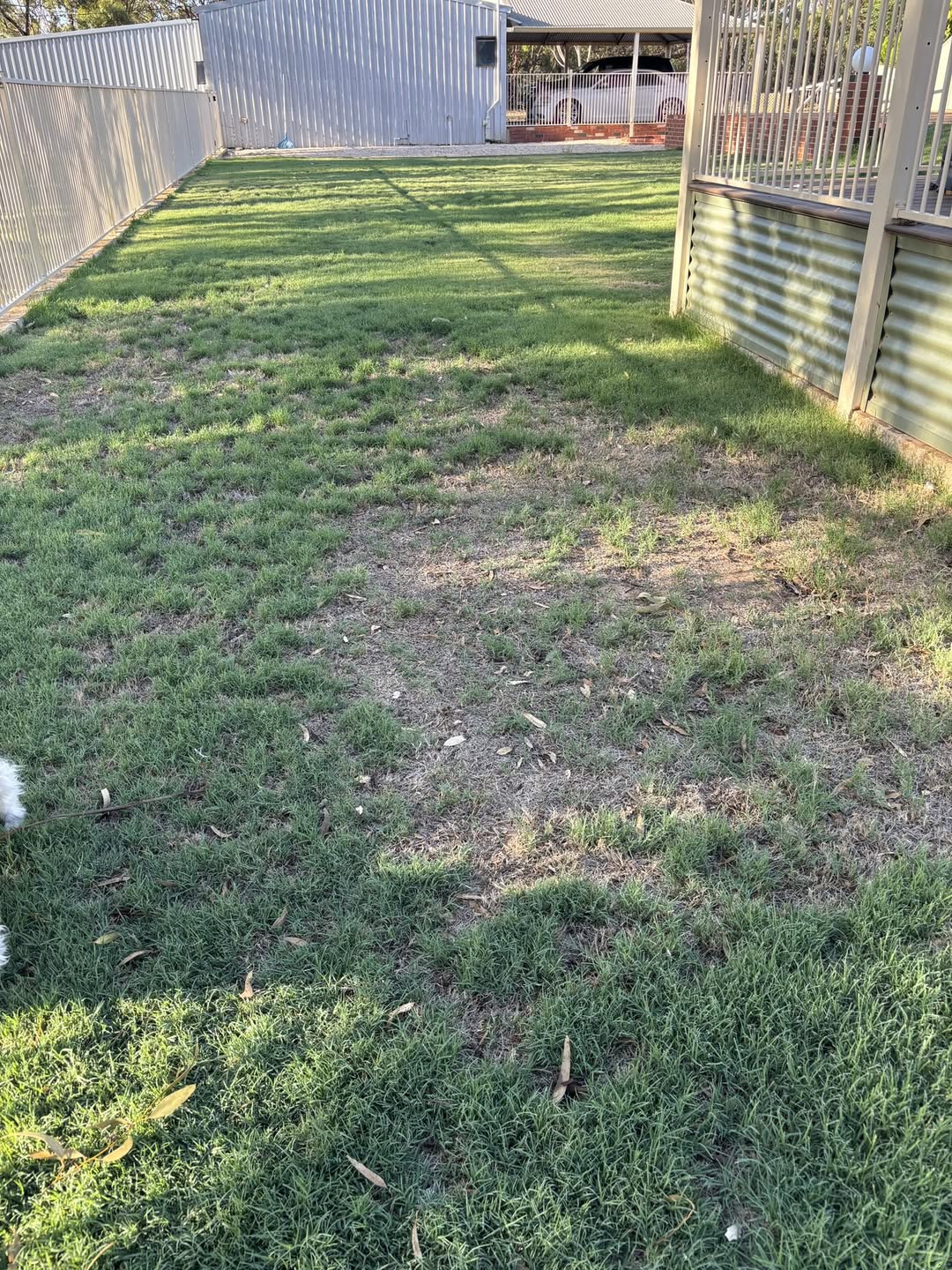
Not every new build lawn has the same issue, so it’s worth knowing what you’re actually looking at before deciding what to do. Here’s what I see on most new build properties I visit in Sudbury:
Thin, patchy grass that won’t fill in. The seed germinated, the grass came up, but it never got thick and it keeps thinning. This is almost always a compaction and poor topsoil issue. The grass can’t root properly so it stays weak.
Water pooling after rain. If you’re seeing puddles sitting on the lawn for hours after it rains — or water running off the surface rather than soaking in — that’s compacted soil telling you it can’t absorb water properly. Grass in those areas is constantly either waterlogged or dry, neither of which it handles well.
Hard surface underfoot. Walk across the lawn after a dry week and press your heel in. On healthy soil with good organic matter, you should feel some give. On heavily compacted construction fill, it feels almost like walking on packed dirt — because that’s essentially what it is.
Weeds moving in fast. Weeds are opportunists. They’re very good at establishing in poor, compacted soil where grass struggles. If your new build lawn is filling up with weeds within the first season or two, it’s a sign the soil conditions aren’t supporting the grass well enough for it to compete.
Visible soil or fill at the surface. If you can see patches where the soil colour looks different — lighter, more orange or grey — that’s often fill material or subsoil that got spread on the surface instead of proper topsoil. Grass won’t establish well in it.
The Right Way to Fix It
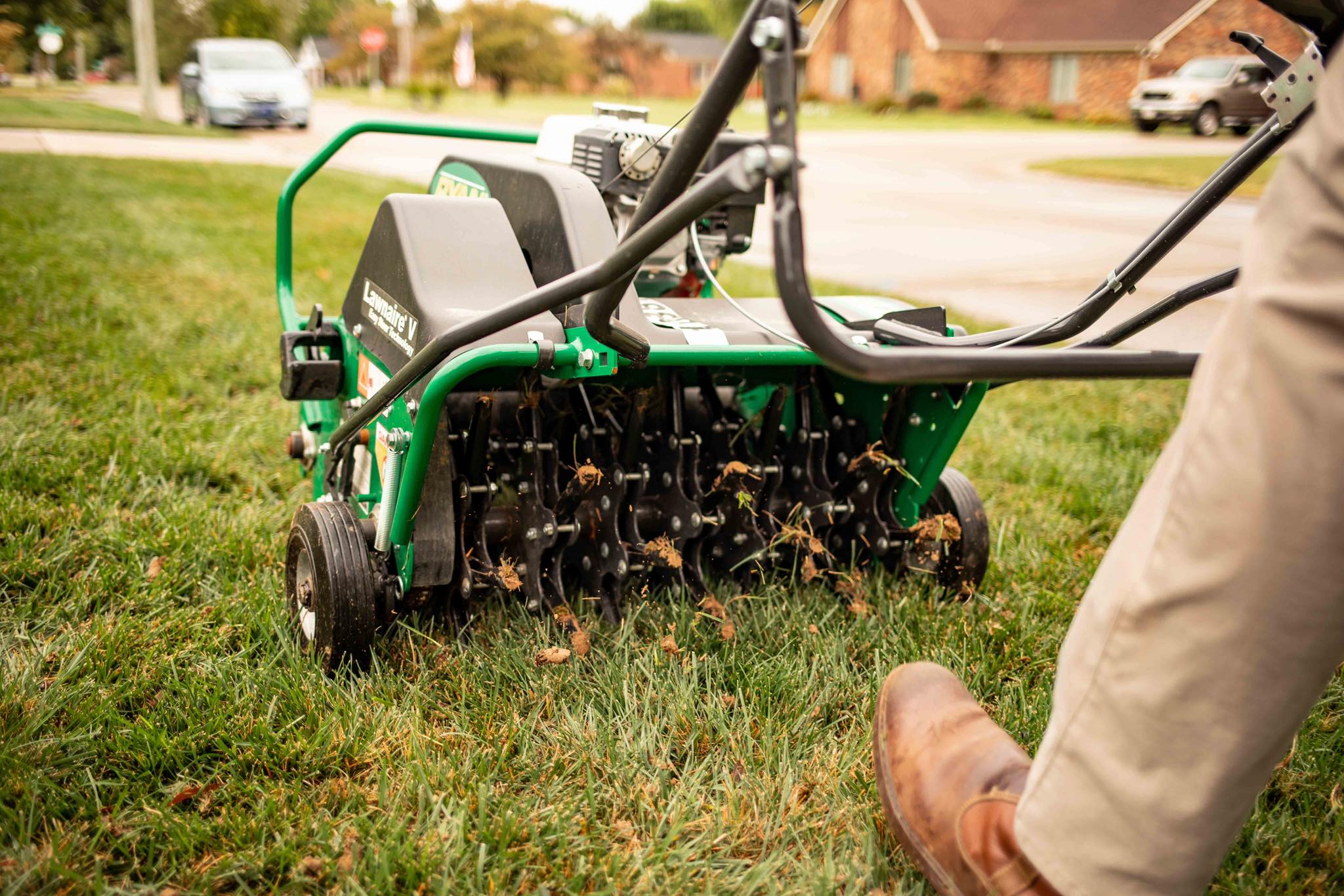
The fix depends on how bad the situation is, but here’s the approach I use on new build properties in Sudbury — in the order that actually works.
Start with core aeration. This is always the first step and it’s non-negotiable on compacted soil. Core aeration pulls plugs of soil out of the ground — typically 2 to 3 inches deep — across the whole lawn. This breaks up the compaction, opens up channels for water and air to get into the soil, and creates the conditions that make everything else you do actually work. On a new build with serious compaction, I’ll often recommend two passes in different directions to really open the soil up.
Topdress with compost. After aeration, spreading a thin layer of quality compost across the lawn and working it into the aeration holes puts organic matter back into a soil that’s been stripped of it. This improves the soil’s ability to hold moisture, feeds the microbial life that makes nutrients available to grass, and gives roots something better to grow into. On new builds with very poor topsoil, this step makes a significant difference.
Overseed with the right mix. Once the soil has been opened up and improved, overseeding fills in the bare and thin areas. For Sudbury’s climate, I use a cold-hardy mix with good fescue content — it handles our winters and establishes reliably. The seed goes into those aeration holes and makes contact with improved soil, which is a completely different starting point than trying to seed into compacted surface fill.
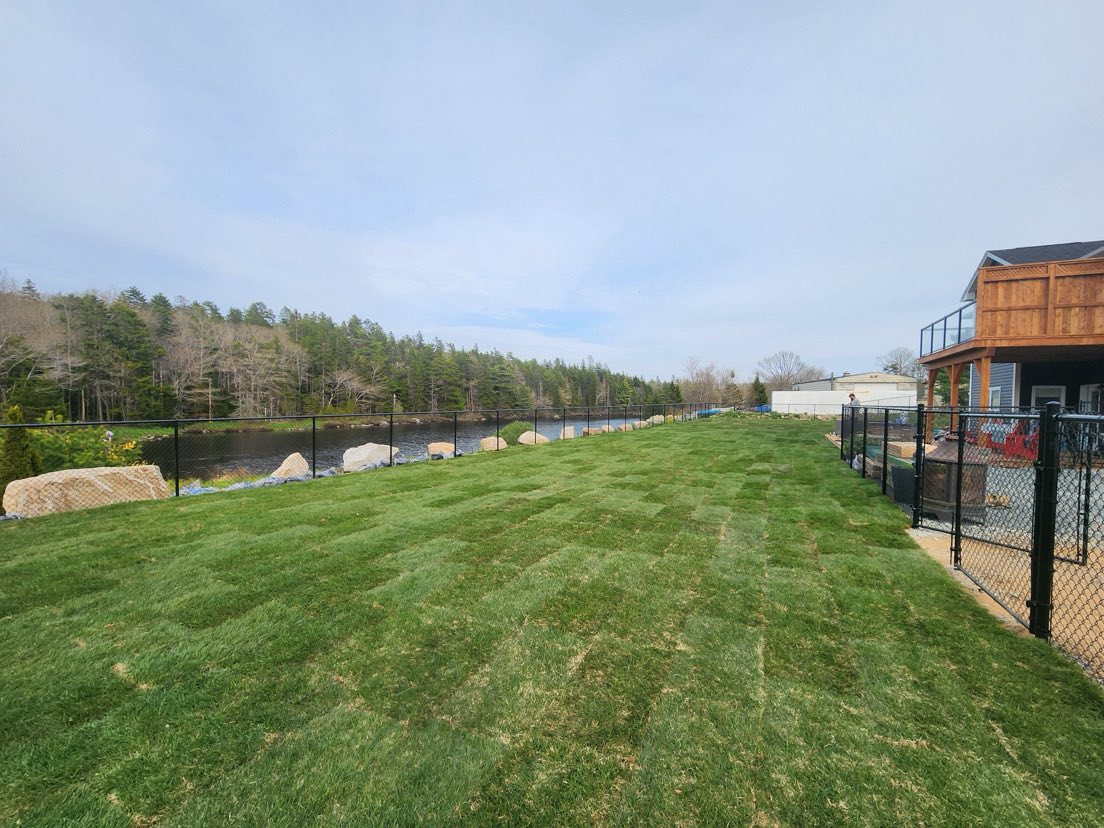
Consider sod for severe cases. If the topsoil situation is genuinely bad — very thin layer, lots of fill visible, lawn that’s more weeds than grass after two seasons — a full sod installation might make more sense than years of trying to improve a seeded lawn. This means stripping or killing the existing surface, bringing in proper topsoil, grading it correctly, and laying fresh sod. It’s more upfront cost, but you start with a proper foundation instead of fighting the soil forever.
Fertilize correctly after the groundwork is done. Fertilizer on compacted, nutrient-poor soil doesn’t accomplish much — it can’t get where it needs to go. After aeration and topdressing, the soil can actually absorb and use fertilizer effectively. A starter fertilizer with good phosphorus content supports root development. Get the soil right first, then fertilize.
What to Expect and How Long It Takes
I want to set realistic expectations here, because one of the frustrating things about new build lawn recovery is that it takes time even when you do everything right.
If you aerate, topdress, and overseed in spring or early fall, you should see meaningful improvement within one season. The lawn will come in thicker, the bare patches will fill in, and the overall condition will improve noticeably. But the soil won’t be fully recovered in one season — it takes a few years of consistent care to build the organic matter and soil structure that a lawn really wants.
Year one: meaningful visible improvement, lawn fills in significantly, stops thinning out.
Year two: continued improvement, soil starts behaving better, watering and drought tolerance improves.
Year three onward: if you’ve been consistent, the lawn starts behaving like a properly established lawn should.
The shortcut to that timeline is a full soil renovation — bringing in good topsoil and starting fresh. It costs more upfront but gets you to a properly established lawn much faster.
If you’ve just moved into a new build in Greater Sudbury and you’re looking at a lawn that isn’t doing what it should, reach out. I’ll come take a look, tell you honestly what I see, and give you a clear picture of what it would take to fix it — whether that’s a season of targeted work or a more complete renovation.
— Ryan Lingenfelter
Cutting Edge Lawn & Landscaping, Garson, Ontario
📞 705-507-6787
Serving new build properties across Greater Sudbury — Garson, Hanmer, Val Caron, Lively, Chelmsford, Azilda, Capreol, and Sudbury proper. We offer sod installation, core aeration, property cleanup, and full lawn renovation. Free quotes, no pressure.
Get a Free Quote |
Call 705-507-6787
