

Every summer around mid-July, I start getting the same calls. The rain has stopped, the heat has settled in, and people are looking at their lawns going yellow and brown wondering what they’re supposed to do about it — especially when they don’t have a sprinkler system.
Here’s the thing: a dry July in Sudbury doesn’t have to mean a dead lawn. There are practical things you can do with a basic garden hose and a bit of strategy that make a real difference. And there are also a few things people do instinctively that actually make the situation worse.
Let me walk you through what actually works.
First — Understand the Difference Between Dormant and Dead

Before anything else, I want to clear something up because it changes how you approach the whole problem.
When a Sudbury lawn goes yellow and brown in July, most people assume it’s dying. In the majority of cases, it’s not — it’s dormant. Grass is a survivor. When temperatures climb and rain stops, cool-season grass — which is what most Sudbury lawns are made of — goes dormant as a survival mechanism. It slows growth, conserves energy, and waits for better conditions. It looks rough, but it’s alive.
The difference between dormant and dead comes down to the crown — the growing point at the base of each grass plant, just at or below the soil surface. If the crown is alive, the grass will green back up when rain returns or temperatures drop. If the crown has died — usually from extended heat and complete moisture loss — the grass is gone and won’t come back.
Healthy, established Sudbury lawns can handle two to four weeks of drought dormancy without dying. If your lawn has gone brown after ten days of dry weather, it almost certainly isn’t dead — it’s sleeping. Don’t panic, and don’t do anything drastic.
Where it gets into trouble is when dormancy extends past four to six weeks with no moisture at all, or when the soil gets so dry that the crown dries out. That’s when you start losing grass — and that’s what the rest of this article is about preventing.
How to Water Without a Sprinkler System
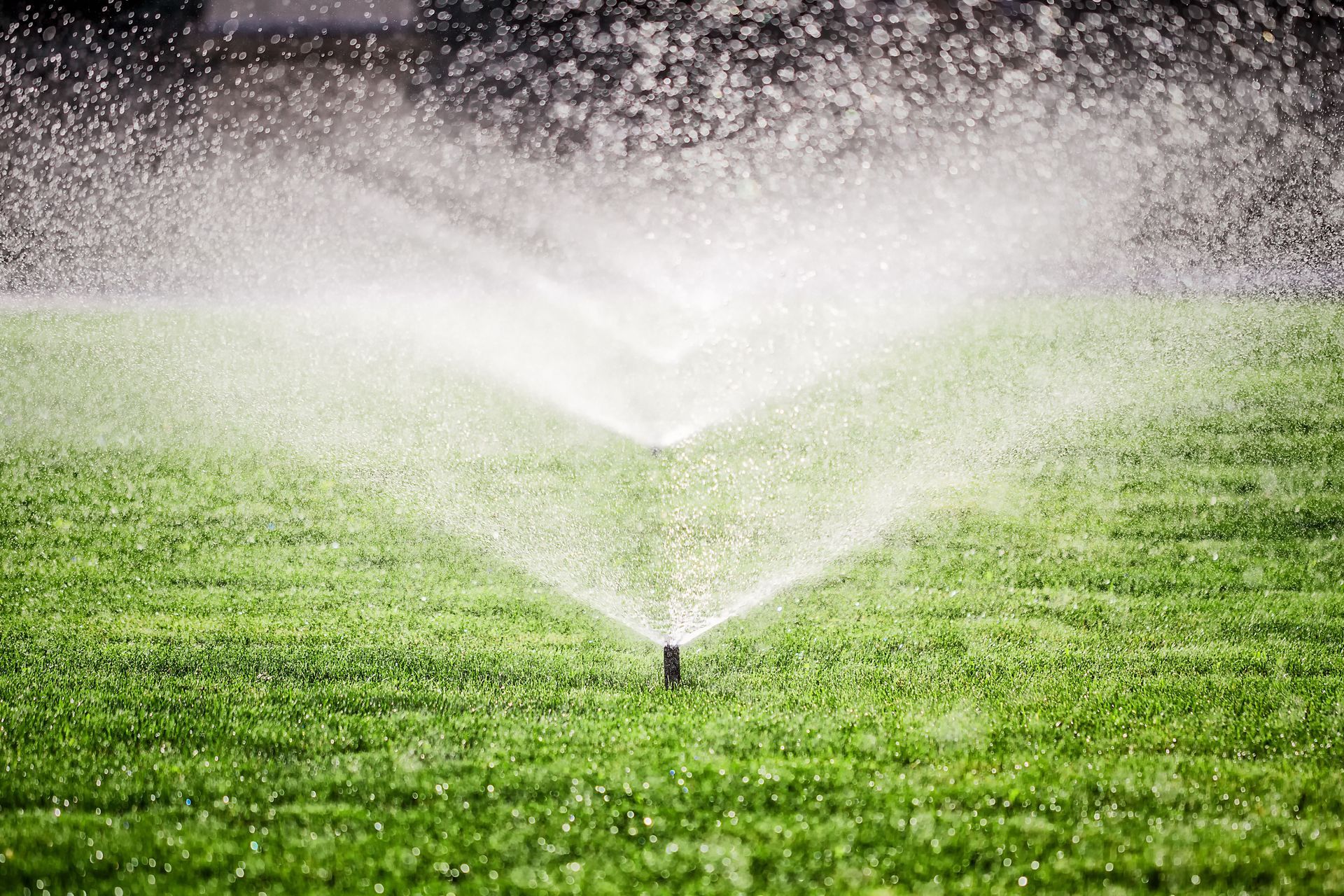
You don’t need a full irrigation system to water effectively. What you do need is to water the right way — because how and when you water matters more than most people realize.
Water deeply and infrequently — not a little every day. This is the single most important thing I tell people. Light daily watering keeps moisture at the surface, which encourages shallow roots. Shallow-rooted grass dries out immediately when you miss a day and has no reserves to draw on during a dry stretch. Deep, infrequent watering — enough to soak 4 to 6 inches into the soil — pushes roots deeper where moisture is more stable. A lawn with deep roots handles drought dramatically better than one that’s been lightly watered every day.
In practical terms: rather than running a hose for 10 minutes every evening, water for 45 to 60 minutes two or three times a week. Move your oscillating sprinkler around the lawn systematically rather than leaving it in one spot. Let the water soak in before moving to the next section.
Water in the morning. Early morning — before 9am — is the best time to water. The lawn gets moisture before the heat of the day kicks in, which means less evaporation and more water actually reaching the soil. Evening watering leaves the grass wet overnight, which encourages fungal disease — something Sudbury lawns can be prone to in warm, humid stretches.
Use a timer. A basic hose timer from a hardware store costs $20 to $40 and takes the guesswork and the effort out of watering. Set it up before you go to bed, it runs in the morning, and you don’t have to think about it. For people who travel or work long hours, this is a practical alternative to a full sprinkler system for managing a dry stretch.
Pay attention to the dryest spots first. Slopes and elevated areas dry out faster than flat ground. Areas near pavement or structures absorb more heat. South-facing sections get more sun. These spots need more attention than the rest of the lawn during a dry July. If you’re moving a hose around, start with those areas.
What to Do With Your Mowing During a Dry Stretch

How you handle grass cutting during a dry July has a bigger impact on your lawn’s survival than most people expect. A few specific things to keep in mind:
Raise your cut height. During a drought or heat stress period, cut your grass at 3 to 3.5 inches — higher than your normal setting. Taller grass shades the soil surface, which reduces soil temperature and slows moisture evaporation. It also means the grass plant has more leaf area to conduct photosynthesis, which helps it manage stress. Cutting short in July is one of the fastest ways to push a stressed lawn past the point of recovery.
Don’t mow stressed, dry grass. If the lawn has gone into dormancy and hasn’t been watered, mowing it adds stress to an already stressed plant. During a dry stretch where you’re not actively watering, it’s okay to skip a mow or two. The grass isn’t growing much anyway and the extra stress of mowing isn’t worth it.
Make sure your blade is sharp. A dull blade tears grass rather than cutting it cleanly. Torn grass tips desiccate faster and brown more at the ends, which looks worse and puts additional stress on a lawn that’s already working hard to manage heat. Sharpen before summer if you haven’t already.
Leave clippings on the lawn. During a dry stretch, grass clippings left on the surface act as a light mulch — they shade the soil slightly and return some moisture and nutrients as they break down. Don’t bag your clippings in July unless the grass is so long the clippings are heavy and clumping.
What Actually Helps Long-Term — Before the Dry Stretch Hits
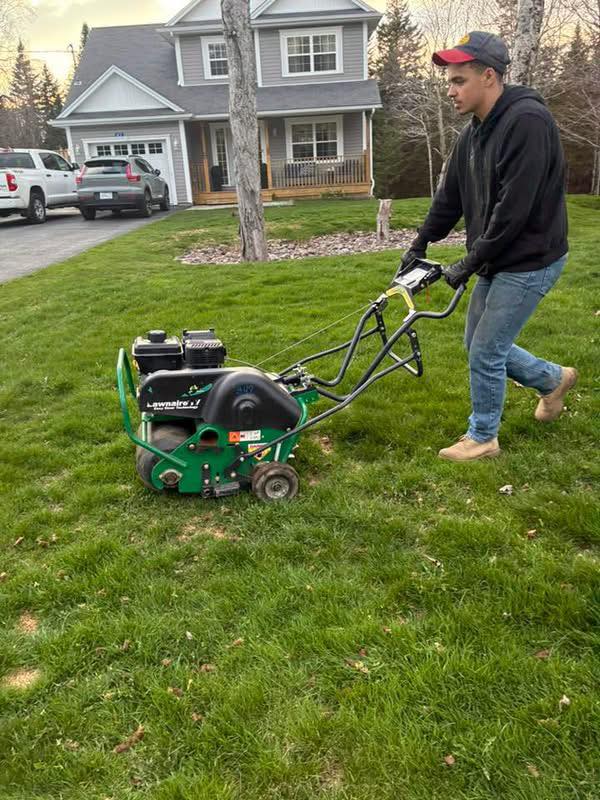
The best time to prepare your lawn for a dry July is spring — not mid-July when the heat has already set in. If your lawn struggles every summer, here’s what actually makes it more drought-resilient going forward.
Core aeration in spring. Core aeration breaks up compaction and opens the soil up so water can penetrate deeply rather than running off the surface. A lawn on compacted soil can’t develop deep roots no matter how much you water it. Aerate in spring, the roots go deeper through summer, and the lawn handles July heat dramatically better than it would otherwise.
Don’t overwater in spring and early summer. This sounds counterintuitive, but lawns that get lightly watered every day in May and June develop shallow root systems because the roots don’t need to go deep to find moisture. Those lawns are the ones that brown out fastest in July. Water deeply and infrequently from the start of the season, and you’re training the roots to go deep — which is exactly where they need to be when things dry out.
Accept that some dormancy is normal. Sudbury lawns go partially dormant in hot, dry summers. That’s not a failure — it’s the grass doing exactly what it’s supposed to do. A lawn that goes a bit brown in July and comes back green in August after rain is a healthy, resilient lawn. Chasing perfect green through a heat wave with daily watering and heavy fertilizer is actually more stressful for the grass, not less.
If your lawn has struggled through the last couple of summers and you want to set it up properly for next year, reach out in spring. That’s when the work that actually matters gets done.
— Ryan Lingenfelter
Cutting Edge Lawn & Landscaping, Garson, Ontario
📞 705-507-6787
Looking after your Sudbury lawn this season? We offer core aeration, grass cutting, and full lawn maintenance across all of Greater Sudbury — Garson, Hanmer, Val Caron, Lively, Chelmsford, Azilda, Capreol, and Sudbury proper. Free quotes, no pressure.
Get a Free Quote |
Call 705-507-6787
