
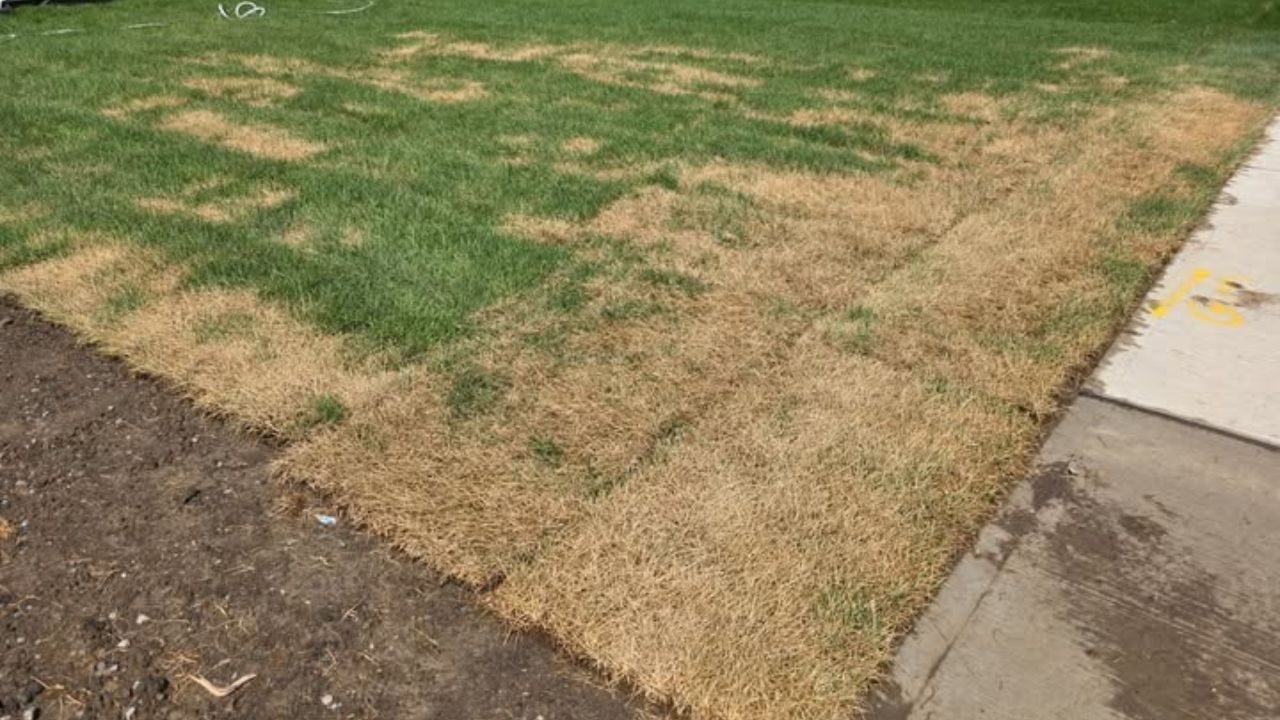
A homeowner in Chelmsford sent me a photo last week of a rough patch near his back fence — maybe four feet across, brown and thin, sitting in an otherwise decent lawn. His question was simple. “Can you just patch this, or do I need to redo the whole section?”
It’s one of the most common questions I get, and the honest answer is that it depends on something most homeowners don’t think to check before they ask. The size of the damaged area matters less than what’s actually causing it. I’ve patched four-foot sections successfully and I’ve told other homeowners with a two-foot patch that patching would be a waste of their money. The deciding factor isn’t how it looks. It’s why it’s there.
I’m Ryan Lingenfelter, owner of Cutting Edge Lawn & Landscaping in Garson, Ontario. Since 2020, I’ve repaired and replaced sod sections across Greater Sudbury — Garson, Val Caron, Hanmer, Lively, Chelmsford, Azilda, Capreol. Here’s exactly how I make the patch-or-replace call, and how you can make a reasonably accurate version of that same call yourself before you spend money on either.
The First Question — Is the Cause Still Active?
Before size, before condition, before anything else, this is the question that actually determines whether a patch will hold. If the underlying cause of the damage is still happening, patching is throwing new sod at the same problem that killed the old grass, and it will fail again on roughly the same timeline.
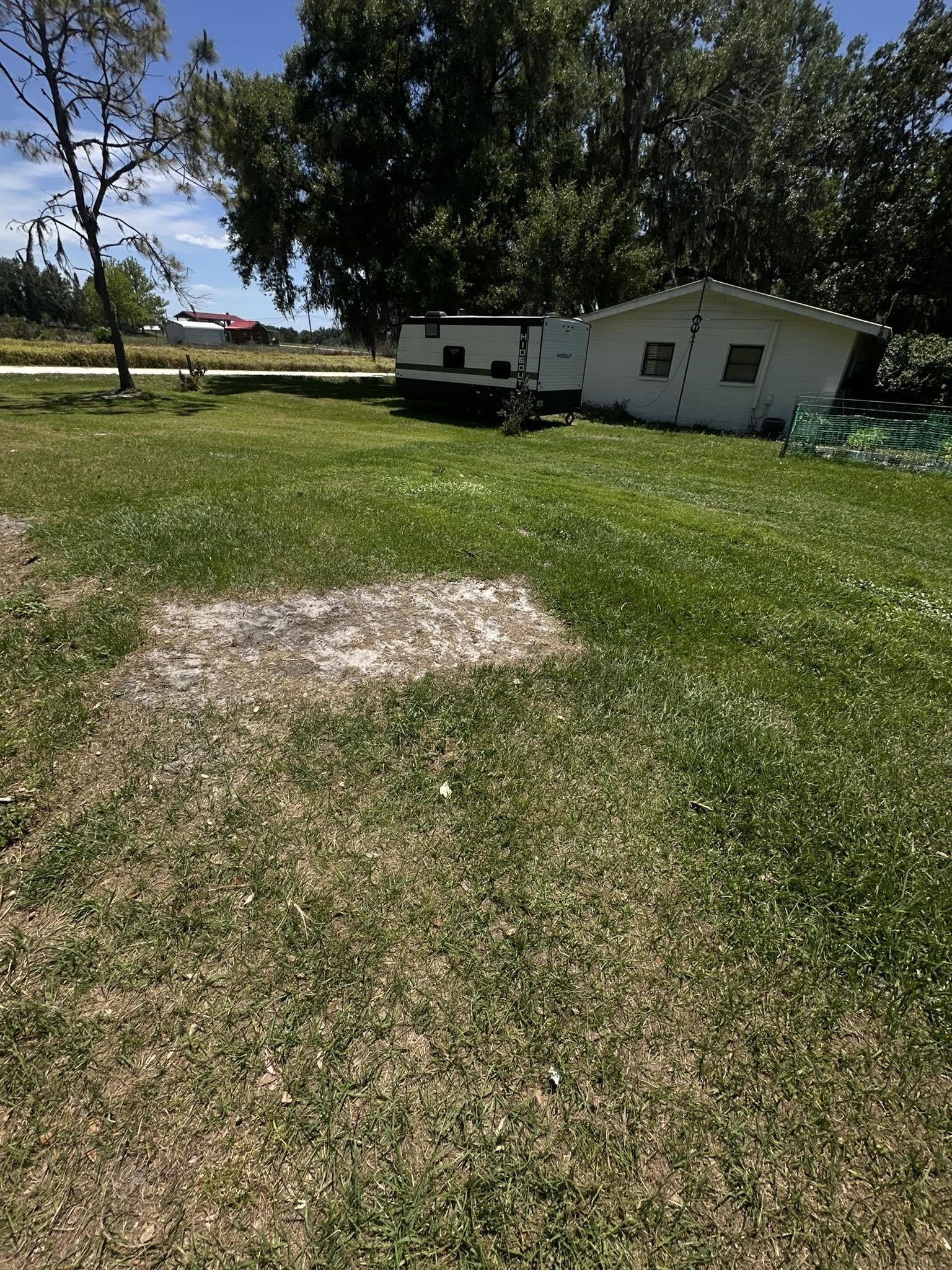
A patch over an active grub infestation gets eaten the same way the original grass did. A patch over a drainage problem that’s still pooling water drowns the same way. A patch laid onto soil that’s still severely compacted struggles to root for the same reason the previous grass thinned out in the first place. In every one of these cases, the section looks fixed for a few weeks and then fails again, and the homeowner ends up paying for the same repair twice.
The fix is addressing the cause first, then patching. If it’s grubs, treat the grub population before any new sod goes in — I covered exactly what that looks like in the lawn grubs article here. If it’s drainage, regrade the low spot before reseeding or sodding over it. If it’s compaction, aerate the specific section — more aggressively than a standard pass if needed — before patching. Once the cause is actually resolved, a patch has a real chance of holding rather than just buying you a few more weeks before the same problem resurfaces.
Size and Shape — When a Patch Genuinely Makes Sense
Once you know the cause is resolved or was a one-time event — a dead patch from a spilled chemical, an isolated dog spot, a section killed by a temporary object sitting on the lawn too long — size and shape become the practical question.
A small, roughly circular or irregular patch under about 4 to 6 square feet is almost always a clean patch job. You can excavate just that section, bring in fresh soil if the existing soil is reasonable, and lay a small piece of sod cut to fit. The key technical detail that makes a small patch look professional rather than obvious is matching the grade — excavating slightly deeper than the surrounding lawn to account for the thickness of the new sod, so the patched piece sits level with everything around it rather than creating a visible bump.
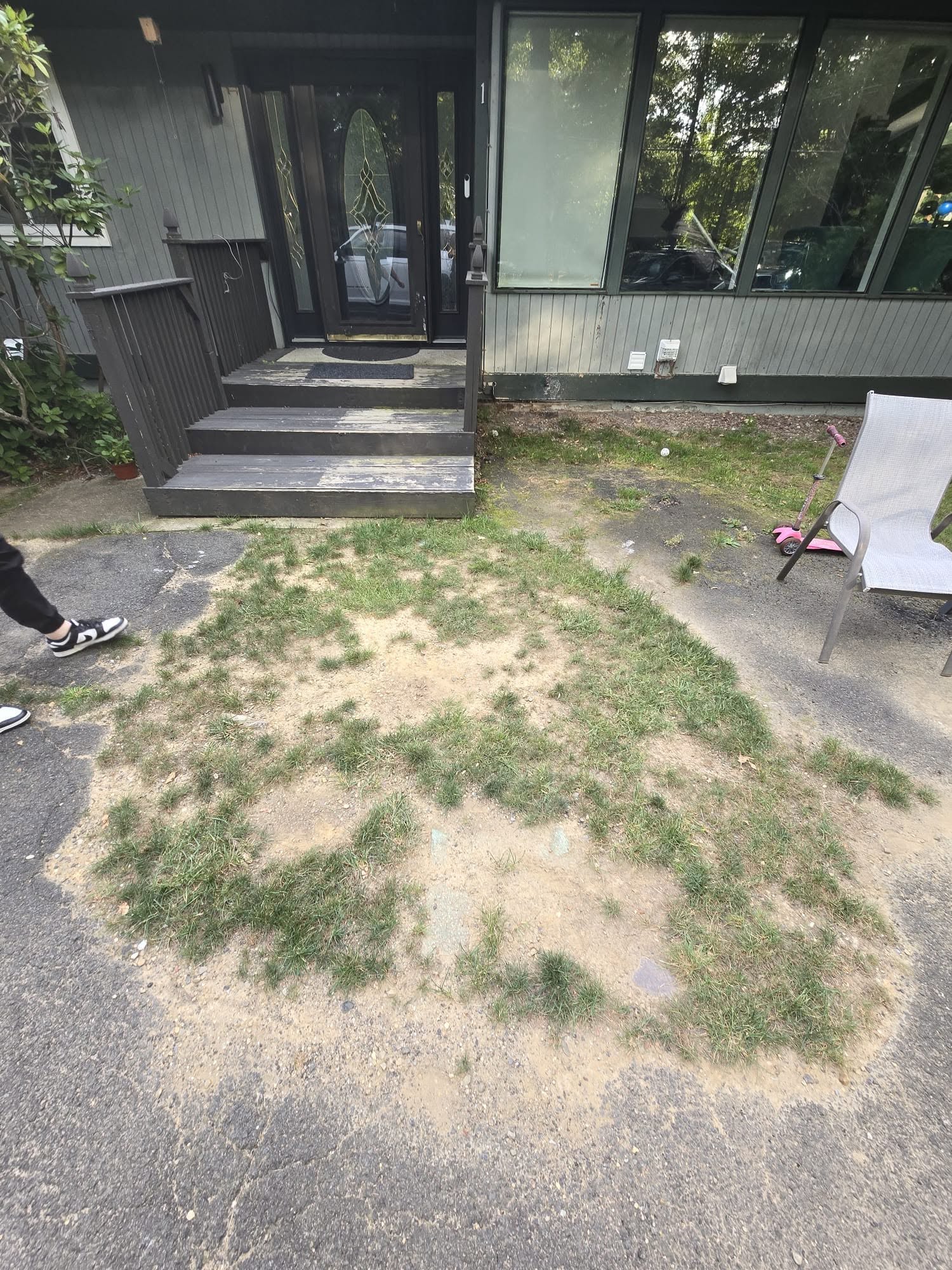
Where patching gets harder is on irregular, sprawling damage — a section that’s thinned out unevenly with healthy grass interspersed among dead patches rather than one clean dead zone. Patching individual small spots across an area like that takes longer and produces a patchier-looking result than just stripping the whole zone and starting fresh. If you’re looking at more patch-work than lawn in a given area, that’s usually a sign the section should be treated as one job rather than several small ones.
For a small isolated patch on a Sudbury property — under roughly 10 square feet — material and labour typically runs $80 to $150, depending on soil condition and whether topsoil amendment is needed underneath.
The 50 Percent Rule — Why It Applies to Sections, Not Just Whole Lawns
I’ve written before about the 50 percent threshold for deciding sod versus seed on a whole lawn, and the same logic applies at the section level when you’re deciding patch versus full replacement.
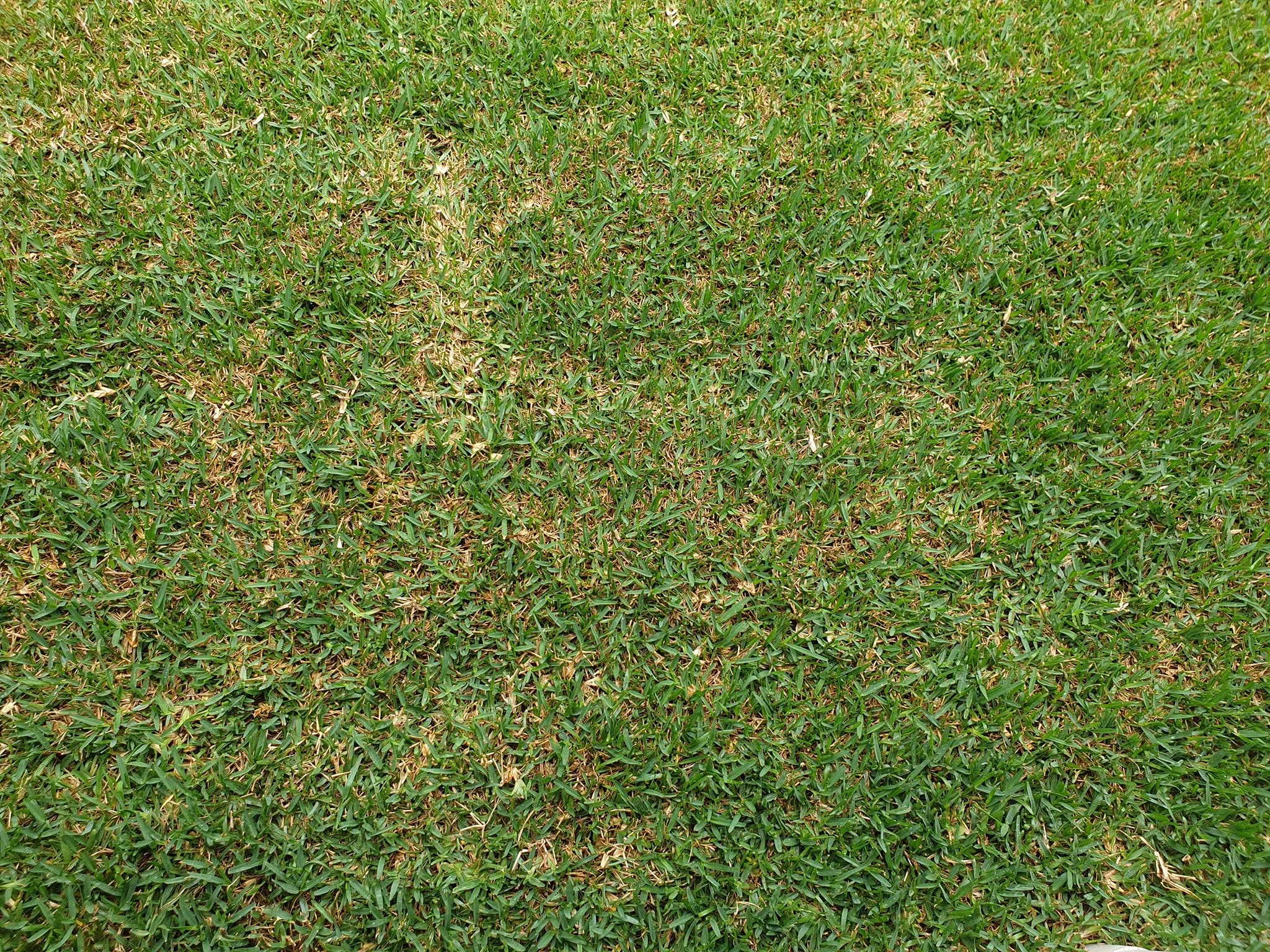
If the damaged area still has more than half live, reasonably healthy grass mixed in with the dead or thin parts, a patch — or in some cases just aeration and overseeding of that specific zone — usually does the job. The existing healthy grass gives the new growth something to blend into, and the repair reads as a thickened section rather than an obviously different patch.
If the section is more than half dead or bare, a partial patch tends to look like exactly what it is — new sod sitting next to struggling old grass, with an obvious colour and texture difference at the boundary. At that point, full replacement of the entire section — stripping it down, prepping the soil properly, and laying continuous new sod across the whole area rather than patching pieces within it — produces a more uniform result and, in a lot of cases, actually costs less than the cumulative cost of multiple smaller patch attempts that don’t quite match.
I worked on a property in Garson where the homeowner had patched the same general area three separate times over two seasons, each patch slightly different in colour and texture from the last attempt, plus the surrounding original grass. By the time I got there, the most cost-effective fix was stripping the entire zone and replacing it as one continuous section — which is what should have happened on the first visit, before three rounds of partial patching had been paid for.
When Replacement Is the Right Call Even on a Small Area
Size isn’t the only factor that pushes toward full section replacement. A few specific situations call for replacing rather than patching even when the damaged area itself is fairly small.
Grass variety mismatch. If you don’t know what sod or seed blend was originally used, or significant time has passed since the original installation, a small patch using a different grass variety will be visibly different in colour and texture even after it fully establishes. If matching the original isn’t possible and the visual difference matters to you, replacing a slightly larger section with a single consistent variety often looks better than a technically smaller but mismatched patch.
Repeated failure in the same spot. If you’ve patched the same location more than once and it keeps failing, something about that specific spot is the actual problem — shallow soil over rock, a persistent shade and root competition issue from a nearby tree, or a drainage condition that hasn’t been fully corrected. At that point, the smart move is addressing the underlying site condition properly rather than patching a fourth time, even if the area itself is small.
Damage along a visible edge or focal point. A patch in the middle of a large backyard that nobody really looks at closely is far more forgiving than a patch right along a front walkway or in clear view from the street. For high-visibility areas, I’ll often recommend the slightly larger but cleaner full-section replacement over a technically adequate but visually imperfect patch, simply because the area gets looked at constantly.
How to Make This Decision on Your Own Lawn
Walk to the damaged area and ask yourself three questions in order.
First — is whatever caused this still happening? If you’re not sure, the pull test tells you a lot: grass that lifts easily with no root resistance suggests grubs or very recent death; grass that’s discoloured but still rooted suggests a chemical, drought, or shade issue rather than an active ongoing cause. If the cause is still active, address that before deciding anything about patch versus replace.
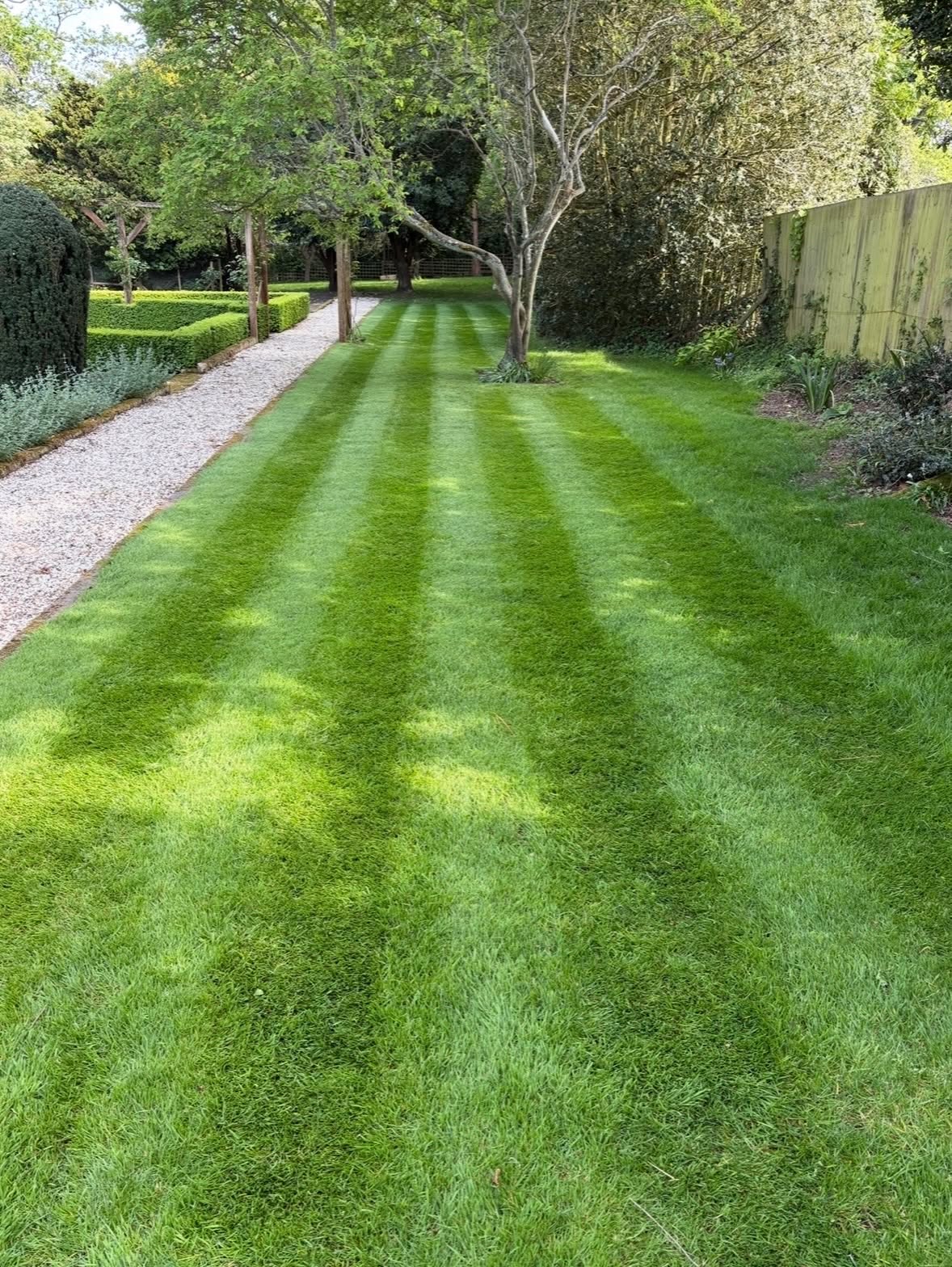
Second — what percentage of the specific damaged zone is still live, healthy grass versus dead or bare? More than half alive generally points toward a patch or targeted overseed. Less than half alive points toward full section replacement.
Third — has this exact spot failed before? A first-time isolated patch is usually a reasonable bet. A spot that’s failed repeatedly despite previous attempts is telling you something structural is going on that a patch won’t fix, regardless of how small the visible area is.
For the actual installation technique once you’ve made the call, the principles are the same whether you’re patching four square feet or replacing forty — proper grade matching, addressing the soil underneath, and matching grass variety as closely as possible. The 30-day sod establishment guide here covers what to expect as a patch or a full replacement settles in and roots over the following month.
If you’ve got a damaged section and you’re not sure which way to go, send me a photo or give me a call — I’ll tell you honestly whether it’s a patch job or worth doing properly as a full replacement, based on what’s actually causing it rather than just how big it looks.
📞 705-507-6787
🔗 Get a Free Quote
📍 Serving Greater Sudbury — Garson, Val Caron, Hanmer, Lively, Chelmsford, Azilda, Capreol
— Ryan
Frequently Asked Questions
How do I know if I should patch or replace a damaged section of sod in Sudbury?
Start by confirming whether the underlying cause of the damage is still active — grubs, drainage, or compaction need to be addressed before any patch will hold. If the cause has been resolved, check what percentage of the specific area is still live grass: more than 50 percent live points toward a patch, less than 50 percent points toward full section replacement. A spot that’s failed repeatedly despite previous patch attempts usually has a structural issue that needs proper correction rather than another patch.
How much does it cost to patch a small section of lawn in Sudbury?
For an isolated patch under roughly 10 square feet, material and labour typically runs $80 to $150 in Greater Sudbury, depending on soil condition and whether topsoil amendment is needed before laying the new sod. Larger or more irregular damaged areas, or situations requiring soil correction first, cost more accordingly. Full section replacement on a larger damaged zone is priced based on square footage similarly to standard sod installation.
Why does my lawn patch keep dying in the same spot in Sudbury?
Repeated failure in the same location almost always means the underlying cause was never actually fixed. Common culprits include an unresolved drainage issue that keeps drowning new roots, severe soil compaction that wasn’t addressed before reseeding, shallow soil over Canadian Shield bedrock limiting root depth, or shade and root competition from a nearby tree. Patching repeatedly without correcting the actual site condition produces the same result every time. Addressing the specific cause before the next patch attempt is the only way to break the cycle.
Will a sod patch match the rest of my lawn in Sudbury?
It depends on grass variety and timing. If you can match the sod variety to what’s already established, and the surrounding grass has a healthy base for the patch to blend into, the repair typically becomes visually seamless within one growing season. If the grass variety is unknown or doesn’t match, or the surrounding area is also struggling, the patch can remain visibly different in colour or texture even after it establishes. In those cases, treating the area as a full section replacement rather than a small patch usually produces a more uniform result.
Is it cheaper to patch sod or replace the whole section in Sudbury?
For genuinely small, isolated, one-time damage, patching is cheaper upfront. But repeated patching of the same area — which happens when the underlying cause wasn’t addressed or the damage was actually more extensive than it first appeared — often costs more in total than doing a full section replacement correctly the first time. If a damaged zone is more than half dead or has failed a previous patch attempt, full replacement is usually both the more cost-effective and the more visually consistent choice.
Ryan Lingenfelter is the owner of Cutting Edge Lawn & Landscaping in Garson, Ontario. Since 2020, his crew has provided full lawn care services across Greater Sudbury — Garson, Val Caron, Hanmer, Lively, Chelmsford, Azilda, and Capreol. Cutting Edge is licensed, insured, BBB A+ rated, and ThreeBest Rated for lawn care services in Sudbury.
📞 Phone: 705-507-6787
📍 Service Area: Greater Sudbury, Ontario
🔗 Free Quote: cuttingedgelawn.ca/quote
Helpful Lawn Care Services in Sudbury
- Sod Installation in Sudbury
- Core Aeration for Healthy Lawns
- Grass Cutting Services
- Property Cleanup Services
- Mulch & Decorative Stone
- Hedge Trimming Services
Continue Reading
- Sod vs Seed in Sudbury — Which One Is Right for Your Lawn?
- Lawn Grubs in Sudbury — How to Spot Them Before They Kill Your Lawn
- What a Sudbury Lawn Looks Like 30 Days After Sod Installation
