
Most homeowners put a lot of thought into their first cut of the spring. They watch the lawn coming back, they wait for the right moment, they get the mower tuned up.
The last cut of the season gets almost no attention at all.
Someone calls it done sometime in October, parks the mower in the garage, and doesn’t think about it again until May. The height it was cut at, the timing, the condition it went into winter — none of that gets considered.
I’m Ryan Lingenfelter, owner of Cutting Edge Lawn & Landscaping in Garson, Ontario. Since 2020, I’ve maintained properties across Greater Sudbury — Garson, Val Caron, Hanmer, Lively, Chelmsford, Azilda, Capreol. And every spring, I walk properties and I can tell immediately which ones had a proper last cut and which ones didn’t.
The difference is real. And it starts showing up in April before you’ve done a single thing to the lawn that season.
Let me walk you through exactly when to do the last cut in Sudbury, what height to cut it at, and why both of those things matter more than most people realize.
Why the Last Cut of the Season Actually Matters
Before we get into timing, I want to explain what’s actually at stake — because once you understand what happens to your lawn over a Sudbury winter, the last cut stops feeling like a chore and starts feeling like maintenance that matters.
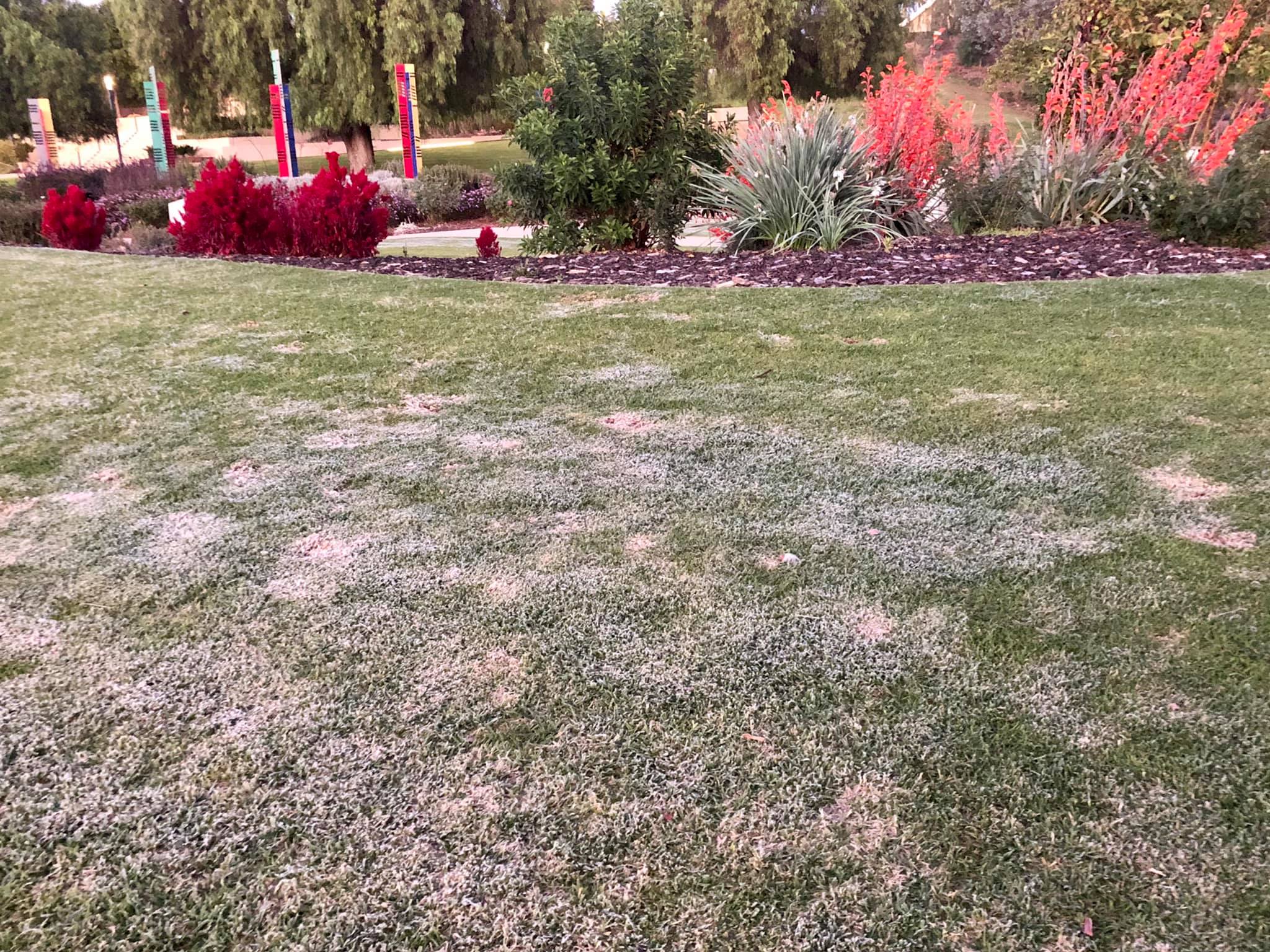
Snow mould is the main issue. Snow mould is a fungal disease that develops under the snowpack during winter. It thrives in one specific condition: long grass that gets matted down under the snow, creating a damp, airless environment where the fungus spreads.
If your lawn goes into winter too long — and in Sudbury, “too long” means anything over about 2.5 to 3 inches — the grass blades mat together under the snow and snow mould spreads through that matted layer. Come April when the snow pulls back, you’ll see grey or pink circular patches on the lawn where the fungus has killed the grass. Those patches need time to recover, sometimes significant reseeding, and they set the whole season back.
A lawn that goes into winter at the right height has good air circulation under the snow, the blades don’t mat down the same way, and snow mould doesn’t find the same conditions to spread. You pull back the snow in April and the lawn underneath is dormant but intact.
Vole tunnels are the second issue. Voles — small rodents common across Greater Sudbury — create runways through long grass under the snow. If your lawn is long going into winter, voles will use it as cover and by spring you’ll have visible tunnel lines running across the lawn where they’ve been active all winter. Short grass gives them less cover and less reason to set up in your yard.
Matting and thatch buildup. Long grass that gets compressed under months of Sudbury snowpack mats into the thatch layer. This matted grass doesn’t break down properly through the winter and creates a barrier in spring that slows new growth and makes the first cut harder than it needs to be.
None of these things are catastrophic on their own. But they all compound. A lawn that goes into winter properly cut comes back faster, looks better earlier in spring, and needs less intervention to recover. That’s worth a proper final cut.
When to Do the Last Cut in Sudbury — The Exact Timing
Here’s the question everyone wants answered, and I’ll give you a straight answer.
Target window: mid to late October in Greater Sudbury.
More specifically, you’re watching for two things:
Grass growth has slowed to almost nothing. Cool-season grasses — which is what most Sudbury lawns are — slow their growth significantly once soil temperatures drop below about 10 degrees Celsius. In Greater Sudbury, that typically happens in mid-October. At that point, the grass is still green but barely growing. That’s your window. Cut it at the right height and it won’t grow back significantly before the ground freezes.
Before the first hard frost settles in. A light frost here and there through October is fine — cool-season grass handles that without a problem. What you want to avoid is cutting after the ground has started to freeze and the grass is going fully dormant. Cutting frozen or near-frozen grass damages the cell structure of the blades. The cut ends die back rather than healing cleanly, and the lawn starts winter already stressed.
In practical terms for Greater Sudbury: watch the forecast in mid-October. When you see consistent overnight lows hitting -5 or below and the grass has basically stopped growing — that’s your last cut window. Get it done in the next available dry day.
Most years in Sudbury, that puts the last cut somewhere between October 10th and October 25th. Some years it’s earlier if fall comes fast. Some years you can push into early November if it stays mild. The grass and the forecast tell you when, not the calendar.
What Height to Cut the Last Cut
This is where most homeowners get it wrong — and it’s the most important part of this whole article.
All season long, I tell homeowners: keep your mower at 3 inches. Don’t scalp the lawn. Taller grass means deeper roots, better drought resistance, and a healthier plant overall.
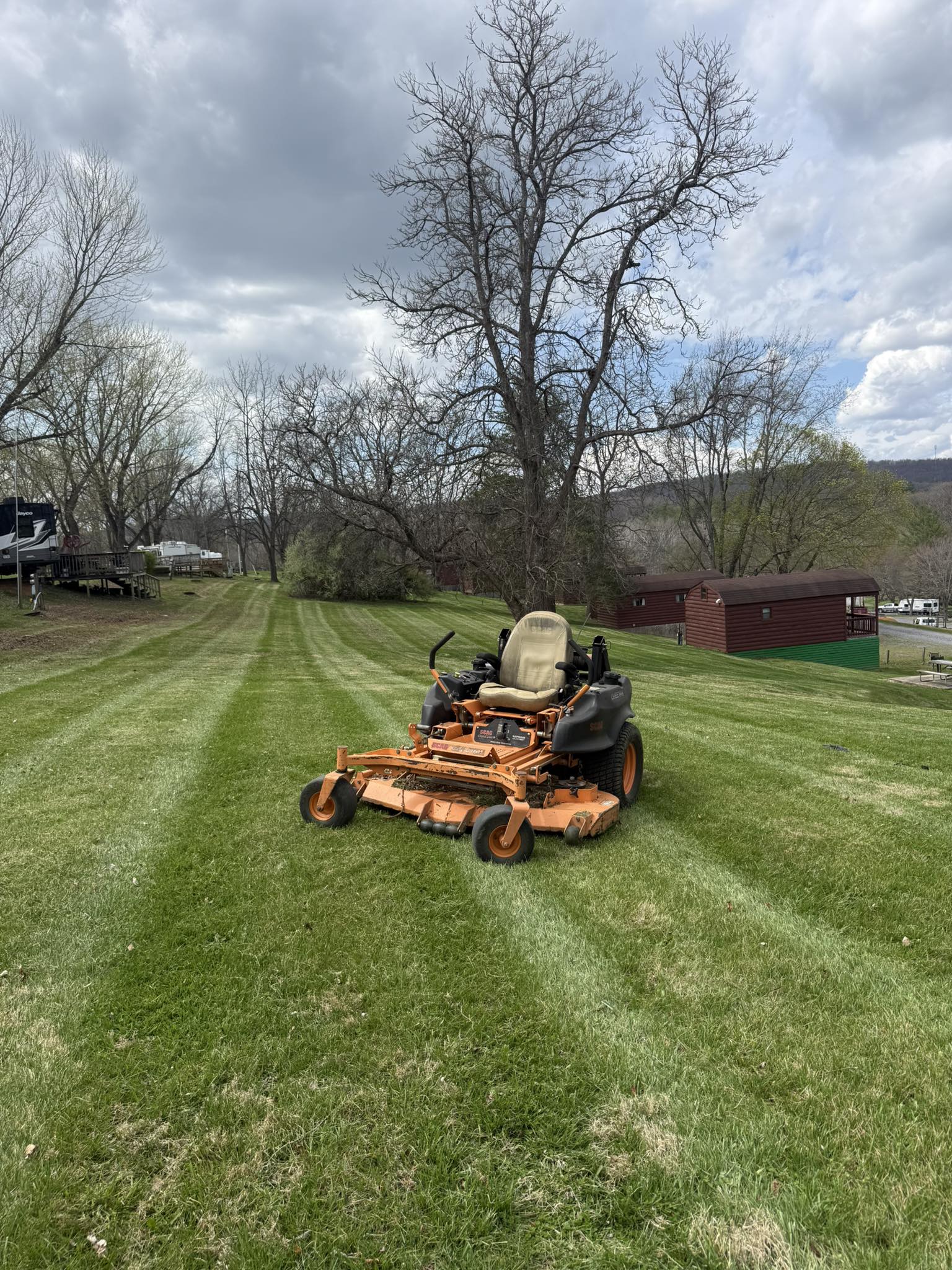
The last cut of the season is the one exception to that rule.
Final cut height: 2 to 2.5 inches.
You’re bringing the lawn down slightly from its summer maintenance height. Not scalping it — never scalp a lawn, including the last cut. But cutting it shorter than you would through the season.
Here’s why. That 2 to 2.5 inch height is short enough that the grass blades don’t mat down under the snow and create the conditions snow mould needs. But it’s long enough that the crown of the grass plant — the growing point at the base of each blade — is still protected from direct cold exposure and physical damage from ice.
Cutting shorter than 2 inches on the last cut is a mistake. You’re exposing the crown. In a hard Sudbury winter with freeze-thaw cycles and ice formation, exposed crowns get damaged and the grass comes back thin and patchy in spring. You’ve protected the lawn from snow mould and created a different problem.
2 to 2.5 inches. That’s the number. Drop the deck one notch from your summer setting and leave it there for the final cut.
What to Do Before and After the Last Cut
The last cut doesn’t happen in isolation. There are a couple of things worth doing around it that make a meaningful difference in how the lawn comes through winter.
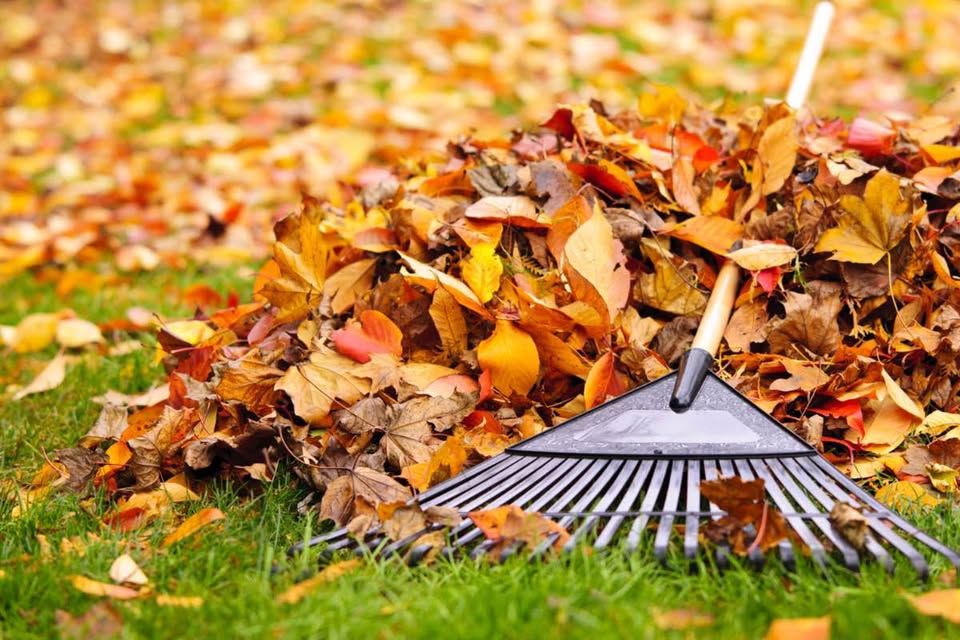
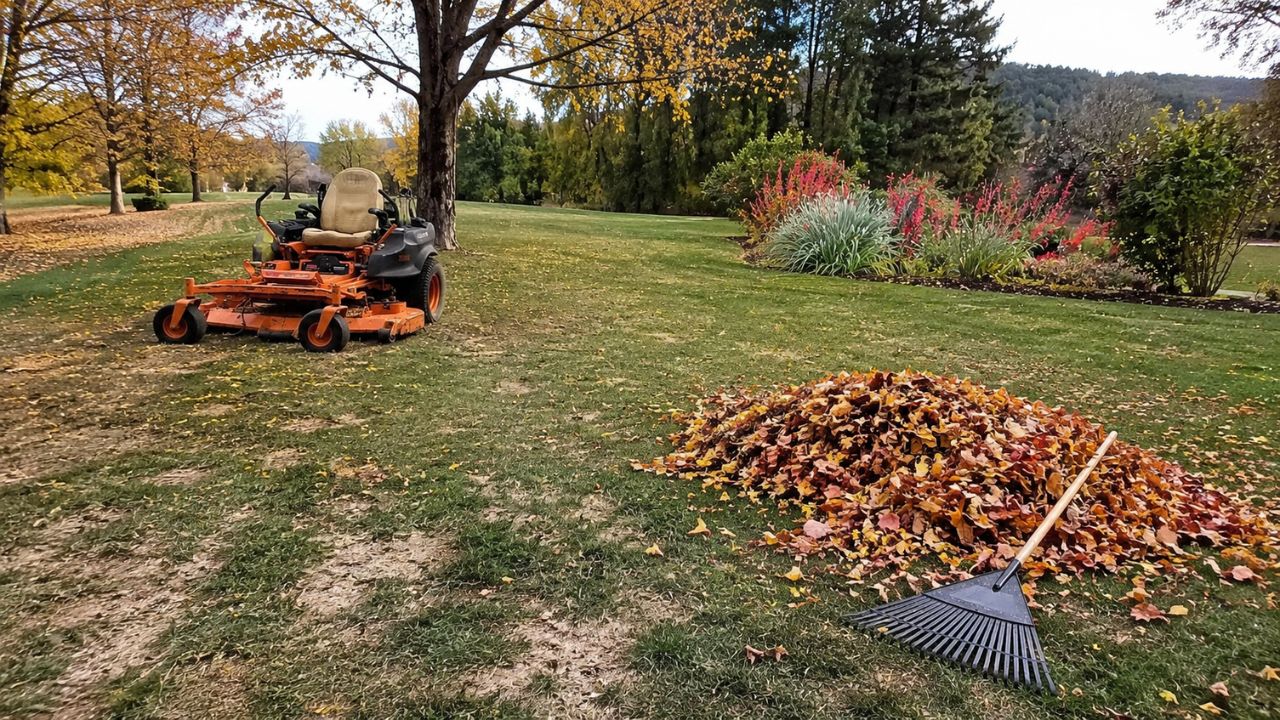
Before the last cut — leaf cleanup. If your property has tree coverage, do a thorough leaf cleanup before or right after the final mow. Leaves left on the lawn over winter create the same matting conditions as long grass — damp, airless, perfect for fungal activity. A fall property cleanup that clears the leaves before the snow comes is one of the best investments you can make in your lawn’s winter health.
Don’t just mow over the leaves and hope the mower mulches them away. A light leaf cover, sure. A full layer of maple leaves matted on the grass all winter — that’s a problem in April.
After the last cut — leave it alone. Once you’ve done the final cut at the right height, leave the lawn alone until spring. Don’t walk on it repeatedly once the ground starts freezing — frozen grass blades are brittle and break rather than bend, and heavy foot traffic on a frozen lawn creates dead patches. Don’t put anything heavy on it for extended periods. Just let it go dormant and do its thing through winter.
One thing worth doing in October — deep watering. If October has been dry, a deep watering before the ground freezes helps the grass go into winter with adequate moisture in the root zone. Roots continue slow activity even under dormancy and a lawn that goes into winter drought-stressed comes back slower in spring. One good long watering in early to mid-October on a dry year is worth doing.
The Mistake That Costs Sudbury Homeowners Every Spring
I want to specifically talk about one thing I see every year that I wish I could prevent.
Some homeowners do a late October or early November cut trying to “tidy up” the lawn before winter, and they drop the deck to the lowest setting. The thinking is that shorter is better going into winter — less to deal with, cleaner looking.
It’s the opposite of what the lawn needs.
Scalping a lawn in late fall — cutting it to an inch or less — removes almost all of the blade above the crown. The crown is now directly exposed to whatever winter throws at it. Ice formation, temperature swings, physical damage from foot traffic and snow clearing equipment. The lawn goes into its most vulnerable period with almost no protection.
Come April, those lawns have thin, patchy sections that take most of the season to recover. Sometimes they need overseeding. Sometimes the damage is severe enough that sections need to be resodded.
The right final cut height protects the crown while keeping the blades short enough to avoid snow mould. 2 to 2.5 inches does both jobs at once. That’s why the number matters.
What a Proper Last Cut Looks Like in Spring
Let me tell you what you’re working toward, because it’s genuinely motivating once you see it.
A lawn that went into winter at 2 to 2.5 inches, with leaves cleared, properly watered — in April when the snow pulls back, it’s dormant but intact. The colour is straw-brown from dormancy, which is normal. But the surface is even. There’s no significant matting. No grey snow mould patches. The vole tunnels, if any, are minimal.
By mid-May after the first cut and some warmth, that lawn is filling back in evenly. The first cut of the season is straightforward — not a battle to get through matted dead material.
Compare that to a lawn that went into winter too long, with leaves on it, cut at the wrong height. In April there are snow mould patches, matted areas, possibly vole tunnels running across it. The first few cuts are trying to manage all of that damage on top of getting the lawn growing again. It sets the whole season back by weeks.
One proper final cut in October is genuinely one of the highest-value things you can do for a Sudbury lawn. It takes an hour. It pays off every spring.
If You Want Us to Handle the Final Cut
If you’re on our regular grass cutting schedule, we handle the final cut timing as part of the service — we watch the season and make sure the last visit of the year happens at the right time and the right height. You don’t have to think about it.
If you’ve been cutting your own lawn through the season and want us to do the final cut and a fall cleanup to close the season out properly, we can do that too. Call me at 705-507-6787 or fill out the free quote form here and I’ll get back to you with a number.
We cover all of Greater Sudbury — Garson, Val Caron, Hanmer, Lively, Chelmsford, Azilda, Capreol, and Sudbury proper. Fall books up faster than most people expect, so if you’re thinking about it, sooner is better.
— Ryan
📞 705-507-6787
🔗 Get a Free Quote
📍 Serving Greater Sudbury, Ontario
Frequently Asked Questions
When should I do the last grass cut of the year in Sudbury?
Mid to late October is the target window for most Greater Sudbury properties — specifically after grass growth has slowed significantly but before the ground starts freezing hard. Watch for consistent overnight lows around -5 Celsius and grass that has basically stopped growing. Most years in Sudbury that puts the last cut between October 10th and 25th, though it varies by season.
What height should I cut the grass for the last cut of the year in Sudbury?
2 to 2.5 inches — slightly shorter than the 3-inch summer maintenance height. This height keeps the grass blades short enough to prevent matting and snow mould under the snowpack, while leaving enough blade above the crown to protect it from cold exposure and physical damage through winter. Never scalp the lawn on the last cut — cutting to 1 inch or less going into winter causes significant crown damage.
What is snow mould and how do I prevent it on my Sudbury lawn?
Snow mould is a fungal disease that develops under the snowpack, spreading through matted long grass in the damp, low-oxygen environment under snow. It shows up as grey or pink circular patches on the lawn in April when the snow melts. Prevention starts with the last cut — keeping the grass at 2 to 2.5 inches going into winter prevents the matting conditions snow mould needs. Clearing leaves before snowfall helps as well.
Should I cut my lawn in November in Sudbury?
Only if the growing season has been unusually mild and the grass is still actively growing in early November — which is rare in Greater Sudbury. Most years, the last meaningful cut happens in October. A November cut on already dormant or near-dormant grass does more harm than good, especially if the ground has started freezing. If you missed the October window and the grass is still long, a careful cut at 2.5 inches on a mild day is better than leaving it long all winter.
Do I need a fall property cleanup before the last cut in Sudbury?
Yes — especially if your property has tree coverage. Leaves left on the lawn over a Sudbury winter mat down under the snow and create the same conditions as long grass: damp, airless, perfect for fungal activity. Clear leaves before or right after the final mow. A thorough fall cleanup sets the lawn up for a clean, even recovery in spring.
Does Cutting Edge Lawn handle the final cut of the season for regular customers?
Yes. Customers on our regular grass cutting schedule have the final cut handled as part of the service — we manage the timing and the height as the season winds down. For homeowners who want a one-time fall cut and cleanup to close the season properly, call 705-507-6787 or fill out the free quote form and we’ll get you scheduled before the snow arrives.
Ryan Lingenfelter is the owner of Cutting Edge Lawn & Landscaping in Garson, Ontario. Since 2020, his crew has provided full lawn care services across Greater Sudbury — Garson, Val Caron, Hanmer, Lively, Chelmsford, Azilda, and Capreol. Cutting Edge is licensed, insured, BBB A+ rated, and ThreeBest Rated for lawn care services in Sudbury.
📞 Phone: 705-507-6787
📍 Service Area: Greater Sudbury, Ontario
🔗 Free Quote: cuttingedgelawn.ca/quote
Helpful Lawn Care Services in Sudbury
- Grass Cutting Services
- Property Cleanup Services
- Core Aeration for Healthy Lawns
- Sod Installation in Sudbury
- Hedge Trimming Services
- Mulch & Decorative Stone
Continue Reading
- The One Thing Sudbury Homeowners Do in May That Kills Their Lawn by July
- My Sudbury Lawn Has Brown Patches — Here’s Exactly What’s Causing It
- How Much Does a Spring Property Cleanup Cost in Sudbury?
