
By Ryan Lingenfelter · Cutting Edge Lawn & Landscaping, Garson, Ontario · June 2026
I was driving back from a job in Val Caron on a Wednesday afternoon last summer when I slowed down at a property on a residential street and almost kept going.
The lawn stopped me. Not because it was dramatically bad — it wasn’t the worst I’d seen that week. It stopped me because I could see from the street exactly what was wrong with it, and I knew the homeowner almost certainly didn’t. The problems were visible if you knew what to look for. Most homeowners don’t know what to look for.
I pulled over, knocked on the door, and introduced myself. I told her I ran a lawn care company in Garson, that I’d driven past her lawn, and that I’d noticed a few things — and asked if she’d mind if I told her what I saw. She looked at me like she wasn’t sure whether to be suspicious or relieved. She said go ahead.
What followed was about twenty minutes in her backyard. She wasn’t my customer. I wasn’t trying to sell her anything. I just told her what I saw and what I’d do about it.
Here’s the full story.
What made me stop
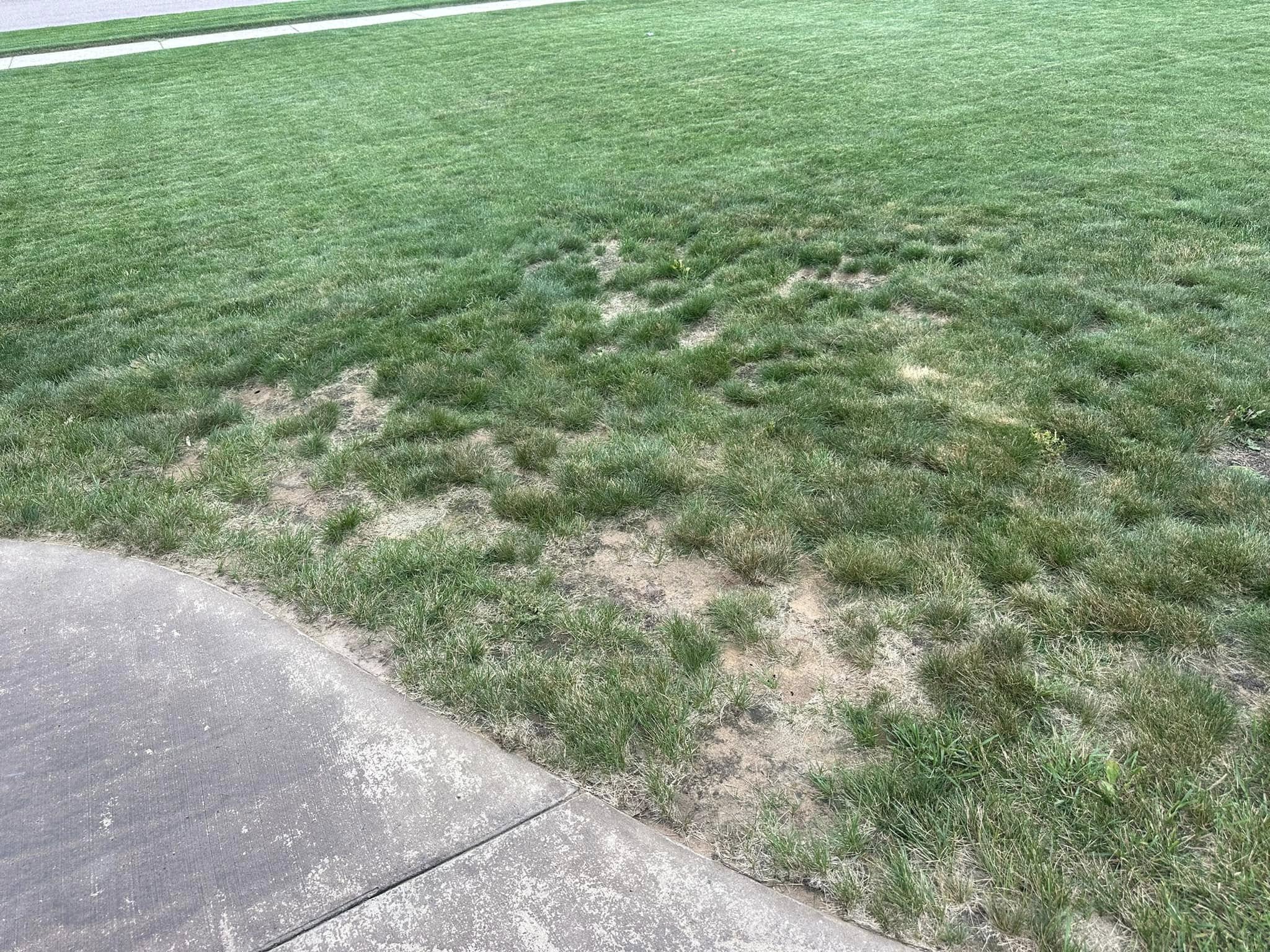
From the street, three things were visible that told me the lawn was being maintained incorrectly — not neglected, maintained incorrectly, which is a different problem.
The first was the colour. The lawn was a pale yellow-green rather than a healthy mid-green. That specific colour — not brown, not yellow, just dull and washed out — is almost always a cutting height problem. Grass cut too short loses its ability to photosynthesize efficiently. The blade surface is too small. The plant is spending its energy regrowing what keeps getting removed instead of producing the chlorophyll that gives it colour. From a car going 30 kilometres an hour I can usually spot this within a second.
The second was the edge quality. The edges along the driveway were ragged — the kind of soft, spreading edge that forms when a lawn hasn’t been properly edged in a full season. That told me whoever was cutting it — professional service or homeowner — wasn’t doing the detail work. And when detail work is being skipped, other things usually are too.
The third was a thin strip along the sunny side of the yard that was browner and sparser than the rest. That pattern — a defined strip of stress along a sun-facing section — is consistent with a shallow root system that can’t hold moisture through afternoon heat. Which is consistent with the cutting height problem I’d already identified.
Three things visible from the street. All of them pointing to the same underlying cause. That’s why I stopped.
What I found when I walked the property
Her name was Margaret. She’d been in the house for about three years. She had a lawn care company cutting it — had been using them since she moved in. She was reasonably happy with them but had noticed the lawn never looked as good as she thought it should. She’d mentioned it to them once and they’d told her the soil in this part of Sudbury was just not ideal for grass.
That answer bothered her because her neighbour’s lawn — same street, presumably similar soil — looked noticeably better. She hadn’t pushed back on the company because she didn’t know enough to argue.
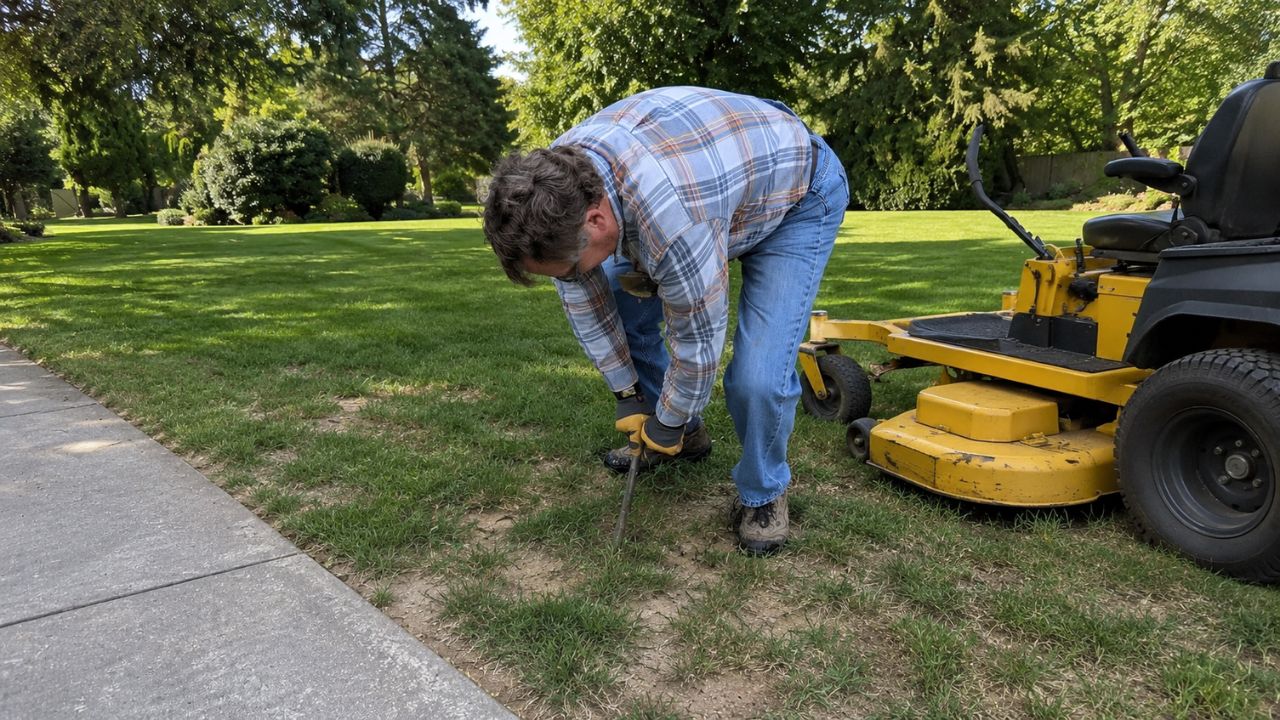
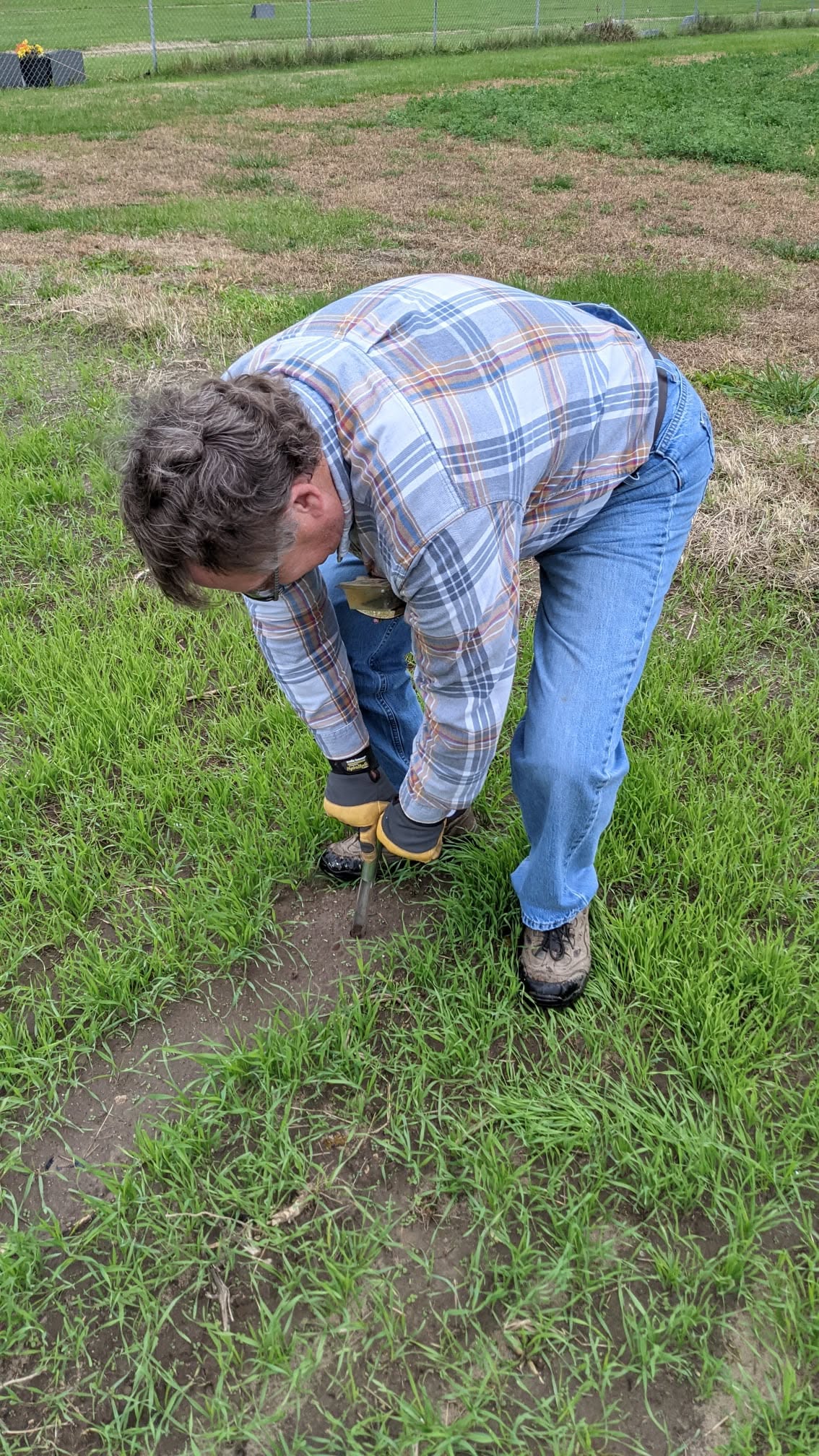
I walked the property and did the same assessment I do on every quote visit. Heel press into the soil in four spots — firm, compacted, hadn’t been aerated in at least two years based on what I was feeling. Fingers into the thatch — about three quarters of an inch, borderline but manageable. Root pull from the thin strip along the sunny side — roots at just over an inch deep. That confirmed what I’d suspected from the street.
Then I asked if I could see whoever’s mower was used on the property. She had her own mower in the garage — the lawn care company used it rather than their own equipment, which is not unusual for smaller operators.
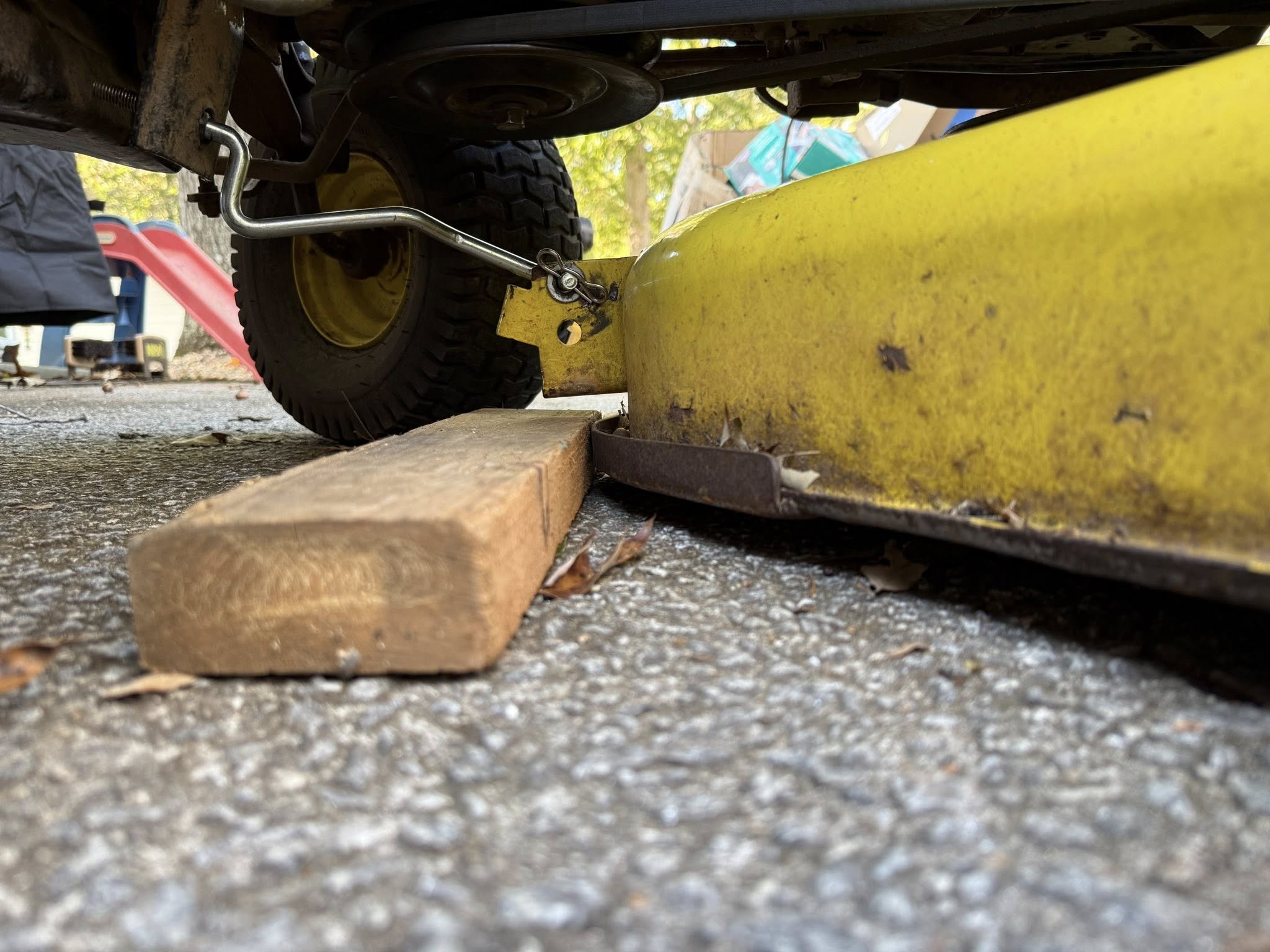
The deck was set to position two of six. On her mower that was approximately one and three quarter inches.
There it was. The lawn care company had been cutting her lawn at under two inches for three years. The soil comment — “not ideal for grass in this part of Sudbury” — was either a genuine mistake or a deflection. The soil was fine. The cutting height was the problem. I covered the full damage that this height causes over a Sudbury summer in the article on the Sudbury lawn that looked fine in May and was dead by August — the pale colour, the shallow roots, the browning in sun-exposed sections, all of it traces back to that one number on the mower dial.
What I told her — the full conversation
I sat down with Margaret on her back step and told her everything I’d found, in plain language.
I told her the soil comment from her lawn care company was wrong — or at minimum incomplete. Sudbury does have clay-influenced soil in many areas that requires specific management, but that soil can absolutely support a healthy lawn. The problem wasn’t the soil. The problem was the cutting height.
I showed her the mower deck setting and explained what one and three quarter inches does to a lawn in our climate. At that height there’s almost no blade surface left to shade the soil. The soil heats up in afternoon sun. Moisture evaporates faster than roots at one inch depth can absorb it. The grass plant is in a constant cycle of stress — getting cut back to almost nothing every week, spending its energy regrowing rather than developing roots, never building the root depth that would let it handle a dry stretch or a heat wave.
I moved the deck to position four — three inches — and showed her what that setting looked like on the blade. I told her to ask her lawn care company to cut at that height going forward. If they wouldn’t, or if the lawn didn’t improve noticeably within four to six weeks, she should consider switching services.
Then I told her about the aeration. The compaction I’d felt wasn’t severe but it was present — two or more years without aeration on clay-influenced Sudbury soil is enough to start limiting root development. One spring aeration in the late May window would open the soil, give the roots room to push deeper, and make everything else she was doing — watering, the cutting height change — work significantly better. The timing and reasoning behind the spring window is something I’ve covered in the article on the best time to aerate a Sudbury lawn — specifically why late May produces better results than fall aeration in this climate.
I told her the thatch was borderline — not urgent but worth watching. One good aeration would start breaking it down naturally. If it was over an inch by next spring, dethatching before aeration would make sense. I’d described how to check and manage thatch in the article on what I found on 52 Sudbury lawns this spring — the same issue I see on the majority of properties I assess.
I told her about watering. She’d been running a sprinkler for twenty minutes every morning — exactly the pattern that produces shallow roots and lawn dependence on daily moisture. I told her to switch to one deep session per week, long enough to get water four to five inches into the soil. Her roots would follow the moisture downward over four to six weeks and the lawn would handle the summer heat significantly better. The full explanation of why daily light watering causes long-term damage is in the article on the Lively homeowner whose lawn looked worse every September — the same watering pattern, the same results.
She asked me how much I’d charge for a quote if she decided to switch companies. I told her nothing — the assessment was free and there was no obligation. If she wanted me to come back in spring for the aeration and overseed, I’d give her a price then. If she decided to stay with her current company and just fix the cutting height, that was genuinely the right call if it worked.
She said she’d think about it. I gave her my card and left.
Why I do this — the honest reason
Margaret called me in late April the following spring. She’d asked her lawn care company to raise the cutting height. They’d told her three inches was too long and the lawn would look untidy. She’d switched companies. She wanted to know if I had availability.
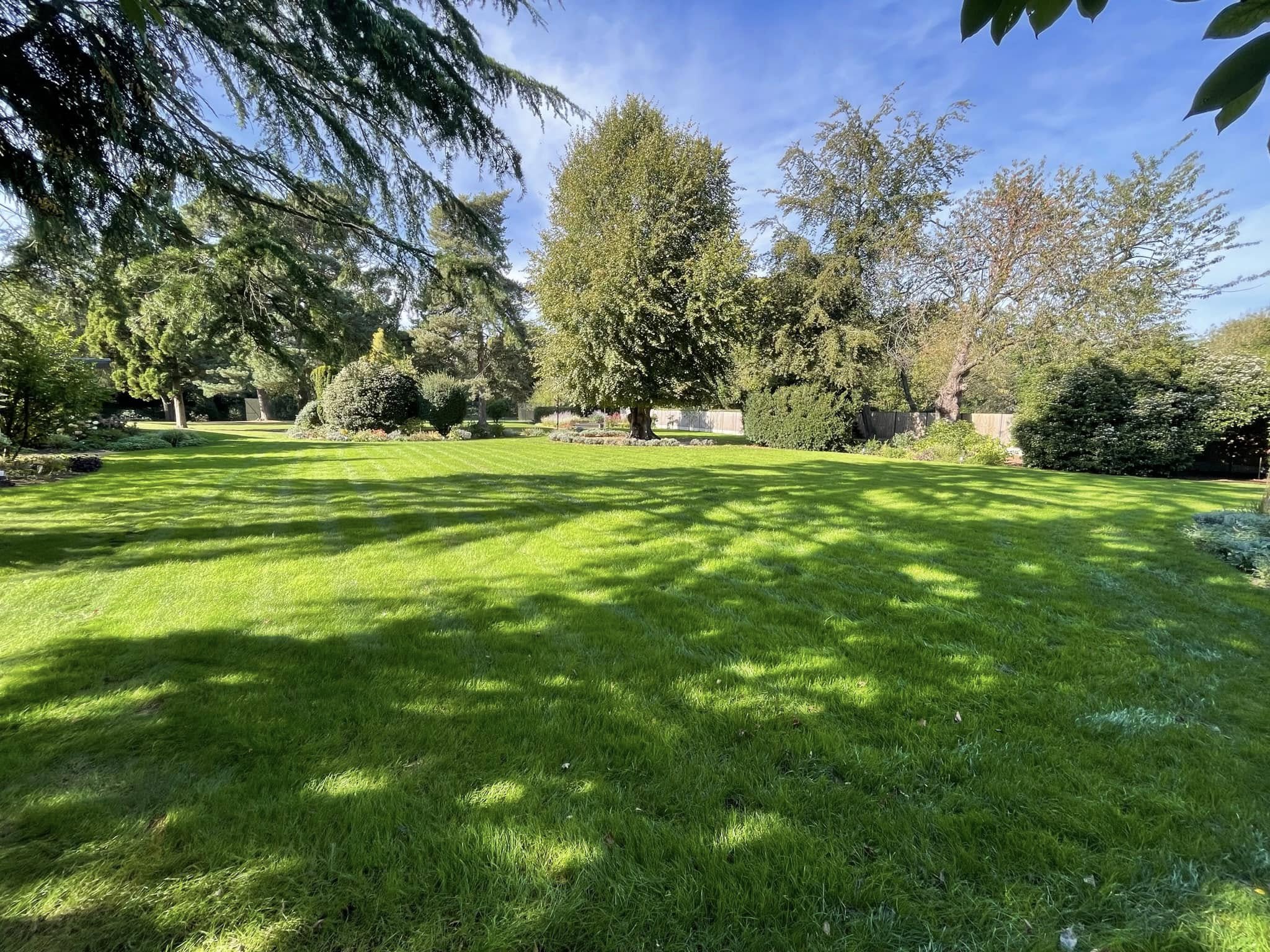
We aerated and overseeded in late May. By early July her lawn was noticeably better than it had been at any point in the three years she’d owned the house. She sent me a photo in August — the lawn was dense and green through a stretch of heat that had browned out several of her neighbours’ properties.
She referred two neighbours to me over the following season.
That’s one outcome. But I want to be honest — it’s not the reason I stopped. I didn’t stop because I was calculating a referral outcome. I stopped because I knew what was wrong and the homeowner didn’t, and that seemed like a situation worth five minutes of my time.
I’ve written before about the situations where I tell Sudbury homeowners not to hire me — when the basics are wrong and fixing them costs nothing, when the problem is drainage rather than lawn care, when a small property makes DIY the smarter financial choice. That article is here: why I sometimes tell Sudbury homeowners not to hire me. The philosophy behind that article and the philosophy behind stopping at Margaret’s lawn are the same thing. Give people the honest assessment. Let them make a good decision with accurate information. The ones who hire you do it for the right reasons. The ones who don’t still got something useful from the conversation.
The lawn care industry doesn’t have a great reputation for that kind of straightforwardness. I think it should. And the way to change that reputation is to actually be straightforward — not to talk about it, but to pull over and knock on the door.
If you have a lawn in Greater Sudbury that isn’t performing the way you think it should — whether you’re currently paying someone or maintaining it yourself — I’m happy to come take a look and tell you what I see. No charge, no obligation. Just an honest read on what’s going on and what I’d do about it.
📞 705-507-6787 | Get a free quote online
— Ryan Lingenfelter
Owner, Cutting Edge Lawn & Landscaping
Garson, Ontario · 705-507-6787
