
By Ryan Lingenfelter — Owner, Cutting Edge Lawn & Landscaping · Garson, Ontario · Serving Greater Sudbury since 2020
July hits and I start getting the calls.
Not the excited spring calls. The worried ones. “Ryan, my lawn was looking great in June. Now it’s going yellow. Did I do something wrong?” Or the opposite — “I’ve been watering every single day. Why does it still look burnt?”
I hear some version of this every single week from homeowners across Sudbury, Garson, Val Caron, Hanmer, Lively. And the honest answer is usually the same: July and August are the hardest months for a Sudbury lawn, and most people are either doing too much or not enough.
I’ve been maintaining lawns across Greater Sudbury since 2020. Let me walk you through exactly what your lawn needs right now — and what’s probably hurting it without you realizing it.
Why July and August Are Hard on Sudbury Lawns
People think of Sudbury as a cold-climate city, and it is — but our summers get genuinely hot. July and August regularly hit 28–32°C, sometimes higher. The ground dries out fast. And cool-season grasses like Kentucky bluegrass and fine fescue — which is what most Sudbury lawns are made of — aren’t built for sustained heat.
They don’t die in summer. But they do slow down. They go into a kind of survival mode. Growth slows, colour fades, and if you’re not careful, the stress you put on the lawn in July shows up as real damage in August that takes weeks to fix.
The key is understanding what your lawn actually needs versus what you think it needs.
Watering: The Single Biggest Summer Mistake
I want to say this clearly because I see it constantly: watering every day is almost always wrong.
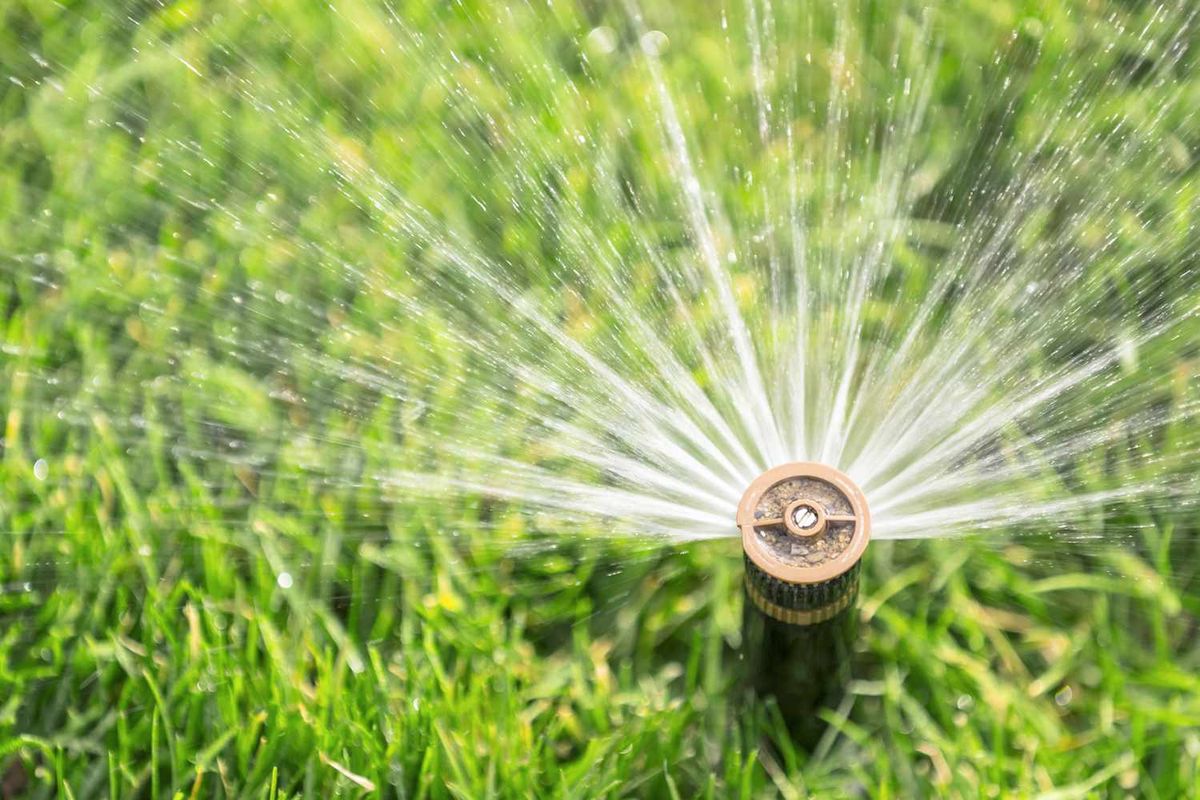
When you water a little bit every day, the roots stay near the surface. They don’t need to go deep — the moisture is always right there. That sounds fine until we hit a dry stretch and suddenly your shallow-rooted lawn has no reserves. It burns fast and recovers slow.
What you want instead is deep, infrequent watering. Here’s what I tell every customer:
- Water 2–3 times per week maximum during a normal summer week
- Each watering session: 30–45 minutes with a sprinkler, enough to get about an inch of water into the soil
- Water in the early morning — before 9am if you can. This gives the grass time to absorb before the heat of the day, and the blades dry out before evening so you’re not inviting fungal problems overnight
- Never water in the middle of the day when the sun is high. Half of it evaporates before it ever hits the soil
One easy way to check if you’re giving enough: push a screwdriver into the lawn after watering. If it goes in 4–6 inches without much resistance, you’re good. If it stops at 1–2 inches, you need to water longer per session.
Mowing in July and August: Raise Your Blade
This is the one I have to repeat on almost every property I visit in summer.
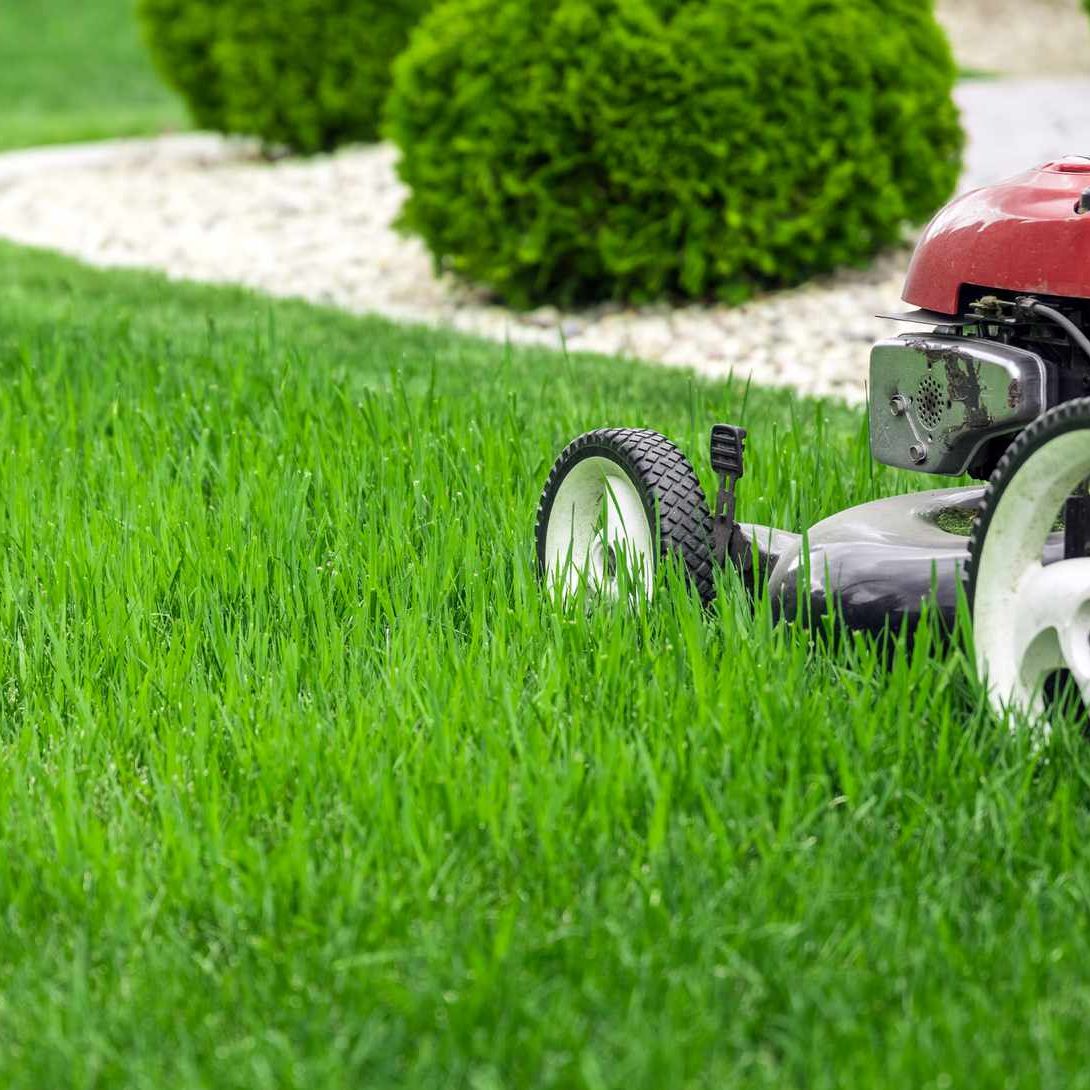
Stop cutting your grass short in July and August.
I know it looks neat when it’s cut tight. But short grass in summer heat is a recipe for a burnt, stressed lawn. Longer grass shades the soil. It keeps moisture in. It gives the roots more surface area to work with. It’s genuinely more resilient.
In spring I recommend 2.5 to 3 inches. In July and August? I push that to 3 to 3.5 inches. Some people go even higher during a heat wave and that’s completely fine.
A few other mowing rules for summer:
- Never cut more than one-third of the blade at once. If your grass is 4 inches and you cut it to 2, you’ve just shocked it. Cut it to 2.5–3 instead and come back in a few days
- Mow in the evening or early morning — never in the afternoon heat. Freshly cut grass is stressed grass, and cutting it at 2pm in July makes that worse
- Keep your blade sharp. A dull blade tears the grass and leaves ragged ends that go brown at the tips. In summer that brown shows up much more obviously than in spring
- Leave the clippings. In summer heat, grass clippings left on the lawn act like a light mulch. They hold moisture in and break down quickly. Don’t bag them
What Yellow Grass in Summer Actually Means
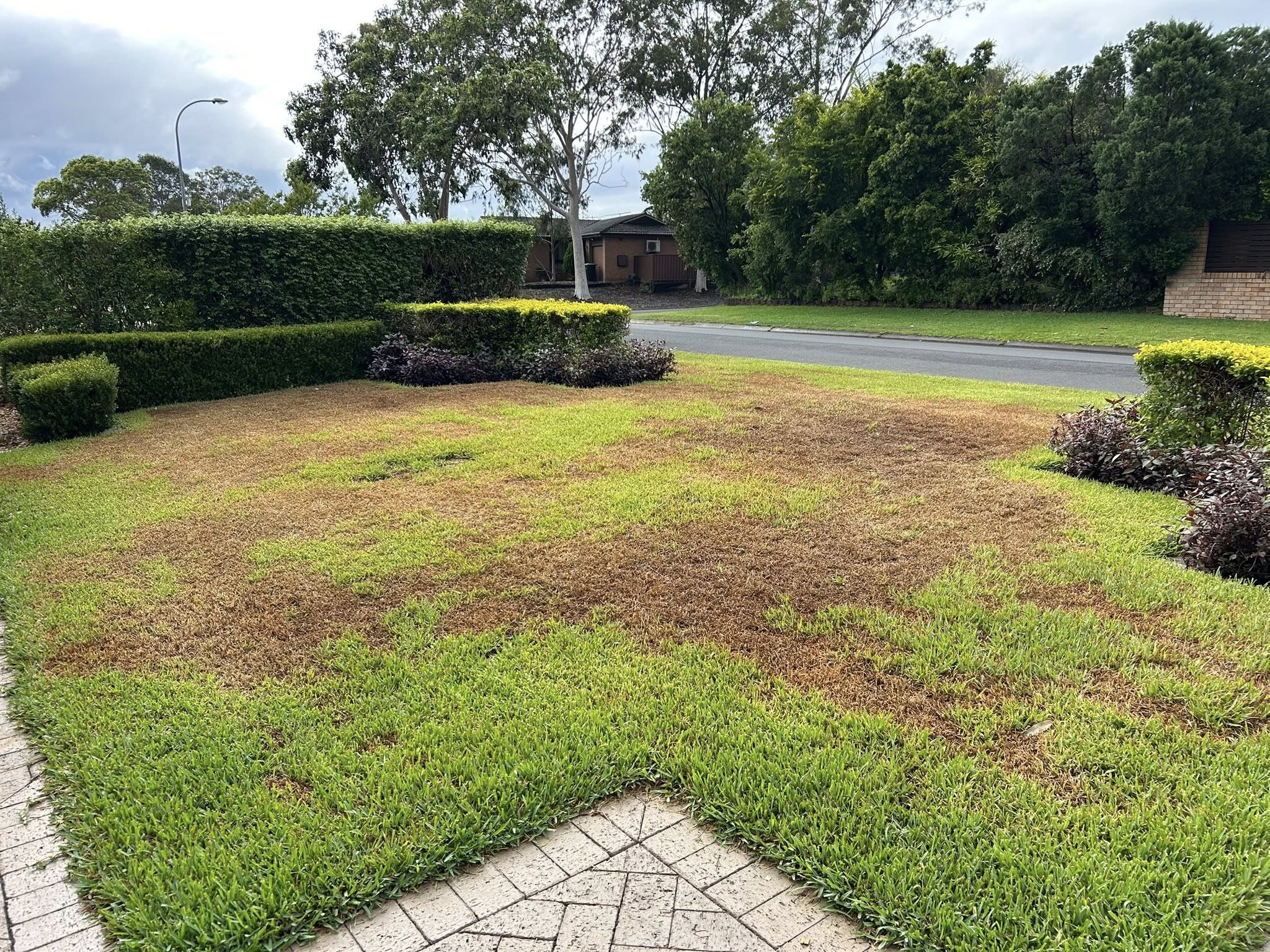
Yellow in July doesn’t always mean dead. Here’s how to read what you’re seeing:
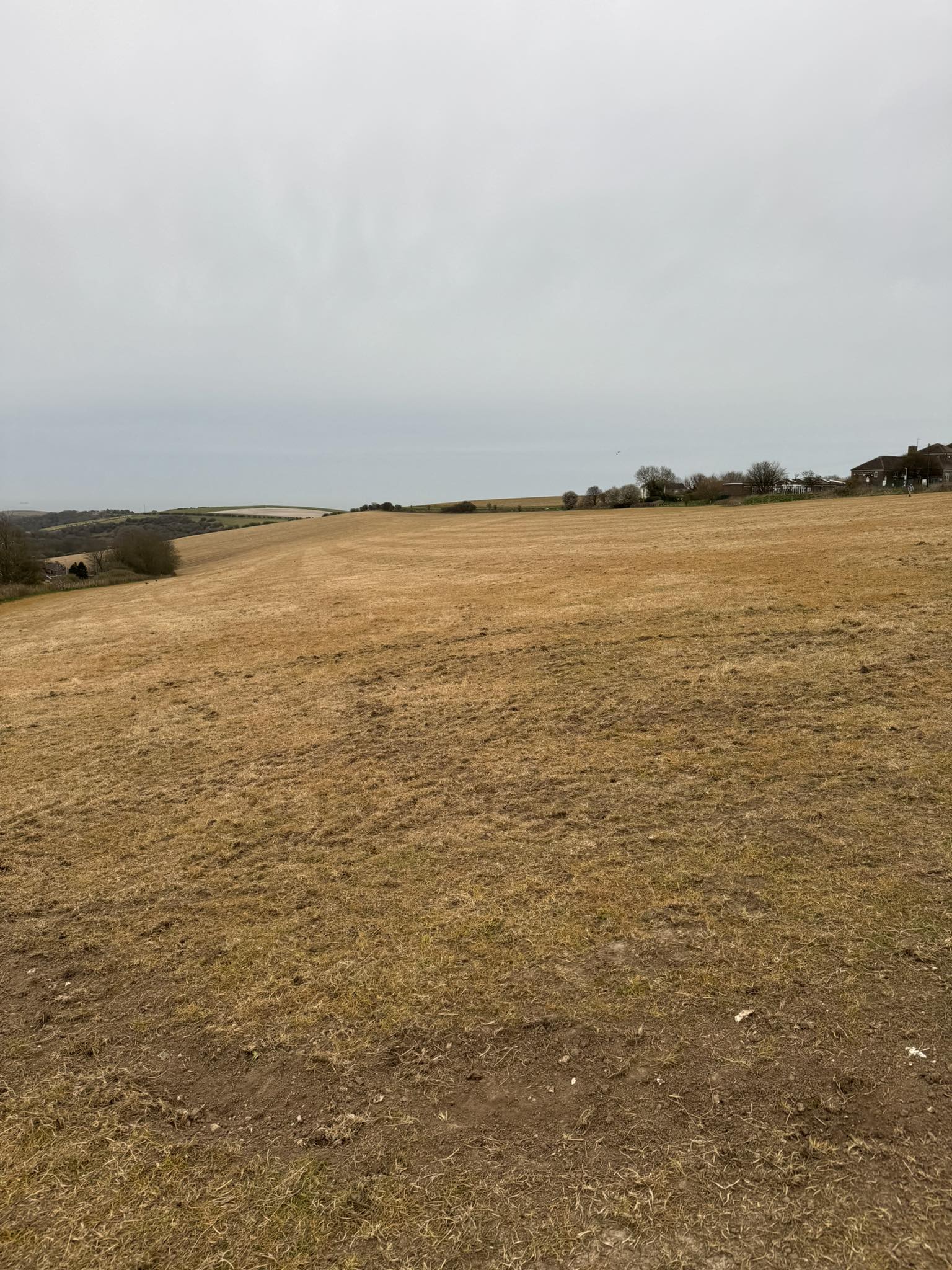
Uniform yellowing across the whole lawn — usually drought stress or heat dormancy. The grass isn’t dead, it’s just shutting down temporarily. Water deeply and be patient. It comes back.
Yellow patches with green edges — often overwatering, fungal issues, or poor drainage. If the soil feels wet and spongy and it’s been like that for days, you’re overwatering. Back off.
Irregular brown-yellow patches that feel spongy or pull up easily — check for grubs. White grubs from June bugs feed on grass roots through July and August and they can destroy patches fast. Grab a patch of grass and pull. If it rolls up like a carpet with no roots attached, grubs are likely the cause. That’s a whole different conversation, but don’t ignore it.
Yellowing only where you walk or where equipment runs — compaction and heat stress combined. You might need aeration in fall to address that properly.
Fertilizing in Summer — Less Is More
A lot of people think their yellowing summer lawn needs fertilizer. Sometimes it does. More often, it doesn’t — and putting nitrogen-heavy fertilizer on a stressed lawn in 30-degree heat will burn it.
My general rule for Sudbury summers:
- If you fertilized in May or June, hold off until late August or September before fertilizing again
- If you’re going to fertilize in summer, use a slow-release fertilizer with lower nitrogen content — not a fast-release formula
- Never fertilize during a heat wave or drought. Wait until temperatures drop and you’ve had rain or you can water it in properly
The fall fertilization — late August into September — is actually the most important one of the year for a Sudbury lawn. That’s when the grass is coming out of summer stress and building roots for winter. Don’t skip it.
Dealing With a Heat Wave
When Sudbury hits a stretch of 30°C+ days with no rain, here’s what I do:
- Water deeply every 2–3 days instead of your normal schedule
- Stop mowing entirely if the lawn is visibly stressed and dry. Cutting stressed grass makes it worse. Wait until temperatures drop
- Don’t panic about dormancy. If the lawn goes uniformly tan or yellow during an extreme heat stretch, it’s most likely dormant — not dead. Cool-season grasses can survive 4–6 weeks of dormancy. As long as you don’t let the crowns completely dry out, it will recover when temperatures drop and rain returns
- One deep watering every 2 weeks is enough to keep a dormant lawn alive without pushing it out of dormancy and back into active stress
The Quick July/August Checklist
- Water deeply 2–3x per week — not a little every day
- Water in the morning — never midday, ideally not evening
- Raise your mower blade to 3–3.5 inches
- Mow in the evening or early morning, not afternoon heat
- Leave clippings on the lawn
- Hold off on fertilizer unless it’s a slow-release and conditions are right
- Watch for grubs — July and August is when they do damage
- Don’t panic about dormancy — it’s normal and recoverable
When Should You Call Someone?
Honestly — if your lawn is still struggling after a week of proper watering and you’re not sure why, that’s when a second set of eyes helps. Sometimes it’s grubs. Sometimes it’s a drainage issue you can’t see from the surface. Sometimes it’s something that needs to be addressed now before it becomes a much bigger problem in September.
We service all of Greater Sudbury — Garson, Val Caron, Hanmer, Lively, Chelmsford, Azilda, Capreol, and Sudbury itself. Licensed and insured. If your summer lawn has you worried, give me a call and I’ll take a look.
— Ryan Lingenfelter
Cutting Edge Lawn & Landscaping, Garson, Ontario
📞 705-507-6787
Need help with your lawn this summer? We offer grass cutting, core aeration, and full lawn care across Greater Sudbury. Free quotes, no obligation.
Get a Free Quote |
Call 705-507-6787


