Every spring I get a version of this conversation on a quote call.
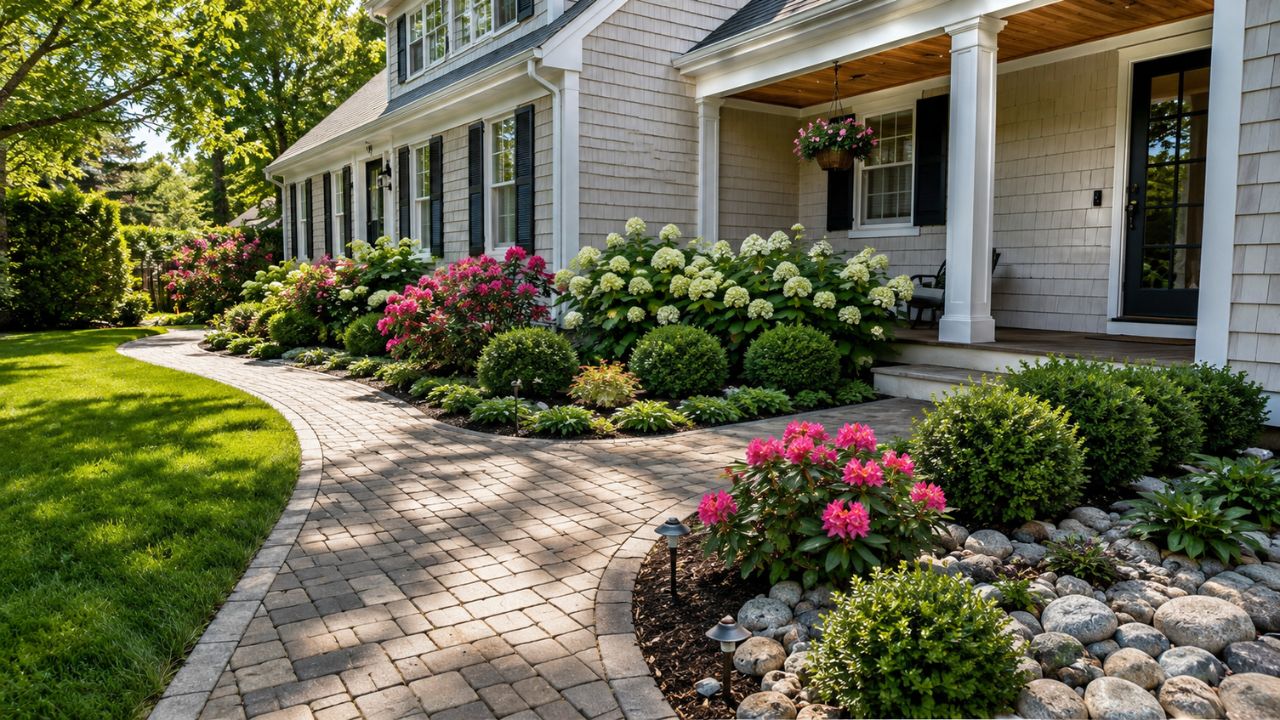
Someone wants to do something with their yard — a stone path, a patio, a retaining wall, defined garden borders, gravel in the driveway area. They’ve looked at pictures online. They have a rough idea of what they want. And then they ask me what it costs and there’s a long pause on the other end of the line.
Not because the number is outrageous. But because most people go into hardscaping projects without a realistic sense of what the work actually involves — and the gap between what they imagined and what it actually takes to do it right is usually bigger than expected.
I’m Ryan Lingenfelter, owner of Cutting Edge Lawn & Landscaping in Garson, Ontario. Since 2020, I’ve worked on properties across Greater Sudbury — Garson, Val Caron, Hanmer, Lively, Chelmsford, Azilda, Capreol. Hardscaping is part of what we do — decorative stone, gravel pathways, garden bed edging, landscape borders, mulch installation. I want to give you the honest picture before you start making calls or planning a budget.
What Hardscaping Actually Means — Getting the Terminology Right
Hardscaping refers to the non-living elements of a landscape — the stone, gravel, concrete, wood, and other hard materials that define and structure an outdoor space. It’s the counterpart to softscaping, which is the plants, grass, and organic elements.
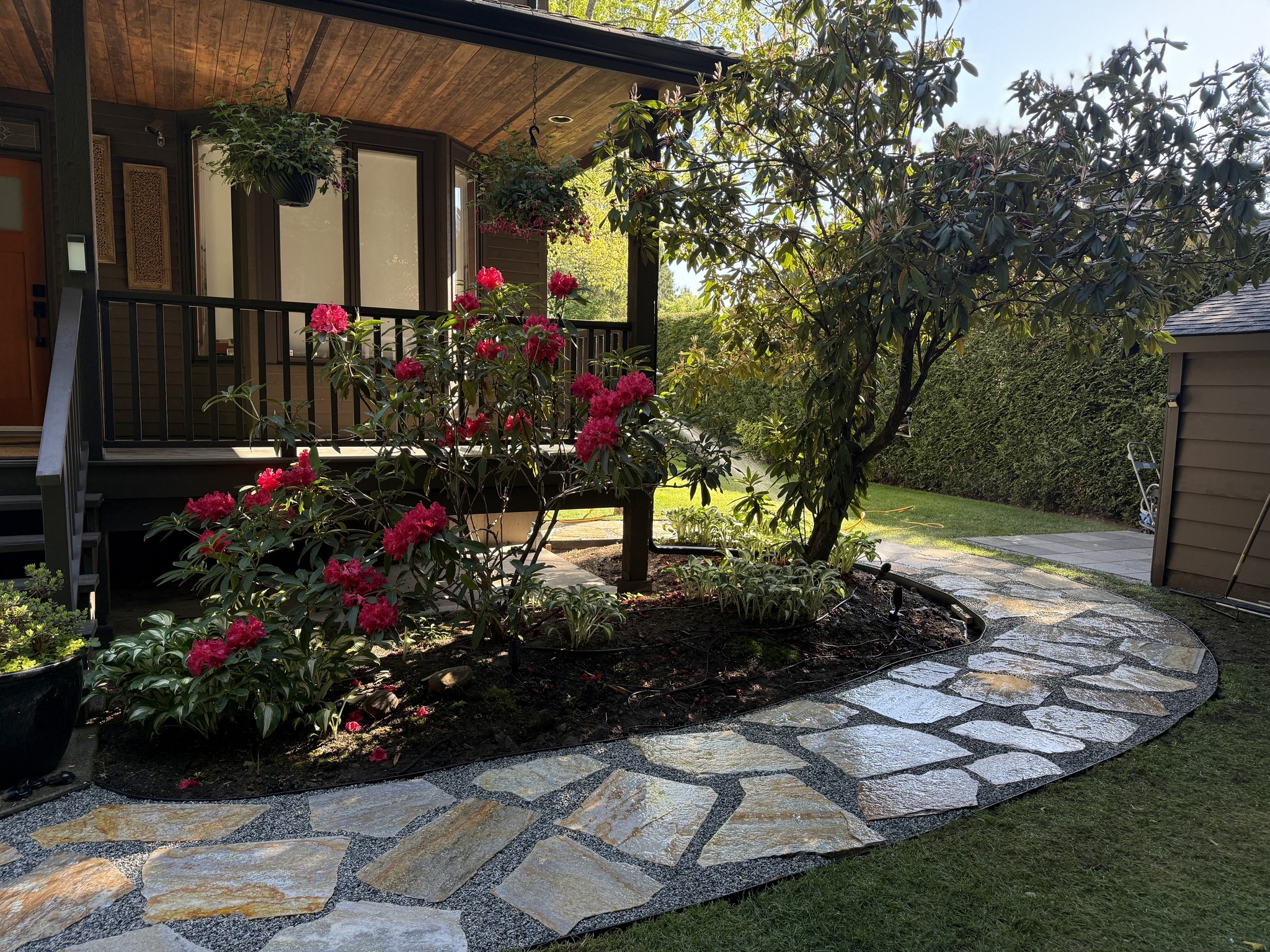
In practical terms for a Sudbury homeowner, hardscaping projects usually look like one of these:
- Stone or gravel pathways from the driveway to the door, around the house, or through the garden
- Decorative stone or river rock in garden beds replacing or supplementing mulch
- Defined garden bed borders using steel edging, stone, or landscape timber
- Gravel or crushed stone in utility areas — alongside the house, under decks, in drainage areas
- Retaining walls using interlocking stone or natural rock
- Patio areas using flagstone, interlock, or poured concrete
- Driveway edging and border definition
These projects range from relatively straightforward — a gravel pathway with landscape fabric underneath — to complex multi-week jobs involving significant excavation, base preparation, and drainage planning. Knowing which category your project falls into before you start is the most important thing you can do.
What Hardscaping Actually Costs in Greater Sudbury — Real Numbers
I want to give you real numbers here, not ranges so wide they’re useless. These are based on what I actually quote on Sudbury properties. Prices vary based on materials, site conditions, and complexity — but this gives you an honest starting point.
Decorative Stone in Garden Beds
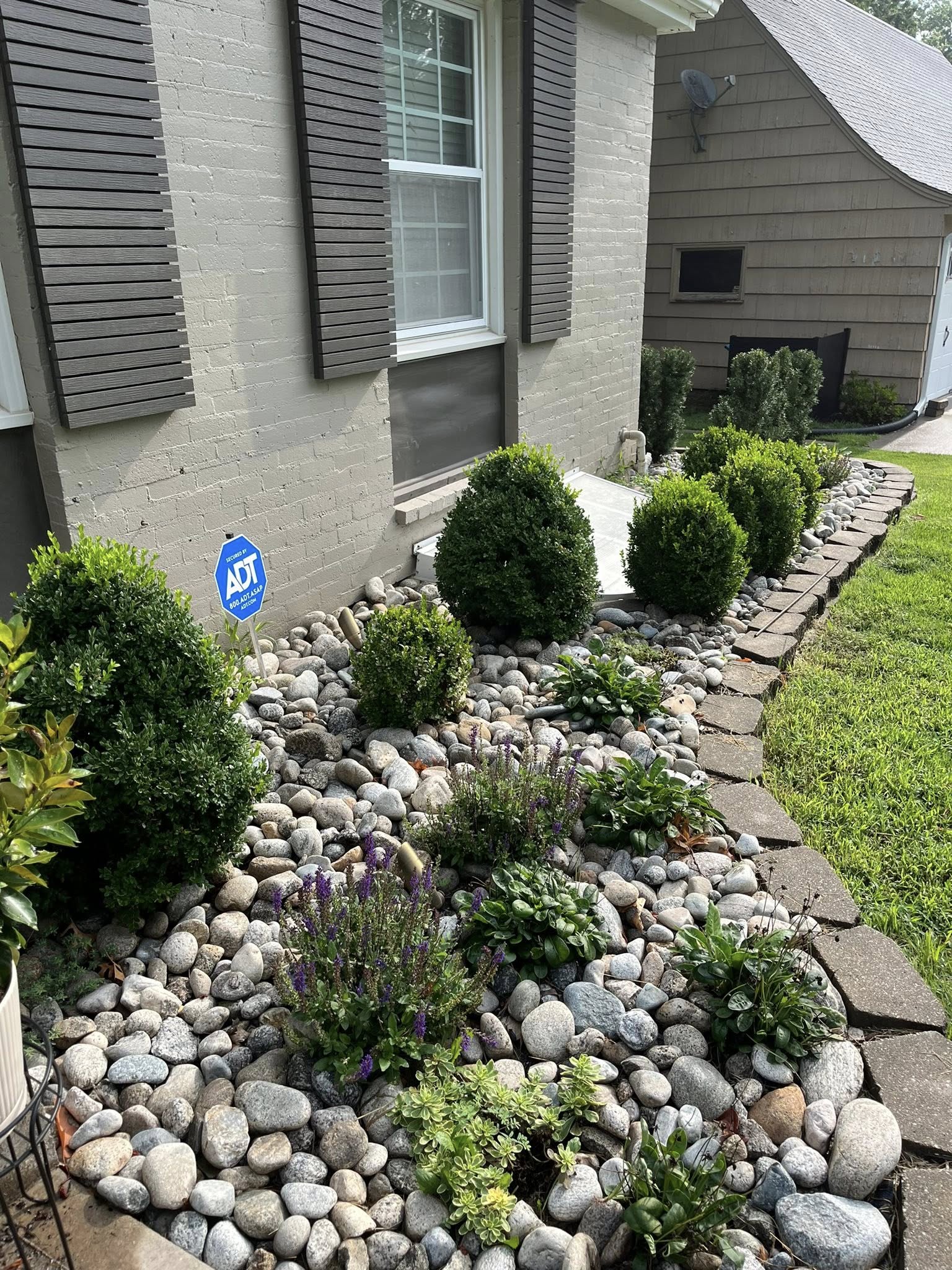
Replacing or installing decorative stone — river rock, crushed granite, pea gravel — in residential garden beds is one of the most common hardscaping requests I get in Sudbury.
Typical cost: $300 to $800 for an average residential garden bed area.
What drives the price: the square footage of the area, the depth of stone required, whether landscape fabric needs to go down first, whether existing mulch or debris needs to be removed, and the type of stone chosen. River rock is heavier and costs more to deliver and install than pea gravel. Larger stones cost more than smaller.
This is one of the most cost-effective hardscaping upgrades a Sudbury homeowner can make. Stone lasts significantly longer than mulch, doesn’t break down and need replacing every two to three years, and looks clean year-round.
Gravel or Stone Pathways
A basic gravel pathway — excavate the area, lay landscape fabric, install crushed stone or pea gravel — is a manageable project with a reasonable price point.
Typical cost: $400 to $1,200 depending on length and width.
A short 10-foot path from a gate to a garden feature is at the low end. A 30-foot path from the driveway to the back of the house with defined edging is at the higher end. Flagstone stepping stone paths — where individual stones are set rather than loose gravel — cost more because of the material cost and the time to set each stone level.
In Sudbury specifically, frost heave is a real consideration for any pathway. Stones that are set without proper base preparation will shift through our freeze-thaw cycles and need resetting. Doing it right the first time — proper excavation depth, compacted base layer — is worth the extra cost.
Garden Bed Edging and Borders
Defined borders between lawn and garden beds — whether using steel landscape edging, stone, or brick — make a significant visual difference and reduce long-term maintenance by keeping grass from creeping into beds.
Typical cost: $200 to $600 for a typical residential property.
Steel edging is the most durable and lowest maintenance option. Stone borders cost more but look more substantial. The length of the bed border run is the main cost driver here.
Retaining Walls
Retaining walls — whether for a raised garden bed, a sloped yard, or a decorative border — are where hardscaping gets more complex and more expensive.
Typical cost: $1,500 to $8,000+ depending on height, length, and materials.
A small decorative retaining wall for a raised garden bed is at the lower end. A structural wall holding back a significant grade change — the kind that needs proper drainage behind it and engineered base preparation — is at the higher end. I want to be straightforward: larger retaining walls are specialist work, and if someone quotes you a structural retaining wall at a very low price without talking about drainage and base preparation, ask questions before you agree to anything.
Interlock Patios and Hardscape Patio Areas
Interlock or flagstone patios are the most significant hardscaping investment most homeowners make.
Typical cost: $3,500 to $15,000+ depending on size, material, and complexity.
The base preparation for an interlock patio is where most of the labour cost goes — excavation, compacted gravel base, sand layer, all before a single paver goes down. Cutting corners on base prep is the reason interlock patios shift, sink, and develop uneven surfaces within a few years. In Sudbury with our frost depth, proper base preparation is non-negotiable.
This is also an area where I’d recommend getting multiple quotes and asking specifically about what’s included in the base preparation. The cheapest quote almost always involves shortcuts you won’t see until two winters later.
What Sudbury’s Climate Does to Hardscaping — And Why It Matters
This is the part most general hardscaping advice skips over. Sudbury is not Toronto. Our winters are longer, colder, and harder on anything you put in the ground.
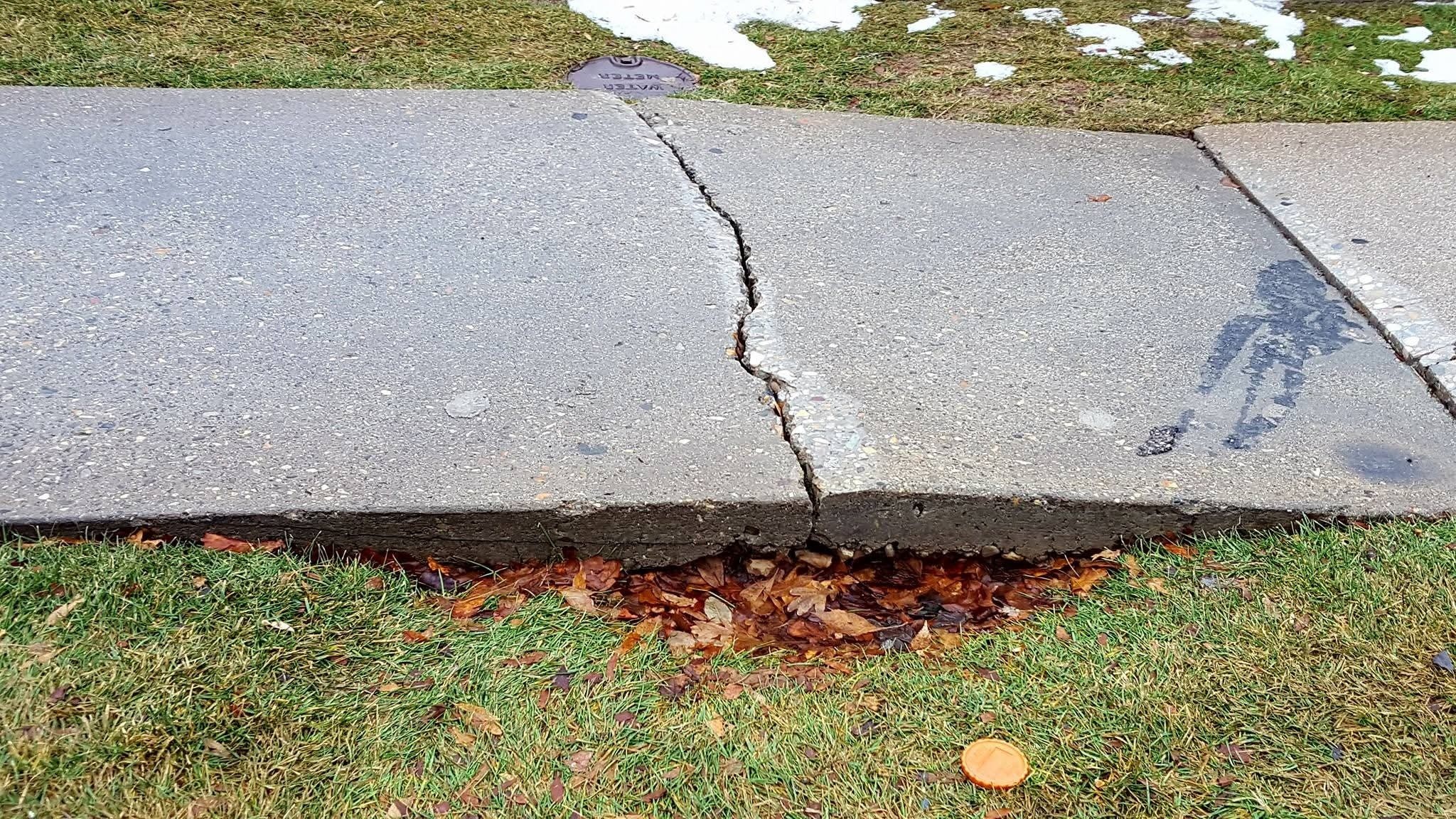
Frost heave is real and it affects everything. When the ground freezes to our depth — which can be well over a metre in a hard Sudbury winter — anything set in the soil shifts. Stones move. Edging pushes up. Pathway stones that weren’t set on a proper base will be uneven by April every single year. The fix is proper base preparation from the start: excavate deep enough, use compacted gravel base, and allow for drainage so water doesn’t collect and expand on freeze.
Salt and de-icer damage. If your hardscaping is anywhere near a driveway or walkway that gets salted in winter, the material choice matters. Some stones and concrete products are more salt-tolerant than others. Natural flagstone handles salt better than many manufactured pavers. Ask about this specifically when choosing materials.
Spring drainage. Sudbury spring is aggressive — a lot of snow melting fast. Hardscaping projects that don’t account for drainage create water pooling problems, especially near foundations. Any project near the house should be graded away from the foundation, not toward it.
UV exposure. Our summers have long days and strong sun. Some decorative stone and material colours fade significantly with UV exposure over a few seasons. Ask about UV stability when choosing materials, especially for anything highly visible.
The Mistakes I See Most Often on Sudbury Hardscaping Projects
Five years of working on properties across Greater Sudbury — including fixing other people’s work — has shown me the same problems coming up repeatedly.
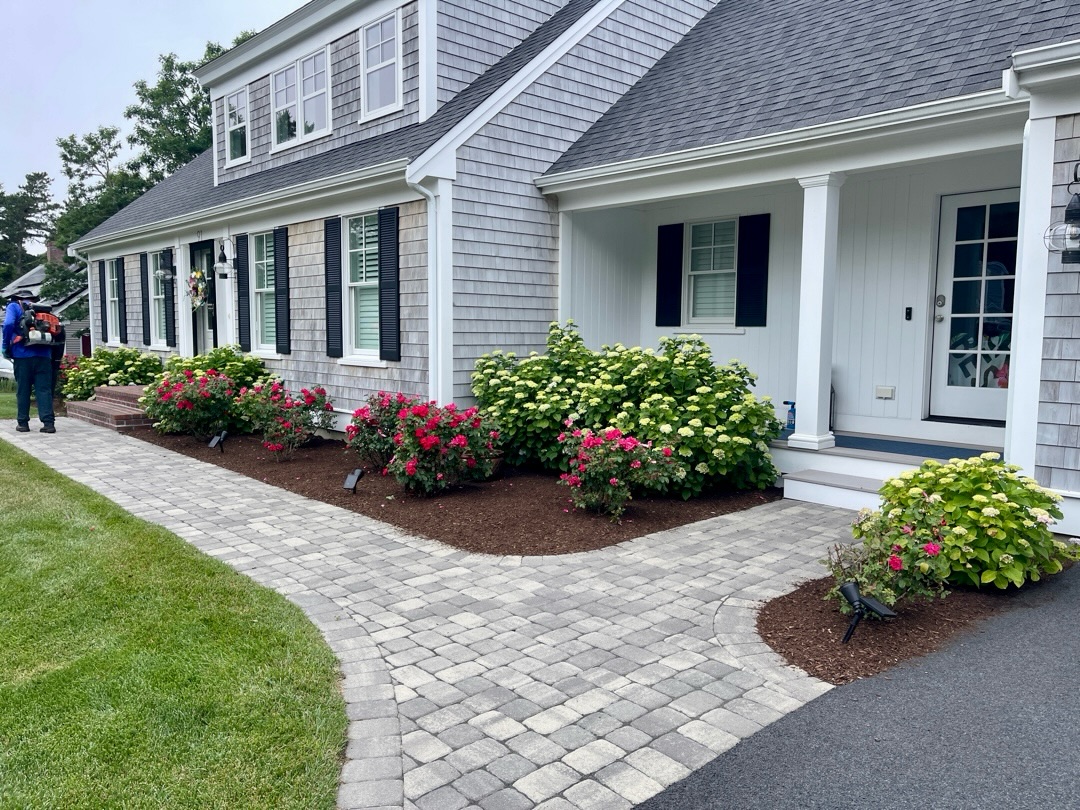
Skipping landscape fabric under stone. Decorative stone without landscape fabric underneath looks great for one season. By year two, weeds are coming through everywhere and the stone is mixing into the soil. Landscape fabric is not expensive and it’s not optional if you want low-maintenance results.
Installing edging without proper depth. Landscape edging that’s only pushed a few inches into the soil pushes out of the ground by spring. It needs to go in at the right depth with proper staking. A lawn edge that’s lifted and wavy looks worse than no edging at all.
Using the wrong material for the drainage situation. Pea gravel in a low spot that collects water becomes a muddy mess. Flagstone without gaps in a drainage channel blocks water flow. Matching the material to the actual conditions on the property matters.
Not thinking about what comes after. A beautiful stone border around a garden bed is harder to maintain if you can’t get a mower or trimmer alongside it properly. Pathways that look good in a design sketch but are awkward to actually walk on. Hardscaping that makes lawn maintenance more difficult is a problem that shows up after the project is done, not before.
Getting quotes from contractors who don’t know Sudbury winters. This one matters a lot. A contractor who learned their trade in southern Ontario or who doesn’t regularly deal with our frost depth will underprepare the base on anything they install. What looks fine in fall looks bad by the following spring.
How to Get a Quote for Hardscaping in Greater Sudbury
If you’re thinking about a hardscaping project — stone in your garden beds, a gravel pathway, defined borders, or anything larger — here’s what I’d recommend before you start making calls.
First, have a clear idea of what you want done and where. You don’t need engineered drawings for a garden bed stone installation, but you should know the approximate area and what result you’re looking for. The clearer you can be on the scope, the more accurate the quote will be.
Second, ask specifically about base preparation and frost considerations when you talk to any contractor. If they don’t mention frost heave or base depth unprompted on a Sudbury project, that’s worth noting.
Third, get the quote in writing with the scope of work clearly described — materials, base preparation, what’s included and what isn’t. Not a verbal number over the phone.
We handle decorative stone installation, mulch and stone for garden beds, pathway gravel, and landscape edging across Greater Sudbury. For larger structural projects — significant retaining walls, full interlock patios — I’ll tell you honestly if it’s outside our scope and point you toward someone who handles that work.
Call me at 705-507-6787 or fill out the free quote form here. I’ll walk the property with you, tell you what I see, and give you a straight number before anything gets started.
— Ryan
📞 705-507-6787
🔗 Get a Free Quote
📍 Serving Greater Sudbury, Ontario
Frequently Asked Questions
How much does hardscaping cost in Sudbury Ontario?
Hardscaping costs in Greater Sudbury vary significantly by project type. Decorative stone in garden beds typically runs $300 to $800. Gravel pathways run $400 to $1,200. Garden bed edging and borders run $200 to $600. Retaining walls start at $1,500 and go up significantly depending on size and complexity. Interlock patios typically start at $3,500 and go higher based on size and materials. Get a written quote with full scope of work before committing to any project.
What is the difference between hardscaping and landscaping in Sudbury?
Landscaping is the broader term covering everything done to improve an outdoor space — including both living elements like plants, grass, and trees (softscaping) and non-living elements like stone, gravel, concrete, and edging (hardscaping). Hardscaping specifically refers to the non-living structural elements. A project that involves both stone pathways and garden planting would involve both hardscaping and softscaping components.
Does frost heave damage hardscaping in Sudbury?
Yes — frost heave is one of the most important factors to account for in any Sudbury hardscaping project. The ground in Greater Sudbury freezes to significant depth in winter, and anything installed without proper base preparation will shift, lift, or crack through freeze-thaw cycles. Proper excavation depth, compacted gravel base, and drainage planning are non-negotiable for lasting results in this climate.
What hardscaping materials work best in Sudbury’s climate?
Natural flagstone and granite-based products tend to handle Sudbury winters well. For pathway and patio applications, materials rated for our freeze-thaw cycle and salt exposure are important — ask suppliers specifically about frost resistance ratings. River rock and natural stone for garden beds are very durable in our climate. Avoid materials not rated for northern Ontario conditions, especially for anything near salted driveways or walkways.
Should I use mulch or decorative stone in my Sudbury garden beds?
Both work, but they have different trade-offs. Mulch costs less upfront, breaks down naturally and feeds the soil, but needs replacing every two to three years. Decorative stone costs more upfront, lasts significantly longer, requires landscape fabric underneath to prevent weeds and mixing, and looks clean year-round. For low-maintenance long-term results, stone is usually the better investment. I wrote a full comparison in the mulch vs decorative stone article here.
Do you offer hardscaping services in Greater Sudbury?
Yes — Cutting Edge Lawn & Landscaping handles decorative stone installation, gravel pathways, garden bed edging, and mulch and stone work across Greater Sudbury including Garson, Val Caron, Hanmer, Lively, Chelmsford, Azilda, and Capreol. Call 705-507-6787 or fill out the free quote form to get started.
Ryan Lingenfelter is the owner of Cutting Edge Lawn & Landscaping in Garson, Ontario. Since 2020, his crew has provided full lawn care and landscaping services across Greater Sudbury — Garson, Val Caron, Hanmer, Lively, Chelmsford, Azilda, and Capreol. Cutting Edge is licensed, insured, BBB A+ rated, and ThreeBest Rated for lawn care services in Sudbury.
📞 Phone: 705-507-6787
📍 Service Area: Greater Sudbury, Ontario
🔗 Free Quote: cuttingedgelawn.ca/quote
Helpful Services in Sudbury
- Mulch & Decorative Stone Installation
- Property Cleanup Services
- Sod Installation in Sudbury
- Core Aeration for Healthy Lawns
- Grass Cutting Services
- Hedge Trimming Services
Continue Reading
- Mulch vs Decorative Stone in Sudbury — Which One Is Actually Worth It
- How Much Does a Spring Property Cleanup Cost in Sudbury?
- How Much Does Lawn Care Actually Cost in Sudbury? (2026 Honest Pricing Guide)


