
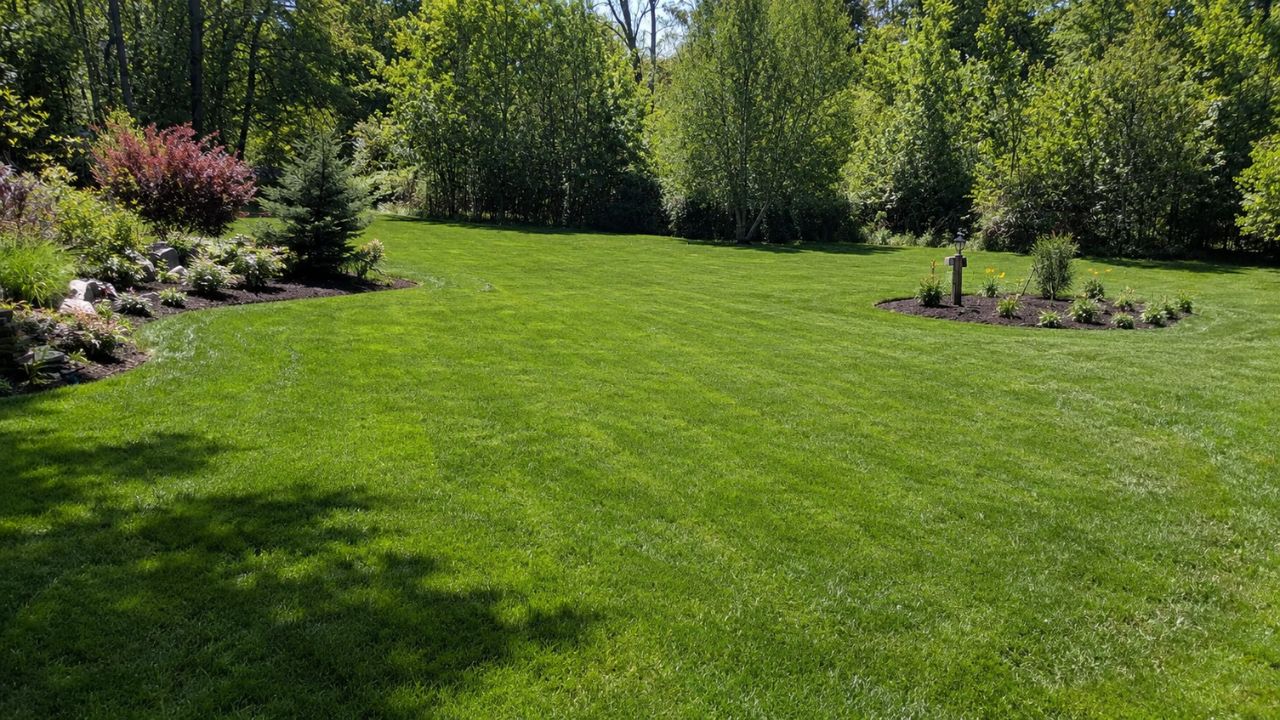
Every July I start getting the same question from homeowners across Greater Sudbury.
“Ryan, my lawn is turning yellow — am I watering it wrong?”
Sometimes the answer is yes. But just as often, the problem isn’t the amount of water — it’s when they’re watering, how long they’re running the sprinkler, and whether the water is actually reaching the roots or just sitting on the surface and evaporating.
I’m Ryan Lingenfelter, owner of Cutting Edge Lawn & Landscaping in Garson, Ontario. Since 2020, I’ve maintained lawns across Greater Sudbury through some dry summers and some wet ones — Garson, Val Caron, Hanmer, Lively, Chelmsford, Azilda, Capreol. I know what works here specifically, and I know what kills lawns that look perfectly healthy in May.
Here’s exactly how to water a Sudbury lawn through the summer — including what the city’s watering rules actually say, because most homeowners I talk to don’t know about them until they get a notice.
First — What Sudbury’s Watering Bylaw Actually Says
Greater Sudbury has a seasonal outdoor watering bylaw that comes into effect every June 1 and runs through the summer. Most homeowners don’t know about it until they’re already in violation.
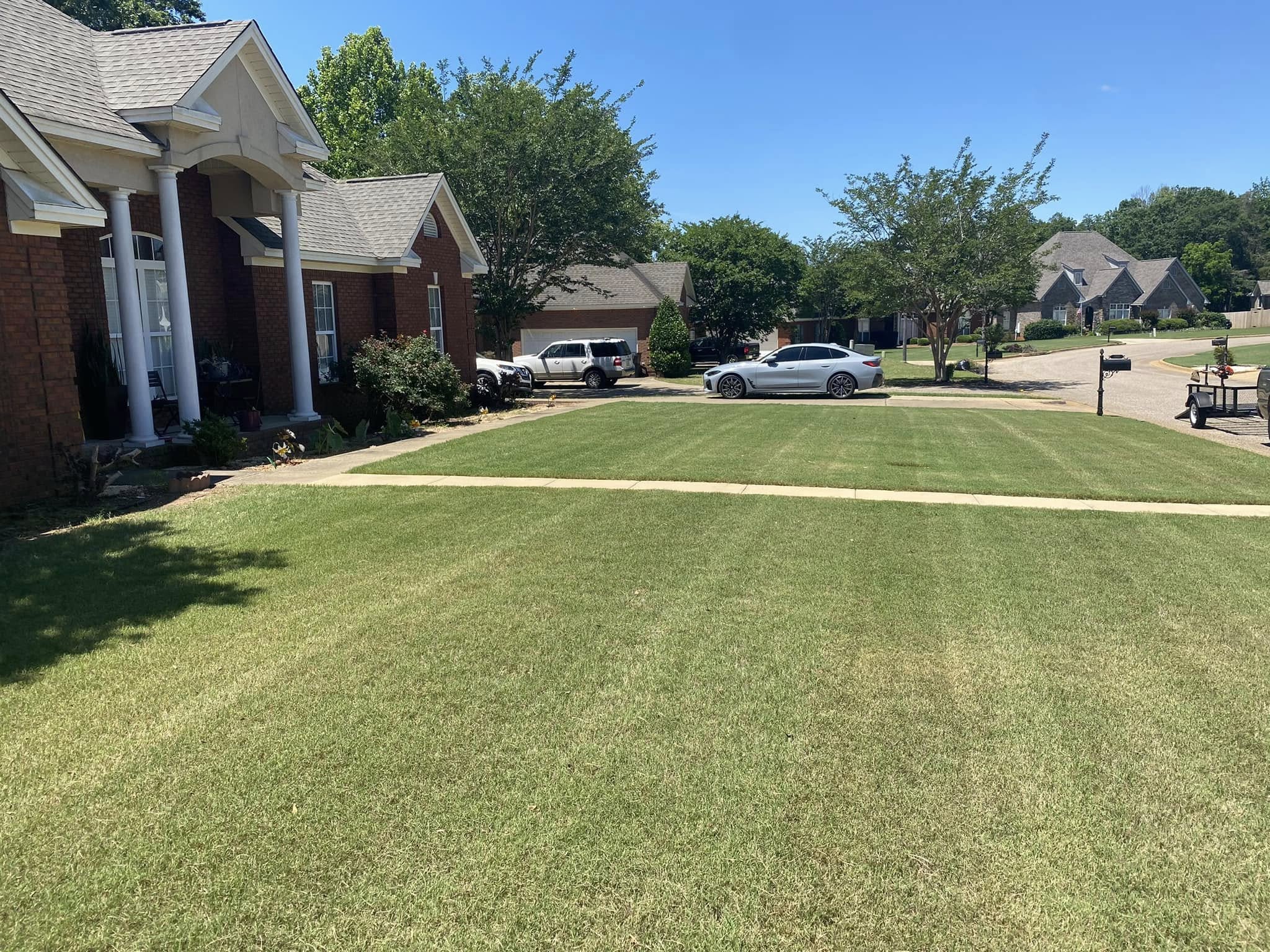
Here’s how it works. Your permitted watering days are based on your civic address:
- Even-numbered addresses (ending in 0, 2, 4, 6, 8) — permitted to water on even-numbered calendar dates
- Odd-numbered addresses (ending in 1, 3, 5, 7, 9) — permitted to water on odd-numbered calendar dates
Beyond the odd/even schedule, the city also recommends watering during the coolest parts of the day — early morning before 10am is ideal. Watering during peak heat (5pm to 9pm) wastes a significant amount of water to evaporation before it ever reaches the soil. And overnight watering — while technically allowed — promotes fungal disease by leaving moisture on the grass blades for hours.
Violations of the bylaw can result in charges under the Provincial Offences Act. I’m not saying this to scare anyone — most homeowners who get flagged just didn’t know the rule existed. But now you do, so there’s no excuse.
The practical takeaway: check the last digit of your house number, water on your permitted dates, and do it in the morning.
How Much Water Does a Sudbury Lawn Actually Need?
The standard answer for established cool-season lawns — which is what almost every property in Greater Sudbury has, Kentucky bluegrass and fescue blends — is one inch of water per week, including rainfall.
That sounds simple, but it’s worth understanding what “one inch” actually means in practice. One inch of water across a typical Sudbury residential lawn of around 5,000 square feet is roughly 3,100 litres. Your sprinkler isn’t doing that in 15 minutes.
The easiest way to calibrate your watering is to place an empty tuna can on your lawn while you run the sprinkler. When the can is full — about 2.5 centimetres of water — you’ve hit roughly the right amount. Time how long that takes with your setup. That’s your baseline run time going forward.
A few important adjustments for Sudbury specifically:
- After a rainy week — check the can before you water. If you’ve already had an inch of rain, skip the scheduled session. Overwatering Sudbury’s clay soil creates its own problems — waterlogging, fungal disease, and runoff.
- During a heat wave — bump up to 1.5 inches per week, but don’t add more sessions. Water deeper instead.
- In a dry July or August — if watering restrictions tighten and you can’t keep up with a full inch per week, the lawn will go dormant and turn brown. That’s okay. A dormant lawn isn’t a dead lawn. It will recover when rain returns or restrictions ease, as long as the crown of the grass plant stays alive — which it will for at least four to six weeks without water.
The Biggest Watering Mistake Sudbury Homeowners Make
Light, frequent watering. This is the one I see most often and it causes more long-term damage than almost any other lawn care mistake.
Here’s what happens. A homeowner runs their sprinkler for 10 minutes every day. The surface of the soil gets wet. The grass looks green. The homeowner feels like they’re doing it right.
But 10 minutes of sprinkler coverage — especially on Sudbury’s clay-heavy soil — doesn’t penetrate deep enough to reach the root zone. The top inch of soil gets wet and then dries out again within hours in summer heat. The roots, which grow where the moisture is, stay shallow — right at the surface, chasing that daily top-up of moisture.
Now here’s the problem. When a dry stretch hits in July or August and you miss a couple of sessions, or restrictions kick in and you can only water every second day — those shallow roots have nothing to pull from. The lawn goes yellow and brown almost immediately. Not because the grass is weak, but because you accidentally trained the roots to stay at the surface instead of growing deep.
Deep, infrequent watering does the opposite. When you water deeply — long enough for moisture to penetrate six to eight inches into the soil — the roots follow the water downward. A lawn with roots at six or eight inches depth can handle several days without rain or irrigation during a Sudbury summer without showing stress. That’s the lawn that stays green in July when everyone else on the street is watching theirs go brown.
The Right Watering Schedule for a Sudbury Lawn in Summer
Based on the odd/even bylaw and what actually works for Sudbury’s soil and climate, here’s the schedule I’d recommend for most residential properties:
June — Early Summer
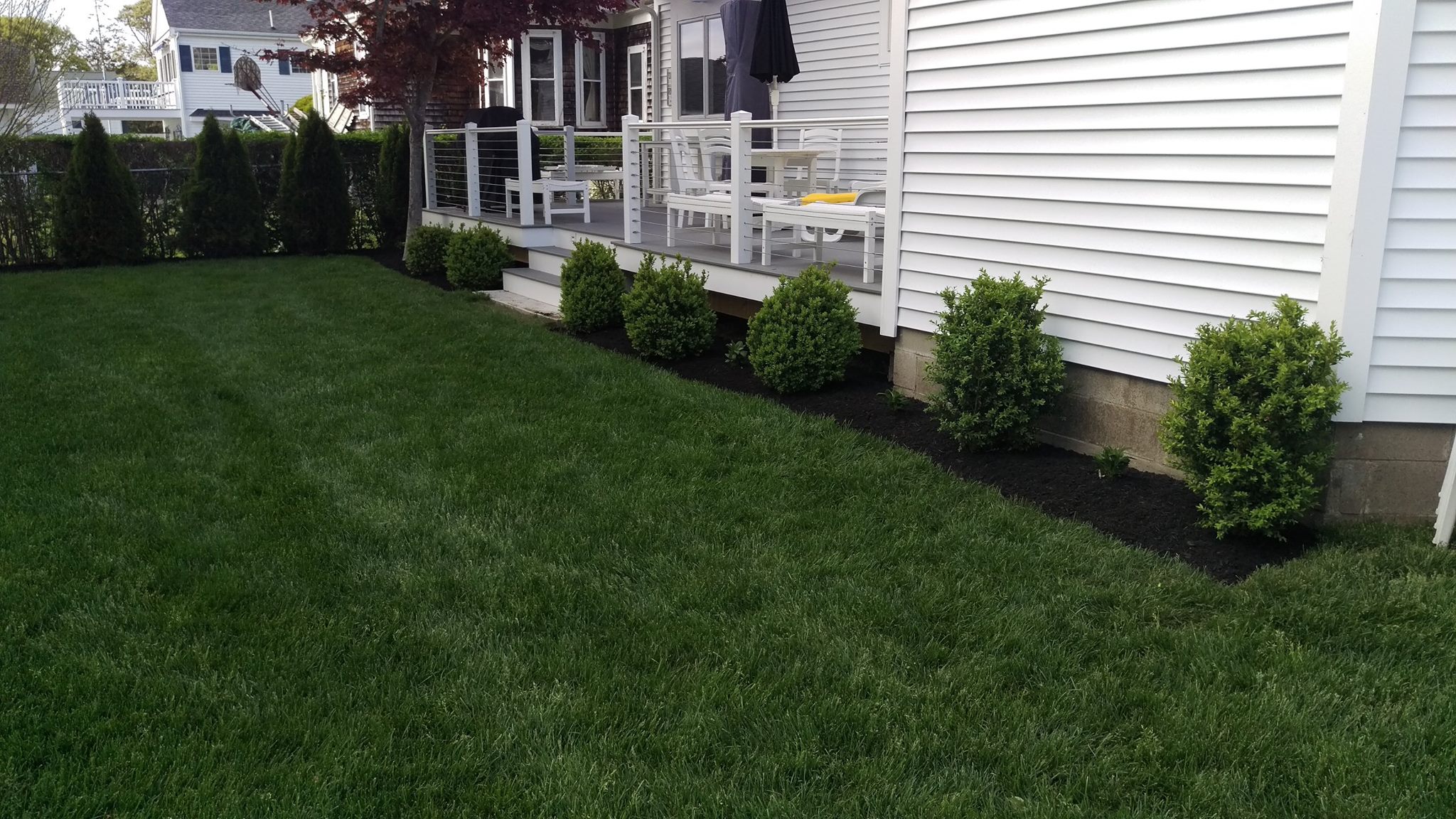
June in Sudbury is usually the most cooperative month for lawns. Rain is relatively consistent, temperatures haven’t peaked yet, and the grass is still in active growth mode from spring.
- Water on your permitted bylaw day — one deep session of 30 to 45 minutes depending on your sprinkler output
- Skip your session after any rainfall of 15mm or more
- Best time: 6am to 9am
- Target: one inch per week including rainfall
July — Peak Summer
July is when Sudbury lawns get tested. Temperatures can push into the low 30s, dry spells are common, and this is when shallow-rooted lawns start showing the damage from spring watering mistakes.
- Water on your permitted bylaw day — increase session length to 45 to 60 minutes if conditions are dry
- If you have access to a second permitted session, use it early in the week and late in the week to spread coverage
- Do not water in the afternoon — evaporation loss in July afternoon heat is significant
- If the lawn goes brown during a dry stretch, do not panic — water minimally to keep the crown alive, not to keep the grass green
- Best time: 5am to 9am
August — Late Summer
August is often the driest month in Greater Sudbury. Lawns that were properly maintained through spring and early summer will handle August much better than ones that weren’t aerated, were mowed too short, or were watered lightly every day.
- Continue the deep, infrequent schedule — do not increase session frequency
- Raise your mower deck slightly if you haven’t already — taller grass shades the soil and retains moisture better
- If the lawn goes fully dormant, shift to a maintenance-only watering of about 6mm every two weeks — just enough to keep the crown alive without wasting water on dormant grass that won’t respond anyway
- Best time: 5am to 9am
How Mowing Height and Watering Are Connected
This is something most watering guides don’t mention, but it matters a lot on Sudbury lawns specifically.
The height you cut your grass directly affects how much water your lawn needs in summer. A lawn maintained at 3 inches — which is the correct height for Sudbury’s cool-season turf — naturally shades the soil surface. That shade reduces evaporation, keeps the root zone cooler, and means the lawn needs less supplemental water to stay healthy through July and August.
A lawn cut short — at 1.5 or 2 inches — exposes the soil to direct sun. That soil dries out faster. The roots, already shallow from being cut short all season, have less moisture to draw from. So the homeowner waters more, which doesn’t solve the problem because the real issue is the mowing height, not the watering schedule.
I’ve written about this in detail in my guide on the one mowing mistake that kills Sudbury lawns by July. The short version: keep the blade at 3 inches all summer, and your lawn will naturally need less water and handle dry spells better.
How Core Aeration Affects Summer Watering
If you had core aeration done this spring — good. You’ll notice the difference in how your lawn responds to watering this summer.
On an un-aerated Sudbury lawn, Sudbury’s clay soil compacts over winter and stays fairly tight through the growing season. When you run the sprinkler, water hits the surface and runs off or pools rather than soaking in quickly. You can watch it happen — the soil stays dark and wet on top while staying dry an inch below.
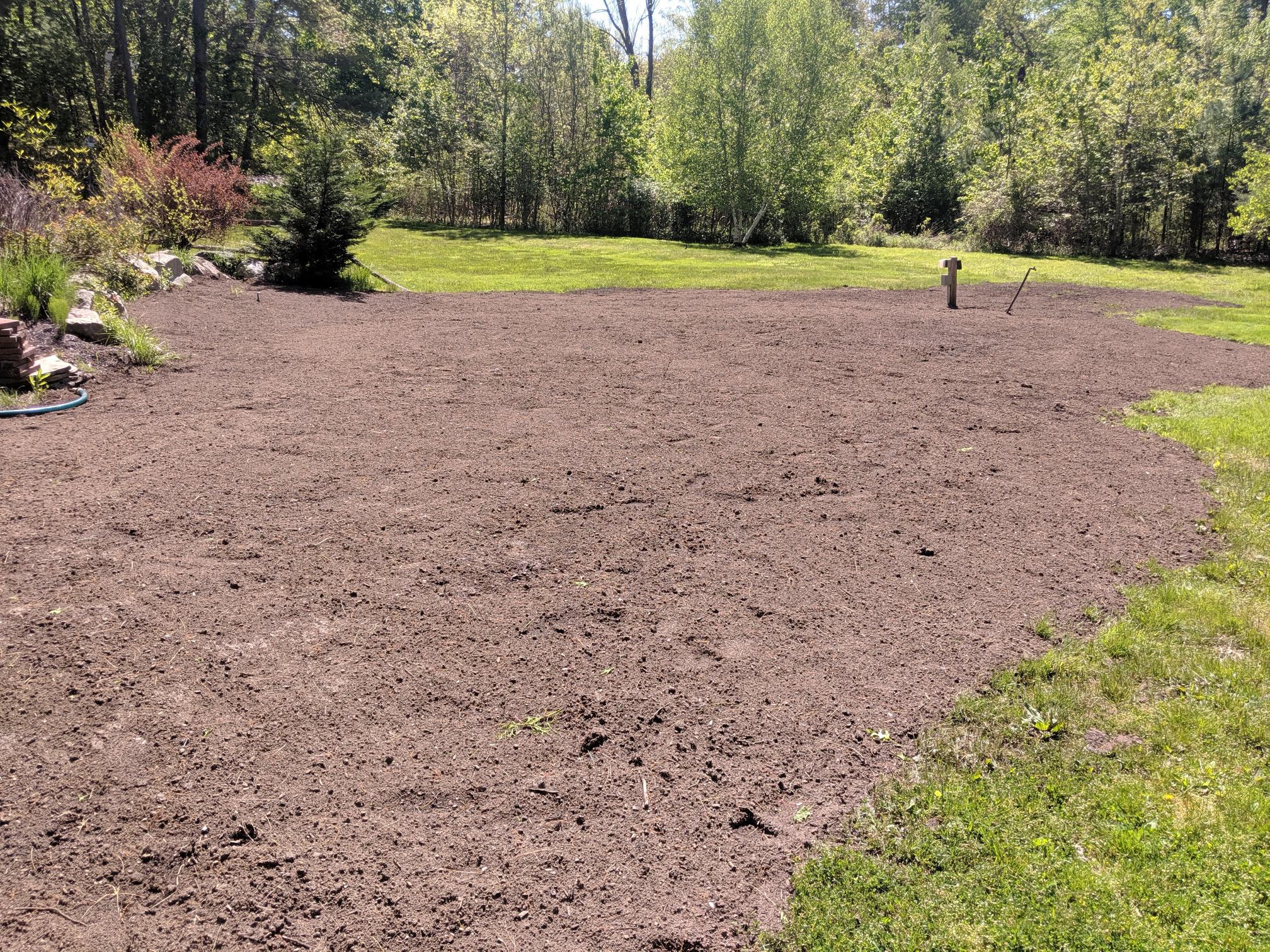
On an aerated lawn, those channels we opened in spring allow water to penetrate directly into the root zone. The same amount of water from the same sprinkler session goes much further. Homeowners who aerate every spring consistently tell me they water less and get better results — because the water is actually reaching the roots instead of sitting on the surface.
If you didn’t get aeration done this spring, book it for fall — late August to September is the second-best window in Sudbury. Your lawn will head into next spring in much better shape, and next summer’s watering will be noticeably more efficient.
Signs You Are Overwatering Your Sudbury Lawn
Most of the watering conversation focuses on drought and underwatering — but overwatering is a real problem on Sudbury’s clay soil and worth knowing the signs of.
- Soggy or spongy soil that stays wet for days after watering — clay doesn’t drain as fast as sandy soil, and too much water creates waterlogged conditions that suffocate roots
- Fungal patches — circular brown or grey patches with a ring appearance, often appearing after periods of frequent watering combined with warm overnight temperatures
- Weeds thriving — crabgrass and certain broadleaf weeds actually do better in overwatered conditions than healthy grass does
- Runoff — if water is sheeting off your lawn during a sprinkler session, the soil is already saturated and you’re wasting water
- Constant thatch buildup — excessive moisture accelerates thatch accumulation, which then causes more watering problems by blocking water penetration
If you’re seeing any of these, the fix is simple: reduce session frequency, not duration. Water less often but for longer when you do water. Give the soil time to dry between sessions. Sudbury’s clay soil needs that breathing room.
Signs You Are Underwatering Your Sudbury Lawn
- Footprints stay visible — if you walk across the lawn and the grass doesn’t spring back within a few minutes, it’s under moisture stress
- Blue-grey tint — grass under heat stress often takes on a slightly blue-grey colour before it goes fully yellow or brown
- Grass blade folding — cool-season grasses fold their blades lengthwise to reduce surface area and slow moisture loss during drought stress
- Brown tips — the tips of grass blades go brown before the whole blade does when the lawn is under water stress
- Soil pulling away from edges — very dry clay soil shrinks and cracks, and you’ll sometimes see it pulling away from garden bed edges or driveway borders
If you see these signs and you’re within your permitted watering window, water immediately and deeply. If you’re outside your permitted window, wait until your next permitted date and do a long, deep session.
Practical Watering Tips Specific to Sudbury Properties
A few things I’ve learned from maintaining properties across Greater Sudbury specifically that you won’t find in generic lawn care guides:
Clay soil needs a soak-and-pause approach. On a heavily clay property, running the sprinkler for 60 minutes straight often results in runoff as the surface saturates before the water can penetrate. A better approach: run for 20 minutes, pause for 30 minutes to let it soak in, then run for another 20 minutes. Same total water, much better penetration.
Watch for low spots. Sudbury properties often have uneven terrain from the Canadian Shield bedrock underneath. Low spots collect water and stay wet much longer than the rest of the lawn. If you’re seeing fungal issues, check if they’re consistently in the same low area — that spot may need less water than the rest of the lawn, not more.
New sod needs different rules. If you had sod installed this spring, the watering schedule I covered in my sod installation guide applies through the first 30 days. After that, transition to the standard established lawn schedule above. Don’t treat new sod the same as an established lawn — it needs more frequent watering until the roots are established.
Rain gauges are worth it. A simple rain gauge costs a few dollars at any hardware store and takes the guesswork out of whether last night’s rain counts toward your weekly inch. Many homeowners are surprised to find that a storm that seemed heavy only delivered 8mm — not enough to skip their watering session. Others find that a steady overnight rain gave them 25mm — plenty, skip the session.
The Simple Version — What to Actually Do
If all of that feels like a lot, here’s the practical summary for an average Sudbury homeowner:
- Check your address — know your permitted watering day under the city bylaw
- Water early in the morning — before 10am, every permitted date
- Run long enough to deliver about one inch — use a tuna can to calibrate your sprinkler
- Skip sessions after significant rainfall
- Keep your mower at 3 inches all summer — taller grass needs less water
- Don’t panic if the lawn goes brown in August — dormant is not dead
Do those six things consistently and your Sudbury lawn will handle summer in much better shape than most of your neighbours’ lawns will.
Need Help With Your Sudbury Lawn This Summer?
Cutting Edge Lawn & Landscaping handles weekly grass cutting, core aeration, property cleanup, and sod installation across Greater Sudbury — Garson, Val Caron, Hanmer, Lively, Chelmsford, Azilda, and Capreol.
📞 Call or text Ryan directly: 705-507-6787
🌐 Free quote: cuttingedgelawn.ca/quote
Licensed & Insured | Owner-Operated | Garson, Ontario | Serving Sudbury Since 2020
Frequently Asked Questions
When should I water my lawn in Sudbury in summer?
Water early in the morning between 5am and 10am. This reduces evaporation loss, allows the water to soak into Sudbury’s clay soil before the heat of the day, and reduces the risk of fungal disease that can develop when grass stays wet overnight. Under the city’s seasonal bylaw, watering is also restricted to your permitted odd or even calendar date based on your civic address.
Does Sudbury have a lawn watering bylaw?
Yes. Greater Sudbury has a seasonal outdoor watering bylaw that typically comes into effect June 1. Homeowners with even-numbered civic addresses are permitted to water on even calendar dates, and odd-numbered addresses on odd calendar dates. Violations can result in charges under the Provincial Offences Act. Always check with the City of Greater Sudbury for the current year’s bylaw details as rules can be updated.
How long should I run my sprinkler on a Sudbury lawn?
Long enough to deliver approximately one inch of water — roughly 2.5 centimetres. The best way to measure this is to place an empty tuna can on your lawn while the sprinkler runs. When the can is full, you’ve delivered the right amount. For most residential sprinkler setups, this takes between 30 and 60 minutes depending on the sprinkler type and water pressure.
Why does my Sudbury lawn turn yellow in summer even though I water it?
The most common cause is shallow roots from light, frequent watering — or from being mowed too short earlier in the season. Both problems leave grass without the deep root system needed to survive Sudbury’s dry summer stretches. The fix is deep, infrequent watering and maintaining a mowing height of 3 inches. Another common cause is the lawn going into heat dormancy, which is a natural survival response and not permanent damage.
Should I water my Sudbury lawn if it goes brown in July?
A brown lawn in July is usually dormant, not dead. Cool-season grasses like Kentucky bluegrass and fescue — which are standard on Sudbury properties — can survive four to six weeks without water by going dormant. If water restrictions are in place or rainfall is scarce, a minimal watering of about 6mm every two weeks is enough to keep the crown of the grass plant alive. The lawn will green up again when conditions improve.
Ryan Lingenfelter is the owner of Cutting Edge Lawn & Landscaping in Garson, Ontario. Since 2020, his crew has provided full lawn care services across Greater Sudbury — Garson, Val Caron, Hanmer, Lively, Chelmsford, Azilda, and Capreol. Licensed, insured, BBB A+ rated, and ThreeBest Rated for lawn care services in Sudbury.
📞 Phone: 705-507-6787
📍 Service Area: Greater Sudbury, Ontario
🔗 Free Quote: cuttingedgelawn.ca/quote
