I can usually tell within the first five minutes of walking a property whether it’s had consistent ownership and consistent care — or whether it’s changed hands a few times and each owner started over from scratch.
It’s not always obvious from the street. A lawn that’s had three owners in ten years can look okay in May when everything is green and growing. But walk it with me in July, push a screwdriver into the soil, look at the thatch layer, look at where the drainage goes, look at which sections thin out and which ones hold — and the story becomes clear pretty fast.
I want to talk about what actually separates these two types of properties, because I think it tells you something important about what lawn care in Sudbury actually is. It’s not a series of individual treatments. It’s a compounding system. And ownership continuity is one of the biggest variables in whether that system works for a lawn or against it.
The 10-Year Same-Owner Lawn — What It Usually Looks Like
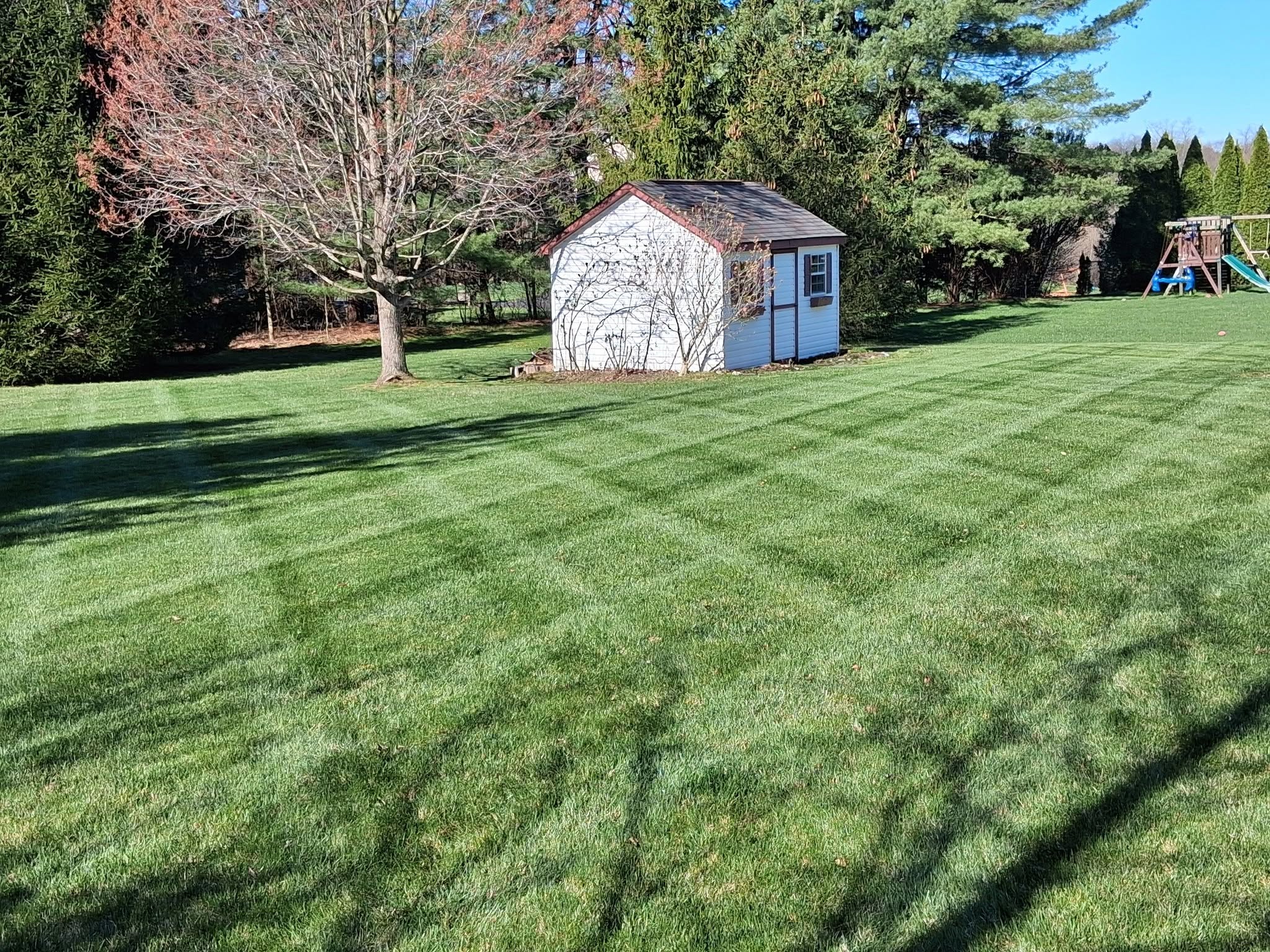
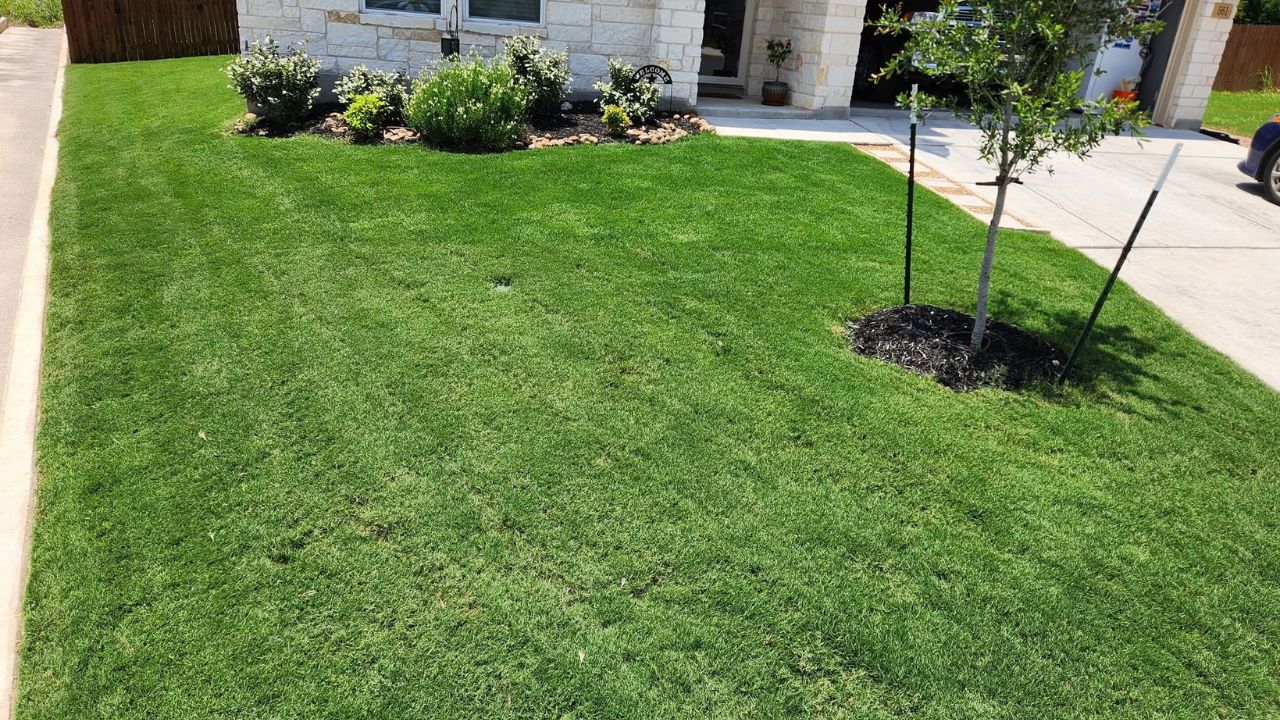
The best lawns I service in Greater Sudbury — the ones that make people slow down when they drive past in July — are almost always lawns where the same person has owned the property for at least seven or eight years and maintained it with some version of a consistent program the whole time.
Not a perfect program. Not expensive. Not always professional. But consistent.
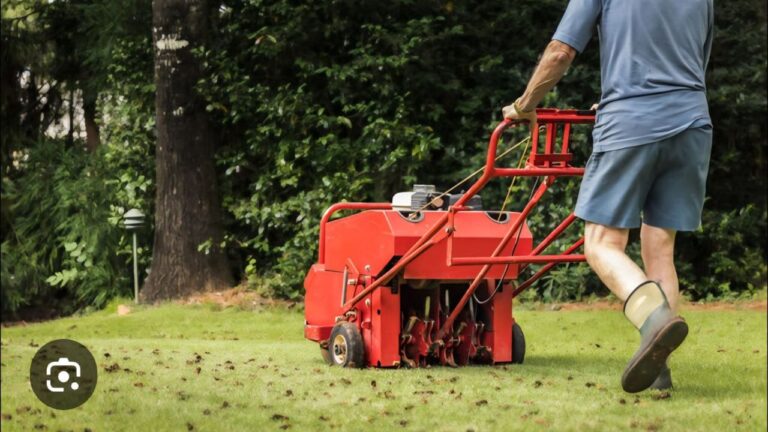
What you see on these properties reflects compounding. Five or six consecutive years of fall aeration means the soil structure is genuinely different — open, workable, able to receive water and push roots. The pH has been managed, even if imperfectly, so the soil chemistry is in a range where fertilizer actually works. The lawn has been overseeded in the thin spots season after season, so the turf density is real — thick enough to shade the soil underneath, thick enough that weeds can’t find much bare ground to establish in.
The root systems on these lawns go deep. I can feel it when I push the screwdriver in and it slides through loose, organically rich soil to four or five inches. I can feel it in July when the lawn holds its colour through a dry stretch that browns out everything around it. Those roots are down in the moisture zone that surface drying doesn’t reach. They didn’t get there in one season. They got there because the conditions that allow deep root growth — loose soil, consistent aeration, correct mowing height — were maintained year after year until the compounding effect accumulated into something visible.
These lawns also have a history I can read. The homeowner knows when the last sod section was laid. They know whether they lime every other year or every year. They know which corner of the yard has always been wet and what they’ve done about it. That institutional knowledge about the property is itself a form of maintenance. Knowing the lawn’s specific history means never starting from zero.
The 3-Owner Lawn — What Gets Lost Every Time the Property Changes Hands
Now here’s the version I see just as often, and it’s a pattern that almost every real estate transaction in Sudbury participates in without anyone noticing.
Owner one buys the property in year one. They’re enthusiastic. They get the lawn aerated the first fall, do a proper spring cleanup, maybe overseed a couple of thin spots. The lawn responds well. By year three it’s looking noticeably better than when they bought it.
Year four they put the house on the market. The lawn is at something close to its best — it’s been managed for three years and the compounding is starting to show. The listing photos look great.
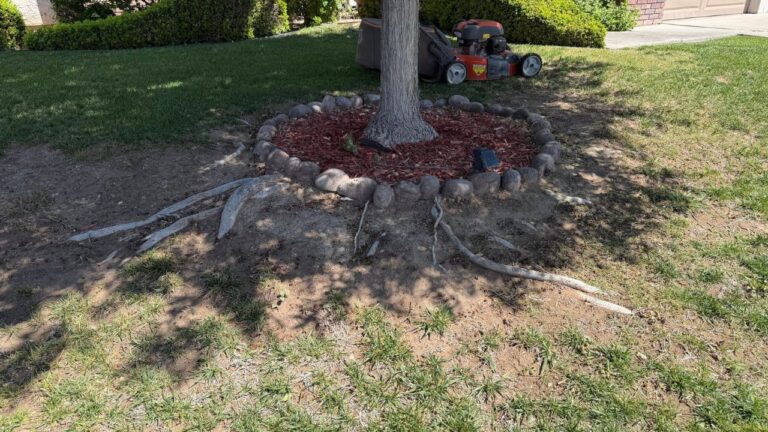
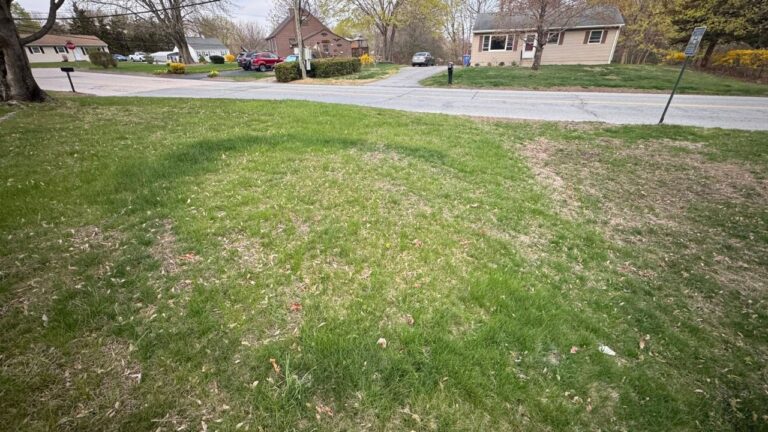
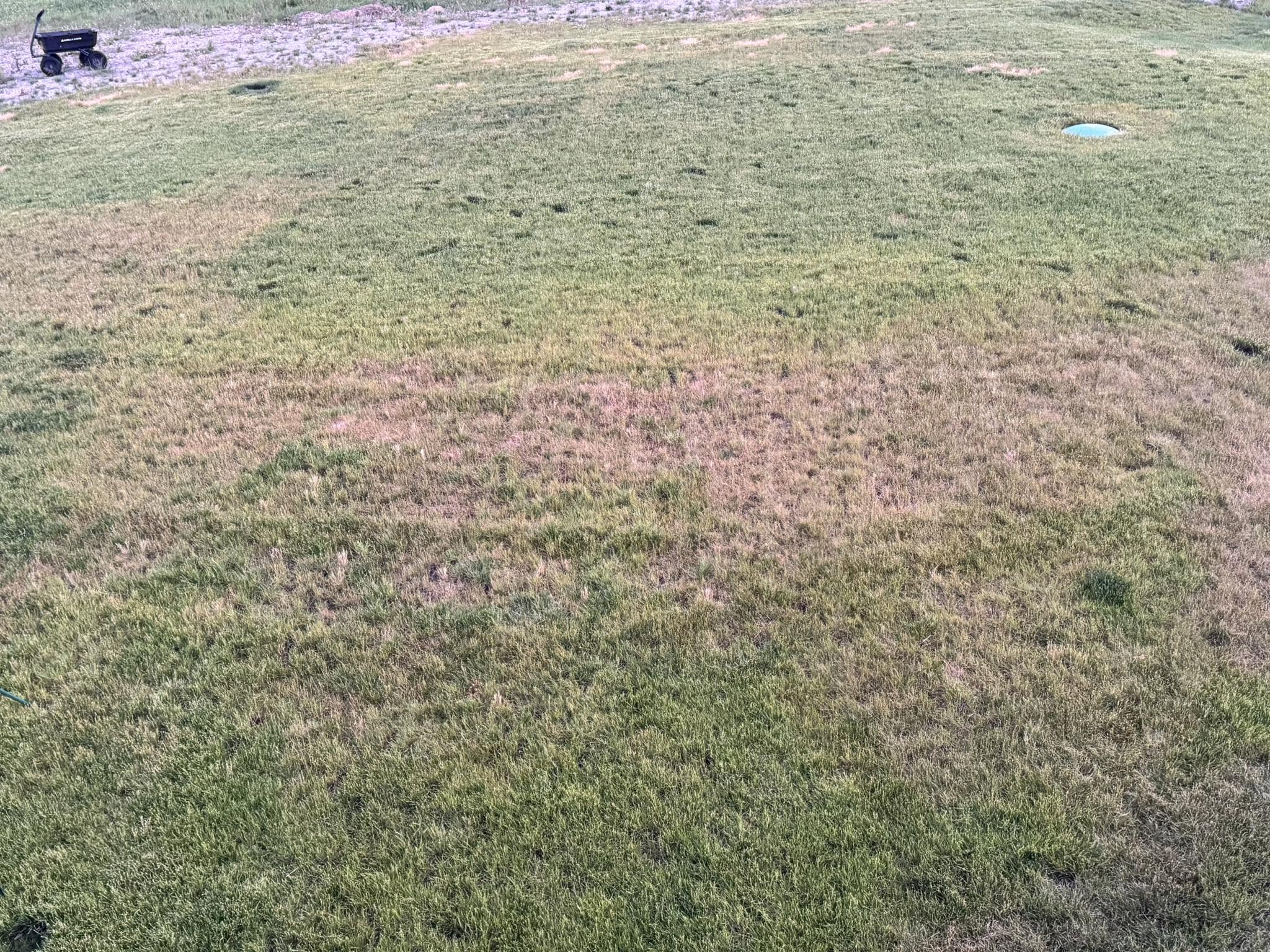
Owner two moves in. They look at the lawn and it looks fine to them. So they mow it, water it when it’s dry, and don’t do much else. They’re busy with the move, the renovations, the adjustments of a new property. The lawn looks okay for a season or two on the momentum of owner one’s work. Then it starts to slide. The aeration gets skipped. The pH drifts. The thin spots that would have been overseeded come back and stay back. By year six or seven, the lawn owner two is standing in is noticeably worse than the one they bought.
Owner two sells. Owner three moves in, sees a struggling lawn, and starts from scratch. They might do a full sod installation — which can absolutely work — but if they don’t understand the underlying soil issues, the history of the drainage, whether the grade is right, they’re laying new sod on the same compacted, pH-drifted, drainage-challenged foundation that made the previous lawn struggle. The sod looks great for a year or two. Then the same problems surface.
This is the accumulated neglect lag playing out across ownership transitions instead of across seasons. Each new owner inherits the underground condition left by the previous one, usually without knowing what that condition is, and often without the institutional knowledge to understand why the lawn is behaving the way it does.
I’ve written specifically about the questions new Sudbury homebuyers should ask before closing on a property — because walking in without understanding the lawn’s maintenance history means you’re starting blind. And starting blind on a Sudbury property, where the soil and climate compound problems faster than almost anywhere else in Ontario, is a meaningful disadvantage.
The Specific Things That Get Lost in Ownership Transitions
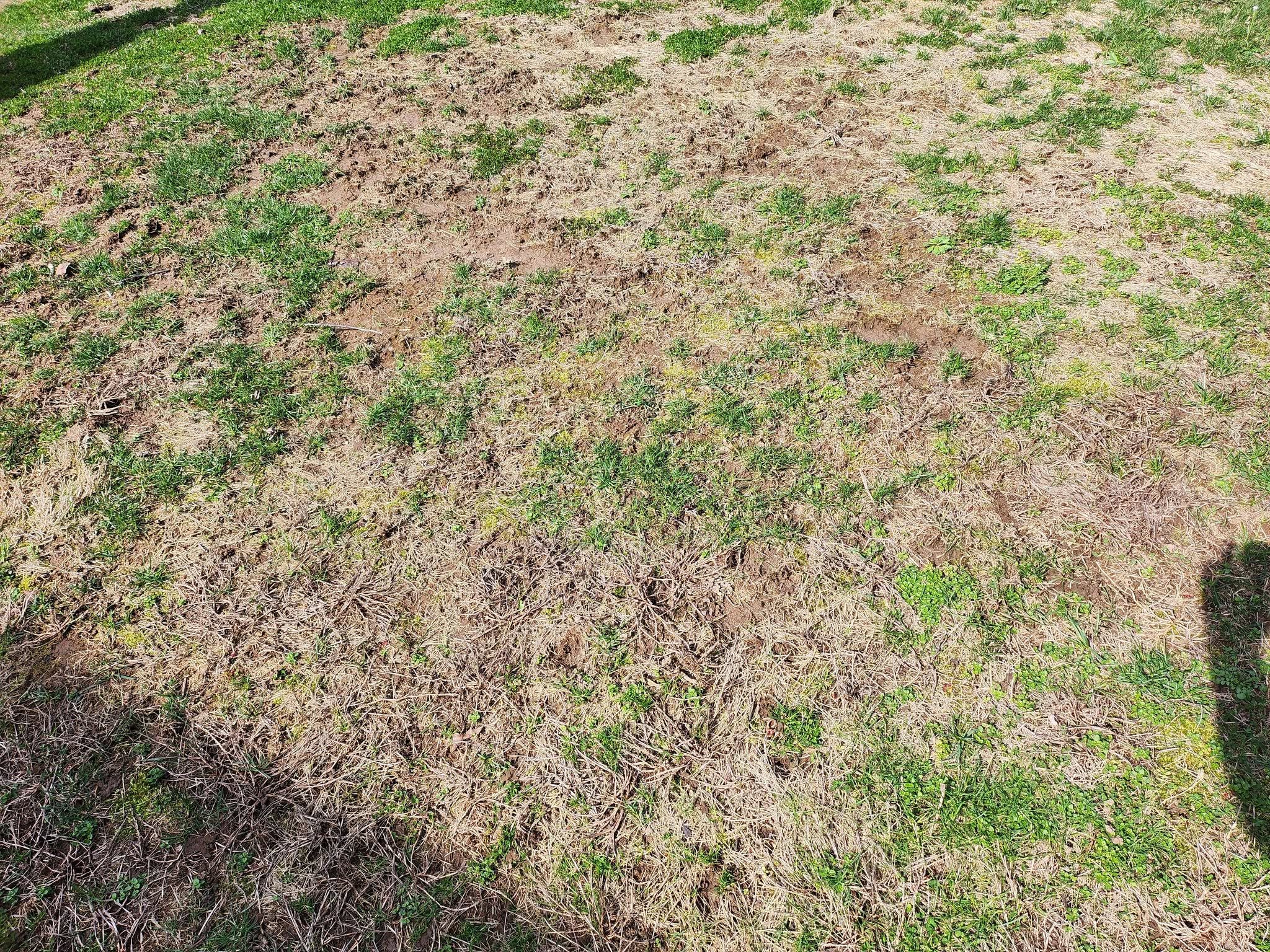
Let me be specific about what actually disappears when a lawn changes hands, because these are things that have real consequences on the ground and most buyers don’t think to ask about them.
Soil test history. If the previous owner tested the soil three years ago and found the pH was 5.4 and applied lime that year and the year after — the incoming owner has no idea. They see a lawn that looks okay and has no obvious symptoms. They don’t know the pH is already heading back toward acidic because the lime applications have run their course. They fertilize in the spring and wonder why the response is underwhelming. The fertilizer isn’t the problem. The pH is — and it was being managed, until the transition.
Drainage knowledge. The previous owner learned three summers ago that the back corner of the yard stays wet for four days after heavy rain. They adjusted their watering schedule accordingly and never overseeded that corner because they knew it was soggy. The new owner doesn’t know any of that. They water the whole yard on the same schedule, make the wet corner worse, and overseed it twice with seed that rots before it germinates. Then they conclude that section just doesn’t grow grass. It does — it just needs to stay dry first.
Equipment settings and mowing patterns. The previous owner mowed at three and a half inches on a pattern that rotated direction every week, knew to skip the section near the downspout until it dried, and sharpened the blade twice a season. The new owner sets the mower at two inches because the previous owners’ lawn looked short in the listing photos. That single setting change — mowing too low — starts the process of shallow root development that shows up as heat stress during the first summer heat dome the new owner experiences.
Aeration schedule continuity. Owner one aerated every fall for four years. Owner two doesn’t aerate at all for three years. The soil that took four years to open is substantially compacted again by the time owner three arrives. Skipping one year of aeration in Sudbury has real consequences — skipping three consecutive years on clay-heavy soil reverses most of the previous gains.
The specific history of problem areas. Owner one knew the sod along the fence line was laid two years ago on a section that had construction debris buried just below the surface — they’d partially excavated it before sodding but hadn’t gotten all of it out. The sod looks fine now but the previous owner was watching it carefully. Owner two doesn’t know any of this. When that section starts failing in year two of their ownership, they reseed it, it fails again, they reseed again, and never connect it to what’s buried underneath. I’ve told this exact story before in the post about what was buried under a Sudbury property that nobody could figure out.
What New Owners Can Do to Break the Reset Cycle
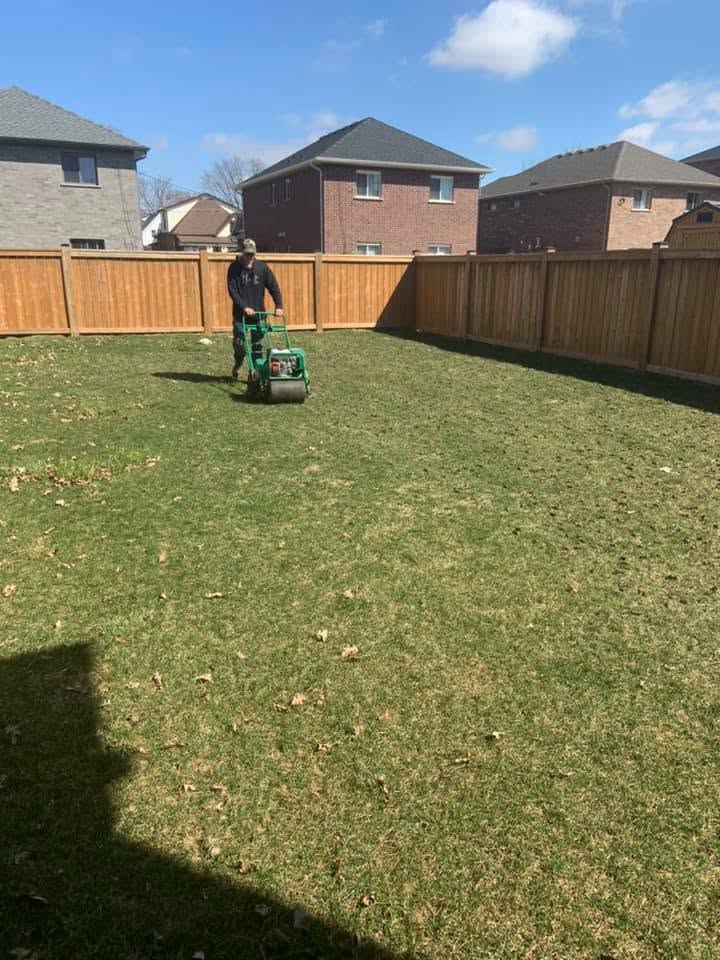
If you’ve recently bought a property in Sudbury and you’re reading this thinking about the lawn you’ve inherited — here’s what I’d tell you to do differently from the typical new-owner approach.
Start with understanding, not action. Spend the first thirty days observing the lawn before you do anything significant to it. Where does water pool after rain? Where does it brown first in a dry stretch? Where does the screwdriver stop too soon? What does the soil look like when you dig a small plug? I’ve laid this out in detail as a full 90-day plan for new Sudbury homeowners — the first third of that plan is entirely observation, and it changes every decision in the next sixty days.
Get a soil test before you buy fertilizer. Don’t assume the previous owner maintained the pH. Don’t assume the soil nutrient profile is anything in particular. A basic test costs very little and prevents you from spending a season applying the wrong thing to soil that needs something different first.
Commit to aeration in your first fall — no matter what the lawn looks like. Even if the lawn looks good. Even if you’re not sure it needs it. Sudbury soil compacts consistently through the freeze-thaw cycle every winter, and there’s no way to know from the surface how many years it’s been since the last aeration without testing. One fall aeration costs you almost nothing relative to the damage a compaction cycle does if you skip it. Core aeration in your first September is the single highest-return action you can take on a newly purchased Sudbury lawn.
Ask for the lawn’s maintenance history before closing if you can. Sellers often don’t think to offer this information — not because they’re hiding anything, but because it doesn’t occur to them that it’s worth sharing. Ask specifically: when was it last aerated, has the soil been tested, has lime been applied, are there any areas that have been problematic. You won’t always get complete answers, but what you do get changes how you approach the first year.
The compounding effect that makes a ten-year same-owner lawn look the way it does is available to you too. You just have to start it intentionally rather than inheriting it accidentally. Year one of consistent care — the right care, based on what the soil actually needs — is the beginning of the same compounding process that produced every great-looking Sudbury lawn I’ve ever walked.
Want to Know Exactly What You’re Working With on Your Sudbury Property?
I do property assessments for new owners and long-term owners alike. If you want an honest read on where your lawn’s soil actually is — not just what the surface looks like — and a clear picture of what the right program looks like for your specific property, I’m happy to come out.
No charge. No pressure. Just information you can actually use.
📞 Call or text me directly: 705-507-6787
Or fill out the free quote form here.
— Ryan Lingenfelter
Owner, Cutting Edge Lawn & Landscaping
Garson, Ontario