

Every summer, I get calls from homeowners who want to switch mowing companies. Sometimes it’s late June, sometimes July, occasionally August. The reason is almost always the same — something about the current company isn’t working. Maybe the quality has slipped. Maybe they missed a scheduled mow. Maybe the crew changed and the new crew is doing things differently. Maybe it’s just a feeling that the relationship has run its course.
Some of these calls I take and book the work. Some of them I take and end up telling the homeowner something they didn’t expect to hear: switching mid-season has costs that aren’t obvious upfront, and depending on what’s driving the switch, waiting until fall or next spring might actually produce a better outcome than changing companies in July.
This article is the full version of that conversation — what mid-season switching actually costs, when it makes sense anyway, and what to look for in a replacement company that reduces the transition damage.
Why Mid-Season Switches Happen — and Why the Timing Is Usually Wrong
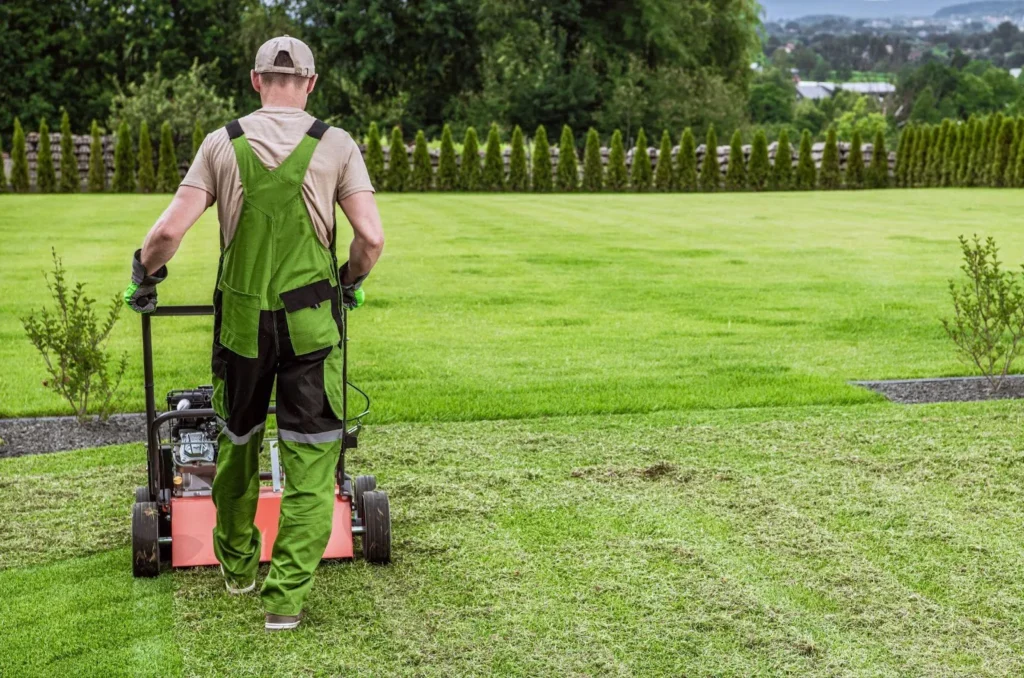
The typical timeline for a mid-season switch: the homeowner had some version of a frustrating experience with their current company in May or June. Maybe it was a single bad job, maybe it was a pattern of small things that accumulated. They gave it a few weeks to see if it improved. By July, they’ve decided they’re done.
I understand this impulse completely. If you’re paying for a service and not getting what you expected, July feels like a logical time to act — you still have two months of mowing season left and you don’t want to spend them unhappy with the company you’re working with.
The problem is timing. July and August are the most stressful months for Sudbury lawns. The dry stretches, the heat, the pressure from grubs and fungal issues that peak in late summer — this is when the lawn is least resilient and most vulnerable to disruption. Introducing a new mowing regime in July is introducing change at exactly the moment when the lawn is least equipped to handle it well.
That doesn’t mean you should never switch mid-season. It means the disruption cost is higher in July than it is in April or September, and that cost should be part of the decision rather than something discovered after the fact.
The Costs Nobody Tallies Before Making the Switch
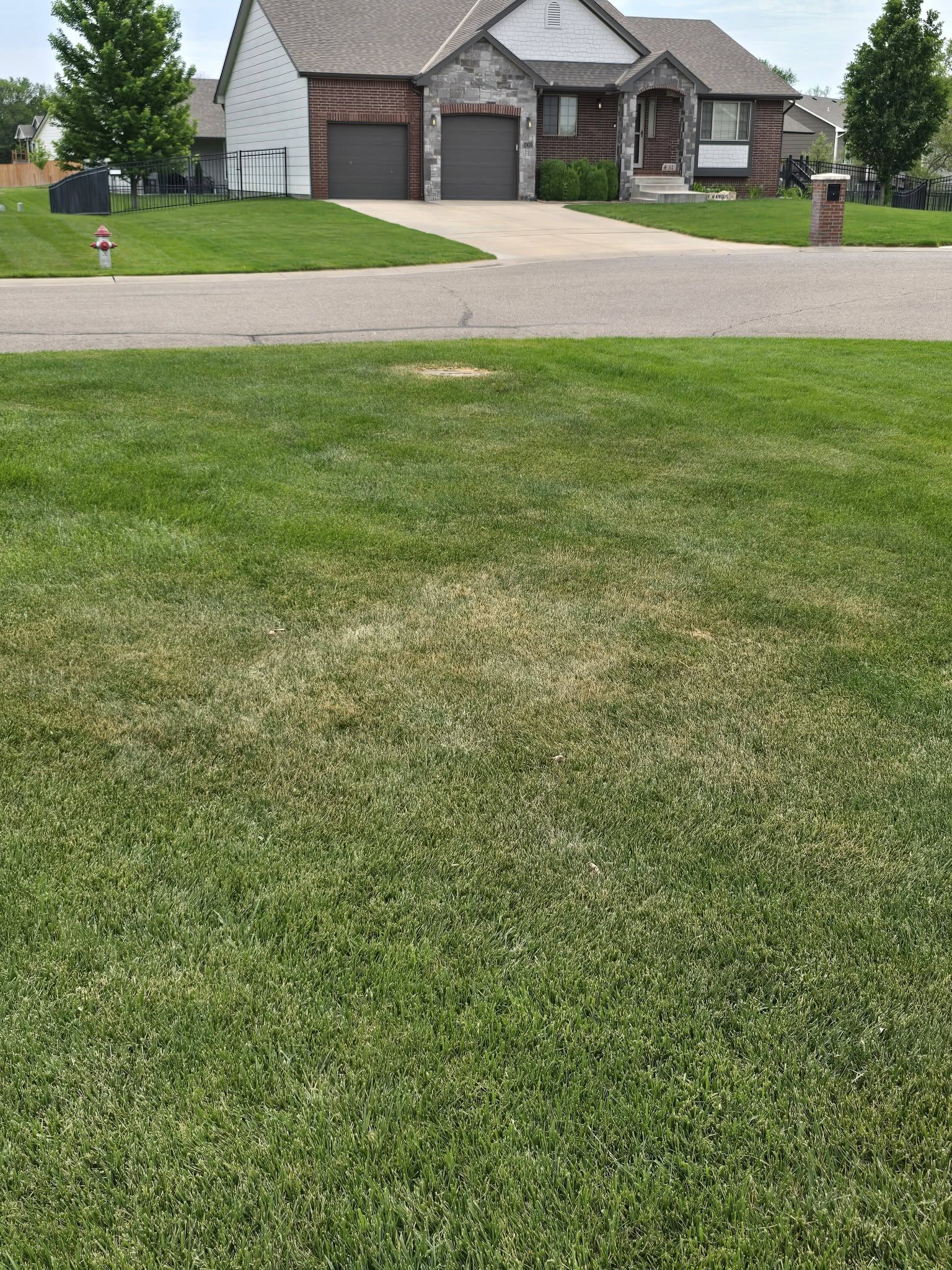
Here’s what actually happens when a Sudbury lawn changes mowing companies mid-season, broken down into the specific costs that are rarely considered upfront.
The Mowing Height Transition
Every mowing company has a default mowing height — the deck setting they use unless instructed otherwise. The right height for a Sudbury lawn is 3 to 3.5 inches, and I’ve written about why this matters in the crew standards piece. But not everyone holds that standard, and the current company’s default height may be different from the new company’s default height.
If the current company has been mowing at 3.5 inches and the new company starts mowing at 2.5 inches, the lawn gets a significant shock in July or August — the worst possible time for it. The grass, already under heat and drought stress, suddenly loses an inch of blade length that was providing shade to the soil surface and insulation to the crown. That kind of height change in midsummer can trigger browning and stress that looks like disease or drought but is actually a mowing-change injury.
Conversely, if the previous company was mowing too short and the new company tries to bring it to the right height, the correction has to happen gradually — no more than a third of the blade length in any single mow. A lawn that’s been cut at 2 inches and suddenly gets cut at 3.5 inches looks inconsistent for several mow cycles while the grass adjusts. In July heat, that transition period is harder on the lawn than the same correction done in spring or fall.
The Pattern Change Stress
Mowing pattern — the direction and path the mower takes across the lawn — affects how the grass blade grows and leans. A lawn that’s been consistently mowed in one pattern develops a visual grain. Changing the mowing company changes the mowing pattern, and in midsummer when the grass is already under stress, that pattern change creates an uneven visual result for several weeks while the grass reorients.
This is cosmetic rather than damaging, but it’s the first thing homeowners notice after a company switch and it often gets interpreted as evidence that the new company isn’t doing a good job. In reality, any mowing company taking over a lawn mid-season will produce a different visual pattern than the previous one for the first several mows. That’s unavoidable and it settles out. But the expectation that the lawn will immediately look better after the switch is almost always wrong — it usually looks different, not immediately better.
The Knowledge Gap
This is the one that matters most over the longer term. A company that’s been mowing your property since April knows things about it that no new company knows in July: which sections grow faster and need more passes, where the soft spot is that needs to be avoided when the ground is wet, which bed edge is fragile and needs care on the turn, which section is in full afternoon sun and needs a higher deck setting than the shaded areas.
That property knowledge develops over months of regular visits. A new company starting in July has none of it. They’ll develop it — but in the meantime, the learning period happens on your lawn during the most stressful month of the year.
I described this knowledge-gap issue from a different angle in the piece on what “lawn care near me” searches actually get you — the value of continuity and property-specific knowledge is exactly what a mid-season switch forfeits.
The Gap Period Between Companies
There’s almost always a gap between when the previous company does their last mow and when the new company starts. If that gap is one week, the lawn goes two weeks without mowing during a growth period. In early to mid-summer when growth rates are high, a two-week gap means the grass may have grown 3 or 4 inches by the time the new company arrives.
A new crew arriving to a lawn that’s grown significantly past its normal mowing height faces a harder first mow — more material to remove, more risk of shocking the grass by removing too much at once, and more debris on the surface afterward that needs to be handled. That first mow after a gap almost never looks clean, and it’s another thing that can create a negative first impression of a new company that’s actually doing things correctly.
The Scheduling Void
Mid-season, most established mowing companies in Sudbury have full schedules. A company with openings in July for a new residential mowing client may have those openings because other clients have left — which raises its own question. Or they may have a crew that’s been expanded and is less experienced than the core team. Or there may be a legitimate reason for availability — a client moving, a property being sold. But mid-season availability is worth asking about, not just accepting as convenient.
What a New Company Doesn’t Know About Your Property in July
I want to go deeper on the knowledge gap because I think it’s the thing most underestimated by homeowners making a mid-season switch.
By July, a company that’s been on your property since spring has developed an accumulated picture of what the lawn does — how fast different sections grow, what the soil feels like underfoot in different areas, where the drainage issues concentrate after rain, what the lawn looked like before and after each visit. That picture informs every decision: when to schedule, what height to use, which areas need extra attention, when to let the homeowner know something looks off.
I’ve written about early warning signs in the July problems article — the footprint test, colour shift, soft spots. A company that’s been on your property through May and June will have noticed these things developing. They have a baseline. They know what “normal” looks like for your property and can identify when something has changed.
A new company in July has no baseline. Everything they see is just what the lawn looks like right now, with no context for what it looked like eight weeks ago or what the progression has been. The soft spot they notice in your back corner — is that new, or has it been there since May? The section going slightly yellow — is that normal for that section, or is it a change from earlier in the season? They don’t know, and they can’t know without several weeks of their own observation to establish a reference point.
This matters for how well problems get caught early and how effectively the mowing service supports the overall health of the lawn rather than just cutting the grass and leaving. A mowing company that knows your property is doing something closer to property stewardship. A new company in July is doing maintenance.
When Switching Mid-Season Is Actually the Right Call

I’ve spent most of this article on the costs of switching mid-season, but I don’t want to leave the impression that staying with a bad company is always better than switching. Sometimes switching mid-season is genuinely the right call, and here’s when.
When Quality Has Deteriorated to Actively Damaging
A company that’s consistently mowing too short, scalping edges, running equipment on wet ground that’s leaving ruts, or cutting at the wrong time of day in ways that stress the lawn — these are situations where staying is doing active ongoing harm. The transition cost of switching is real, but it’s less than the cumulative damage of continuing with service that’s hurting the lawn.
When Communication Has Completely Broken Down
A mowing company that doesn’t respond to concerns, doesn’t show up on schedule without explanation, or isn’t maintaining basic communication with the homeowner — that relationship isn’t serving anyone. The property knowledge a continuing company has is only valuable if they’re using it responsibly. A company that’s present but uncommunicative is not the same thing as a company that actually knows your property.
When Safety Is a Concern
Crew behaviour that damages property, leaves gates open, or creates safety issues doesn’t warrant a waiting period. These are immediate reasons to change regardless of timing.
What to Do If You Switch Mid-Season
If you decide to switch, the transition conversation matters. Tell the new company what height the previous company was mowing at. Ask them what their default deck setting is and whether they’ll match the previous height for the first few mows to avoid shocking the lawn. Tell them about any known issues — the soft spot, the fragile bed edge, the section that floods after rain. You’re giving them the property knowledge shortcut that their own experience would have developed over months.
And set realistic expectations for yourself. The lawn will look different for several mow cycles. The pattern change, the height adjustment, the new crew learning your property — all of this takes a few weeks to normalize. Judge the new company at week six, not week one.
I’ve described the conversation I have with every new customer — including the honest things most companies don’t say upfront — in the hardest conversation piece. If a new company isn’t willing to have some version of that conversation with you before starting work, that’s a signal worth noting.
The piece on finding the right company covers the questions worth asking any potential replacement. And if you’re wondering about how we approach the things that tend to drive mid-season switches — quality checks, communication, consistency — the 47 mistakes article is the most honest thing I’ve written about how I learned to do this better and why those lessons matter for every job we do now.
If you’re thinking about a switch and want a straight conversation about whether it makes sense for your situation, call me. I’ll tell you what I actually think rather than just taking the booking.
For everything we offer across the season, the complete service breakdown covers it all.
Call or text: 705-507-6787
Or fill out the free quote form on the site.
We cover Garson, Val Caron, Hanmer, Lively, Chelmsford, Azilda, Capreol, and surrounding areas.
— Ryan Lingenfelter
Cutting Edge Lawn & Landscaping
Garson, Ontario
705-507-6787
