
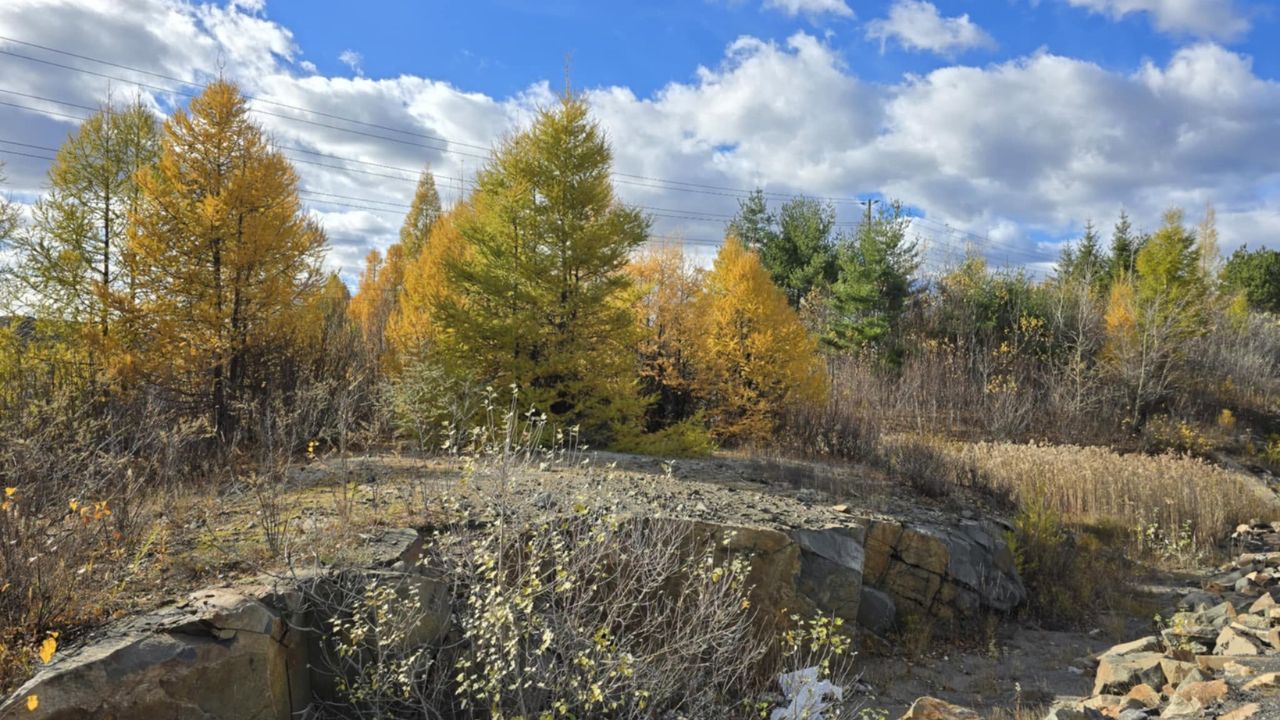
Highway 144 runs north out of Sudbury through Chelmsford, Azilda, and into the more rural stretches beyond. I’ve worked on properties scattered along it and off its side roads for years — everything from larger lots on the outskirts of Chelmsford to rural acreages further north where the nearest neighbour is out of sight across a field.
The people who own these properties often come to me after trying to apply standard lawn care advice — the kind written for in-town Sudbury or, worse, for southern Ontario — and finding that it doesn’t produce the results they expected. Sometimes it’s completely ineffective. Sometimes it makes things worse.
There are specific reasons for this, and they’re not complicated once you understand what’s different about these properties. Here’s the honest breakdown.
What Makes the 144 Corridor Different From In-Town Sudbury Properties
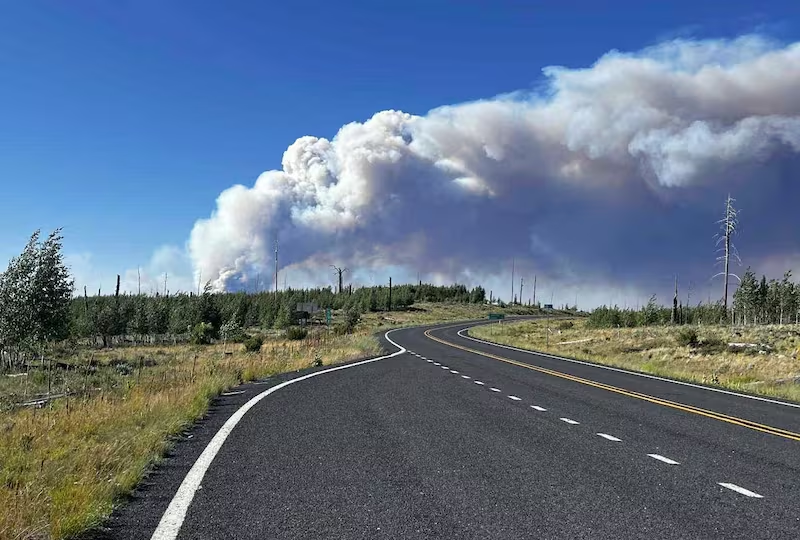
When I say “different,” I mean different in ways that require genuine adjustments — not just doing the same things more or less of them, but doing different things because the conditions are genuinely different.
The properties off Highway 144 tend to share a few characteristics that separate them from a typical Garson or Val Caron residential lot.
First: they’re bigger. Not always dramatically bigger, but consistently more square footage than an in-town lot, often with more variety of terrain across that area — some lawn, some transition zone where lawn meets field or bush, some areas that were never really established as lawn but got mowed anyway and are now somewhere between grass and weeds.
Second: the soil history is different. In-town Sudbury properties, especially in developed subdivisions, had topsoil brought in and graded during construction. That topsoil layer — even if thin by southern Ontario standards — was intentionally placed to support a lawn. Properties along the 144 corridor, especially older rural properties, often have soil that was never properly prepared for lawn use. It’s whatever was there naturally — rocky fill from road construction, sand-heavy glacial material, or thin Shield soil scraped and graded with no topsoil amendment. The lawn that exists was either planted years ago into whatever was available, or it developed naturally and the owner started mowing it and calling it a lawn.
Third: wildlife pressure is higher out here. Skunks, raccoons, crows, and in some areas bears digging for grubs. The wildlife digging that signals grub pressure in an in-town property is more intense, more frequent, and covers larger areas on rural properties along this corridor. Grub populations that might be moderate on an in-town lot are often severe on these properties because there’s more undisturbed habitat for the beetles to establish in surrounding areas.
Fourth: the expectation is sometimes wrong. Some people who’ve moved out to a property on the 144 corridor expect a lawn that looks like a suburban lot. The conditions don’t support that without a level of intervention and ongoing maintenance that doesn’t always make sense economically on a large rural property. The right goal on a lot of these properties isn’t a golf-course-green lawn — it’s a healthy, manageable grass cover that handles the specific conditions out here without constant struggle.
The Soil and Terrain Reality Out Here
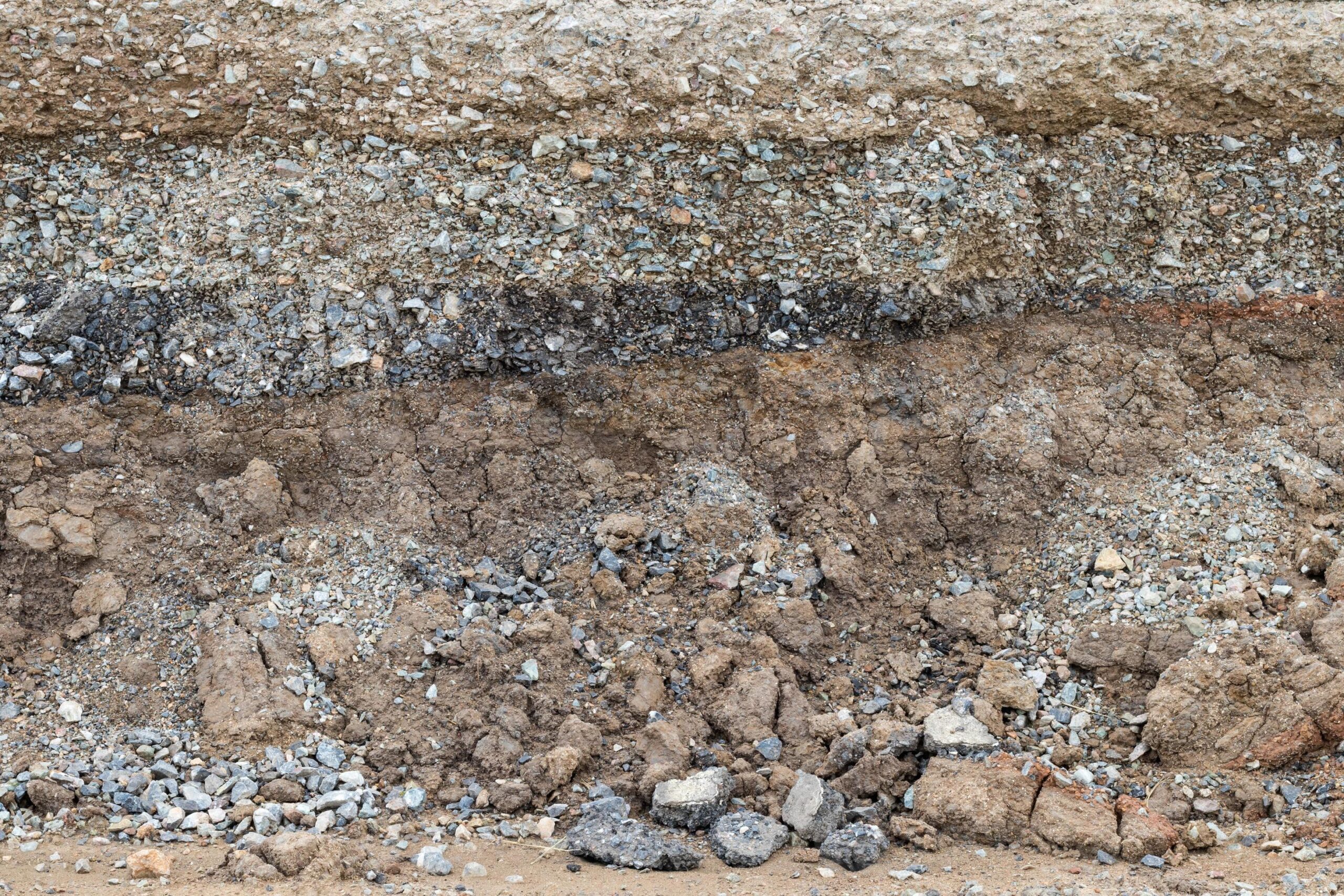
The soil situation on these properties is the most important thing to understand, because everything else — what treatments work, what treatments don’t, what to expect from them — follows from it.
Thin Soil Over Rock Is the Baseline, Not the Exception
Sudbury sits on the Canadian Shield, and I’ve written about what that means for homeowners across Greater Sudbury generally. Along the 144 corridor specifically, the Shield is often closer to the surface than in the more developed parts of the city. Rock outcrops are visible from the road. Lots that look flat from the outside have significant bedrock variation just below the surface.
What this means practically: soil depth varies dramatically across a single property. You can probe the lawn in one spot and get 8 inches of workable soil. Three feet to the left, you hit rock at 3 inches. This variation means the lawn behaves differently across different sections of the same property — some areas have enough root depth to maintain reasonable grass cover through a dry summer, others dry out within days of a dry stretch because there’s simply not enough soil volume to hold moisture.
This soil depth variation is the explanation for the patchy, inconsistent lawn that so many 144 corridor property owners describe. It’s not fertilizer. It’s not seed. It’s that the soil underneath the different sections is genuinely different, and grass responds to soil depth in ways that are invisible from the surface but show up clearly in summer stress patterns.
What Was There Before the Lawn Matters
On older rural properties especially, the “lawn” area was often cleared from bush or field at some point in the past. What’s growing there now is a mix of what was planted intentionally, what colonized naturally, and what’s been maintained by mowing over years or decades. This is not the same starting point as a new residential lawn seeded into prepared topsoil, and treating it the same way produces inconsistent results.
In particular, the grass varieties that dominate naturally-colonized rural lawns are often different from the Kentucky bluegrass and perennial ryegrass blends that work well in more established Sudbury lawns. Overseeding with a standard suburban grass mix into a naturally-colonized rural lawn produces a patchy result because the conditions that support the existing grass are not the same conditions that support the new seed.
Drainage on Large Rural Lots Is Rarely Uniform
Larger properties have more topographic variation and therefore more drainage complexity. Water from higher sections moves to lower sections in patterns that aren’t always obvious without seeing the property after heavy rain. Low spots that hold water for days create chronic wet areas where grass won’t establish or maintain. Slopes that shed water too fast create chronic dry areas even when the rest of the property is adequately watered. Both problems exist simultaneously on most large rural properties out here, and both have to be managed differently than a typical in-town lot.
What Actually Works on These Properties — and What Doesn’t

Let me be specific about what I’ve found works and what doesn’t on Highway 144 corridor properties, because this is where the practical value of the article is.
What Works: Soil Depth Assessment Before Any Other Decision
Before recommending any lawn treatment on a rural property in this corridor, I probe the soil across the lawn area — not just in one spot, but across several sections. The results almost always show significant variation, and that variation tells me which sections can support a lawn improvement effort and which sections will resist it regardless of what’s done because there’s not enough soil.
Sections with adequate soil depth — at least 4 inches of workable soil — respond to aeration, overseeding, and fertilizer in the expected ways. Sections with 2 inches of soil over rock don’t, and spending money treating those sections with the same approach as the deeper sections is wasted money. Those sections need either topsoil addition before treatment, or a realistic acknowledgment that the goal there is ground cover rather than a traditional lawn.
What Works: Grub Assessment as a First Step, Not an Afterthought
On rural properties along the 144 corridor, European chafer grub populations are more consistently present and more often severe than on in-town properties. I now treat grub assessment as a standard first step on any rural property assessment — not because I assume every property has a severe problem, but because the likelihood is high enough that skipping the check and going straight to surface treatments produces the pattern I’ve described in the story of the property where grub damage went undiagnosed for years. Surface treatments on top of an active grub population don’t hold. The grub situation has to be assessed and addressed first.
What Works: Right-Sized Equipment
On larger rural properties, the equipment conversation is different from an in-town lot. A push mower that’s fine for a Garson residential property is impractical on a 2-acre rural lot. The riding mower vs push mower decision lands differently out here — on most properties along the 144 corridor, a riding mower isn’t a luxury, it’s the only practical way to maintain the mowing. What varies is the type of riding mower: standard lawn tractors are fine for relatively flat open areas, but properties with significant slope or terrain variation may need a zero-turn unit with appropriate slope ratings, or a different approach to the slopes entirely.
What Works: Realistic Goal Setting for the Transition Zone
Most rural properties have a clear lawn area near the house and a transition zone where the maintained lawn grades into rougher grass, field, or bush. The approach that works is maintaining the lawn area as a lawn and the transition zone as managed rough grass rather than trying to push the lawn zone out into the transition area. The soil conditions, seed bank, and wildlife pressure in the transition zone don’t support a traditional lawn without an unrealistic level of intervention. Accepting that boundary and managing both zones appropriately produces a better result with less effort than fighting the natural boundary of where a lawn can realistically exist on a given property.
What Doesn’t Work: Standard Suburban Overseeding Into Unprepared Rural Soil
This is the single most common approach that fails on these properties, and the one I see most often when a property owner has tried to DIY a lawn improvement before calling me. They buy a bag of grass seed from a hardware store — typically a sunny/shady mix formulated for southern Ontario conditions — and broadcast it over the existing lawn. It germinates poorly in the sections with thin soil. It doesn’t out-compete the existing natural grass mix in the colonized sections. By August it’s gone and the lawn looks the same as it did before.
The problem isn’t the effort — it’s that the approach doesn’t match the conditions. Overseeding into a rural lawn along the 144 corridor needs to be preceded by soil assessment, appropriate ground prep in the sections where seeding will actually work, and realistic expectations about which sections will respond and which won’t.
What Doesn’t Work: Annual Aeration Skipped Because “It’s a Big Property”
I hear this one fairly often. The thinking is that aeration on a large rural lot is more involved and expensive than on an in-town property, so it gets skipped to save money. The problem is that the compaction dynamic on Shield soil doesn’t change because the property is large — it’s still happening every year, and it still has the same cumulative effect on root depth and lawn resilience. Annual aeration in the right window matters on a rural lot the same way it matters on a small suburban lot, and skipping it for budget reasons produces the same compounding decline it produces anywhere else in Sudbury.
The practical adjustment for large rural lots is to prioritize the aeration in the sections closest to the house where lawn quality matters most, and scale back in the transition zone sections where the expectation is managed rough grass rather than a traditional lawn. That targeted approach is more cost-effective than aerating everything uniformly or skipping it entirely.
The Long Game on Rural Sudbury Properties
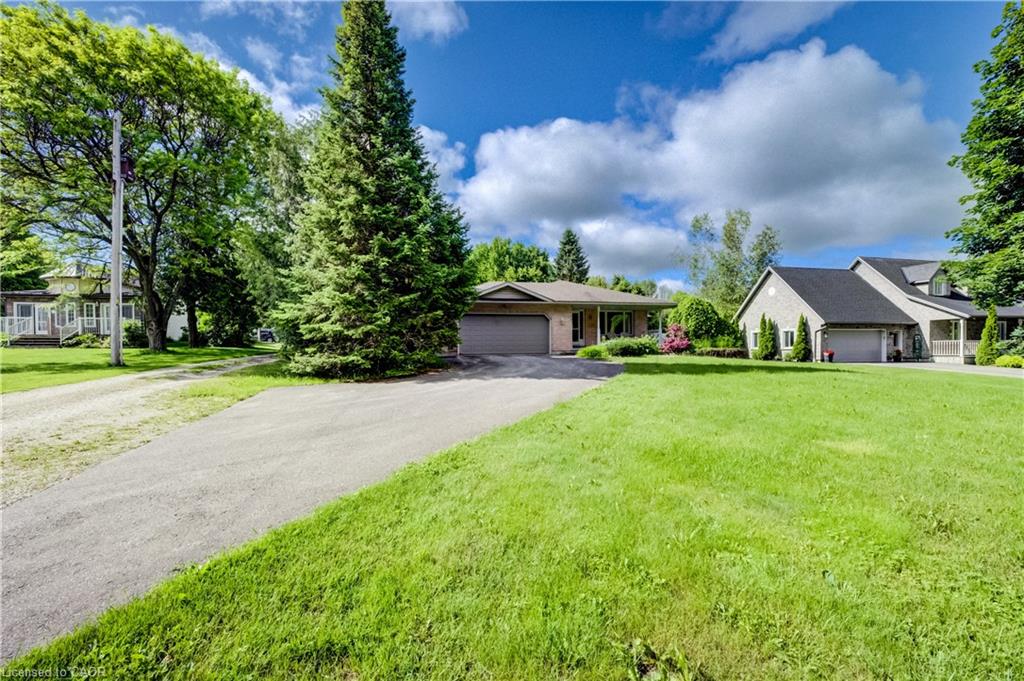
I’ve written about long-term planning for Sudbury properties in the piece on what young homeowners should plan for over 15 years. The rural property version of that article would be longer, because there are more variables at play on a larger, less managed property.
The key insight for rural properties along the 144 corridor is this: the goal isn’t to make the property look like an in-town suburban lawn, and trying to get there will cost more than it’s worth and produce inconsistent results. The goal is a property that looks cared for, that has well-maintained grass in the areas closest to the house, and that has the rest managed in a way that’s realistic for the soil and terrain conditions.
Getting there takes honest assessment upfront, realistic expectations about what different sections of the property can support, and the right maintenance habits in the right sections rather than a uniform approach applied everywhere. That’s the conversation I have with every new rural property customer, and it’s the conversation that makes everything after it more productive.
If you’re on a property off the 144 corridor — or anywhere in the rural areas around Greater Sudbury — and you’ve been struggling with lawn care that doesn’t seem to be working, I’d start with a property walk and soil assessment before spending any more money on treatments. Understanding what the ground is actually doing is the first step toward treating it in a way that holds.
For everything we do across the full service range — rural properties included — the complete service breakdown covers it.
Call or text: 705-507-6787
Or fill out the free quote form on the site.
We cover Garson, Val Caron, Hanmer, Lively, Chelmsford, Azilda, Capreol, and surrounding areas — including rural properties along the Highway 144 corridor.
— Ryan Lingenfelter
Cutting Edge Lawn & Landscaping
Garson, Ontario
705-507-6787
