
Every May I do a lot of quote walks.
Homeowners call after the snow melts, see what winter left behind, and want to know what they’re dealing with. I drive out, walk the property, look at what’s actually going on, and tell them honestly what I see.
This May I walked 40 properties across Greater Sudbury — Garson, Val Caron, Hanmer, Lively, Chelmsford, Azilda, Capreol. Different sizes, different ages, different levels of maintenance history. Some immaculate. Some rough. Most somewhere in between.
I’m Ryan Lingenfelter, owner of Cutting Edge Lawn & Landscaping in Garson, Ontario. I’ve been doing this since 2020 and I’ve walked hundreds of properties in this area. But this May was interesting — because one problem showed up on almost every single property I assessed. Not half of them. Almost all of them.
Here’s what it was, why it matters, and what you can do about it before summer hits.
What I Found on Almost Every Property
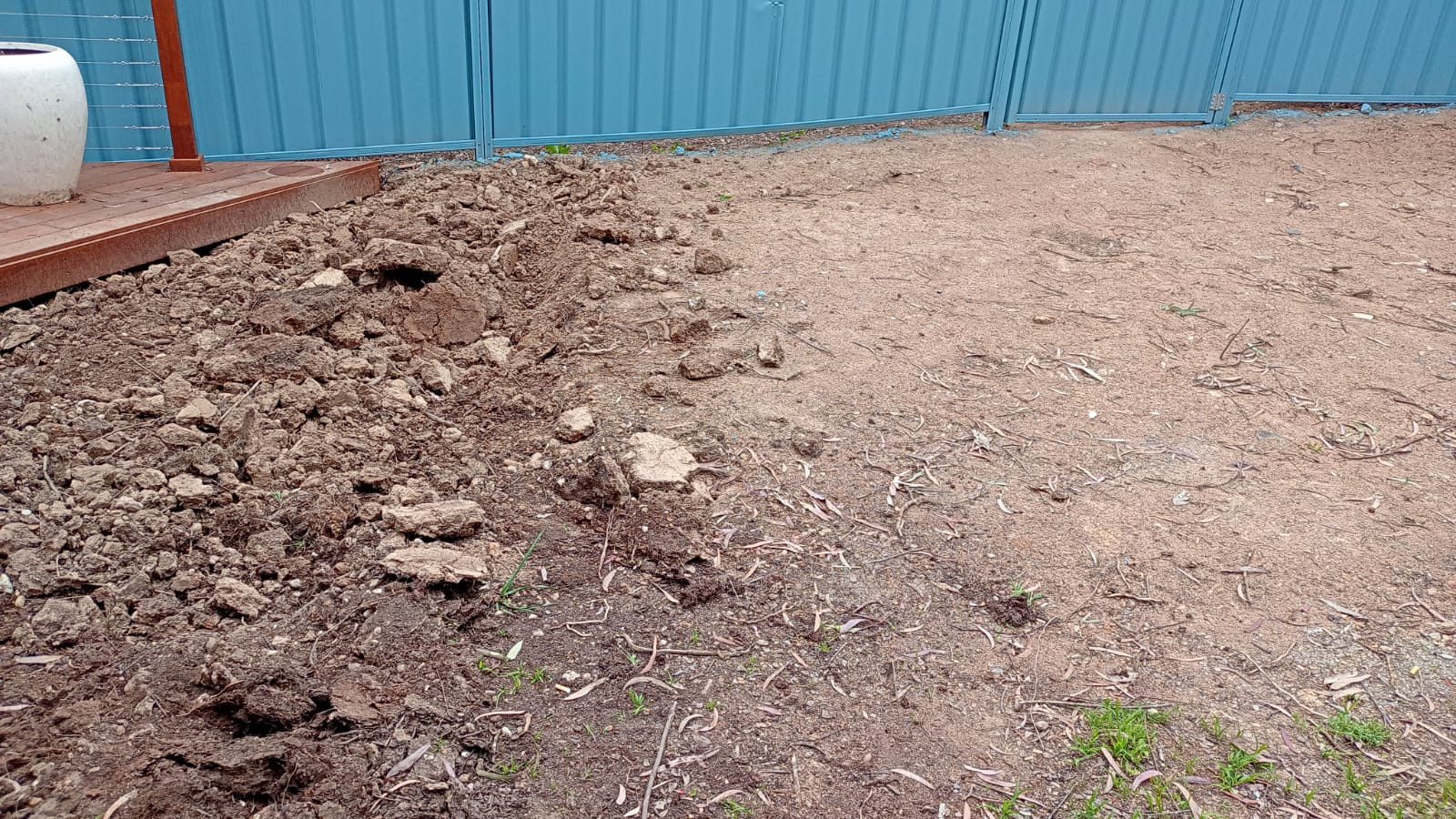
Soil compaction. Severe, widespread, and almost always worse than the homeowner realized.
I know that’s not a dramatic reveal. It doesn’t sound like the kind of thing that explains a struggling lawn. But stay with me — because once I show you what compaction actually does to a Sudbury lawn and how to spot it yourself, you’re going to look at your grass differently.
Here’s the test I did on almost every property I walked this May. I pulled out a regular screwdriver and pushed it into the soil in what should have been a healthy section of lawn. On a lawn with good soil structure, a screwdriver goes in easily to 6 inches with hand pressure. On a compacted lawn, it stops at 2 or 3 inches — sometimes less — and you have to push hard to get it to move at all.
Out of 40 properties, I had maybe five where the screwdriver test showed genuinely healthy soil structure. The other 35? Stopped at 2 to 3 inches. On several properties it barely moved at all.
That’s what’s underneath the lawn that looks okay from the street. That’s what the grass is trying to root into every spring.
Why Sudbury Specifically Has This Problem So Badly
Compaction exists on lawns everywhere. But Sudbury has it worse than most places, and here’s why.
Our winters do real damage to soil structure
Six months of snow load pressing down on the same ground. Freeze-thaw cycles that expand and contract the soil repeatedly. Frozen ground that prevents any normal soil activity for half the year. By the time the snow melts in April, Sudbury soil has been compressed and worked over by the winter in ways that southern Ontario lawns simply don’t experience to the same degree.
This happens every year. And every year the damage compounds slightly unless something is done to address it. A lawn that’s been through five or six Sudbury winters without aeration has progressively tighter soil each season — even if the homeowner has been doing everything else right.
Our soil is clay-heavy by nature
Sudbury sits on Canadian Shield geography with soil that tends toward clay in the residential areas. Clay compacts more readily than sandy or loamy soil, holds compaction longer, and is less forgiving of traffic and load. A Sudbury clay soil that gets compressed tends to stay compressed unless something physically opens it up.
Winter foot traffic happens before anyone thinks about it
People walk across their lawns all winter — taking shortcuts, checking on things, letting dogs out. They walk on frozen ground that feels solid, not realizing that the ice and compaction underneath is being compressed with every step. By spring, the areas with regular foot traffic have soil that’s noticeably harder than areas that were left alone.
What Compaction Actually Does to Your Lawn
Here’s why this matters so much. Compacted soil doesn’t just make it hard for a screwdriver to go in. It changes how your entire lawn functions.
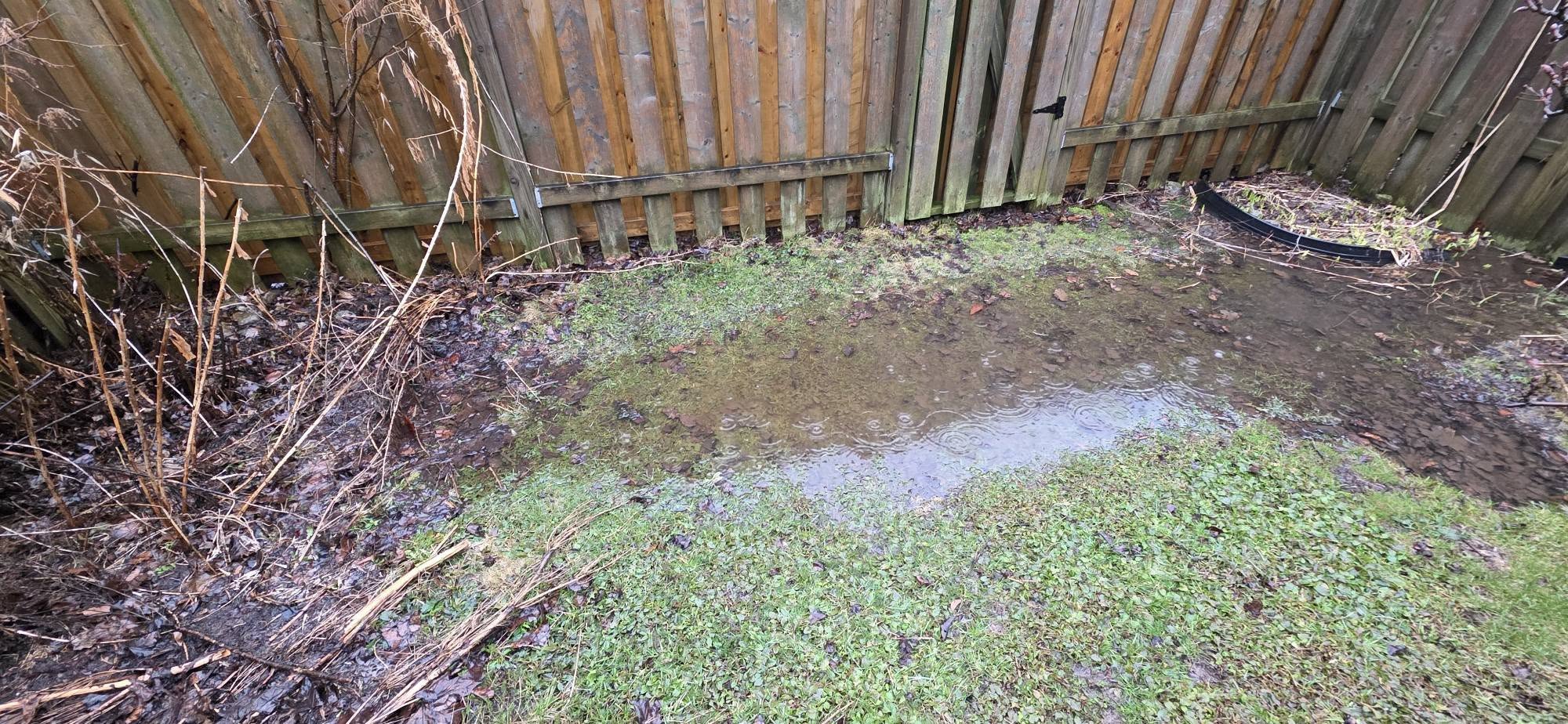
Water stops absorbing properly. Instead of soaking into the soil, water sits on the surface or runs off. You can water your lawn and have almost none of it reach the root zone. This is why compacted lawns brown out faster in July — it’s not that they’re getting less water, it’s that the water isn’t getting through.
Roots can’t go deep. Grass roots follow the path of least resistance. When the soil is compacted, roots hit resistance just a few inches down and spread laterally instead of going deep. Shallow roots mean a lawn that can’t handle heat, drought, or stress. The grass looks okay when conditions are good and fails fast when they’re not.
Fertilizer and nutrients don’t reach the roots. Everything you put on the surface — fertilizer, top dressing, anything — has to work through compacted soil to get where it’s needed. On a severely compacted lawn, a significant portion of what you apply never makes it to the root zone. You’re spending money on treatments that aren’t fully working because the delivery system is blocked.
Weeds move in. Weeds are better adapted to poor soil conditions than grass. Compacted soil with shallow grass roots gives weeds exactly the opening they need to establish. The lawn thins out, the weeds fill in, and by August the homeowner is wondering why there are so many weeds despite everything they’ve done.
How to Tell If Your Lawn Has This Problem
You don’t need professional equipment to check for compaction. Here’s what I’d tell any Sudbury homeowner to do this weekend.
The screwdriver test. Take a standard screwdriver and push it into your lawn — not a spot that’s obviously dead or problem area, but what looks like a healthy section. Push with steady hand pressure. If it goes in easily to 6 inches, your soil is in decent shape. If it stops at 2 or 3 inches or less, you have compaction worth addressing.
The water test. Run your sprinkler or hose on one section of lawn for a few minutes, then watch what happens. Does the water absorb immediately or does it sit on the surface before soaking in? Water that puddles briefly before absorbing is fine. Water that sits for more than a few seconds or runs sideways instead of soaking in indicates significant compaction.
Look at the lawn after rain. After a good rain, walk across your lawn. Does it feel slightly spongy — some give underfoot? Or does it feel like walking on packed dirt with grass on top? Healthy soil has some give. Compacted soil feels like a hard floor covered in carpet.
Check the problem areas. If your lawn has sections that go brown faster than others, thin out more each year, or seem to struggle despite watering — those are almost always compaction areas. Healthy soil and struggling soil often exist in the same lawn, and the difference is usually compaction in the struggling sections.
What Actually Fixes It — And What Doesn’t
Here’s where I want to be direct, because there’s a lot of bad advice online about fixing compaction.
Watering more doesn’t fix compaction. I see this constantly. The lawn is struggling, the homeowner waters more, the lawn still struggles. More water on compacted soil doesn’t penetrate — it runs off or pools. You’re not solving the problem, you’re masking it temporarily.
Fertilizing doesn’t fix compaction. Same issue. Fertilizer applied to compacted soil doesn’t reach the root zone effectively. You’re spending money on a treatment that can’t fully work until the delivery problem is solved.
Overseeding without aerating doesn’t fix compaction. New seed germinates in compacted soil but can’t establish deep roots. The seedlings come up, look okay for a few weeks, and then fail at the first stress event because they never got rooted properly.
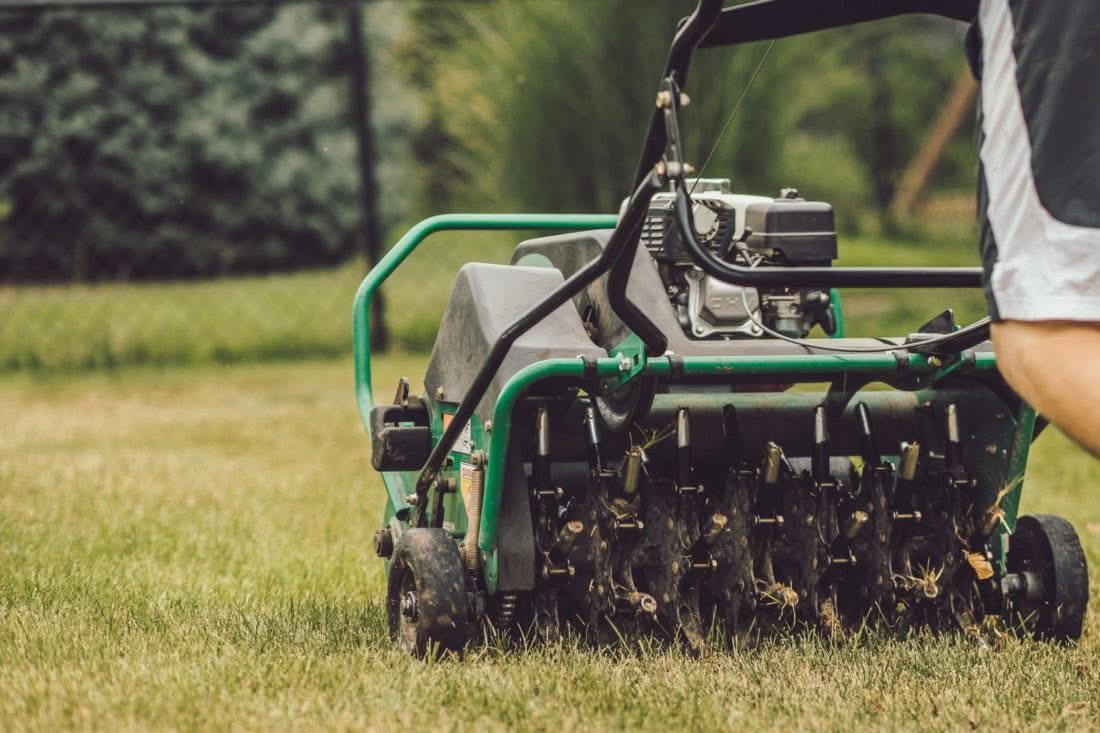
Core aeration fixes compaction. This is the direct, mechanical solution. A core aerator pulls plugs of soil out of the ground — typically about the size of your finger, spaced a few inches apart across the entire lawn. Those holes stay open for weeks, allowing water, oxygen, and nutrients to get down to the root zone. The soil around the holes decompresses slightly into the space. The roots start growing into the loosened areas.
Done in late May — which is exactly where we are right now — the lawn has the entire summer to take advantage of loosened soil before winter compresses it again. The difference in how a lawn handles July heat after a May aeration versus without one is visible and consistent. I see it every year across the properties I maintain.
If you want the full breakdown on timing and what aeration actually involves, I’ve written about it in the Sudbury aeration timing guide here.
The Properties That Didn’t Have This Problem — What They Had in Common
I mentioned that about five of the 40 properties I walked this May had genuinely healthy soil structure. I want to tell you what those properties had in common — because it’s instructive.
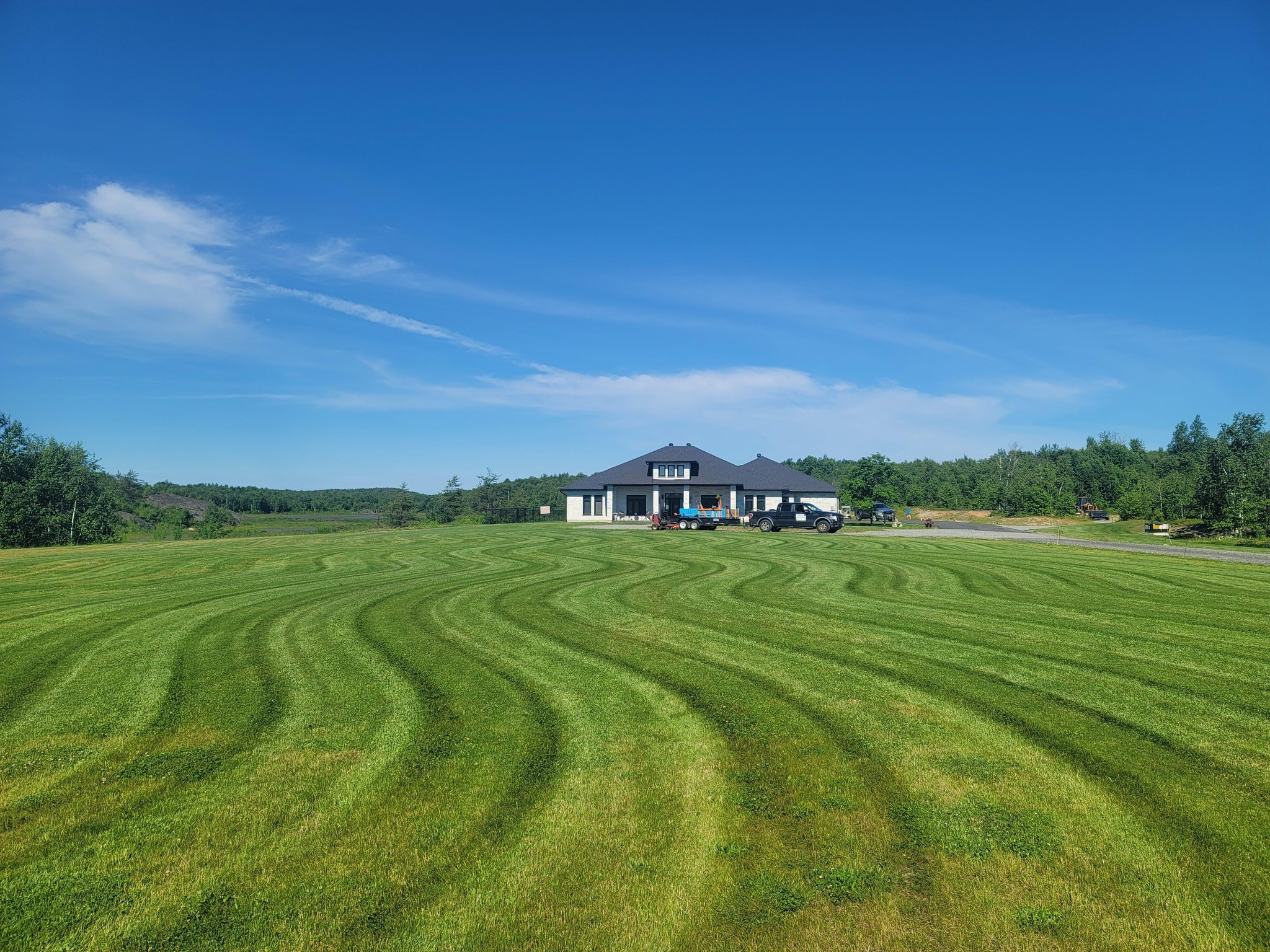
Every single one of them had been aerated annually. Without exception. Some had been on a regular maintenance program that included aeration. Some the homeowner had done themselves every spring. But all five had consistent, annual aeration as part of how the lawn was maintained.
They also tended to have better-looking lawns overall — thicker coverage, deeper colour, less weed pressure. Not because the homeowners were doing dramatically more than their neighbours. Because the foundation was right. When the soil is healthy and the roots can go deep, everything else works better.
The lawns that looked the best in May weren’t the ones that had been fertilized the most or watered the most or treated with the most products. They were the ones that had been aerated consistently. That’s the pattern across five years of walking Sudbury properties in spring.
What I’d Do Right Now If Your Lawn Has This Problem
If you did the screwdriver test and it stopped short, or the water test showed runoff instead of absorption — here’s the sequence I’d follow.
First, book core aeration for late May or early June. This is the most important single thing you can do for a compacted Sudbury lawn. Not a spike aerator — core aeration that pulls plugs. Spike aerators push soil aside and can actually increase compaction around the spike holes. Core aeration removes material and creates genuine open space.
Second, if the lawn is thin in areas, overseed immediately after aeration while the plug holes are open. Seed falling into aeration holes makes direct soil contact — dramatically better germination than seed spread on compacted surface. Late May through early June is a workable window for spring overseeding in Sudbury.
Third, switch your watering to deep and infrequent — long slow sessions twice a week instead of daily light watering. After aeration, the soil can finally absorb and hold water properly. Don’t go back to the watering approach that was working around the compaction problem. Take advantage of the opened soil and train the roots to go deep. The watering guide here covers the full approach.
Fourth, raise your mowing deck to three inches. This builds deeper roots all season. I’ve written about why mowing height matters so much in the mowing height article here.
Those four things in sequence — aeration, overseeding, proper watering, correct mowing height — produce visible results within four to six weeks. Not a lawn that looks perfect overnight. A lawn that’s visibly healthier and more resilient by the time July heat arrives.
When to Call Someone vs. Do It Yourself
Core aeration is available as a DIY option — most equipment rental places in Sudbury carry core aerators. It’s physically demanding work and the rental machines are less powerful than commercial equipment, so the plugs don’t go as deep. But it’s doable for a motivated homeowner on a manageable lot.
Where I’d recommend calling us:
- Large properties where a full day of physical work isn’t realistic
- Properties with narrow gate access or terrain that makes equipment handling difficult
- When you want it done properly with commercial equipment that pulls deeper plugs
- When you want a full assessment at the same time — I’ll walk the property, identify any other issues, and give you a straight picture of what the lawn actually needs
Call me at 705-507-6787 or fill out the free quote form here. We cover all of Greater Sudbury and late May and early June fill up fast for aeration. If you want it done this season, the time to call is now.
Hope the screwdriver test was useful. Go try it on your lawn today — it takes two minutes and tells you more about your soil than most products or treatments ever will.
— Ryan
Frequently Asked Questions
How do I know if my Sudbury lawn has compaction?
The screwdriver test is the fastest check. Push a standard screwdriver into your lawn with steady hand pressure. If it stops at 2 to 3 inches or less, you have significant compaction. A healthy lawn lets the screwdriver go in easily to 6 inches. You can also check by watching how water behaves after rain or watering — water that pools briefly before absorbing is fine; water that sits for more than a few seconds or runs sideways indicates compaction.
Why do Sudbury lawns get more compacted than other areas?
Three main reasons: Sudbury winters apply six months of snow load and freeze-thaw cycles to the soil every year; Greater Sudbury’s soil tends toward clay, which compacts more readily and holds compaction longer than sandy or loamy soil; and winter foot traffic compresses soil that’s frozen solid before anyone thinks about lawn care. The combination makes annual aeration more important in Sudbury than in most parts of Ontario.
Does core aeration actually fix lawn compaction?
Yes — it’s the most direct mechanical solution. Core aeration pulls plugs of soil out of the ground, creating open channels for water, oxygen, and nutrients to reach the root zone. The surrounding soil decompresses into the vacated space and roots grow into the loosened areas. Done in late May, the results are visible within four to six weeks and the benefits compound over multiple seasons of consistent aeration.
Can I aerate my Sudbury lawn myself?
Yes — core aerators are available for rent at most equipment rental places in Greater Sudbury. The rental machines are less powerful than commercial equipment, so plugs don’t go as deep, but a DIY aeration is significantly better than no aeration. The main thing to get right is using a core aerator — not a spike aerator. Spike aerators push soil sideways and can increase compaction around the holes. Core aerators remove material and create genuine open space.
How often should I aerate my Sudbury lawn?
Every spring for most Sudbury properties. Our winters compact soil significantly every year, so annual aeration is maintenance rather than an optional treatment. The five properties I walked this May with healthy soil structure had all been aerated annually — without exception. Properties that skip aeration for multiple years show progressively tighter soil and increasingly struggling lawns.
Ryan Lingenfelter is the owner of Cutting Edge Lawn & Landscaping in Garson, Ontario. Since 2020, his crew has provided full lawn care services across Greater Sudbury — Garson, Val Caron, Hanmer, Lively, Chelmsford, Azilda, and Capreol. Cutting Edge is licensed, insured, BBB A+ rated, and ThreeBest Rated for lawn care services in Sudbury.
📞 Phone: 705-507-6787
📍 Service Area: Greater Sudbury, Ontario
🔗 Free Quote: cuttingedgelawn.ca/quote
Helpful Lawn Care Services in Sudbury
- Core Aeration for Healthy Lawns
- Grass Cutting Services in Sudbury
- Property Cleanup Services
- Sod Installation in Sudbury
Continue Reading
- Spring or Fall — When Should You Actually Aerate Your Sudbury Lawn?
- My Neighbour’s Lawn Looks Better Than Mine — Here’s What They’re Actually Doing Different
- I Had a Bad Sudbury Lawn for 3 Years — Here’s What Finally Fixed It
