
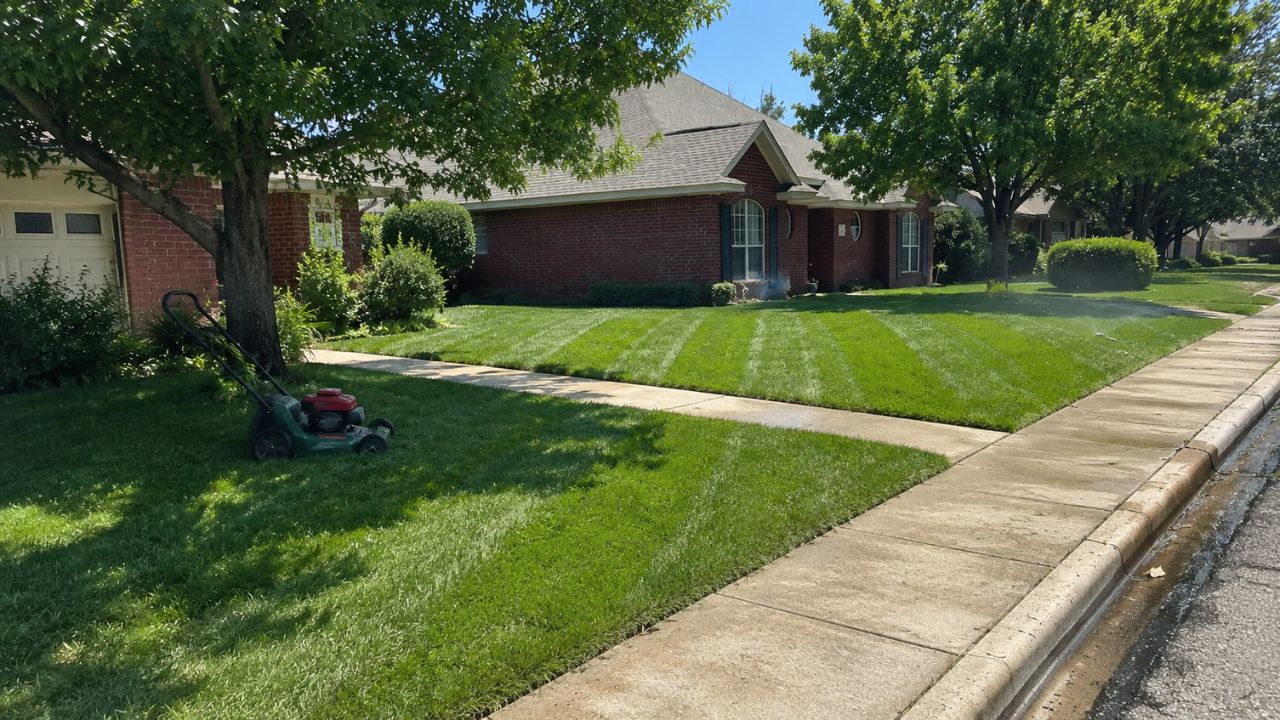
I hear some version of this on almost every property assessment I do.
“I don’t understand it. My neighbour across the street does basically nothing to their lawn and it looks incredible. Mine looks like this.”
I’m Ryan Lingenfelter, owner of Cutting Edge Lawn & Landscaping in Garson, Ontario. Since 2020, I’ve maintained properties across Greater Sudbury — Garson, Val Caron, Hanmer, Lively, Chelmsford, Azilda, Capreol. And after walking hundreds of properties in this area, I can tell you with confidence that the gap between a great-looking lawn and a struggling one almost never comes down to luck or genetics.
It comes down to a small number of habits done consistently. Some of them are obvious once you know about them. Some of them are counterintuitive. All of them are things any homeowner can do.
Here’s what the homeowners with the best lawns in Sudbury are actually doing.
They’re Mowing at the Right Height — Every Single Time
This is the biggest one. I’ll say it plainly: the single most visible difference between a great Sudbury lawn and a struggling one is almost always mowing height.
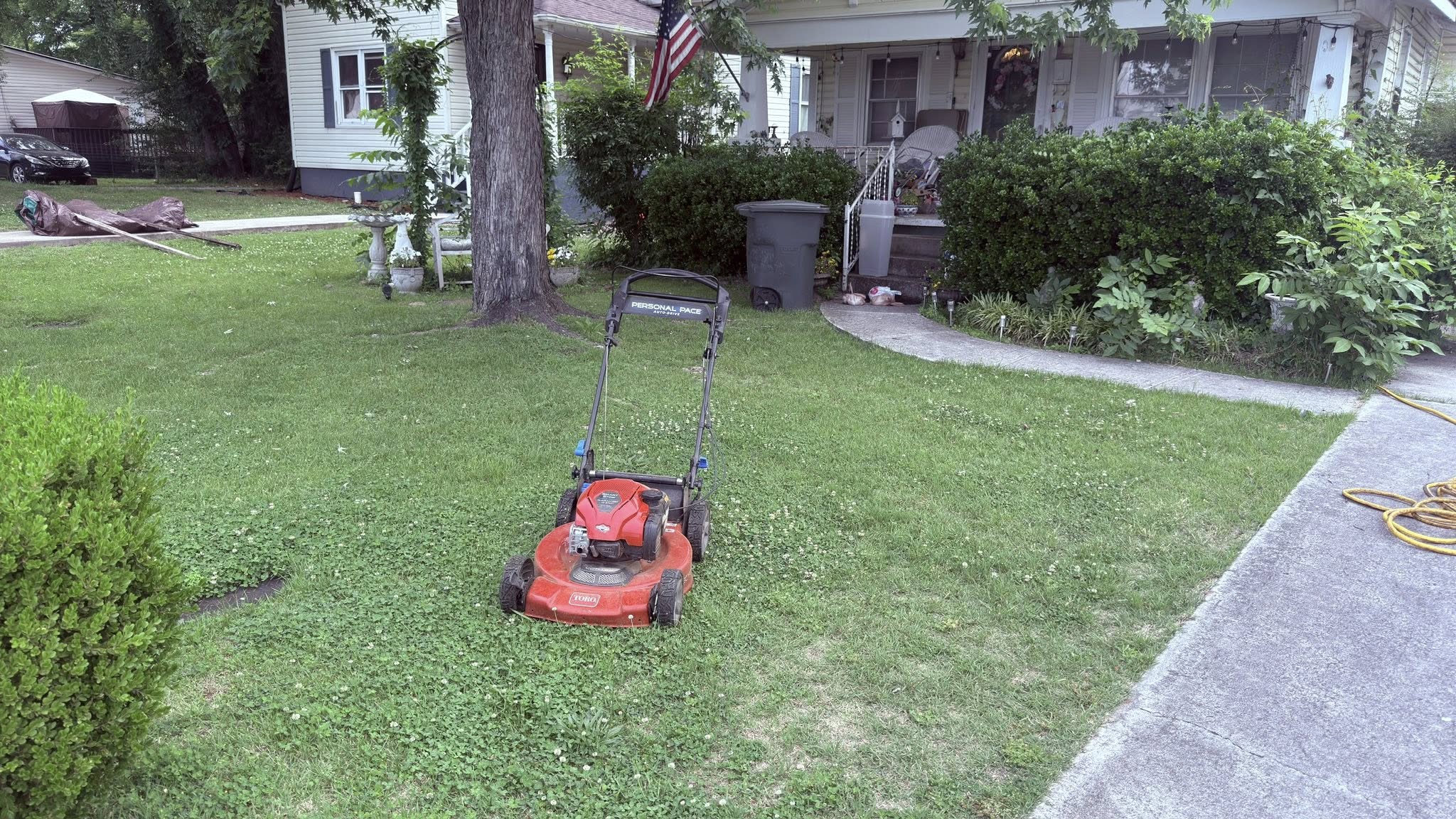
The homeowners with the best-looking lawns on the street are cutting at three inches. Consistently. Not two inches because it looks neater. Not whatever the mower defaults to. Three inches, every cut, all season.
Here’s why it matters so much. The grass blade is where the plant produces its food. A longer blade means more food production, which means deeper roots, which means a lawn that stays green longer in July heat and recovers faster from dry stretches. The dense canopy at three inches also shades the soil — which keeps it cooler, reduces evaporation, and suppresses weed germination.
The lawn across the street that looks thick, dark green, and lush in August while yours is struggling? Almost guaranteed they’re cutting at three inches or higher. The lawn that goes brown in July and has weeds pushing through by August? Almost guaranteed they’ve been cutting too short.
This is the one change that makes the most visible difference in the shortest amount of time. Raise your deck to three inches today and leave it there for the rest of the season. You’ll see a difference within a few weeks.
They’re Watering Deeply — Not Daily
The second thing I notice on properties with great lawns is almost always the watering approach. And it’s counterintuitive for a lot of homeowners.
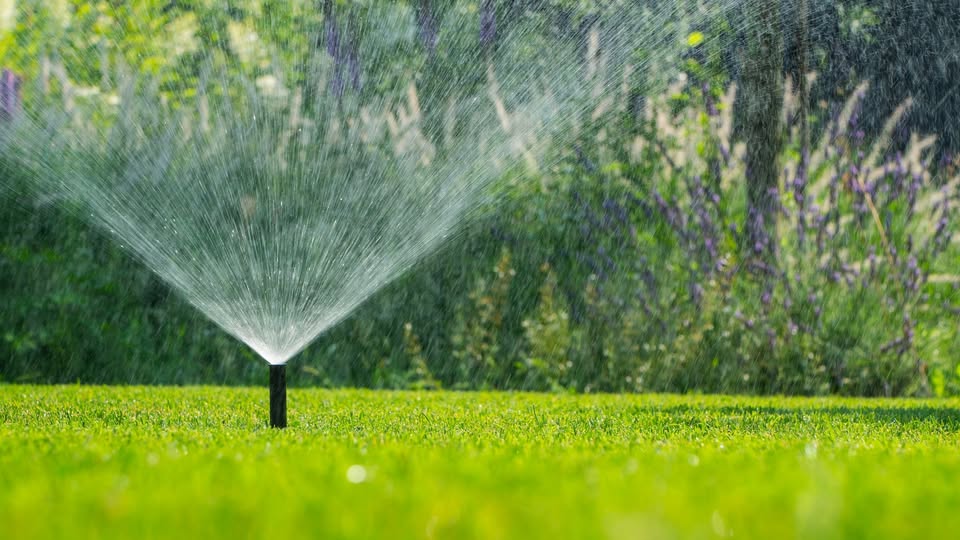
The best-looking lawns in Sudbury are almost never watered every day. They’re watered deeply, twice a week — long slow sessions that push moisture four to six inches down into the soil.
Here’s why this produces better results than daily watering. When you water lightly every day, the moisture only penetrates the top inch or two of soil. The roots follow the moisture and stay near the surface. Those shallow roots can’t handle a dry stretch, heat stress, or anything that cuts off their water supply for a few days.
When you water deeply twice a week, the roots chase the moisture downward. Deep roots can pull moisture from further down in the soil profile during dry stretches. The lawn becomes genuinely drought-resistant rather than dependent on daily watering to stay alive.
The neighbour who waters every morning for twenty minutes has a lawn that looks okay when they’re watering consistently. The neighbour who waters for an hour twice a week has a lawn that handles July without them thinking about it.
Water in the early morning — between 5am and 9am — so the grass dries during the day and you’re not creating conditions for fungal issues overnight. I’ve covered this in detail in the Sudbury lawn watering guide here if you want the full breakdown.
They Aerate Every Spring
This is the one that surprises homeowners most when I tell them.
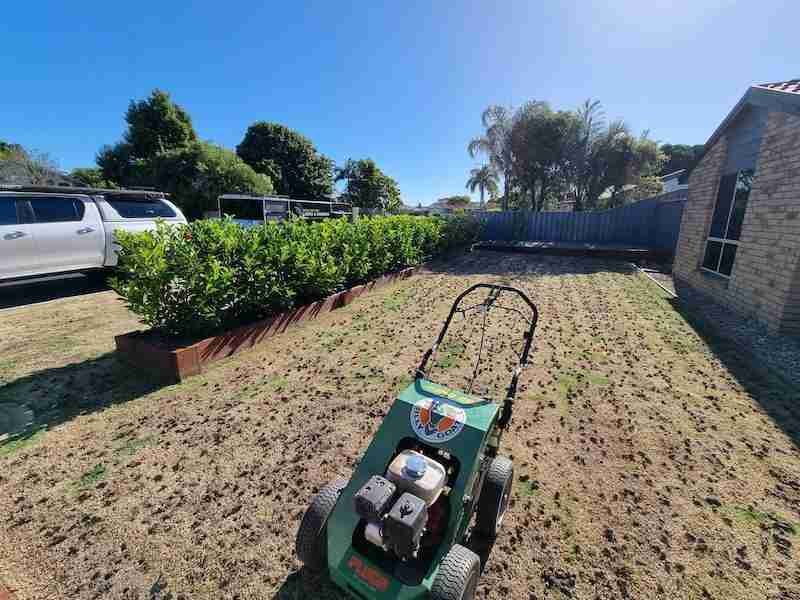
The best lawns I maintain in Greater Sudbury — the ones that look noticeably better than their neighbours year after year — almost all get core aerated every spring. Not every other year. Every spring.
Here’s why it matters so much in Sudbury specifically. Our winters are brutal on soil. Six months of snow load, freeze-thaw cycles, and frozen ground compacts the soil significantly every year. By the time spring arrives, most Sudbury lawns have soil that’s tighter than it should be — and that compaction restricts root growth, water absorption, and nutrient uptake all season.
Core aeration pulls plugs of soil out of the ground, opens those channels back up, and lets the roots breathe. Done in late May, the lawn has the entire summer to take advantage of loosened soil. The results are visible — deeper colour, thicker coverage, better drought resistance — and they compound over multiple seasons of consistent aeration.
The homeowner whose lawn always looks great isn’t doing anything magical. They’re aerating in May, consistently, every year. It’s maintenance, not a miracle.
If you want to understand the timing and what aeration actually does, I’ve written about it in detail in the Sudbury aeration guide here.
They Don’t Skip the Spring Cleanup
A lawn that looks great by June almost always had a proper spring cleanup done in early May. Not a quick rake and call it done — a real cleanup that removes the debris, dead material, and matted thatch that built up over winter.
Here’s what happens without it. The debris layer sitting on the lawn surface blocks light, traps moisture against the grass, and creates exactly the conditions that fungal issues and weed germination thrive in. The grass underneath can’t breathe properly and starts the season already disadvantaged.
A proper spring cleanup removes all of that material and gives the lawn a clean start. The difference in how quickly the lawn greens up and thickens after a real cleanup versus a skipped one is visible within two weeks.
The homeowners with the best early-season lawns didn’t get lucky with the winter. They got out in May — or had someone do it — and gave the lawn a proper start. I’ve covered what property cleanup involves and what it costs in Sudbury in the property cleanup guide here.
They Keep the Edges Clean
This one is about appearance more than lawn health — but it’s worth mentioning because it has such an outsized impact on how the overall lawn looks.
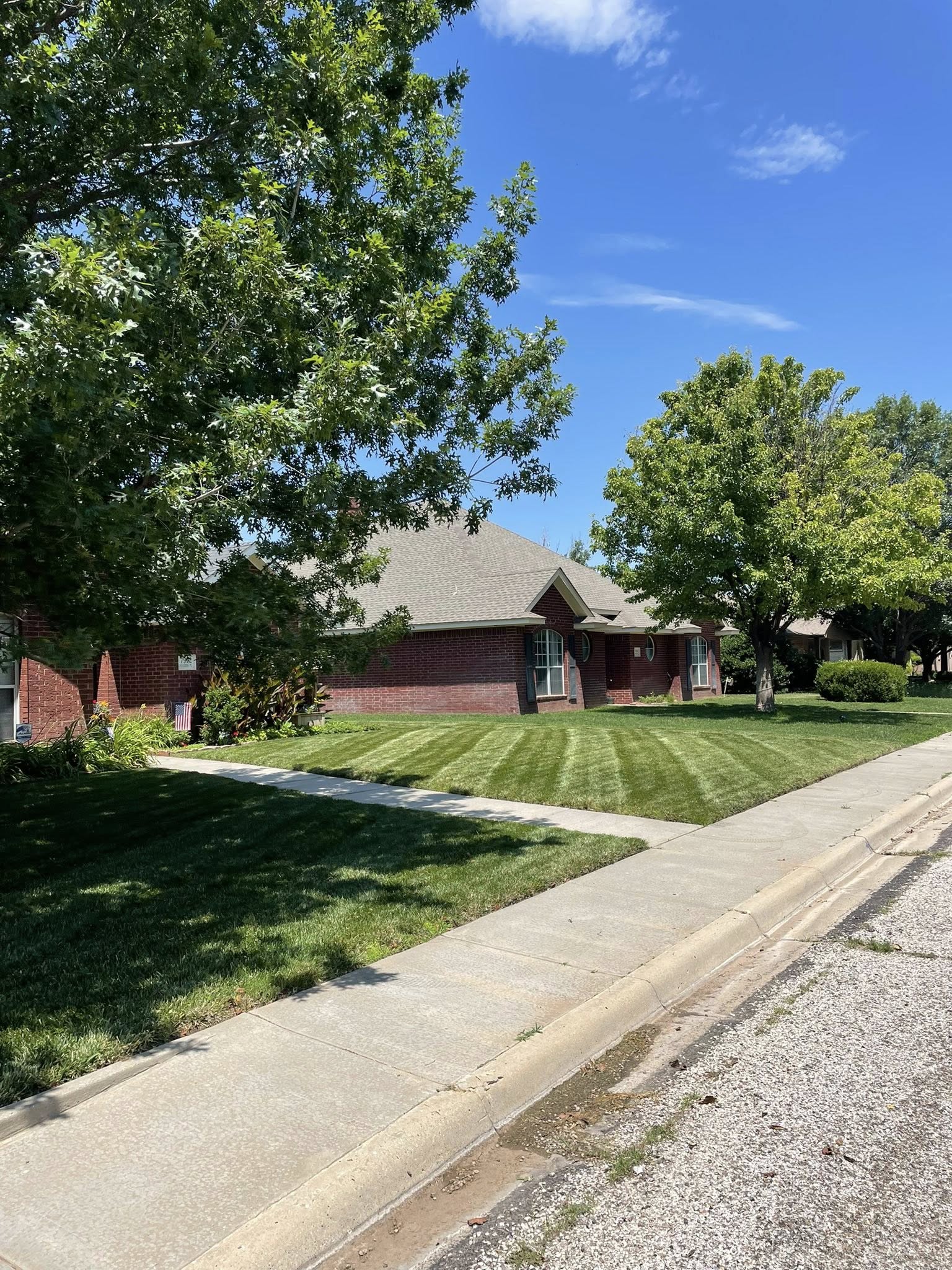
Walk down any street in Sudbury and look at the lawns that catch your eye as well-maintained. Almost all of them have clean, defined edges along the driveway, walkways, and garden beds. That crisp border between the lawn and the hardscape is what makes a lawn look intentional and cared for versus just mowed.
The homeowners who maintain great-looking lawns don’t just mow — they edge. Not every cut, but consistently enough that the borders stay defined. A proper edger, used regularly, takes about ten minutes on a typical residential property and produces a result that’s immediately visible from the street.
If your neighbour’s lawn looks more polished than yours even when both are freshly cut, look at the edges. That’s usually where the difference is.
They Deal With Problems Early Instead of Hoping They Resolve
One pattern I see consistently on well-maintained Sudbury lawns: the homeowner notices a problem early and addresses it before it spreads.
A brown patch appears in late June. The homeowner who ends up with a great lawn in August investigates immediately — checks whether it’s a watering issue, compaction, dog urine, or the beginning of a grub problem — and fixes the cause. The homeowner who ends up calling me in August with a lawn full of dead sections watered it more and hoped it would come back.
Lawn problems almost never resolve on their own. A brown patch caused by grubs doesn’t stop at one patch — it spreads as the grubs feed and the population grows. A watering problem doesn’t fix itself. Catching issues in June and addressing the actual cause saves a lot of August heartbreak.
If you’re seeing brown patches right now and not sure what’s causing them, I’ve put together a full diagnostic guide for Sudbury lawn brown patches here. It walks through every common cause and how to tell them apart.
They’re Consistent — Not Intensive
This is probably the most important thing I can tell you about the difference between the best lawns in Sudbury and the ones that struggle.
The homeowners with great lawns aren’t doing more. They’re doing the right things consistently. Mowing at the right height every cut. Deep watering twice a week all season. Aerating every spring. Cleanup every May. Edges done regularly.
None of those things are time-intensive individually. But done consistently, over a full season and multiple seasons, they compound into a lawn that looks dramatically different from one that gets inconsistent attention — a lot of effort some weeks, nothing for two weeks, then a lot again.
Consistency beats intensity when it comes to lawn care. The homeowner who does the basics correctly every week produces a better lawn than the one who does intensive treatments occasionally and skips the fundamentals in between.
If your lawn has been struggling for more than one season and you’ve tried various products without lasting results, the answer is almost always in the basics. Fix the mowing height, fix the watering, get the soil aerated, start consistent. The lawn responds faster than most people expect once the fundamentals are right.
What to Do If You Want to Close the Gap This Season
If you’re reading this in May or June, you’ve still got the whole summer ahead. Here’s the sequence I’d recommend if you want your lawn to look noticeably different by August.
First — raise the mowing deck to three inches today. This costs nothing and starts working immediately.
Second — switch your watering to deep twice a week if you haven’t already. Long slow sessions, early morning.
Third — if you haven’t aerated yet this spring, early June is still a good window. Don’t wait until fall if the lawn is already showing compaction symptoms.
Fourth — walk the lawn and look for any problem areas. If something looks off, find out why now rather than in August.
Those four things, done consistently for the rest of the season, will produce a visible improvement on most Sudbury lawns. Not a miracle — a lawn doesn’t fully recover from years of struggle in one season. But noticeably, meaningfully better.
If you want someone to walk your property, look at what’s actually going on, and give you a straight assessment — that’s something I do at no charge across Greater Sudbury. Call me at 705-507-6787 or fill out the free quote form here.
Hope this helped explain the gap. It’s almost never luck.
— Ryan
Frequently Asked Questions
Why does my neighbour’s lawn look so much better than mine in Sudbury?
The most common reasons are mowing height, watering approach, and soil condition. Lawns that are cut at three inches, watered deeply twice a week rather than lightly every day, and aerated annually almost always outperform lawns where these basics aren’t being done correctly. The difference is rarely about luck or better grass seed — it’s about consistent fundamentals.
What makes a Sudbury lawn look thick and green all summer?
Deep root development is the main factor. Roots that go deep into the soil can pull moisture from further down during dry stretches and handle heat stress better. Deep roots come from the right mowing height (three inches), deep infrequent watering, and annual core aeration that loosens compacted Sudbury soil and gives roots room to grow.
How long does it take to improve a struggling Sudbury lawn?
Most lawns show visible improvement within four to six weeks of correcting the fundamentals — mowing height, watering approach, aeration. Full recovery from years of struggle typically takes one full season to show significant results and two seasons to fully recover. The first season produces noticeable improvement; the second season produces a lawn that looks the way it should.
Is it worth aerating my Sudbury lawn every year?
Yes — for most Sudbury properties, annual spring aeration is maintenance, not a luxury. Sudbury winters compact the soil significantly every year. A lawn that isn’t aerated annually starts each growing season with progressively tighter soil, which limits root development and produces a lawn that struggles more each year. Aerating every spring breaks that cycle.
What is the most impactful thing I can do for my Sudbury lawn right now?
If you’re only going to change one thing, raise your mowing height to three inches and keep it there. This single change produces the most visible improvement in the shortest time — denser turf, deeper colour, better drought resistance heading into summer. Everything else matters too, but mowing height is where most struggling Sudbury lawns are losing the most ground.
Ryan Lingenfelter is the owner of Cutting Edge Lawn & Landscaping in Garson, Ontario. Since 2020, his crew has provided full lawn care services across Greater Sudbury — Garson, Val Caron, Hanmer, Lively, Chelmsford, Azilda, and Capreol. Cutting Edge is licensed, insured, BBB A+ rated, and ThreeBest Rated for lawn care services in Sudbury.
📞 Phone: 705-507-6787
📍 Service Area: Greater Sudbury, Ontario
🔗 Free Quote: cuttingedgelawn.ca/quote
Helpful Lawn Care Services in Sudbury
- Grass Cutting Services in Sudbury
- Core Aeration for Healthy Lawns
- Property Cleanup Services
- Sod Installation in Sudbury
Continue Reading
