
A couple of seasons ago I started keeping notes. Not formal data — just observations I jotted down after customer conversations. Specifically: how much time homeowners estimated they were spending on their lawns every week, and what they were actually doing with that time.
I started doing this because I kept hearing the same thing from people who called me. They’d say something like “I spend so much time on my lawn and it still doesn’t look the way I want.” And I’d ask what they were doing, and the answer was almost always the same set of tasks — mowing, edging, occasional watering, maybe some weeding — repeated every week without much variation.
After a full season of these conversations, a picture started to emerge. And the number that came out of it — how much time the average Sudbury homeowner actually spends on lawn work over a full season — was higher than most people realize when they’re in the middle of it. More importantly, the breakdown of where that time goes explains a lot about why so many lawns in Greater Sudbury never quite get where the homeowner wants them.
Let me walk you through what I found.
The Actual Numbers — What a Season of Lawn Work Looks Like in Sudbury
Sudbury’s growing season runs roughly from mid-May through late October — about 24 to 26 weeks of active lawn care. Not all of those weeks are equal. The peak mowing period runs from late May through early September. Spring and fall are slower but have their own work.
Based on what homeowners told me, the typical pattern looks something like this.
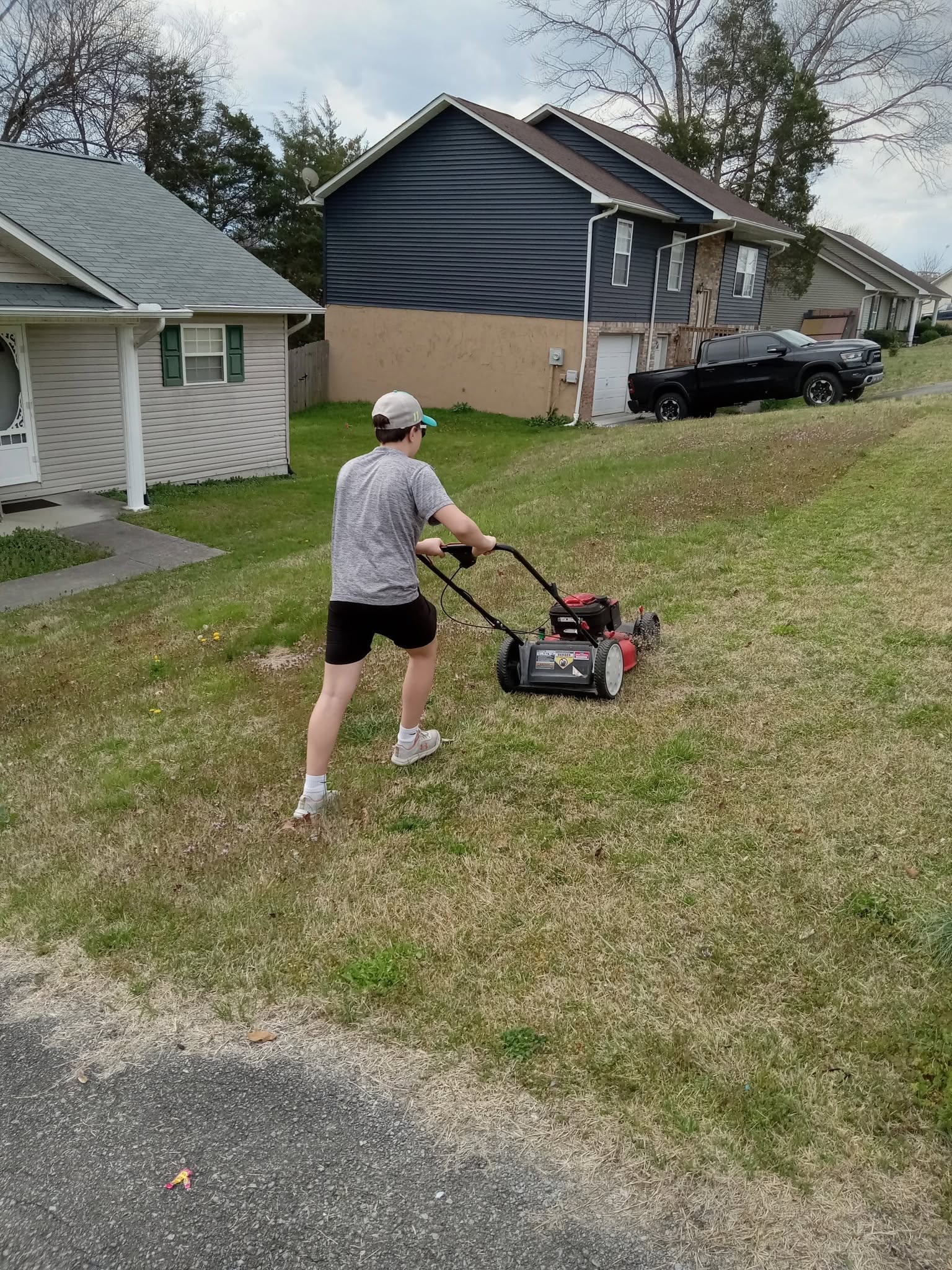
During peak season — June through August — most homeowners with an average-sized Sudbury residential lot are mowing once a week. On a standard lot, mowing plus edging takes between 45 minutes and an hour and a half depending on lot size, obstacles, and equipment. Call it an hour on average. That’s roughly 12 to 14 hours of mowing alone over peak season.
Add in watering. Homeowners who water manually — moving a sprinkler around, checking zones, adjusting for dry stretches — easily spend another 30 to 45 minutes a week on watering during the summer. Over 10 to 12 dry weeks in a typical Sudbury summer, that’s another 5 to 8 hours.
Spring cleanup takes most homeowners between 3 and 6 hours depending on lot size and how much debris accumulated over winter. Fall cleanup — raking, bagging, dealing with leaves if there are mature trees — often takes more. I hear 4 to 8 hours for fall cleanup regularly.
Add in the reactive stuff — dealing with a bare patch, buying and spreading fertilizer, pulling weeds along the edges, fixing something the mower damaged — and you’re adding another 5 to 10 hours scattered across the season.
Rough total for the average Sudbury homeowner doing their own lawn maintenance: 35 to 50 hours per season.
Most people, when I walk them through this math, are genuinely surprised. When you’re spending an hour a week on something, it doesn’t feel like much. But when you add it up and realize you’ve put six full working days into your lawn over the course of a summer — that lands differently.
Where Most of That Time Goes — and Why the Lawn Still Doesn’t Look Right
Here’s the part that I think matters more than the total number.
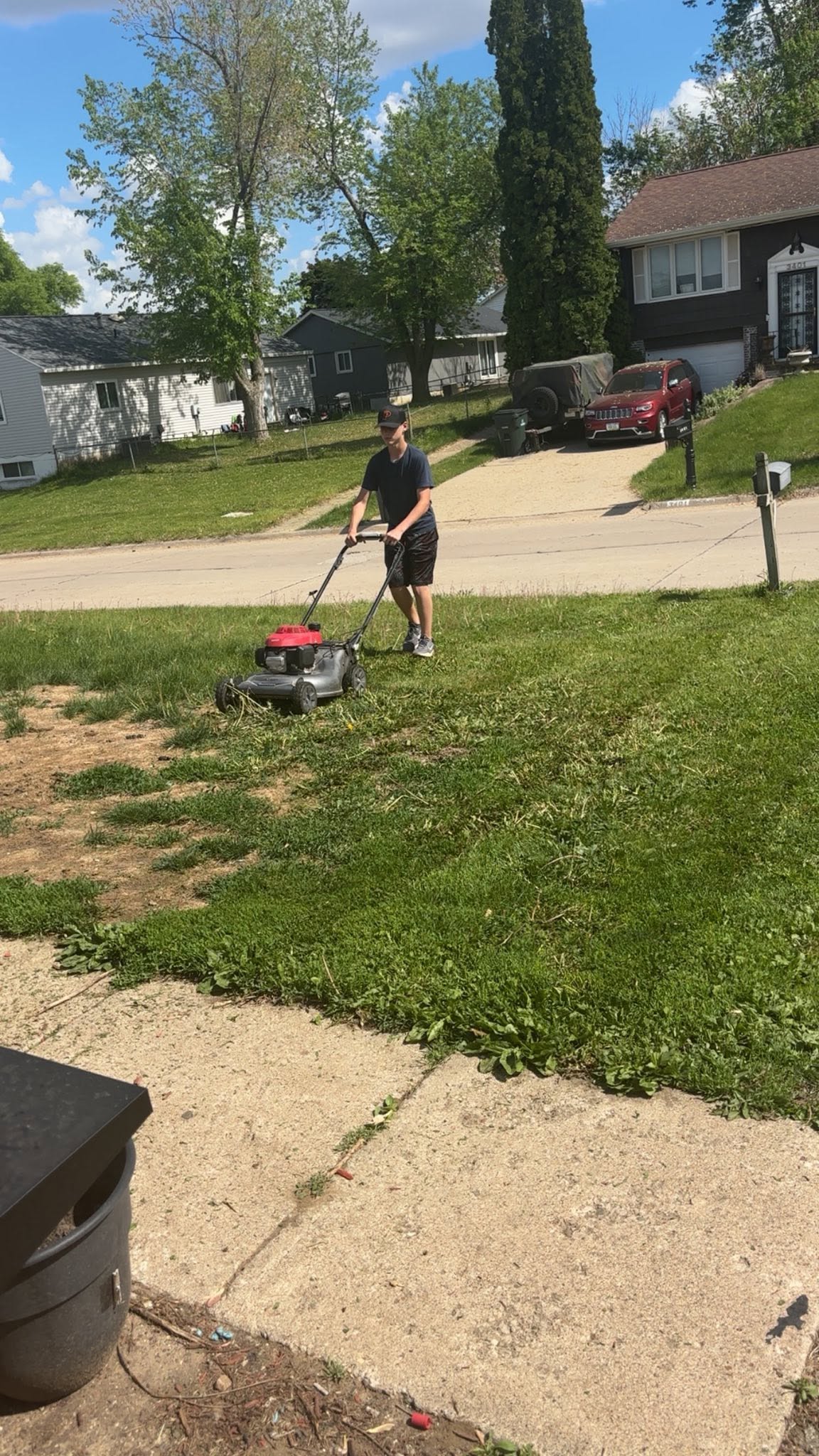
Of those 35 to 50 hours, the vast majority — in most cases 80 to 85% — goes to one thing: mowing. Mowing is maintenance. It keeps the lawn from looking neglected. It does essentially nothing to make the lawn healthier, thicker, or more resilient. You can mow a struggling lawn perfectly every single week for five years and it will still be a struggling lawn.
The tasks that actually improve a lawn — core aeration to relieve compaction and deepen roots, overseeding to thicken thin turf, addressing drainage issues, building up topsoil where it’s thin — those tasks take relatively little time compared to the mowing hours. But most homeowners either skip them entirely, do them once and then forget about them, or don’t know they should be doing them at all.
The result is a lawn that gets a lot of time spent on it and still doesn’t improve year over year. The homeowner feels like they’re putting in the work. And they are — just on the task that maintains the status quo rather than the tasks that change it.
I’ve had customers who’ve been mowing and watering the same lawn for eight or ten years and wondering why it still looks the same as when they moved in. The answer is almost always that the needle-moving work — aeration, overseeding, soil improvement — was never done consistently. A lawn doesn’t improve on its own just because it gets mowed. It improves when you do the things that actually build soil health and root depth.
This is also why the tools that actually matter for Sudbury lawns are almost never the ones people spend the most money on. The expensive equipment gets used for mowing — the task that doesn’t improve the lawn. The simple, affordable tools that support the improvement work often sit unused.
The Homeowners Who Spend the Least Time and Have the Best Lawns
This is the observation that changed how I talk to customers.
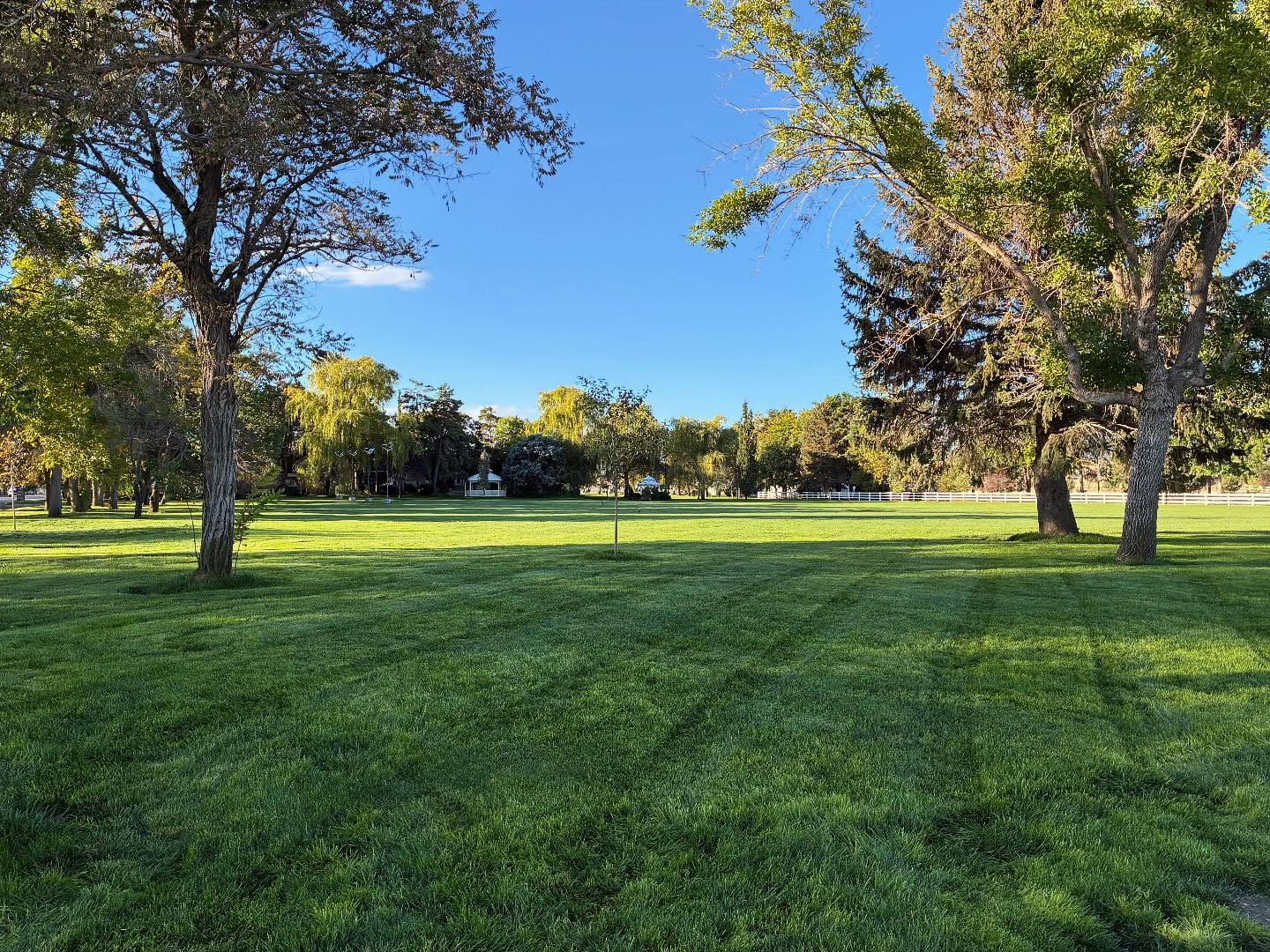
The best-looking lawns I service in Greater Sudbury do not belong to the homeowners who spend the most time on their lawns. In almost every case, the best lawns belong to homeowners who made smart investments in the right things once or twice a season — and then either handed off the routine work or kept the routine work genuinely minimal.
What does that look like in practice?
It looks like a homeowner who had a proper sod installation done on a well-prepped base three or four years ago, followed by consistent fall aeration every year since. The lawn rooted properly, built deep roots, and now handles Sudbury’s summers and spring freeze-thaw cycles better than lawns that have been maintained for decades without those foundational steps.
It looks like a homeowner who hired out the mowing — not because they couldn’t do it, but because they did the math and realized that paying someone to handle the 40-minute-a-week task freed up time for things they actually wanted to do, while also ensuring the mowing was done consistently at the right height with sharp blades.
It looks like a homeowner who, instead of spending six hours on spring cleanup themselves, had it done professionally in two hours — properly, with the debris actually removed rather than pushed to the edges — and then used that time on something else.
The pattern across all of these: time and money went toward the high-leverage tasks. Routine maintenance was either systematized or handed off. The result is a lawn that looks better than average and requires less total effort to maintain than a neglected lawn that’s constantly fighting to recover from the last problem.
What This Means for You — and How to Think About Your Own Lawn Time
I’m not going to tell you to hire everything out. That’s not the point of this post and it’s not what I actually think.
Some homeowners genuinely enjoy mowing. They find it meditative. They like being outside, they have the time, and the weekly mow is something they want to do themselves. That’s completely valid and there’s nothing wrong with it. If mowing is something you like doing, keep doing it.
But if you’re spending 40 or 50 hours a season on lawn work and still not happy with the result — that’s worth a harder look. The question I’d ask you is: of those 40 or 50 hours, how many went toward tasks that actually improve the lawn versus tasks that just maintain it at its current state?
If the honest answer is that almost all of it went to mowing and watering, and the improvement work — aeration, overseeding thin areas, dealing with drainage or soil issues — either didn’t happen or happened once years ago, then you’re in the same position as most of the homeowners I talked to when I started keeping these notes.
More time on the same tasks won’t change the result. Different tasks will.
And if the honest answer is that you’re spending that time on a lawn you don’t actually enjoy working on, it might be worth running the numbers on what a professional maintenance program actually costs compared to what 40 hours of your time is worth to you. For a lot of Sudbury homeowners, it’s closer than they expect.
Either way — whether you want to keep doing it yourself and just do it smarter, or whether you want to hand some or all of it off — I’m happy to talk through what makes sense for your specific property. No pitch. Just an honest conversation.
Want a Free Assessment of What Your Lawn Actually Needs This Season?
I’ll come out, look at your lawn, and tell you honestly what’s worth your time to do yourself and what would be better to have done properly. I’ll also tell you what the lawn actually needs to improve — not just maintain — so you’re not spending another season putting hours into the same result.
No charge. No pressure.
📞 Call or text me directly: 705-507-6787
Or fill out the free quote form here.
— Ryan Lingenfelter
Owner, Cutting Edge Lawn & Landscaping
Garson, Ontario
