
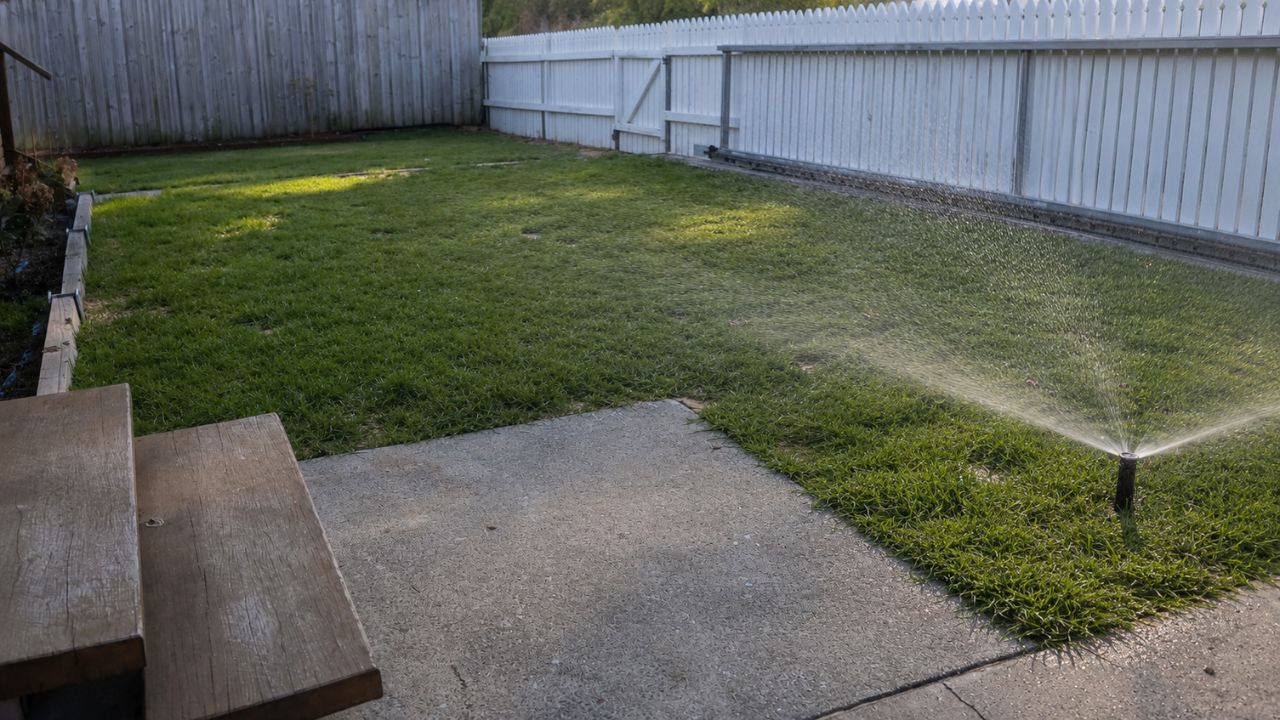
Every spring, I get the same question from homeowners across Sudbury: “Ryan, when should I seed my lawn?” And every spring, I see the same mistake — people rushing out in early May, throwing down seed, and wondering why half of it never grows.
I’ve been working on lawns in Greater Sudbury since 2020. In that time, I’ve seeded dozens of properties from Garson to Val Caron to Hanmer. I’ve learned — sometimes the hard way — that timing is everything up here. Our climate doesn’t care about the calendar on your wall. It cares about soil temperature, frost dates, and moisture.
So in this guide I’m going to tell you exactly when to seed, why timing matters so much in our part of Ontario, and what I actually do on my customers’ lawns to get thick, healthy results every season.
Let’s get into it.
Why Sudbury’s Climate Makes Timing So Critical
Sudbury isn’t Hamilton. We’re not Toronto. Our last frost can stretch into mid-May, and I’ve personally seen surprise frosts hit as late as May 20th in Garson. If you seed too early and a cold snap rolls in, you’ve wasted your money and your effort.
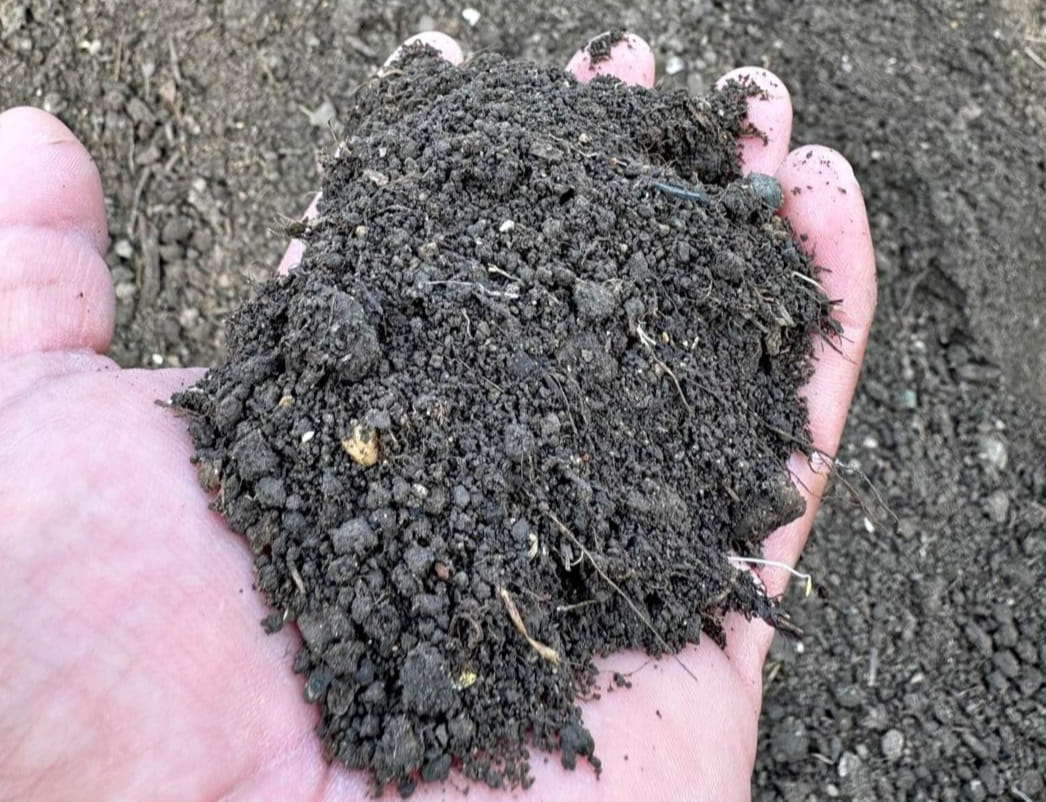
The real number you need to watch isn’t the air temperature — it’s the soil temperature. Grass seed needs the soil to hit at least 10°C consistently before it’ll germinate properly. In Sudbury, that usually happens between May 15 and June 1, depending on the year. In 2025, we had a cold, wet May — a customer in Chelmsford seeded on May 10th and got maybe 40% germination. Frustrating, and completely avoidable.
We also have to deal with Sudbury’s infamous clay-heavy soil. Clay retains cold longer than sandy or loamy soils, so even when the air feels warm, the ground is still cold underneath. I always tell my customers: stick your hand 2 inches into the soil. If it feels cold to the touch, wait another week.
After 6 years of working in this area, I’ve settled on a window that works almost every time: late May to mid-June for spring seeding, and late August to mid-September for fall seeding.
The Best Time to Seed: Late May to Early June (Spring Window)
If you’re seeding in spring, you want to aim for May 24 to June 10 in most years. That’s the sweet spot I’ve identified after working on lawns all across Greater Sudbury. The soil is warm enough, the risk of frost is basically gone, and there’s usually enough natural rain to keep seed moist without drowning it.
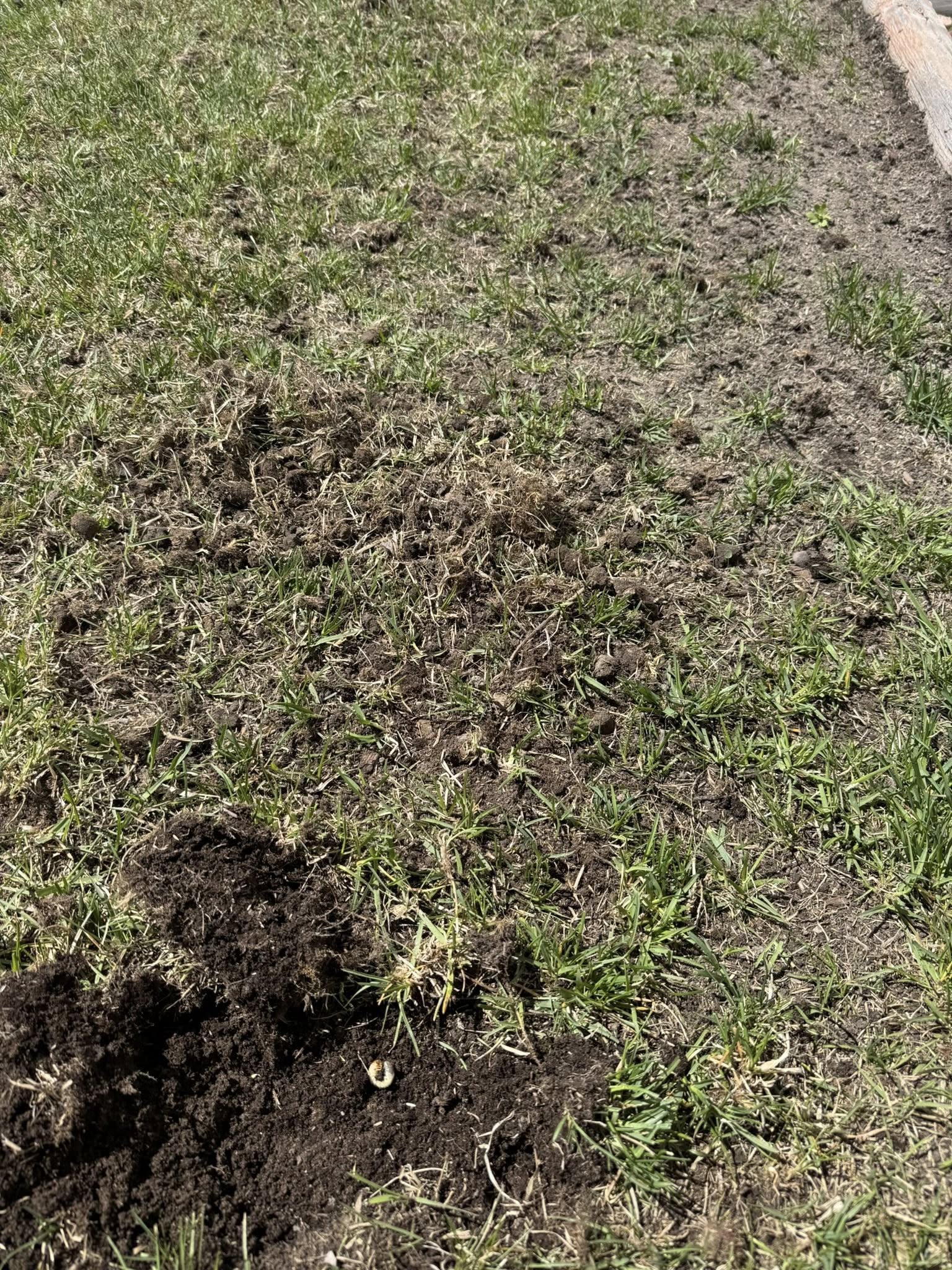
Last spring, I worked on a property in Val Caron where the backyard was almost completely bare — compacted clay, no grass, just weeds and bare patches. We waited until May 27th, loosened the top layer of soil, applied a starter fertilizer, then seeded with a mix of Kentucky Bluegrass and Creeping Red Fescue. Within 14 days, the homeowner was texting me photos of new sprouts. By mid-July, it looked like a completely different yard.
A few things I always do before seeding:
- Dethatch or rake the area so seed makes direct contact with soil
- Loosen the top ½ inch of soil — especially important on Sudbury clay
- Apply a phosphorus-rich starter fertilizer (look for something like 18-24-12)
- Water lightly twice a day for the first two weeks — morning and early evening
Today’s actionable tip: Go to your local Canadian Tire or Home Hardware and grab an inexpensive soil thermometer. Check the temperature at 2 inches deep before you buy a single bag of seed. Don’t guess.
Fall Seeding: Honestly, It’s My Favourite Time
I’m going to say something that surprises a lot of homeowners: late August to mid-September is actually better than spring for seeding in Sudbury. And I mean that.
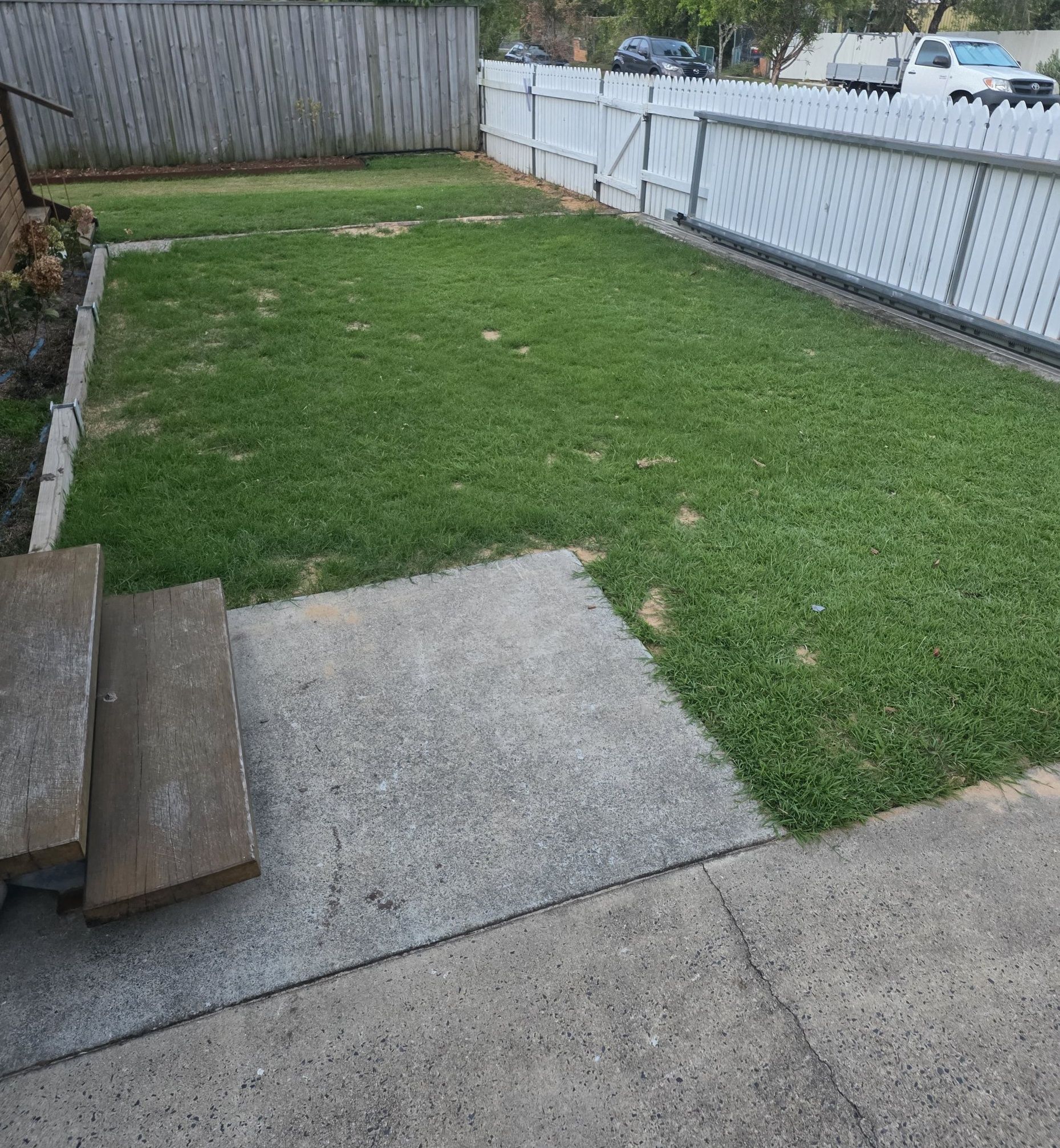
Here’s why. The soil is warm from a full summer of heat. Weed pressure drops significantly in fall — grass seed isn’t competing as hard. And the cool air combined with warm soil creates almost ideal germination conditions for the cool-season grasses that thrive in Northern Ontario.
The window I shoot for is August 25 to September 15. That gives new grass 6 to 8 weeks to establish before the first hard frost, which in Sudbury typically arrives in mid to late October.
I did a fall seeding job in Hanmer a couple of seasons ago for a homeowner who had given up on their front lawn after years of thin, patchy grass. We seeded on September 3rd, and by the time winter hit, that lawn had a solid root system established. Come spring, it was one of the nicest-looking lawns on the street. The neighbour asked me for a quote the following week.
One thing to watch: don’t seed after September 20th in Sudbury. The ground cools fast up here, and if roots don’t have time to establish before freeze-up, you’ll lose most of what you planted.
What Grass Seed Actually Works in Sudbury?
Not all grass seed is created equal, and the stuff you grab off the shelf at a big box store is often a generic mix that wasn’t designed for Northern Ontario. I’ve tested a lot of varieties over the years and here’s what I’ve found actually works in our conditions:
| Grass Type | Best Use | Sudbury Performance |
|---|---|---|
| Kentucky Bluegrass | Front lawns, high visibility areas | Excellent — dense, beautiful, handles cold well |
| Creeping Red Fescue | Shaded areas, side yards | Very good — low maintenance, shade tolerant |
| Perennial Ryegrass | High traffic areas, quick cover | Good — germinates fast, wears well |
| Tall Fescue | Dry, sloped areas | Good — drought tolerant once established |
For most Sudbury lawns, I recommend a blended mix of Kentucky Bluegrass and Creeping Red Fescue — about 60/40. The Bluegrass fills in beautifully in sunny areas, and the Fescue handles the shadier spots near the house or under trees. If you’re dealing with a heavily shaded yard, flip that ratio.
Avoid cheap annual ryegrass mixes. They germinate fast and look green for one season, then die off and leave you starting over. Spend a bit more on a quality blend — it pays off over 3 to 5 years.
If your lawn has large bare patches or severe damage, you might want to consider whether seeding or sod installation is the better call. Sod gives you an instant lawn with no germination risk — I walk through the tradeoffs in detail on our sod page.
How to Prep Sudbury’s Clay Soil Before Seeding
This is where a lot of DIY seeding jobs fall apart. Sudbury soil is notoriously clay-heavy, especially in older neighbourhoods like Cheney Manor and parts of Garson. Clay compacts hard, drains poorly, and doesn’t give roots much room to grow. If you just throw seed on top of bare clay, you’ll get poor contact, poor germination, and frustration.
Here’s what I do before every seeding job:
- Core aerate first. If the soil is compacted, run a core aerator over the area before seeding. The plugs break down and improve drainage. If you’re seeding in fall, doing a core aeration in Sudbury right before seeding is one of the best combinations you can do for your lawn.
- Top dress with a thin layer of triple mix or compost. A quarter inch of good top dressing over clay makes a huge difference in germination rates.
- Rake to create a rough surface. Seed needs to nestle into the soil — a smooth, hard surface means half your seed washes away or dries out.
- Roll lightly after seeding to press seed into contact with soil. A lawn roller rented from Home Depot works fine for this.
One homeowner in Azilda asked me why her seeded areas kept failing year after year. When I looked at the soil, it was pure grey clay — almost no organic matter. We added a thin layer of compost, aerated, then seeded. That was the first year she got real results.
Tip for today: Grab a handful of your soil and squeeze it. If it holds a tight ball and doesn’t crumble at all, you’ve got heavy clay and you need to amend it before seeding. A bag of peat moss mixed in before raking costs about $12 and makes a real difference.
Watering New Seed: The Part Most People Get Wrong
You can time everything perfectly, use great seed, prep the soil properly — and still fail if you get the watering wrong. New grass seed needs consistent moisture, but not soggy soil. It’s a balance that trips up a lot of people.
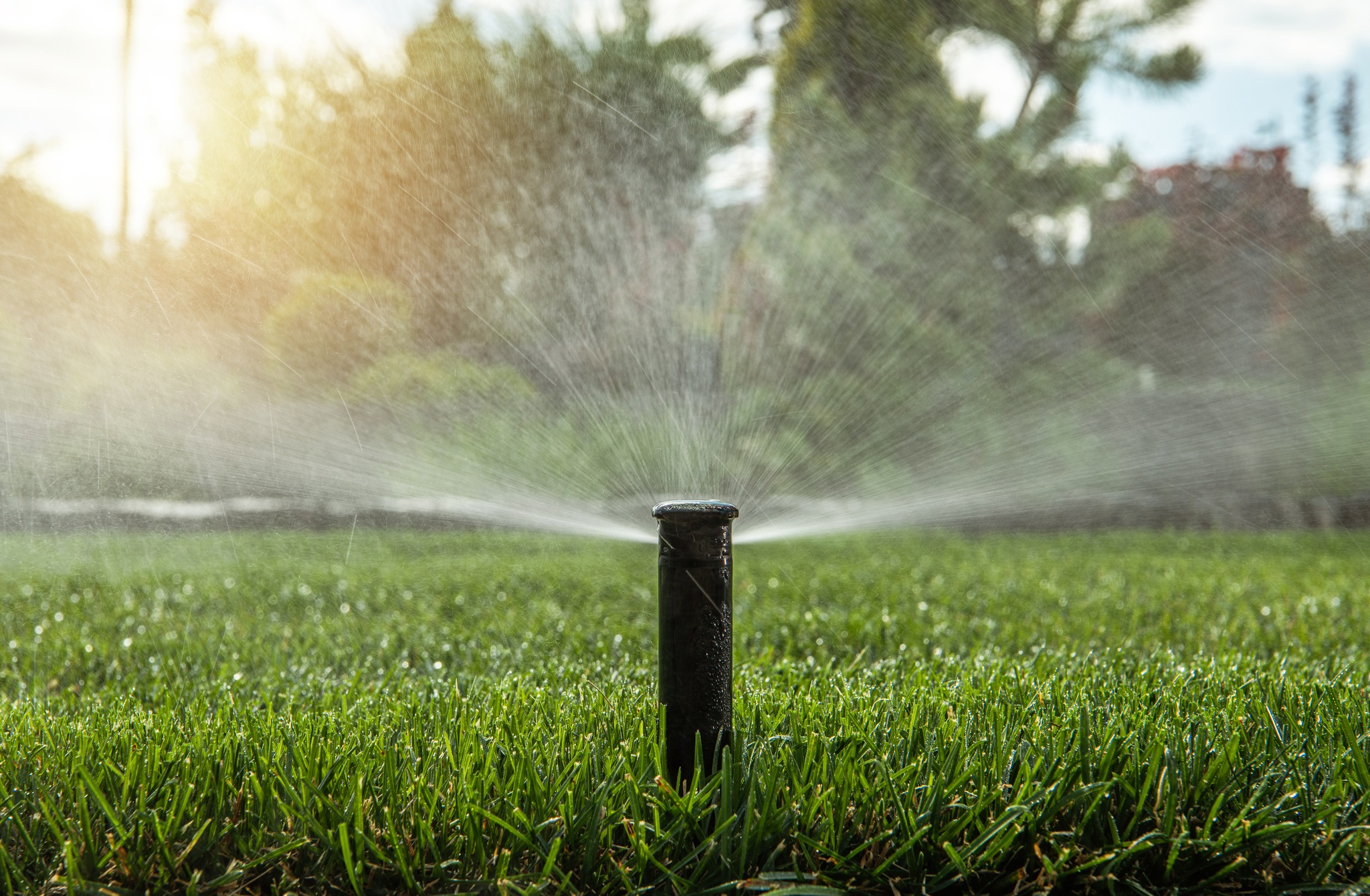
Here’s the simple rule I give every customer: water lightly, twice a day, for the first two weeks. Morning and early evening. You want the top inch of soil to stay moist but not pooling. If you see water running off or puddles forming, you’re overwatering.
Once germination starts — usually 7 to 14 days depending on the grass type and temperatures — you can back off to once a day. After 3 to 4 weeks when the new grass is about 3 inches tall, shift to a deeper, less frequent watering: every 2 to 3 days, but longer, to encourage roots to go deeper.
One thing Sudbury homeowners have going for them: our summers are generally not as dry as Southern Ontario. We usually get enough natural rainfall to help, but don’t count on it. If we hit a dry week in June, that new seed will die fast without supplemental watering.
A customer in Val Caron last summer seeded perfectly in late May, then went on vacation for 10 days with no one to water. They came back to a dead patch. It was gutting. If you’re seeding, make sure you have a plan for watering — a simple timer on your hose makes this completely hands-off.
What Does Professional Seeding Cost in Sudbury in 2026?
I get asked this a lot, so I’ll be straightforward about it. Pricing for lawn seeding in Sudbury depends on the size of the area, soil condition, and whether prep work is needed.
| Service | Typical Price Range (2026) |
|---|---|
| Small patch seeding (under 200 sq ft) | $150 – $250 |
| Full front or back lawn seeding | $350 – $700 |
| Seeding + core aeration combo | $400 – $800 |
| Full lawn seeding with soil prep + top dressing | $600 – $1,200 |
| Sod installation (for severely damaged lawns) | Starting at $999 |
These are real numbers based on what we charge in Greater Sudbury. Every job is different — if your soil needs significant work or you have a large area, it’ll be on the higher end. But I always do a free quote before any work starts so there are no surprises.
For larger or more complex lawn projects, you might also want to read about how mulch and decorative stone can reduce the lawn areas you need to maintain, which can save money long term.
Quick Summary: Sudbury Grass Seeding Timeline for 2026
- Late April – early May: Too early. Soil is still cold. Wait.
- May 15 – May 24: Marginal. Check soil temperature before proceeding.
- May 24 – June 10: ✅ Prime spring seeding window.
- June 11 – August 15: Summer heat stress period. Not recommended for new seeding.
- August 25 – September 15: ✅ Prime fall seeding window. My personal favourite.
- After September 20: Too late for Sudbury. Seed won’t establish before frost.
Final Thoughts From the Truck
I’ve driven past a lot of lawns in Sudbury over the years — the ones that look great and the ones that don’t. And nine times out of ten, the difference isn’t the seed brand or the fertilizer. It’s timing, soil prep, and consistent watering in those first critical weeks.
If you get those three things right, you’ll have a lawn you’re proud of. If you get them wrong, you’ll be re-seeding again next year.
We’re booking spring and fall seeding jobs across Greater Sudbury right now. Whether you’ve got a small bare patch or a full lawn that needs a fresh start, I’d love to come take a look and give you a free quote.
Call or text: 705-507-6787
Or get a free quote online at cuttingedgelawn.ca
We serve Sudbury, Cheney Manor, Garson, Val Caron, Hanmer, Lively, Chelmsford, and Azilda.
Related reading:
