
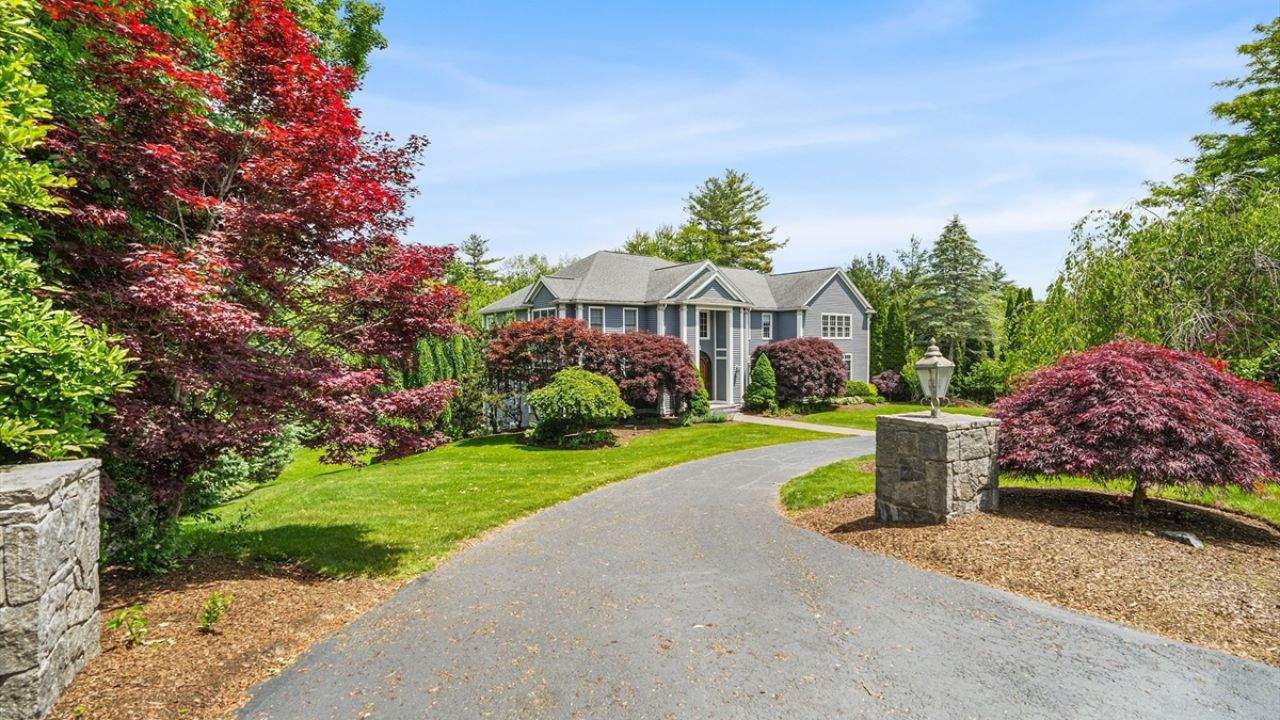
There’s a stretch of streets in an older part of Greater Sudbury, built decades ago, where the lawns still look the way they probably did when the houses were brand new — dense, green, unfussy. No fancy irrigation systems, no premium seed blends sitting in the garage, nothing that looks like it was bought from a specialty lawn care catalogue.
I’ve quoted and worked on a handful of properties on those streets over the years, and the consistency surprised me the first time I really paid attention to it. Most of these homeowners aren’t doing anything I’d call advanced. They’re just doing a small number of things correctly, every single year, without skipping seasons.
I’m Ryan Lingenfelter, owner of Cutting Edge Lawn & Landscaping in Garson, Ontario. Since 2020, I’ve worked across Greater Sudbury — Garson, Val Caron, Hanmer, Lively, Chelmsford, Azilda, Capreol. Here’s what I’ve actually noticed about why these older neighbourhood lawns hold up the way they do, and what newer subdivisions are often missing by comparison.
What These Properties Actually Have Going for Them
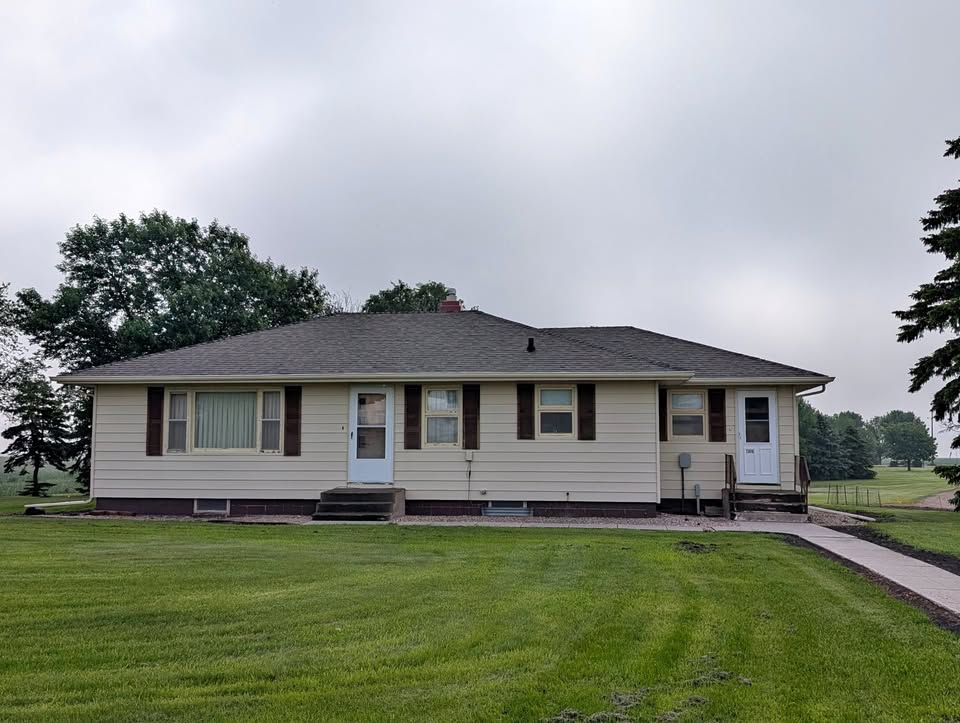
The honest first answer is time. Decades of consistent mowing, watering, and the occasional fall cleanup have allowed organic matter to slowly build up in the topsoil, even on a Canadian Shield lot where that topsoil started out thin. A lawn that’s been mowed and maintained for 40 or 50 years has a head start that a newer subdivision lawn simply hasn’t had time to develop yet.
That said, time alone doesn’t explain it — I’ve also walked older properties in this city that look genuinely rough despite decades of existing, so age by itself isn’t the secret. What separates the good older lawns from the rough ones in the same age bracket comes down to consistency rather than effort level. Nobody on these streets is doing anything complicated. They’re just not skipping the basics, year after year, in a way that compounds.
Why This Matters More in Sudbury Specifically
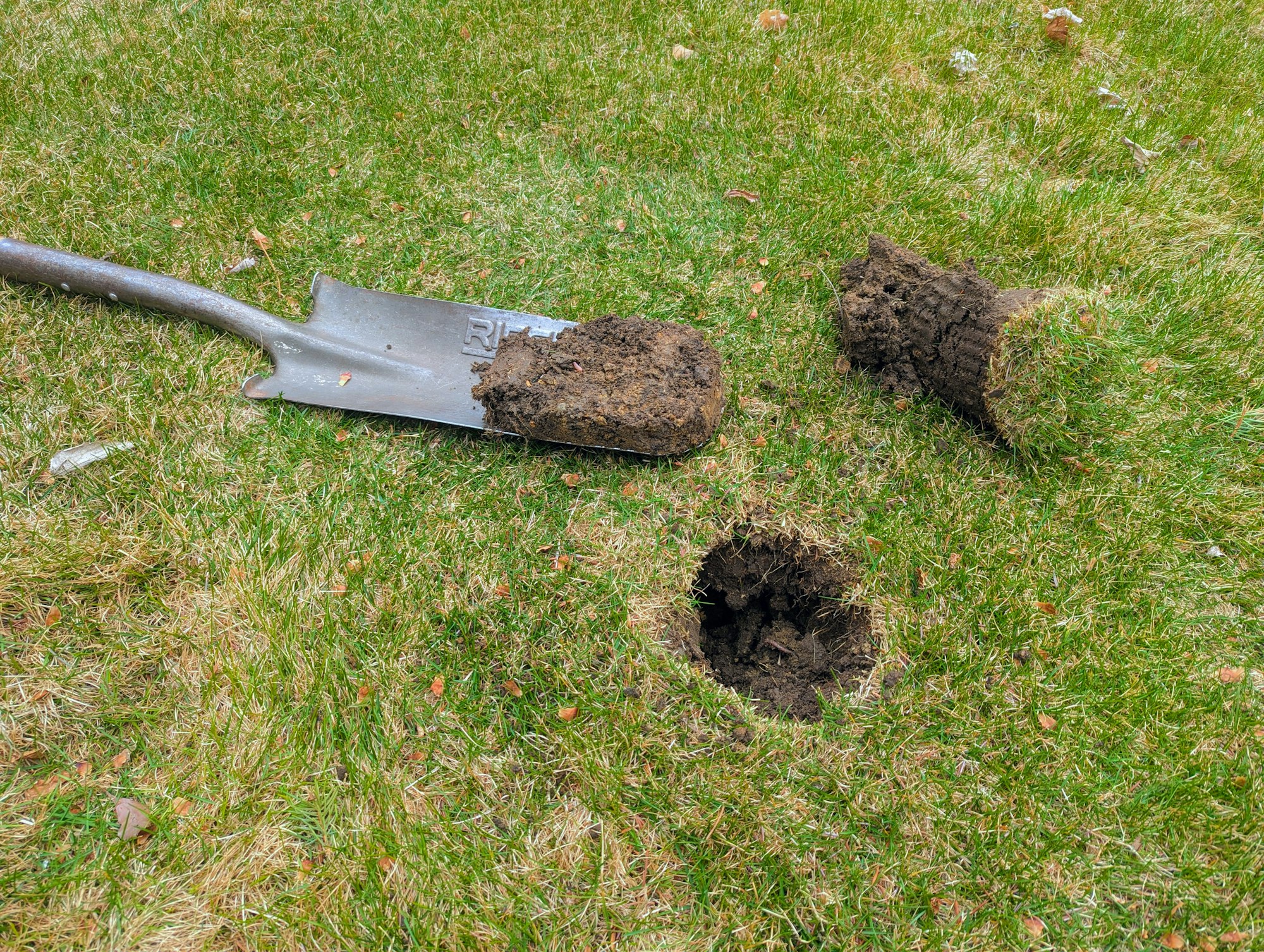
Greater Sudbury’s soil situation is genuinely different from a lot of Ontario, and I’ve gone into the details in the climate and soil article here — but the short version relevant to older neighbourhoods is this: our topsoil sits over Canadian Shield bedrock, often shallower than southern Ontario properties, and decades of historic industrial activity in this region left the soil more acidic than ideal for most lawn grasses. Acidic soil limits how well grass can actually use the nutrients available to it, regardless of how much fertilizer goes down.
This is exactly why a 50-year-old lawn that’s never had its pH checked can still look mediocre, while a similarly aged lawn nearby — where someone applied lime at some point to correct the soil chemistry — looks noticeably better with the same basic maintenance routine. The age of the property isn’t the deciding factor. Whether the soil’s underlying chemistry has been corrected at some point in its history often is.
On the older Sudbury streets where lawns genuinely hold up, I’d bet that somewhere in the property’s history, somebody addressed the soil rather than just feeding the surface. Whether that was a deliberate soil test decades ago or accidental — through compost, leaf mulch left to break down, or just enough organic matter accumulating over time to buffer the acidity — the result is soil that actually lets the grass use what’s applied to it.
What Newer Subdivisions Are Often Missing By Comparison
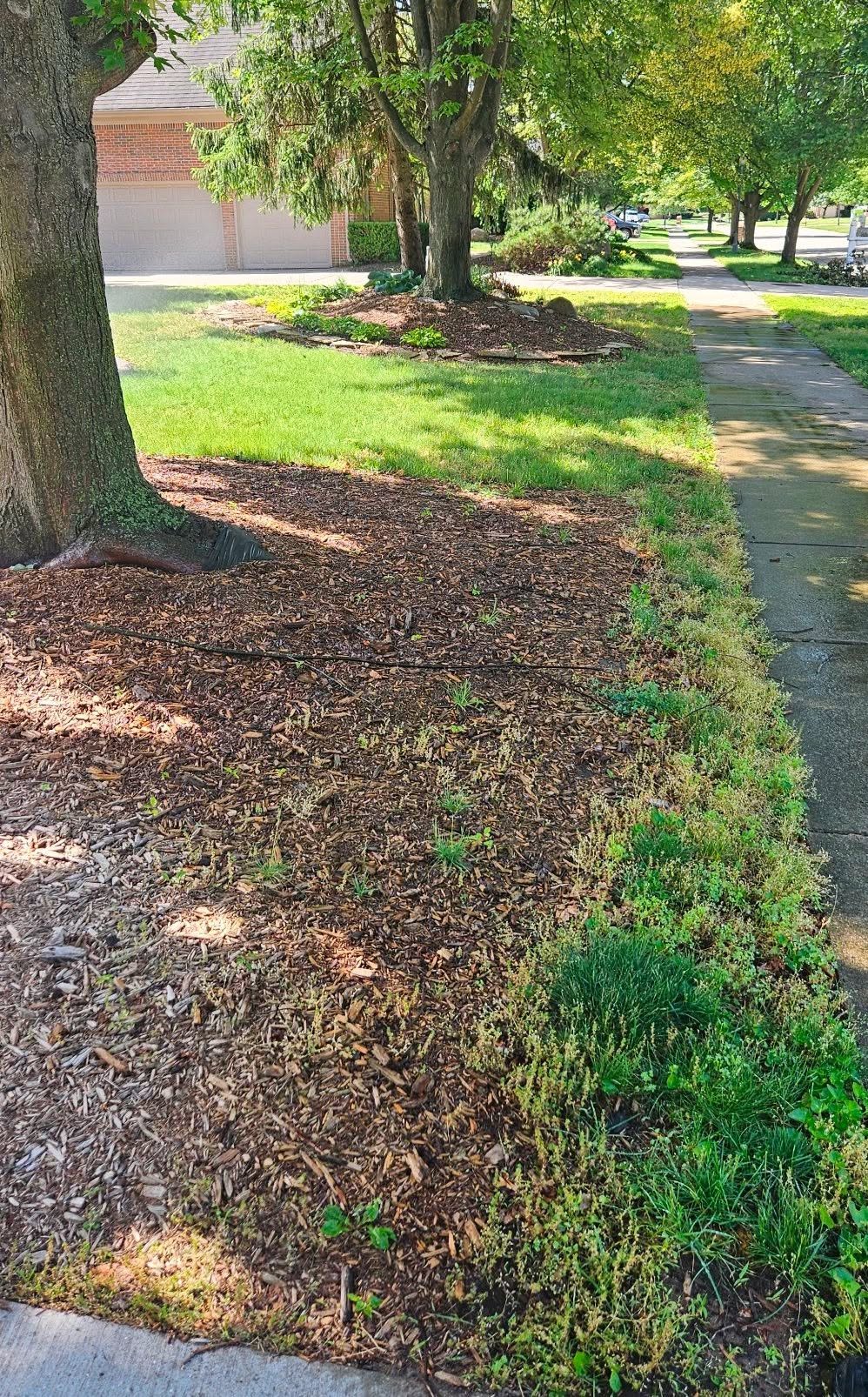
A newer build in Sudbury often starts with even less topsoil than an established property, because construction strips whatever thin layer existed and leaves a compromised surface for sod or seed to establish into. That’s a disadvantage these older neighbourhoods simply didn’t start with in the same way, since the original development decades ago didn’t always involve the same scale of excavation and grading.
New homeowners also tend to start from scratch on maintenance habits — sometimes overdoing it with frequent shallow watering, sometimes under-mowing the height, sometimes skipping aeration entirely because nobody told them Sudbury’s clay-heavy soil needs it more aggressively than soil elsewhere. The older neighbourhood lawns I’ve seen hold up well are almost never the result of a single dramatic intervention. They’re the result of someone — sometimes the original owner, sometimes a subsequent one — doing a few correct things consistently for long enough that the soil and grass both improved gradually rather than all at once.
What You Can Actually Take From This for Your Own Lawn
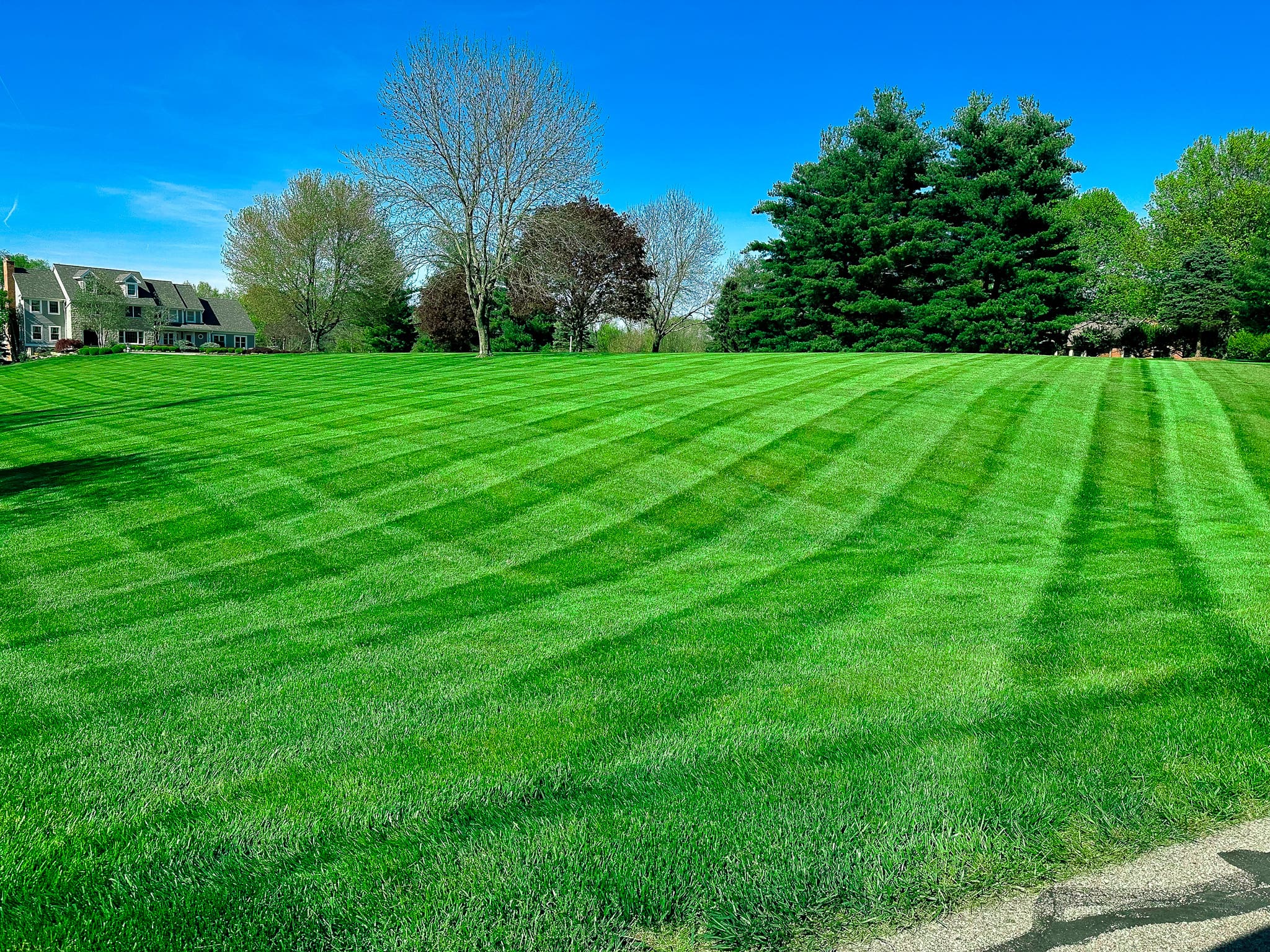
alt :Consistent lawn maintenance Sudbury established healthy turf
If your property is newer, or if you’ve just moved into an older Sudbury home and aren’t sure what’s been done to the lawn over the decades, the honest starting point is the same regardless of the property’s age: test the soil pH before investing heavily in fertilizer, since acidic soil limits how well any product can actually be used by the grass. Get on a consistent annual aeration schedule rather than skipping years, given how aggressively our clay compacts. And accept that this is a multi-year project, not a single-season fix — the lawns that look like they’ve held up since the 1970s got there through decades of consistency, not one good summer.
If you want help figuring out where your specific property stands — soil condition, what’s realistic for this season versus next year — give me a call and I’ll walk it with you honestly.
📞 705-507-6787
🔗 Get a Free Quote
📍 Serving Greater Sudbury — Garson, Val Caron, Hanmer, Lively, Chelmsford, Azilda, Capreol
— Ryan
Frequently Asked Questions
Why do some older Sudbury lawns still look good after decades?
It’s almost always consistency rather than anything dramatic. Decades of regular mowing, watering, and seasonal cleanup allow organic matter to build up in the soil over time, even on a property that started with shallow topsoil over Canadian Shield bedrock. Many of these properties also had their soil chemistry corrected at some point in their history, whether deliberately through liming or gradually through accumulated organic matter, which lets the grass actually use the nutrients available to it.
Is Sudbury’s soil naturally acidic?
Yes, generally. Greater Sudbury’s soil tends to be more acidic than the ideal range for most cool-season lawn grasses, partly due to the naturally acidic Canadian Shield geology and partly due to decades of historic industrial activity in the region. Acidic soil reduces how well grass roots can access available nutrients, which means fertilizer applied to uncorrected acidic soil often underperforms regardless of product quality.
Should I test my lawn’s soil pH before fertilizing in Sudbury?
Yes, it’s worth doing before investing heavily in any fertilizer program. If soil pH is significantly outside the 6.0 to 7.0 range most lawn grasses prefer, fertilizer applied on top of that won’t perform as expected, since the chemistry of the soil limits nutrient availability regardless of what’s added. A soil test tells you whether lime is needed and roughly how much, which is a more useful first step than guessing at a fertilizer schedule.
Do newer Sudbury subdivisions have worse lawn conditions than older neighbourhoods?
Often, yes, at least initially. Construction on newer builds typically strips whatever thin topsoil existed, leaving an even shallower and more compromised layer for new sod or seed to establish into. Older established properties have had decades for organic matter to accumulate, even starting from similarly thin topsoil. The gap isn’t permanent, though — a newer property can catch up over time with consistent aeration, correct mowing height, and addressing soil chemistry early rather than waiting decades.
What’s the most important thing I can do for a long-term healthy lawn in Sudbury?
Consistency matters more than any single product or service. Annual core aeration to manage Sudbury’s aggressive clay compaction, mowing at the correct height every cut, and understanding your soil’s pH before investing in fertilizer are the fundamentals that, done every year without skipping seasons, produce the kind of lawn that holds up for decades — the same pattern visible in older Sudbury neighbourhoods where the lawns still look good.
Ryan Lingenfelter is the owner of Cutting Edge Lawn & Landscaping in Garson, Ontario. Since 2020, his crew has provided full lawn care services across Greater Sudbury — Garson, Val Caron, Hanmer, Lively, Chelmsford, Azilda, and Capreol. Cutting Edge is licensed, insured, BBB A+ rated, and ThreeBest Rated for lawn care services in Sudbury.
📞 Phone: 705-507-6787
📍 Service Area: Greater Sudbury, Ontario
🔗 Free Quote: cuttingedgelawn.ca/quote
Helpful Lawn Care Services in Sudbury
- Core Aeration for Healthy Lawns
- Grass Cutting Services in Sudbury
- Property Cleanup Services
- Sod Installation in Sudbury
Continue Reading
- Sudbury Climate and Soil: Why Lawn Care Is Harder Here Than Anywhere in Ontario
- Sudbury Yard Transformation: My First Year Fixing the Worst Lawn
- The Sudbury Lawn I Almost Gave Up On — I’m Glad I Didn’t
