
Buying your first home in Greater Sudbury is exciting. You’re walking through properties, imagining your furniture in the living room, thinking about what you’ll do with the backyard. And your realtor is doing their job — pointing out the roof, the windows, the age of the furnace.
Nobody is looking at the yard and asking the right questions. And in Sudbury, that can cost you.
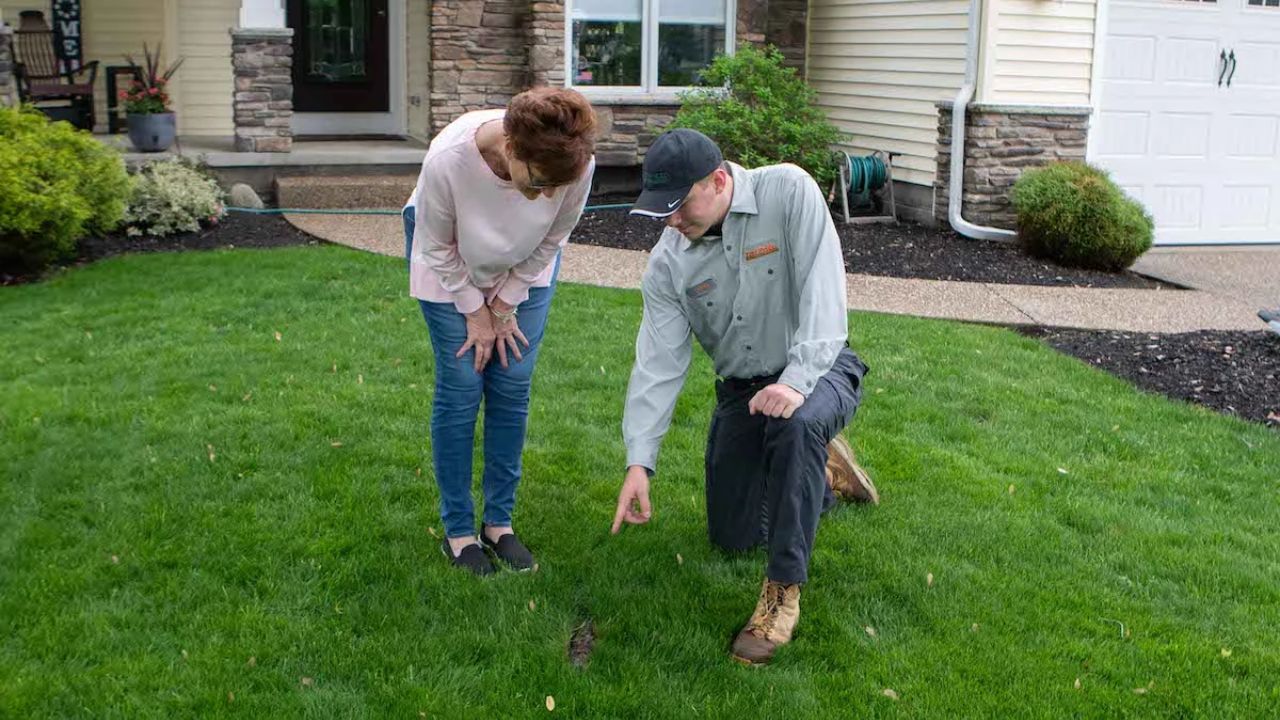
I’ve been doing lawn care and landscaping across Greater Sudbury since 2020. Every single spring I get calls from new homeowners who bought a place the previous fall or winter, had no idea what the yard actually looked like under the snow, and are now standing in their backyard in April wondering what happened. Bare patches everywhere. Drainage pooling against the foundation. A lawn that looks like it hasn’t been maintained in years.
I’m not writing this to scare you. I’m writing it because a few simple questions — asked before you close — can save you thousands of dollars and a full season of frustration. Here’s what I’d tell any first-time buyer in Sudbury to look for and ask about before they sign.
Question 1: When Was the Lawn Last Properly Maintained — and What Does That Actually Mean?
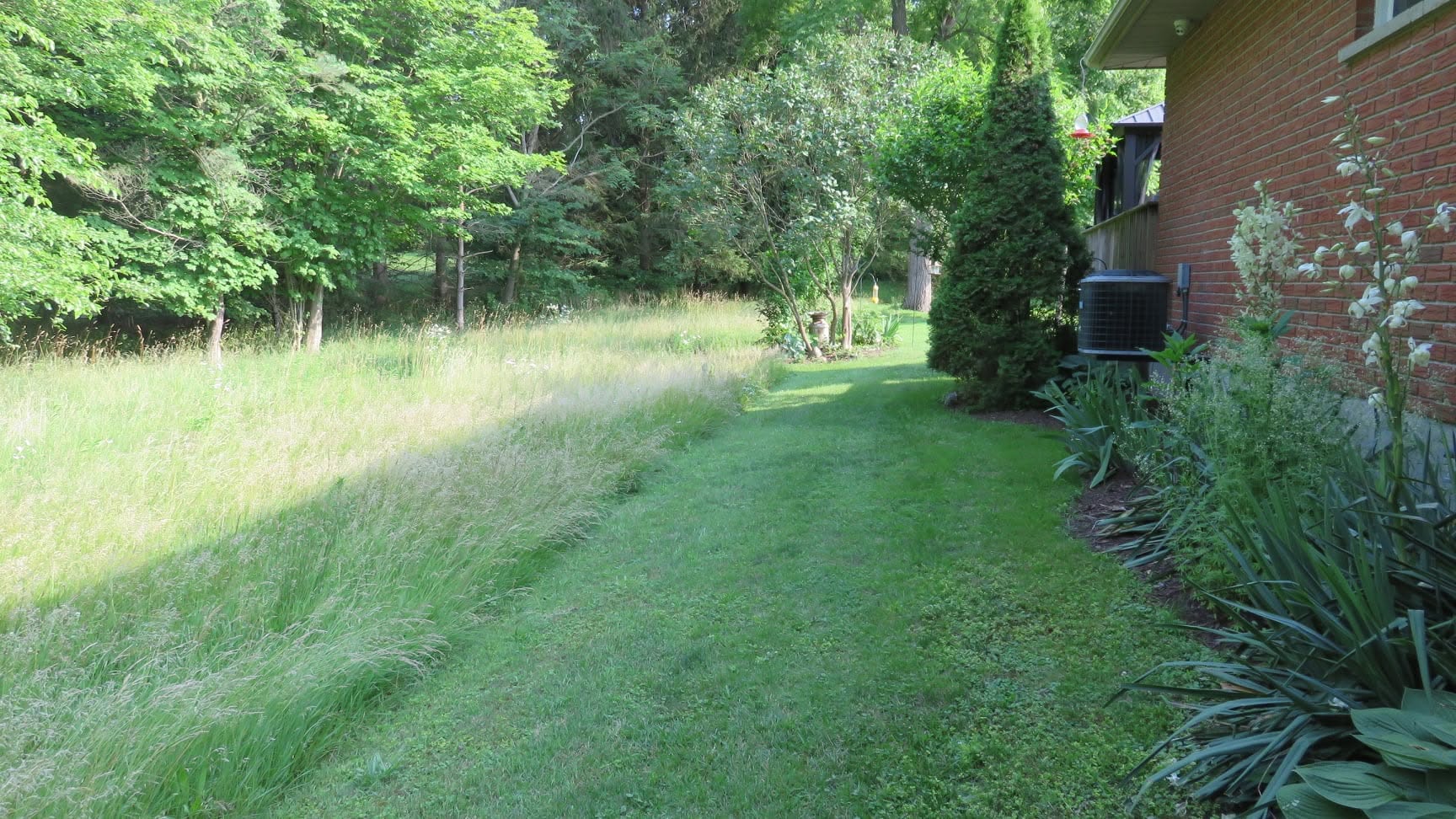
A lawn can look okay in photos and feel completely different in person. Especially in fall when the grass has been mowed recently and everything is green. What you can’t see in that moment is what the lawn looks like in June after a dry stretch, or whether it’s been on a proper maintenance program or just occasionally mowed to keep the neighbours from complaining.
Ask the sellers directly: Has the lawn been aerated in the last two years? Has it been fertilized? Has anyone done anything about the thin or bare patches?
If the answer is no — or if they don’t know — that tells you something. A lawn that’s been neglected for several years without core aeration or any kind of soil care is going to have compacted soil, shallow root systems, and a lot of vulnerability to heat and drought. It’ll look fine in a mild season and fall apart in a tough one.
That doesn’t mean you shouldn’t buy the house. It just means you know what you’re inheriting. Budget for a proper first-season program — aeration, overseeding, and some basic maintenance — and you’ll be ahead of where most new homeowners end up.
A lawn that’s genuinely been maintained is something the sellers will be able to describe. If they can’t, assume it hasn’t been.
Question 2: Where Does the Water Go When It Rains Hard?
This is the one that catches new homeowners the most off guard, and it’s also the one that’s easiest to miss during a viewing on a dry day.
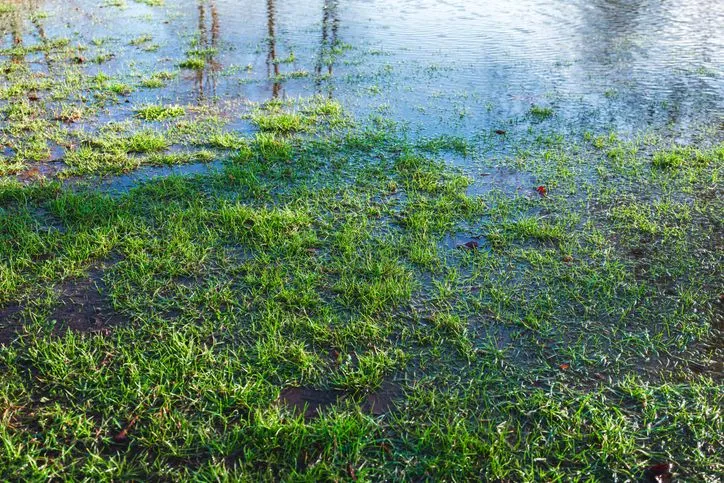
Drainage problems in Sudbury are common. The combination of clay-heavy soil in many neighbourhoods, frost heave over the winters, and older properties where the original grading has shifted over time means that a lot of yards don’t drain the way they should. Water pools in low spots. Worse, it pools against the foundation — which is not just a lawn problem, it’s a basement problem.
When you’re doing a viewing, walk the perimeter of the yard and look for low spots. Look at the grade immediately around the house — does the ground slope away from the foundation, or does it slope toward it? If it’s flat or slightly concave near the house, that’s water sitting against your foundation every time it rains.
Ask the sellers if they’ve ever had water in the basement after heavy rain. Ask if there are any areas of the yard that stay wet longer than others. These are fair questions and the answers matter.
Fixing drainage is doable — regrading, installing a French drain, bringing in topsoil to raise low areas — but it’s not cheap and it’s not a weekend project. Knowing about it before you close means you can negotiate, budget properly, or at least not be blindsided when the spring thaw hits.
Once drainage is sorted, laying fresh sod on a properly graded base gives you a lawn that drains correctly and stays healthy through wet seasons. But you have to fix the grade first — sod on top of a drainage problem is just a prettier version of the same issue.
Question 3: What’s Actually Under the Lawn — Is There Old Landscaping, Debris, or Infrastructure Buried Here?
This one sounds odd but I promise it’s worth asking, especially on older properties in Sudbury.
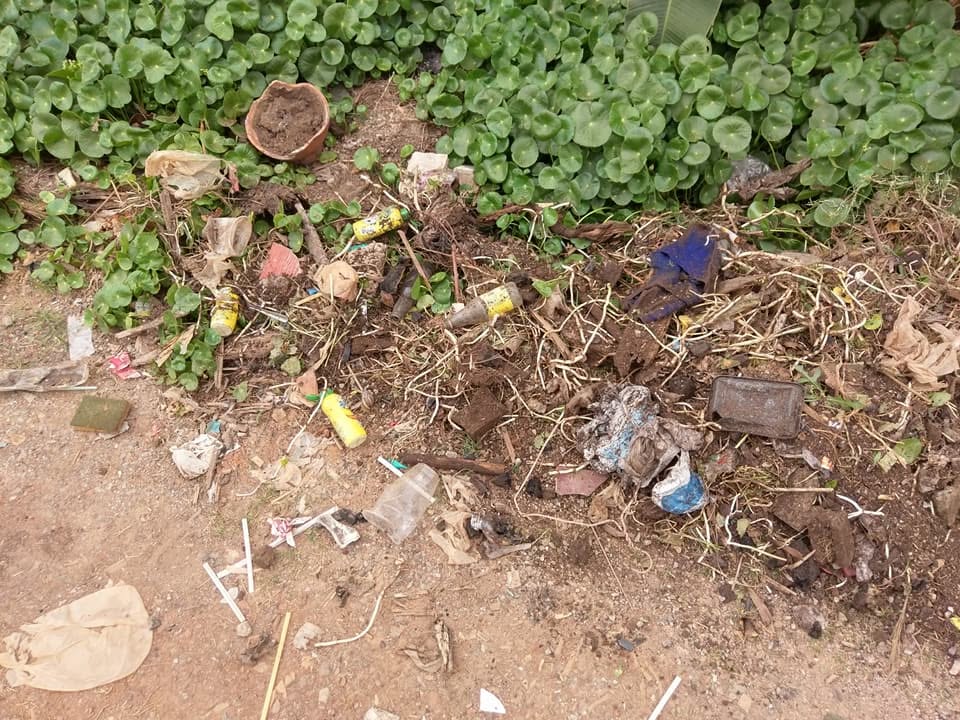
I’ve written before about the Sudbury property where we found buried construction debris just eight inches below the surface — concrete chunks, old wood framing, fill material that had been pushed aside during the original build and covered over with a thin layer of topsoil. The homeowner had been fighting a dead patch in that area for years and had no idea why nothing worked.
That story isn’t unique. On properties built in the 1960s, 70s, and 80s, buried debris is genuinely common. Old tree stumps ground down and left in place. Landscaping beds filled in and sodded over. Broken concrete from an old walkway or patio buried a foot down. All of it affects how the lawn grows above it, and none of it shows up in a home inspection because nobody is digging up the yard.
Ask the sellers if they know of any old landscaping features that were removed. Ask if there are any spots in the yard that have always been difficult to grow grass on. Ask about any old outbuildings, sheds, or structures that used to be there.
You won’t always get complete answers, but the questions themselves sometimes surface information the sellers didn’t think to volunteer. And if you notice an area of the yard where the grass looks consistently different from the rest — different colour, different texture, consistently thin or bare — make a note of it. There may be a reason.
Question 4: What Does This Lawn Look Like in July — Not October?
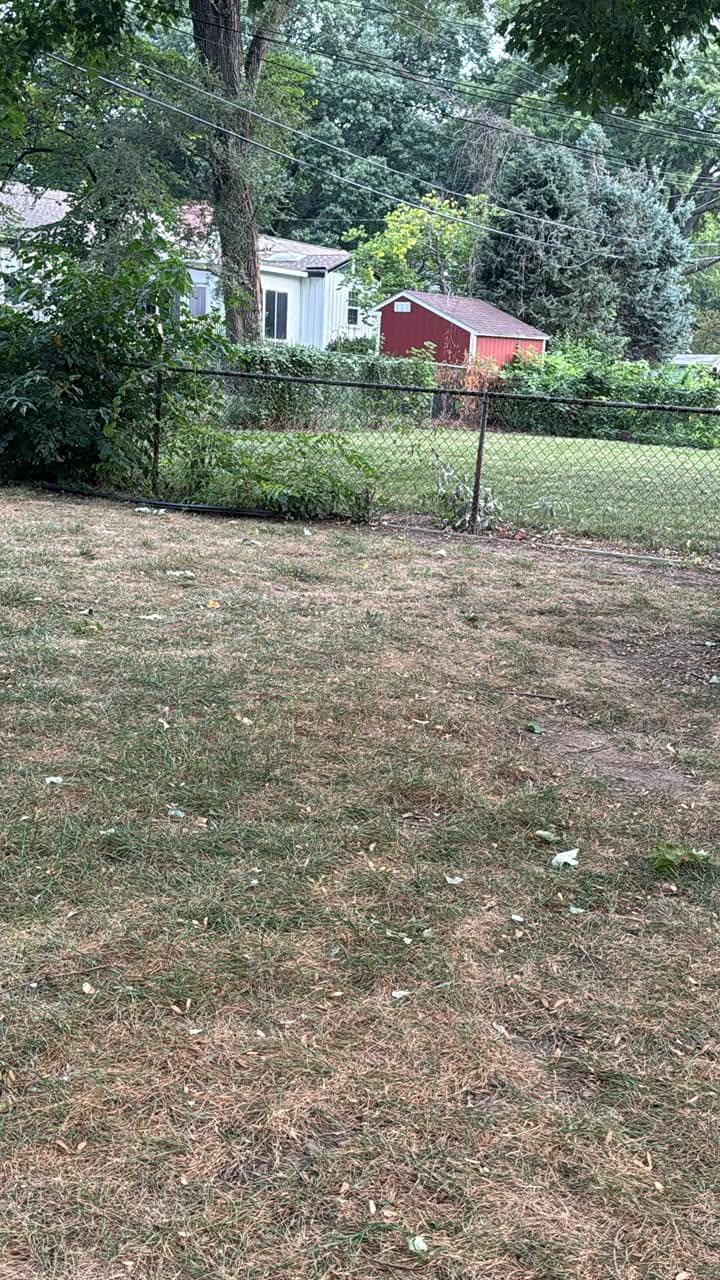
A lot of home purchases in Sudbury happen in fall or winter. The yard is either just past peak season or buried under snow. It looks fine. Or it looks like every other yard — brown and dormant. You have very little information to go on.
Ask the sellers for photos of the yard in mid-summer. Not a listing photo taken on an ideal day — ask specifically for a photo from July or August of this year, or last year. Most people have something on their phones. If they can’t or won’t produce one, that’s information too.
A lawn that looks healthy in October might have been a disaster in July. Heat stress, bare patches, drought damage — all of that can recover enough by fall to look deceptively decent. A summer photo shows you the real condition of the lawn under actual seasonal stress.
This also tells you something about the soil and root system health. A lawn that handles Sudbury summers well has decent soil, decent drainage, and roots deep enough to get through a dry stretch. A lawn that collapses every July is going to do the same thing for you unless you invest in actually fixing it.
If the lawn does need work — whether it’s patchy areas that need overseeding, compacted soil that needs aeration, or sections so far gone that fresh sod is the right call — knowing that going in means you can plan for it rather than react to it. First-season lawn work on a new property is completely normal. It’s just better to budget for it than to be surprised by it.
One More Thing — Get a Lawn Assessment Before You Move In, Not After
Here’s something I offer that most new homeowners in Sudbury don’t know about: if you’re purchasing a property and want an honest read on the yard before you close, I’ll come out and take a look. Not during the inspection — just a walkthrough of the yard with someone who knows what to look for in this specific part of Ontario.
I’ll tell you what the soil looks like, whether the grading is right, if there are drainage concerns, what the lawn’s realistic condition is, and what it would actually cost to get it where you want it. No obligation. No pressure to hire me. Just information that helps you make a smarter buying decision or negotiate with the sellers.
I’ve done this for a handful of buyers over the years and every single one of them has told me it was worth the hour. You’re spending hundreds of thousands of dollars on this property. Knowing what the yard is going to cost you is part of understanding what you’re buying.
📞 Call or text me directly: 705-507-6787
Or fill out the free assessment request here.
— Ryan Lingenfelter
Owner, Cutting Edge Lawn & Landscaping
Garson, Ontario
