
Every spring I talk to homeowners across Greater Sudbury who’ve spent real money on lawn equipment — stuff sitting in the garage or shed that either doesn’t get used, doesn’t work for their property, or flat out wasn’t the right purchase for what their lawn actually needed.
I’ve also seen homeowners who bought one simple, affordable tool and completely changed what their lawn looks like over a couple of seasons. Not because they worked harder. Because they worked on the right thing.
I want to be upfront with you: I’m a lawn care professional. Part of my job is doing things for homeowners that they either can’t or don’t want to do themselves. But part of my job — the part I take seriously — is giving people honest information so they make good decisions. And the honest truth is that some lawn tasks make sense to DIY, some make more sense to hire out, and some expensive equipment is just a bad investment for the average Sudbury homeowner.
Let me break it down.
The $200 Tool Worth Every Penny: A Quality Soil Knife (And Here’s Why)
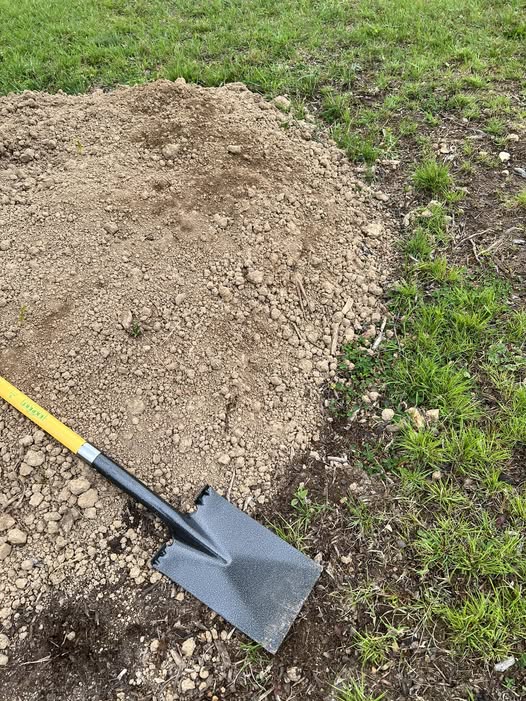
Alright — I’m not going to tell you to go spend $200 on a single soil knife. But I want to explain the category I’m actually talking about, because the dollar amount isn’t the point. The point is: the tools in this price range that are genuinely worth owning are the manual, simple, durable ones. And the best example is a combination of a good soil knife and a quality manual edger.
Here’s why I push these so hard for Sudbury homeowners specifically.
The edges of your lawn — along the driveway, the walkway, the garden beds — are what people see first. A lawn that’s well-edged looks cared for even if the grass itself isn’t perfect. A lawn with ragged, overgrown edges looks neglected even when the grass is healthy. It’s the frame around the picture.
Most homeowners in Sudbury either skip edging entirely or use a string trimmer to sort of do it — which gives you a rough, uneven result. A proper manual edger, used once or twice a season to establish a clean line, takes twenty minutes and completely changes how a property looks from the street.
The soil knife pairs with it for garden bed borders and anywhere you need to cut a clean line into turf. These are not glamorous tools. They don’t have batteries or motors. But used consistently, they do more for how your lawn looks than almost anything else in the under-$500 range.
Add to this category: a good hand aerator for small problem spots, a quality bow rake for spring cleanup and spreading topsoil, and a soil probe so you can actually check moisture depth before you water. None of these are expensive. All of them are things I’d recommend every homeowner in Greater Sudbury have on hand.
The reason these tools work is the same reason core aeration works when done properly — you’re not masking the problem on the surface, you’re doing something real to the soil and structure of the lawn.
The $1,000 Tool You Probably Shouldn’t Buy: The Ride-On Mower
I knew this was going to be a controversial one to write. But I’ve had this conversation too many times not to put it in writing.
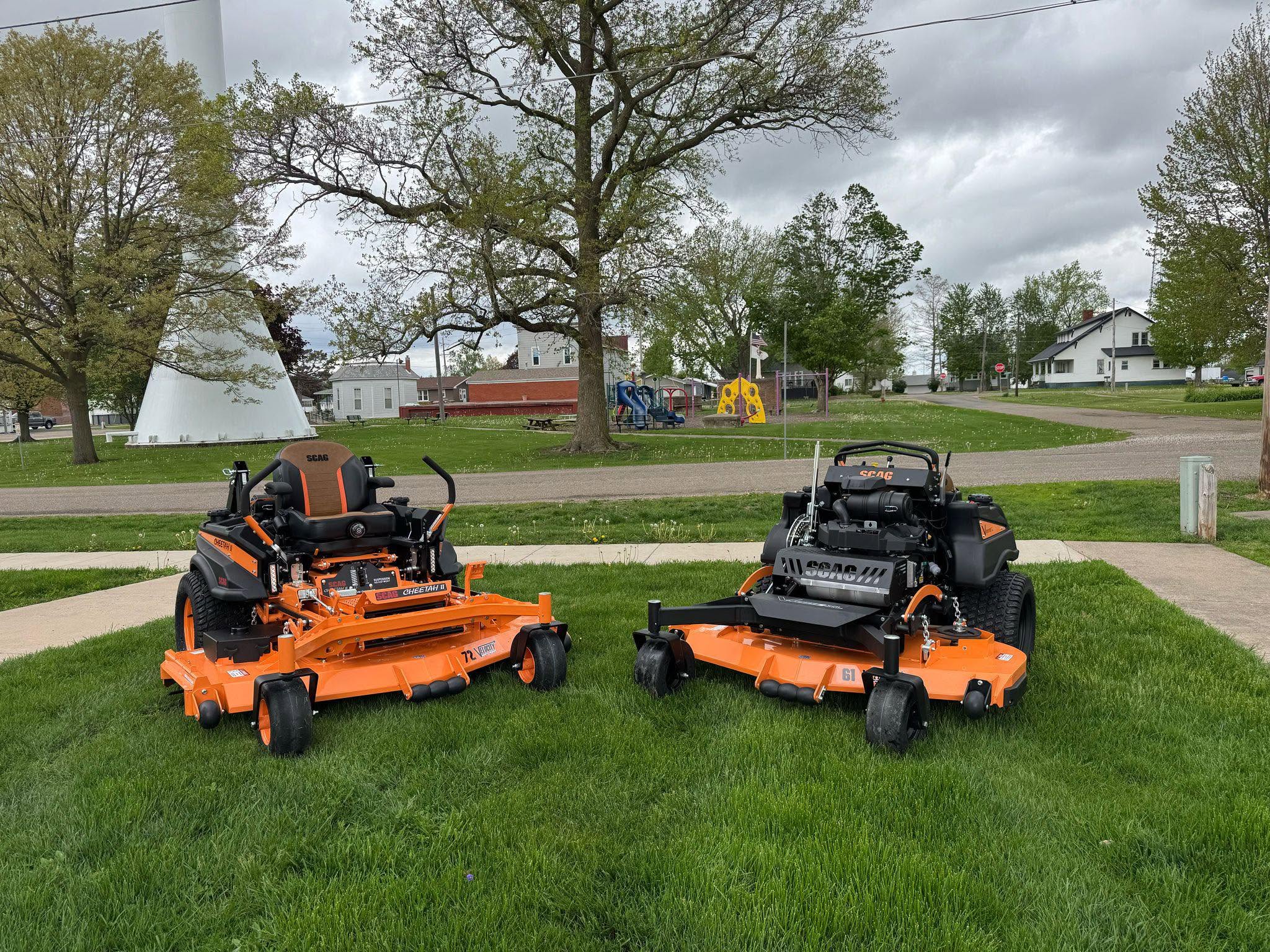
The ride-on mower — or its slightly smaller cousin, the zero-turn — is the most over-purchased piece of lawn equipment in residential Sudbury. I see them in garages on lots where a good walk-behind mower would do the job better, faster, and with less damage to the lawn.
Here’s my honest take on when a ride-on actually makes sense: you have more than an acre of relatively flat, open turf, no significant obstacles, and the physical capacity to operate it safely. That’s a real use case. For those properties, a ride-on saves genuine time and effort.
But the average residential lot in Sudbury, Garson, Val Caron, Chelmsford, Azilda — it’s not that property. Most residential lots here have obstacles, corners, garden beds, sloped areas, and tight spaces that a ride-on handles poorly. The turning radius alone on most residential ride-ons means you’re doing a lot of manual trimming anyway, which defeats half the point.
Worse, ride-on mowers compact soil. Every pass compresses the ground underneath, especially on lawns with clay-heavy soil — which is a lot of Sudbury. Over a few seasons of regular ride-on use, you can create serious compaction issues that affect root depth, drainage, and overall lawn health. I’ve come out to properties where the lawn looked mysteriously thin and struggling, and the culprit was years of ride-on mower use on soil that couldn’t handle the weight.
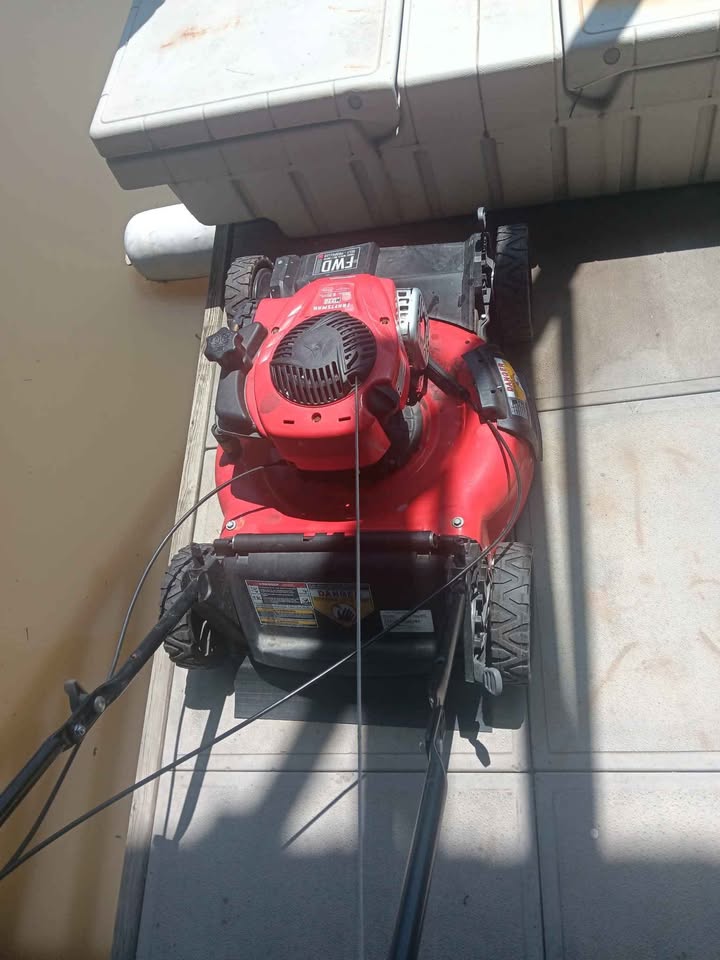
The machine is also expensive to maintain, takes up significant storage space, and depreciates fast. A well-made self-propelled walk-behind mower in the $400–$600 range will do a better job on most Sudbury residential lots, last just as long with proper care, and cause none of the compaction issues.
If you’ve already got a ride-on and your lawn is showing the effects — thin patches, slow recovery, poor drainage — a proper core aeration program can start reversing the compaction. But it takes consistent work over a couple of seasons to undo years of damage.
The Other Tools People Overspend On — And What to Do Instead
While I’m on this topic, let me run through a few more that come up regularly.
The tow-behind aerator. These attach to a ride-on mower and are marketed as a DIY aeration solution. The problem is they’re spike aerators, not core aerators. Spike aeration pushes soil aside to create a hole — which actually increases compaction around the hole rather than relieving it. Core aeration removes a plug of soil, which is what actually opens up the ground. If you’re going to aerate, rent a proper core aerator or hire it done by someone who uses the right equipment. The tow-behind spike aerator gives you the feeling of having done something useful without the actual result.
The robotic lawn mower. I get asked about these fairly often now. They’re getting more popular and the technology is improving. For a flat, simple, well-defined lawn they’re a reasonable convenience tool. But for most Sudbury lots — uneven terrain, hills, complex edges, pets, kids — they’re not ready to replace a proper mowing program. They also cut very short and very frequently, which can stress grass during dry periods. I wouldn’t invest in one for a typical Sudbury residential property yet.
The gas-powered leaf blower for a small lot. Loud, heavy, and completely unnecessary if your lot is under a quarter acre. A battery-powered blower in the $80–$120 range does the same job for 95% of Sudbury residential lots. Save the gas-powered equipment for larger properties where volume and runtime actually matter.
The handheld spreader for a large lawn. The opposite problem — people try to fertilize or overseed a large lawn with a handheld spreader and end up with uneven coverage. For anything over about 3,000 square feet, a wheeled broadcast spreader is worth the $60–$80 it costs. Consistent coverage is the whole point of fertilizing and overseeding, and you can’t get it with a handheld on a big lawn.
When the Right Answer Is Not a Tool at All
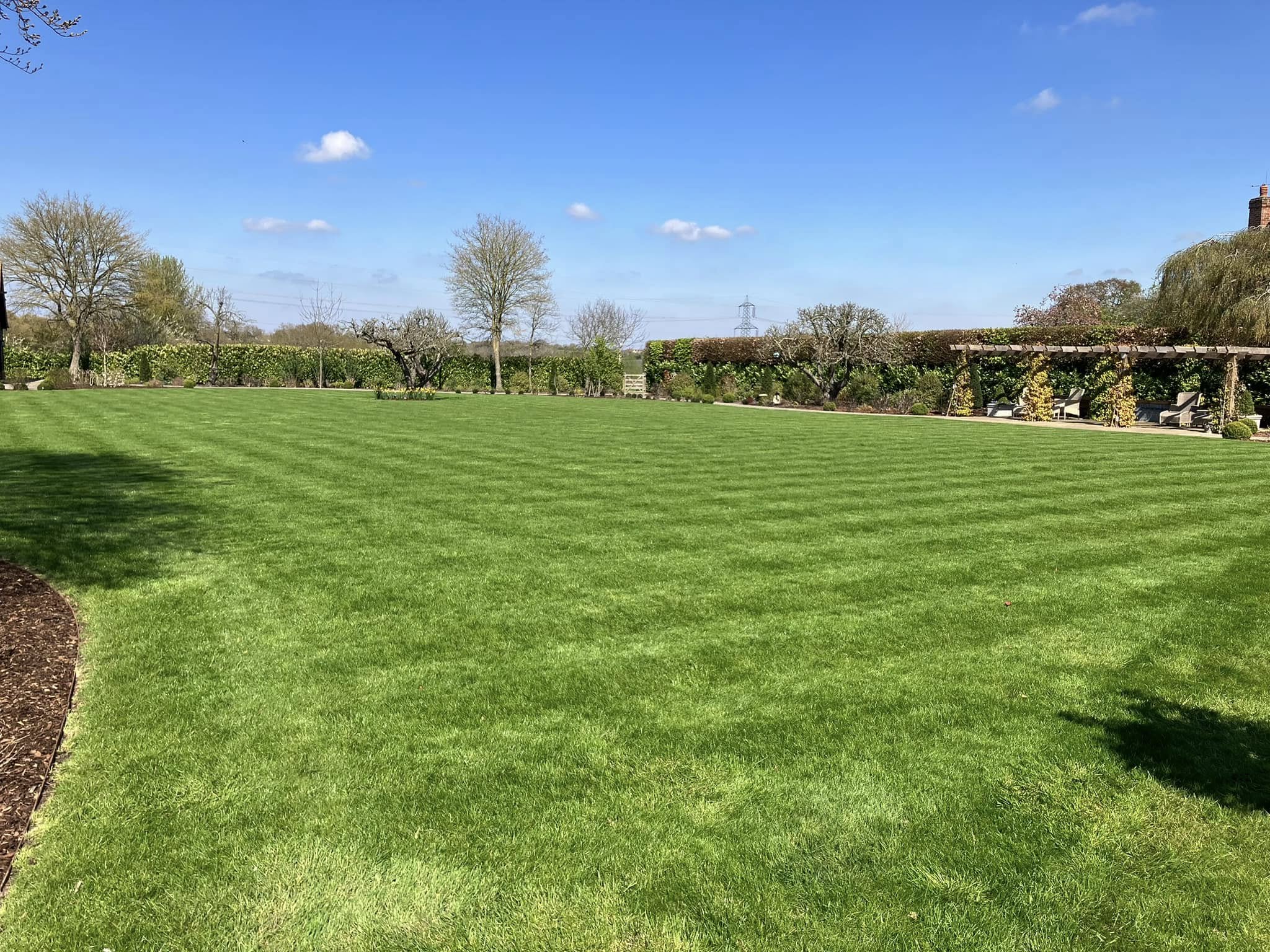
I want to end with something honest, because I think it’s actually the most useful thing I can say in a post like this.
Some lawn tasks make total sense to do yourself. Weekly mowing. Basic edging. Watering. Raking up debris in the fall. If you enjoy being outside and have the time, doing your own routine maintenance is completely reasonable and there’s no reason to pay someone for it.
But some tasks don’t make sense to DIY — not because you can’t physically do them, but because doing them wrong actually causes damage, and the equipment required to do them right is expensive to buy and annoying to store when you only need it once a year.
Core aeration is the clearest example. The rental equipment is decent, but it’s heavy, awkward to transport, and technique matters more than people realize. Done wrong you can miss problem areas entirely or — with the wrong machine — make compaction worse. Having it done professionally once a year costs less than most homeowners expect and gets a better result than most DIY attempts.
Sod installation is another one. The prep work alone — proper grading, topsoil, removing the old lawn — is where most DIY sod jobs go wrong. If the base isn’t right, the sod won’t root properly and you’ll be doing it again in two or three years. I’ve come out to re-do DIY sod jobs more times than I can count.
Overseeding large areas falls into the same category. Seed selection, soil prep, timing, and coverage consistency all affect results significantly. If you’re overseeding a small spot, fine — do it yourself. If you’re trying to restore a large area, having it done properly the first time is almost always cheaper than two or three failed DIY attempts.
The point is: spend money on simple tools that make your routine work easier and better. Don’t spend money on expensive equipment to DIY things that are genuinely better done by someone with the right gear and experience. And don’t buy a $1,000 machine to avoid a service call that might cost you $150.
Not Sure What Your Sudbury Lawn Actually Needs? Ask Me.
I give straightforward answers. If you tell me what you’re dealing with — dead patches, thin grass, drainage issues, edges that won’t behave — I’ll tell you whether it’s something you can handle yourself with the right tool, or whether it’s worth getting someone out there.
No obligation either way. I’d rather you make a good decision with good information than spend money you didn’t need to.
📞 Call or text me directly: 705-507-6787
Or fill out the free quote form here.
— Ryan Lingenfelter
Owner, Cutting Edge Lawn & Landscaping
Garson, Ontario
