Aloe vera is a great plant to think about if you want to add something easy and useful to your windowsill or backyard garden. But how do you keep it healthy and alive? Experts shared their best advice on how to care for aloe, including how to harvest and propagate it. After all, plants aren’t fun when they’re hanging on for dear life! “Aloe vera is a great houseplant for busy bees because they don’t need much care.” Christopher Satch, a professor of botany and the founder and CEO of NYC Plant Help, says, “The gel has been used since Egyptian times to help heal the skin from sunburns and to heal and moisturize dry skin.”
Aloe vera is great because you can grow it inside or outside. But no matter where you put your pot, you need to make sure the plant gets a lot of sun. Plant experts say that they can handle a little neglect, but like any plant, they do need to be watered. These plants are generally easy to care for, but there are a few other things to think about when buying an aloe vera plant. Read on for more expert advice on how to keep your aloe plant alive and healthy.
Natural healing aloe vera
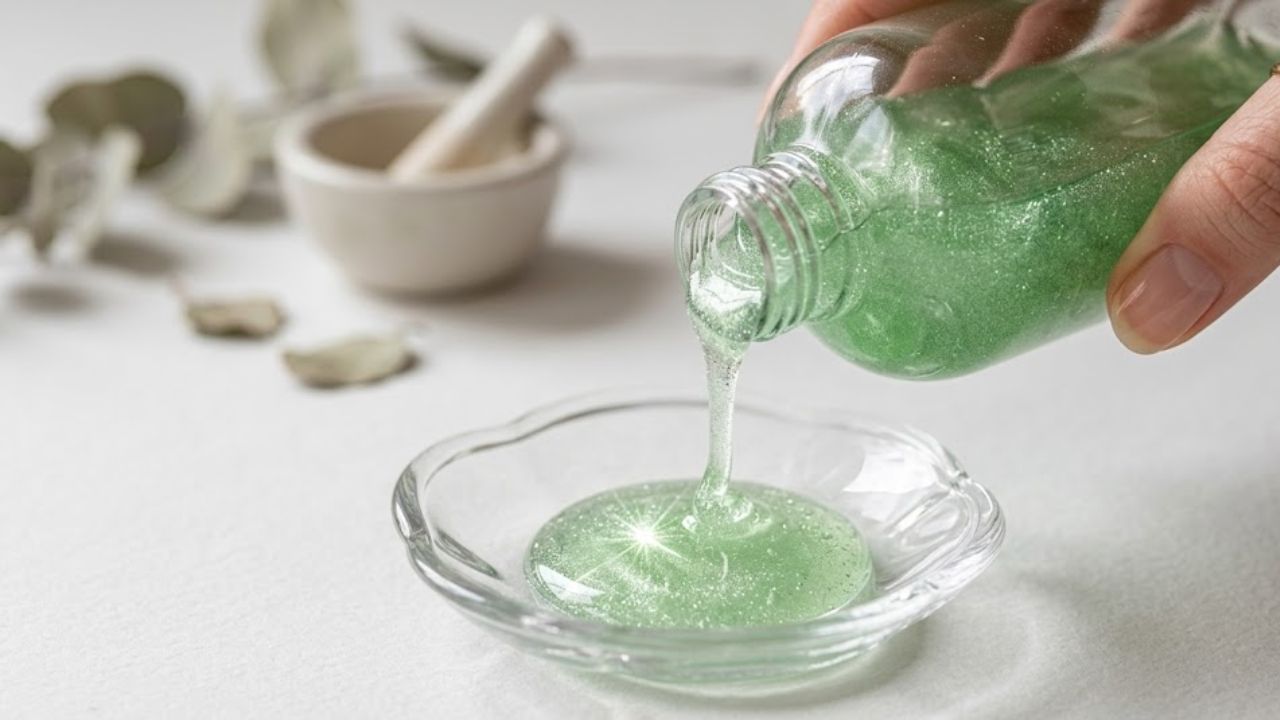
Aloe vera gel or serum for the face with oxygen aqua bubbles is a clear, moisturizing cosmetic.Iryna Veklich/Getty Images
For a long time, people have used the gel from aloe vera plants to treat sunburns and dry skin. WebMD says it also works for acne, cuts, scrapes, and stings. Aly Stoffo, owner of Glam Gardener NYC, says that aloe vera juice can also help the body get rid of toxins.
In addition to its health benefits, this popular houseplant can also bring a little bit of the outdoors into your home without taking up too much of your time. If you love plants but don’t have a lot of time to care for them, aloe vera might be the best choice for you.
How to grow aloe vera plants.
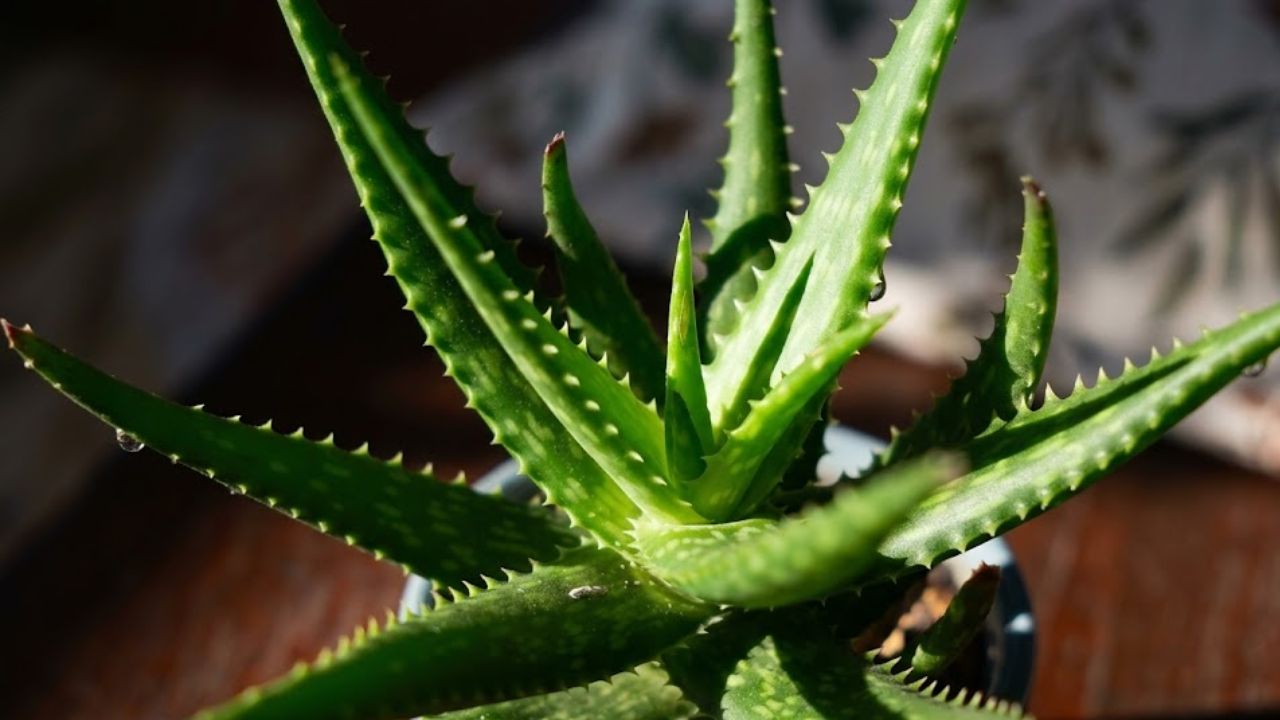
Many home gardeners love aloe because it is tough and doesn’t need to be watered very often. You can find advice on soil, sunlight, water, and other things below.
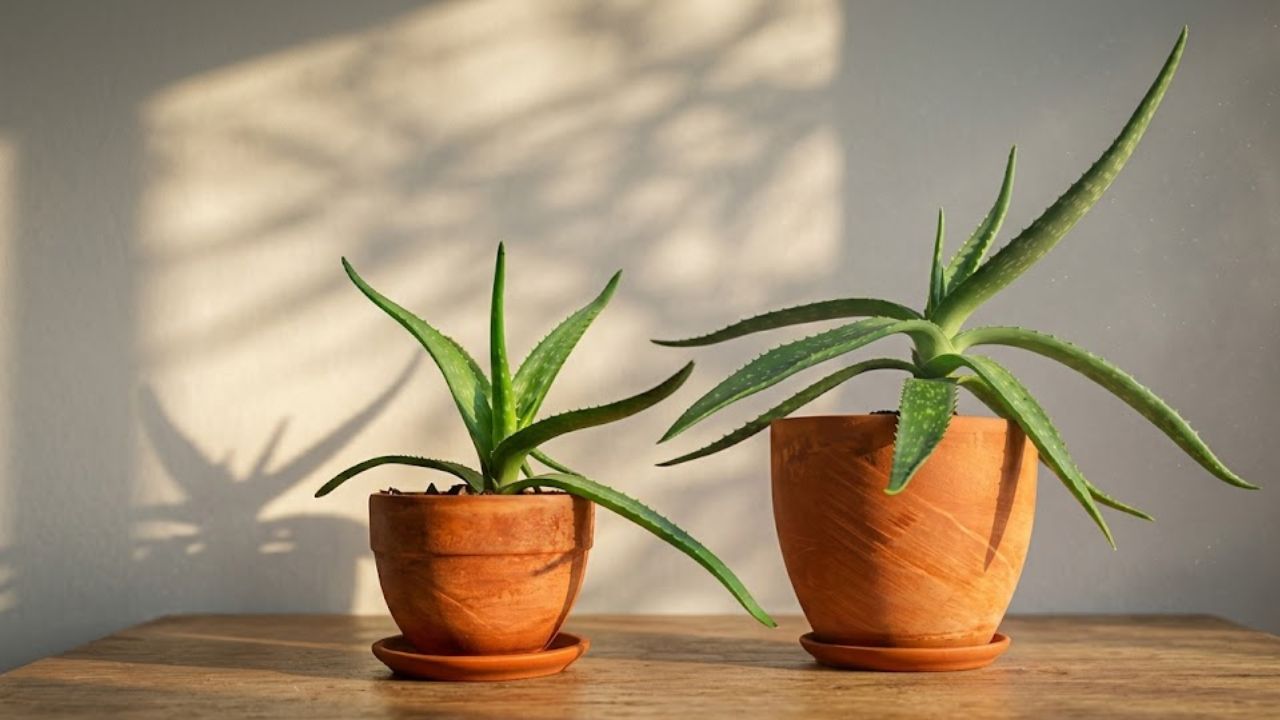
- Soil:Stoffo says that “well-draining soil” is best because it keeps the roots from rotting when the plants are watered. Mixing equal parts sand and potting soil is your best bet, or you can buy a special mix for succulents. Terracotta also dries faster than other types of plastic or glazed containers.
- Sunlight: Put your aloe in a sunny, bright spot. If not, it will go dormant and stop growing. Aloes like it very hot. “The more heat and sun, the better,” Stoffo says. You can move the potted plant outside for the summer if you want, but don’t put it in direct sunlight right away. To keep it from getting too much light, move it to a brighter spot every few days.
- Water:“They don’t mind being left alone and not getting water for a while, but when you do water them, make sure to do it well,” Satch says. Once every two weeks, give the plant a lot of water, but only after the soil has dried out completely. Because this plant is from the desert, keeping the soil wet will make the roots rot. Limp or brown leaves are another sign that you’ve given your plants too much water.
- Climate: You can grow your aloe outside if you live in a warm climate all year (Zone 10 or higher on the USDA Plant Hardiness Map). The leaves will die if the temperature drops below freezing, but the soil will freeze, which will kill the roots and stop new sprouts from growing.
- Fertilization: You don’t have to fertilize plants, but you can do it once a year in the spring. Choose a fertilizer that has phosphorus in it. Phosphorus is a nutrient that helps plants grow.
Types of aloe vera
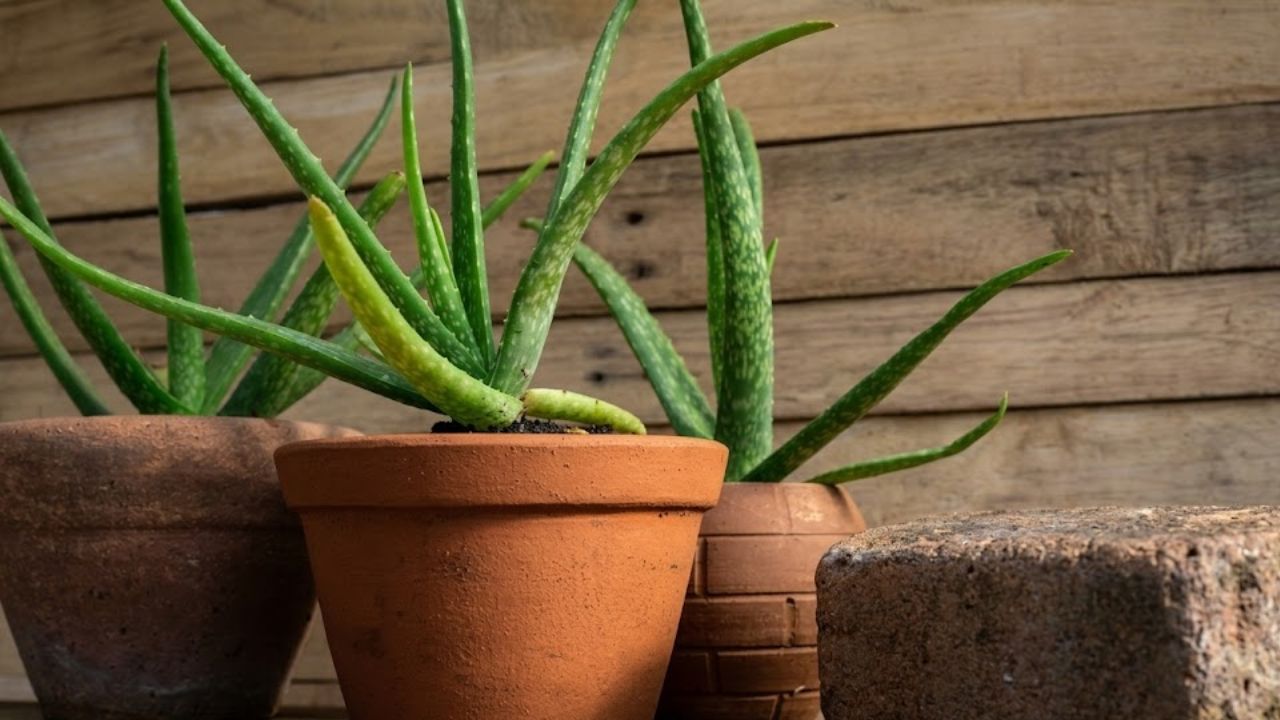
Aloe comes in more than 500 types, which are divided into three groups: tree aloes, shrub aloes, and stemless aloes. Fortunately, the same care that works for one succulent will work for all of them. These are some things to think about when choosing the best aloe plant for your home or garden:
- Aloe vera: is a well-known plant with thick, greenish leaves that fan out from the main stem. The flower stalk can grow up to 90 cm high, while the leaves can grow up to 30 to 40 cm long.
- Aloe aristata: These stemless succulents have white teeth on the edges of their leaves. They are poisonous and don’t have any health benefits. They can grow between 8 and 12 inches tall, which makes them great for pots.
- Aloe polyphylla:When you see this plant, you’ll know why it’s called the spiral aloe. The short leaves are in rows that spiral in the same direction. In the spring and summer, they bloom in shades of red to salmon pink.
How to make an aloe vera plant bloom
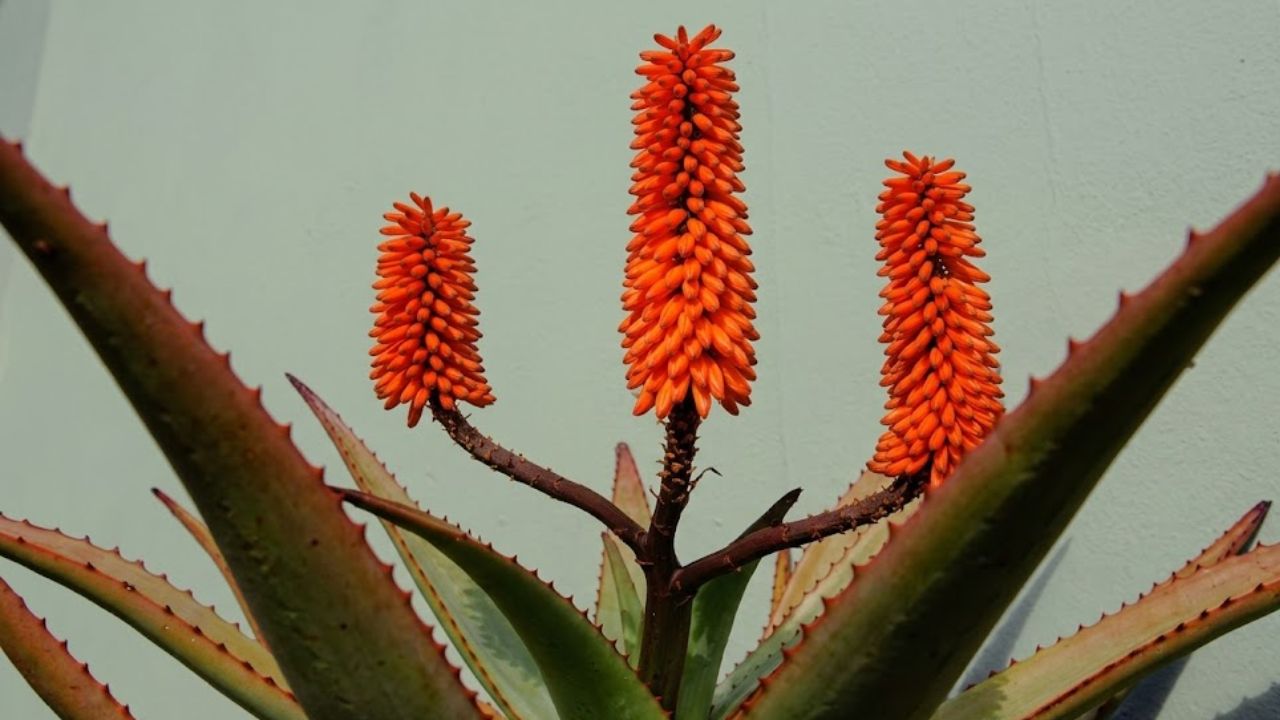 Aloe vera plants will naturally bloom better when they are outside in direct sunlight. If you live in a warm place, you might want to put the aloe plant outside in the summer. But don’t forget to slowly give the plant more light so it doesn’t get too much at once.
If you see that your aloe vera is wilting or that the leaves are turning yellow or brown, you might be giving it too much water, which will make it harder for it to bloom. In the spring, you could also try using fertilizer. But be careful how much you use it.
How to pick an aloe vera plant
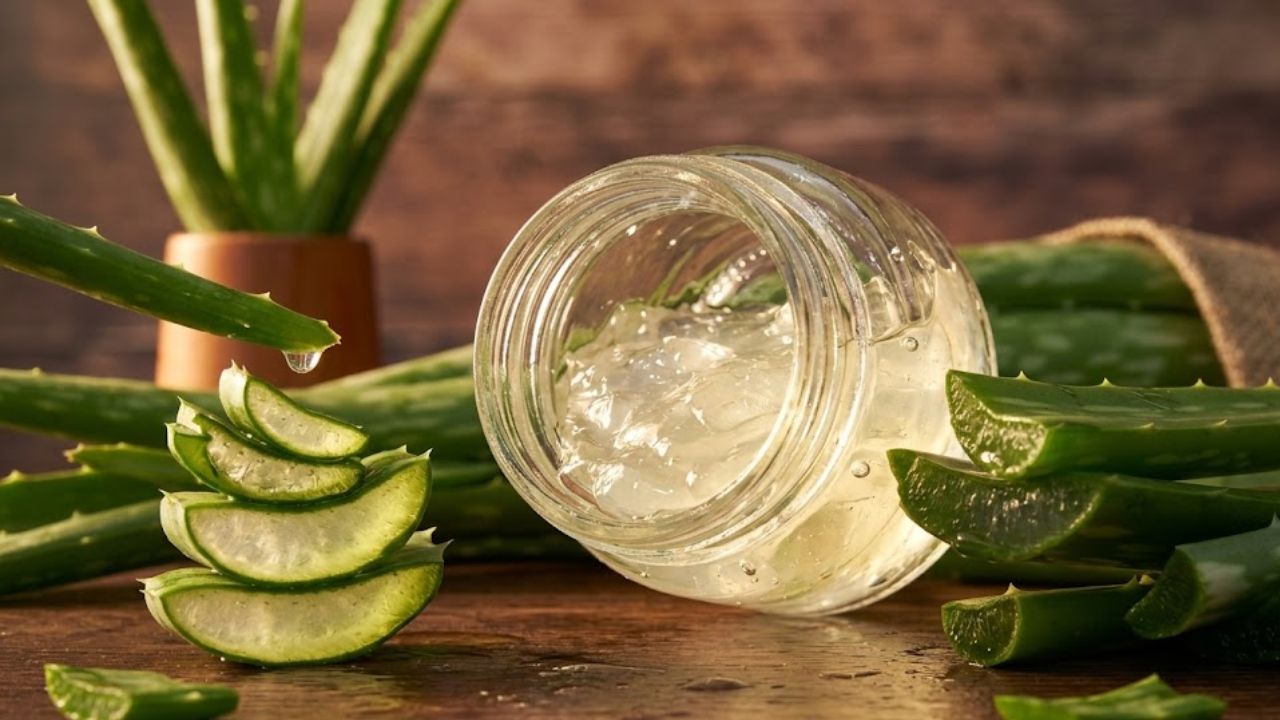
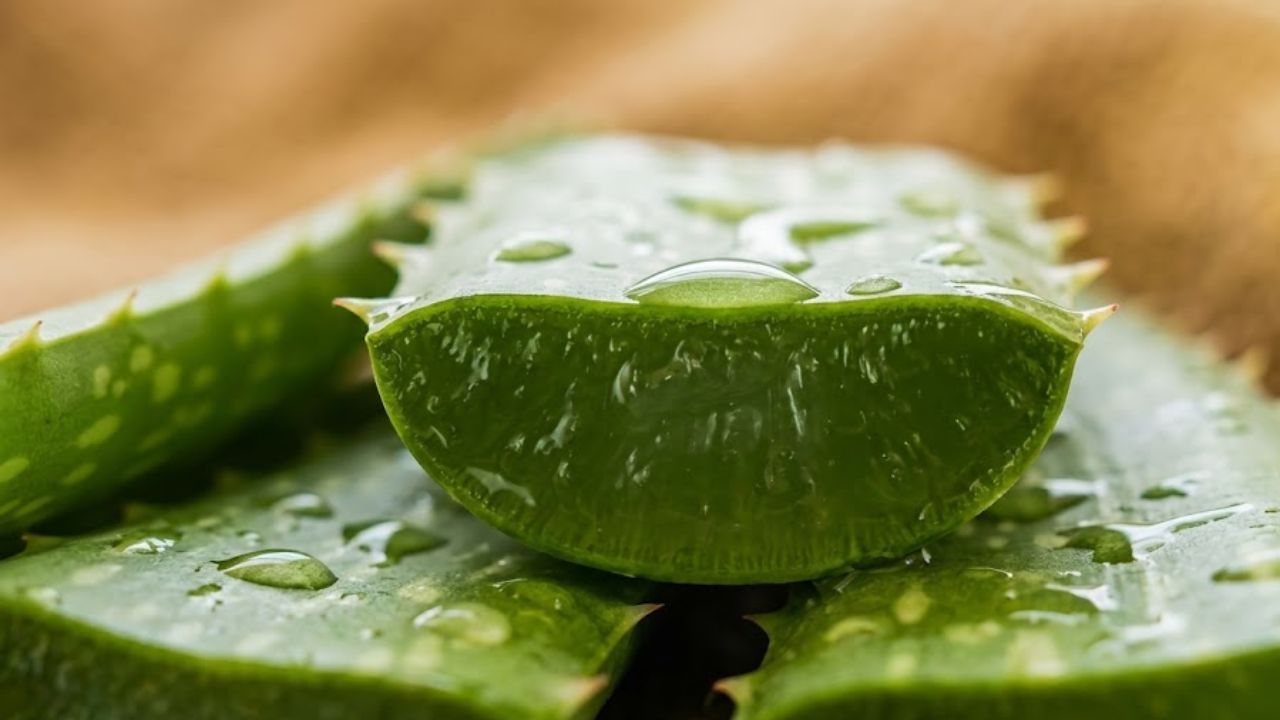
Aloe leaves have a clear gel inside them that is a popular home remedy. The Mayo Clinic says that this substance may speed up the healing of first- and second-degree burns and help wounds heal. Putting aloe gel on your skin could also help with acne and redness from mild to moderate psoriasis.
You can cut off an aloe leaf (as close to the stem as possible) when you need it and rub the juicy end on a sunburn or sore spot.
Aloe vera juice can also be used as a hair conditioner, makeup remover, or even a brow gel by some people. You can get more juice by cutting the spike lengthwise and using a spoon to scoop out the contents. There’s no guarantee that it will work as well as some of your favorite products, though. It will keep making more as long as the plant stays healthy.
How to grow more aloe vera plants
You might be surprised to learn that you can grow an aloe vera plant from cuttings. But this isn’t a reliable way to grow plants, so the plants probably won’t be able to live. Make sure the aloe pups, which are the baby plants that grow from the root system, are at least one-fifth the size of the aloe plant before you take them out. When it’s time, take the dirt off the bottom of the pup. Cut the aloe pup off the aloe plant with a clean, sharp knife. Put your puppy in a new pot with potting mix and let it sit for a week before you water it. You can take care of your dog the same way you would an aloe plant.
Stoffo tells people who are willing to do the hard work to propagate well, “You have to be patient.” Cut the leaf, let the cut end dry, and then put it in soil that drains well. Wait!
How to get an aloe vera plant to bloom
Aloe is a succulent with small roots, so you don’t have to replant it very often. You only need to do it when the roots are crowded or the plant is tipping over in the pot. They aren’t picky. Desert soils are sandy and not very good, so they can handle a lot. “Just make sure they get enough direct sunlight and heat to dry out properly between waterings,” Satch says.
With that in mind, making the plant bigger can stop the leaves from growing too slowly and wilting. Home for the Harvest says that you should repot aloe plants in the spring when they are growing. Follow the steps below (and watch the video above for a visual guide):
Pick a pot that is heavy enough to hold your succulent and lets water drain well.
Water the plant a day before you start. You don’t have to do this step if the aloe looks like it has too much water (the leaves are wilting).
Carefully take the aloe plant out of its pot. If the roots get stuck, cut them slowly.
Put the plant in its new pot with a good potting mix.
Don’t put in too much soil because the roots need room to breathe. After repotting, water right away.
Aloe doesn’t need to be replanted very often because its roots are small. You only need to do it when the roots are crowded or the plant is leaning over in the pot. “You can use any soil.” They aren’t picky. Desert soils are sandy and not very good, so they can handle a lot. “Just make sure they get enough direct sunlight and heat to dry out properly between waterings,” Satch says.
With that in mind, making the plant bigger can stop the leaves from growing too slowly and wilting. Home for the Harvest says that you should repot aloe plants in the spring when they are growing. Follow the steps below (and watch the video above for a visual guide):
- Pick a pot that is heavy enough to hold your succulent and lets water drain well.
- Water the plant a day before you start. You don’t have to do this step if the aloe looks like it has too much water (the leaves are wilting).
- Carefully take the aloe plant out of its pot. If the roots get stuck, cut them slowly.
- Put the plant in its new pot with a good potting mix.
- Don’t put in too much dirt because the roots need room to breathe. Water right after you repot.