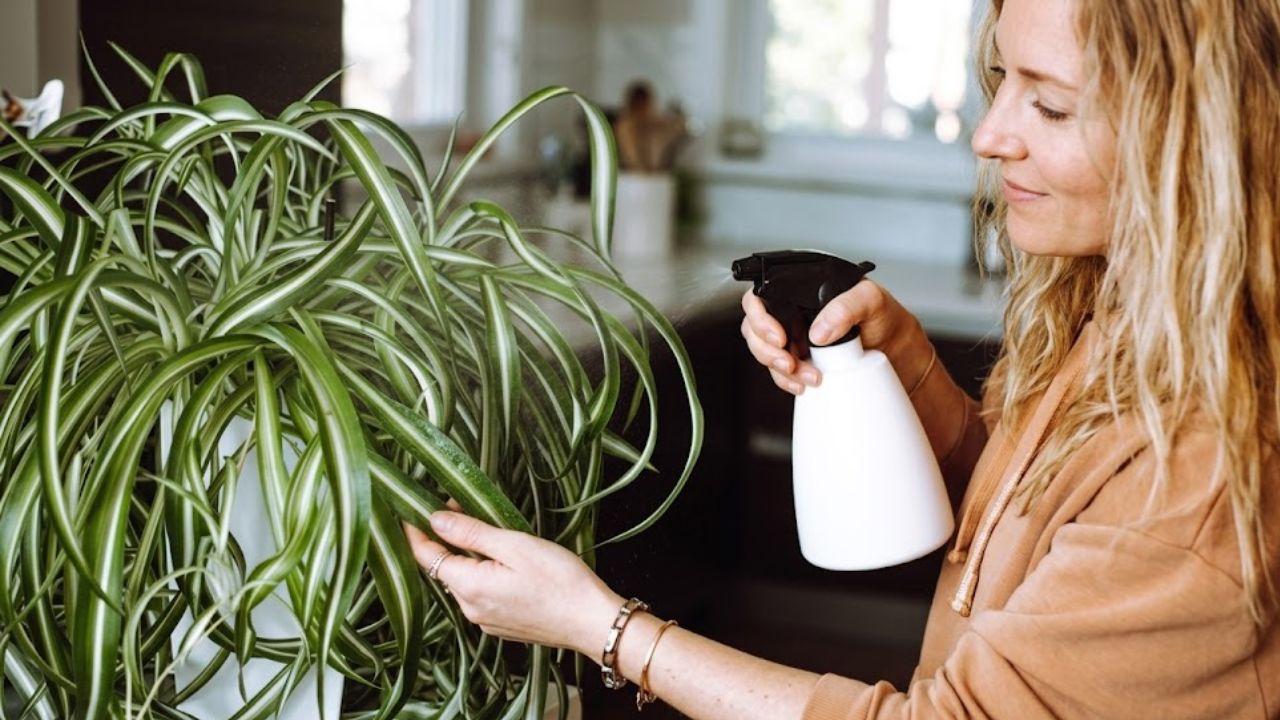
If you love houseplants, you’ve probably heard that spider plants are the best indoor plants. Chlorophytum comosum is the scientific name for these well-known plants. They are fairly easy to grow because they can handle a wide range of lighting, temperature, and soil conditions. Spider plants can live through some neglect, but they won’t grow as quickly or really thrive if you don’t take care of them. You can easily make the perfect conditions for your spider plants to grow quickly and fully if you want them to.
Spider plants come from parts of Africa and can grow to be about 2 1/2 feet wide and a little over a foot tall. They look great in hanging baskets, where their 2- to 3-foot leaves can cascade down. They can also be grown outside in USDA zones 9 through 11. The spider plant is one of the most well-known plants, but did you know that there are more than 200 different types of spider plants? These plants can be divided into three groups based on the shape of their leaves: variegated, non-variegated, and curly.
The best way to help a new spider plant grow quickly, whether you grew it from seeds or cuttings from an older plant, is to give it the right conditions. This means putting the plant in a spot where it will get a lot of indirect sunlight, keeping the humidity at a normal level, and watering it only when it needs it.
Giving the right amount of sunlight and water
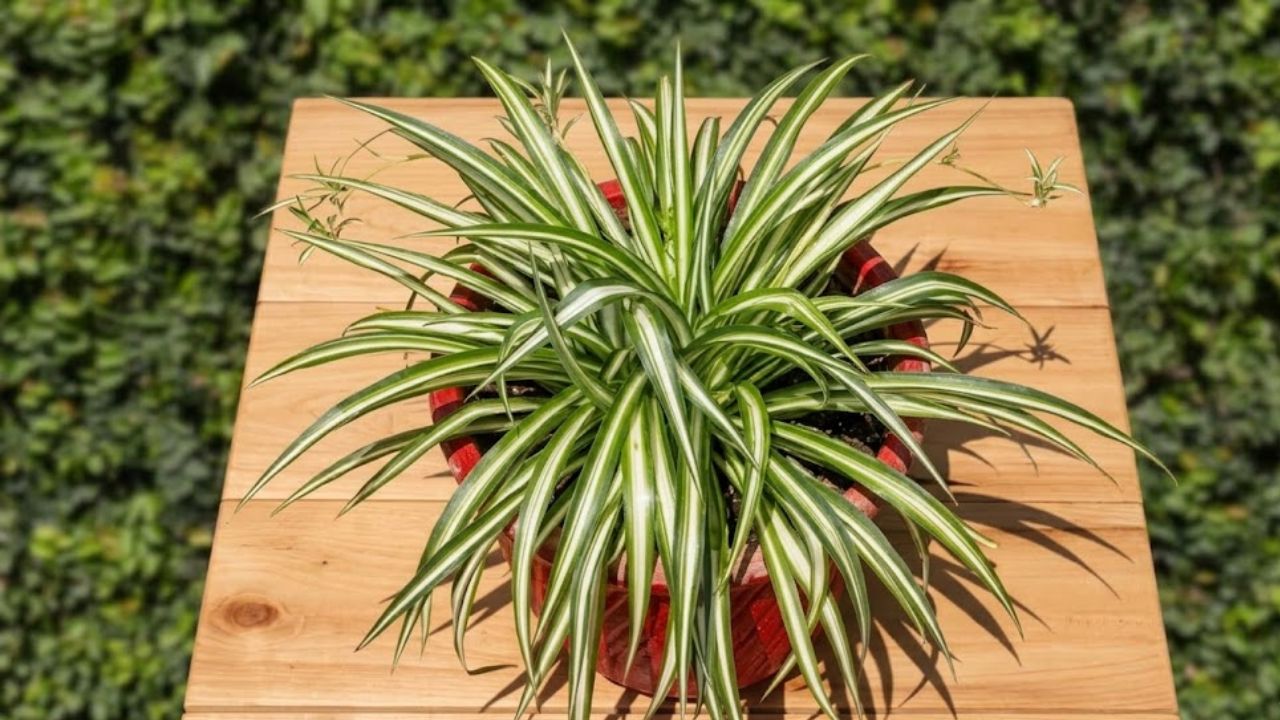
You can easily grow and take care of a spider plant if you give it the right amount of water, temperature, and indirect sunlight. If you water too much, the leaves may turn brown and the roots may rot. So, only water when the top inch or so of the soil is dry. Don’t use tap water because the fluoride in it can burn the tips of the leaves. Also, don’t forget about the room’s humidity and temperature. These plants like average humidity and temperatures between 55°F and 80°F, so keep them away from windowsills that get a lot of drafts or heat vents.
Spider plants need to find a balance when it comes to sunlight. A lot of indirect sunlight is the key to healthy growth. Plants will lose some color if they don’t get enough sun. Too much sun can also hurt growth. For example, plantlets grow when the main plant gets less than 12 hours of direct sunlight a day for a few weeks. Also, spider plants’ leaves can burn when they get too much direct sunlight. You should stay away from bright midday sun, so try putting your spider plant in a window that faces east.