Every spring, many homeowners face the same frustrating problem. One day the garden looks fresh, green and healthy, and the next morning the leaves look damaged, weak or half-eaten.
In many cases, the hidden reason is simple: slugs and snails. These small garden pests are most active in damp, shaded areas and can quickly damage young plants, flower beds and vegetable patches.
The good news is that you do not always need harsh chemicals or expensive products. A simple plastic bottle trick can help create a natural barrier around plants and protect your garden in a safe, low-cost way.
This idea is especially useful for homeowners who care about lawn care and landscaping services, because a healthy outdoor space is not only about mowing grass. It also includes protecting plants, garden beds and landscaped areas from common seasonal damage.
Why Slugs and Snails Can Damage Your Garden So Quickly
Slugs and snails usually come out at night or after rain. They prefer cool, moist areas and often hide under leaves, mulch, stones, wood, garden waste or thick vegetation during the day.
Once they reach soft plants, they can damage:
- Young vegetable plants
- Fresh garden seedlings
- Flowers and soft stems
- Leafy greens
- Newly planted landscape beds
For homeowners focused on lawn care in Sudbury or improving outdoor curb appeal, this type of damage can make a garden look messy very quickly.
The Simple Plastic Trick That Helps Keep Slugs Away
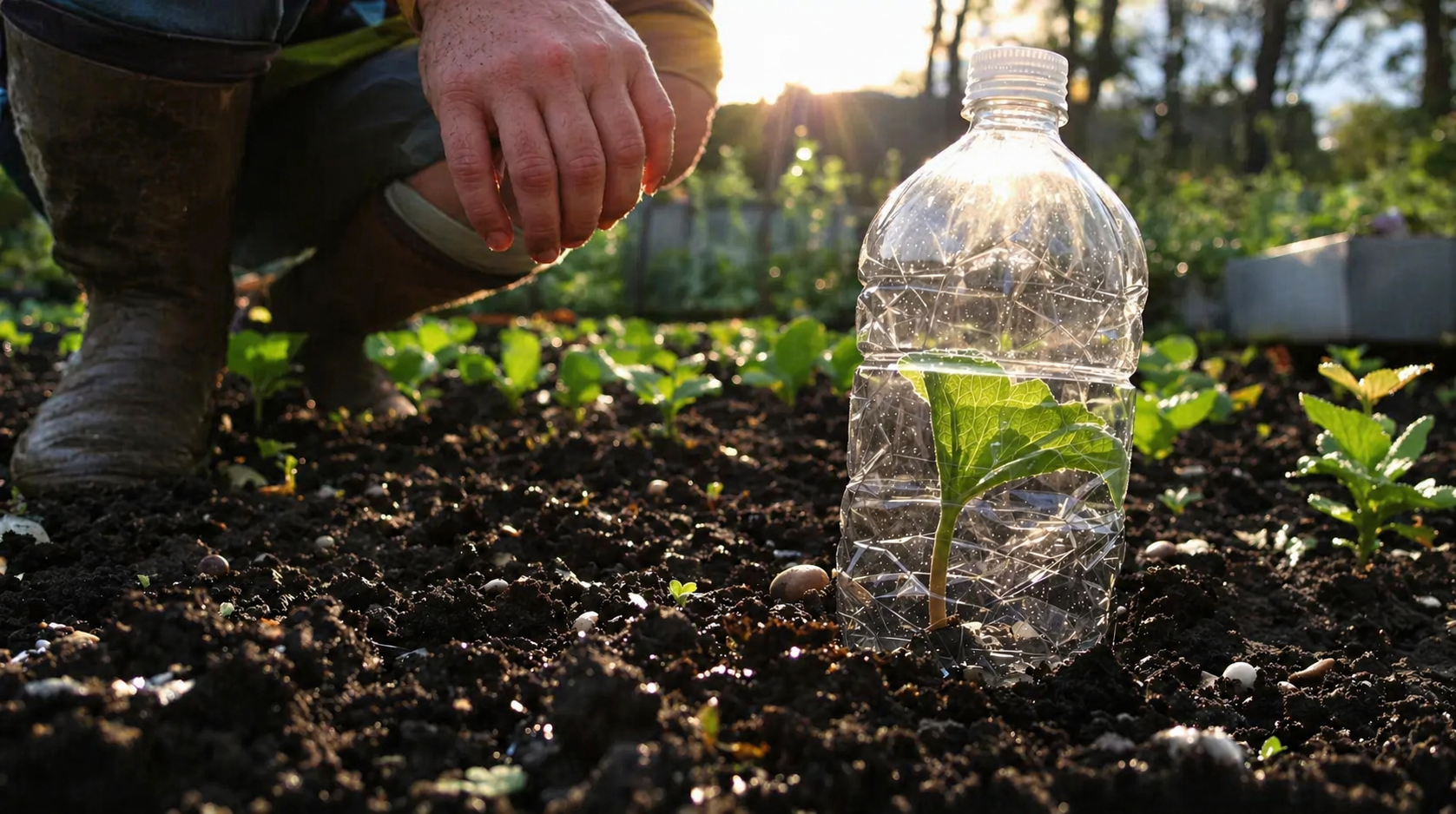
One natural method is to reuse an old plastic bottle or container as a protective ring around vulnerable plants.
The idea is simple: a plastic barrier makes it harder for slugs and snails to reach the plant. The raised edge creates a physical obstacle, especially around young plants that need extra protection during early growth.
This method is practical because it is:
- Low cost
- Easy to set up
- Reusable
- Useful for small gardens and flower beds
- Safer than many chemical options
How to Make a Plastic Plant Barrier
You only need a few basic items:
- An empty plastic bottle or plastic container
- Scissors or a cutter
- A small garden area where protection is needed
Step-by-Step Method
- Take an empty plastic bottle and clean it properly.
- Cut off the top and bottom part of the bottle.
- Keep the middle section so it forms a cylinder shape.
- Place the plastic ring around the young plant.
- Push the bottom edge slightly into the soil so it stays stable.
This creates a simple protective collar around the plant. It does not replace complete garden care, but it can reduce the chance of slugs and snails reaching delicate plants.
Why This Method Is Better Than Using Harsh Chemicals
Many people use chemical pellets or strong treatments to control slugs and snails. While some products may work, they are not always the best choice for every home garden.
Chemical methods may create concerns around:
- Pets
- Children
- Soil health
- Nearby plants
- Wildlife and beneficial insects
A physical barrier is a cleaner option for people who want a more natural garden care routine. It also fits well with proper property cleanup, because a cleaner yard gives pests fewer places to hide.
Where This Trick Works Best
This method works best around small and young plants that are still growing. It can be useful in:
- Vegetable gardens
- Flower beds
- Freshly planted landscape areas
- Backyard garden corners
- Small home gardens
If you recently improved your outdoor space with mulch and decorative stone, it is also important to keep garden beds tidy. Mulch can improve the look of landscaping, but damp areas should be monitored because pests often like moisture.
Extra Tips to Reduce Slugs and Snails Naturally
The plastic barrier method works better when combined with good outdoor maintenance habits.
1. Water in the Morning
Watering late in the evening can leave the garden damp overnight, which may attract slugs and snails. Morning watering gives the soil and plants more time to dry during the day.
2. Remove Garden Debris
Leaves, old plant material and damp garden waste can create hiding places. Regular cleanup helps keep the area healthier and more open.
If your yard has heavy seasonal debris, professional property cleanup services can help restore the space and make it easier to manage.
3. Keep Grass and Edges Maintained
Long grass and messy edges can hold moisture and create pest-friendly areas. Regular grass cutting helps keep your lawn cleaner and more manageable.
4. Trim Hedges and Shrubs
Overgrown hedges can create dark and damp areas around the property. Clean trimming improves airflow and gives pests fewer places to hide.
For this, homeowners can also consider hedge trimming services as part of regular outdoor maintenance.
How This Connects With Better Lawn Care in Sudbury
Many people think lawn care only means cutting grass. In reality, a well-maintained outdoor space includes lawns, garden beds, hedges, soil, seasonal cleanup and pest prevention.
For homeowners looking for lawn care in Sudbury, small steps like garden protection can support a cleaner and healthier property overall.
Good maintenance may include:
- Regular mowing
- Trimming and edging
- Seasonal cleanup
- Garden bed care
- Mulch maintenance
- Plant protection
That is why proper landscaping services in Sudbury focus on the full outdoor picture, not just one part of the yard.
When Professional Help Makes Sense
If slugs, snails, weeds, overgrowth or poor lawn health keep coming back, it may be time to look at the whole property.
A professional lawn care and landscaping team can help identify issues such as:
- Poor drainage
- Overgrown garden beds
- Weak lawn areas
- Excessive shade
- Seasonal debris buildup
- Unmaintained edges and hedges
For homeowners in Greater Sudbury, Cutting Edge Lawn & Landscaping provides services such as grass cutting, sod installation, property cleanup, core aeration, mulch and decorative stone, and hedge trimming.
At the end
Slugs and snails may be small, but they can cause real damage to gardens, flower beds and young plants. A simple plastic bottle barrier is an easy, natural and low-cost way to help protect vulnerable plants.
For homeowners who care about landscaping in Sudbury, this kind of practical garden care can make a real difference. Clean lawns, healthy plants, tidy beds and regular maintenance all work together to create a better outdoor space.
Whether you are protecting a small garden or improving your full property, small seasonal steps can help keep your yard healthier, cleaner and more attractive.