Hey, I’m Ryan Lingenfelter — owner of Cutting Edge Lawn & Landscaping in Garson, Ontario.
I want to do something a little different today. I’m going to lay out exactly what I spent on my own Sudbury lawn last year — every dollar — and tell you honestly what was worth it, what I wasted money on, and what I’d do differently if I started over.
The total came to $4,800. That’s real money. And the reason I’m sharing this is because most lawn care articles tell you what to do without ever talking about what it actually costs or whether it was worth the spend. I see Sudbury homeowners every spring trying to figure out where to put their lawn budget. I figured laying out my own numbers might help.
I’ll be honest about the things that paid off. I’ll be honest about the things that didn’t. And at the end, I’ll tell you what I’d do with the same $4,800 today if I had to do it again.
The Quick Breakdown — Where the $4,800 Actually Went
Before I get into the details, here’s the rough breakdown of where the money went last year:
- Sod replacement for the worst backyard sections — $1,800
- Core aeration (twice — spring and fall) — $200
- Topsoil and grading for drainage issues — $450
- Spring and fall property cleanup — $400
- Premium fertilizer program — $600
- Mulch refresh for foundation beds — $350
- Hedge renovation work (partial) — $400
- Tools and DIY supplies — $300
- Weed control products and seed — $300
Some of those numbers worked out to real value. Some of them I look back on and wish I’d spent differently. Let me break each one down honestly.
The $1,800 Sod Replacement — Best Money I Spent All Year
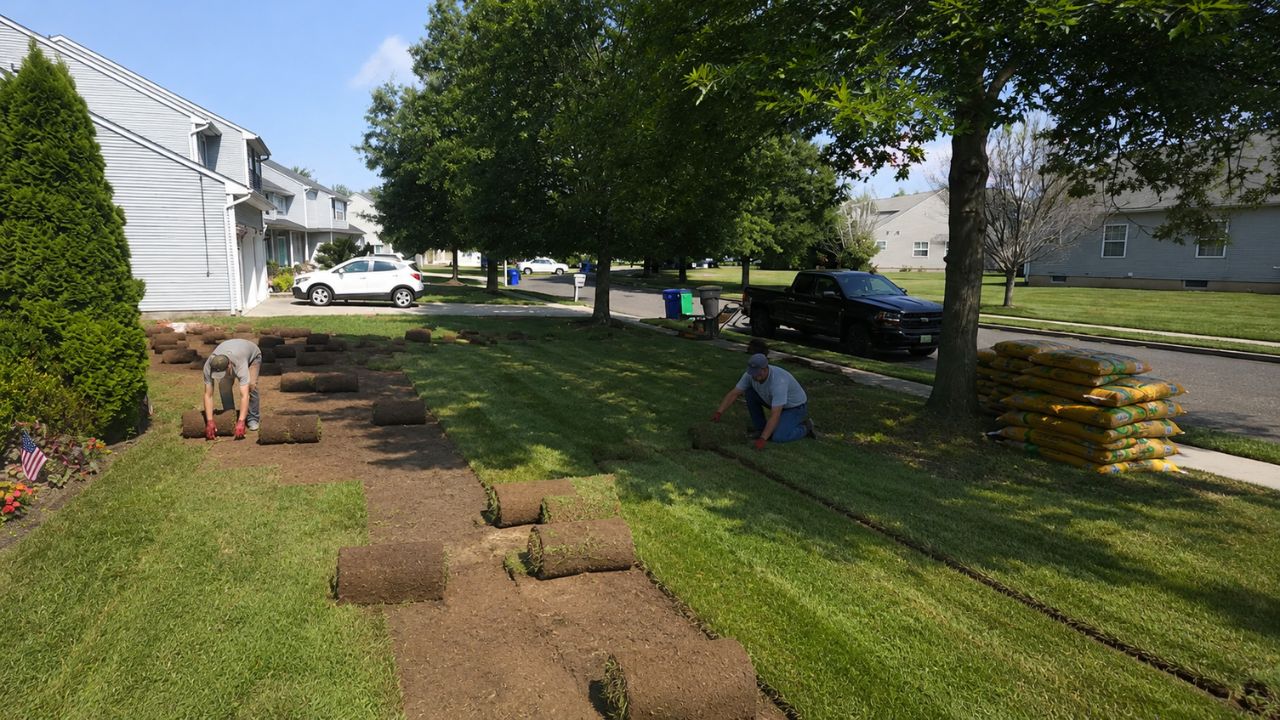
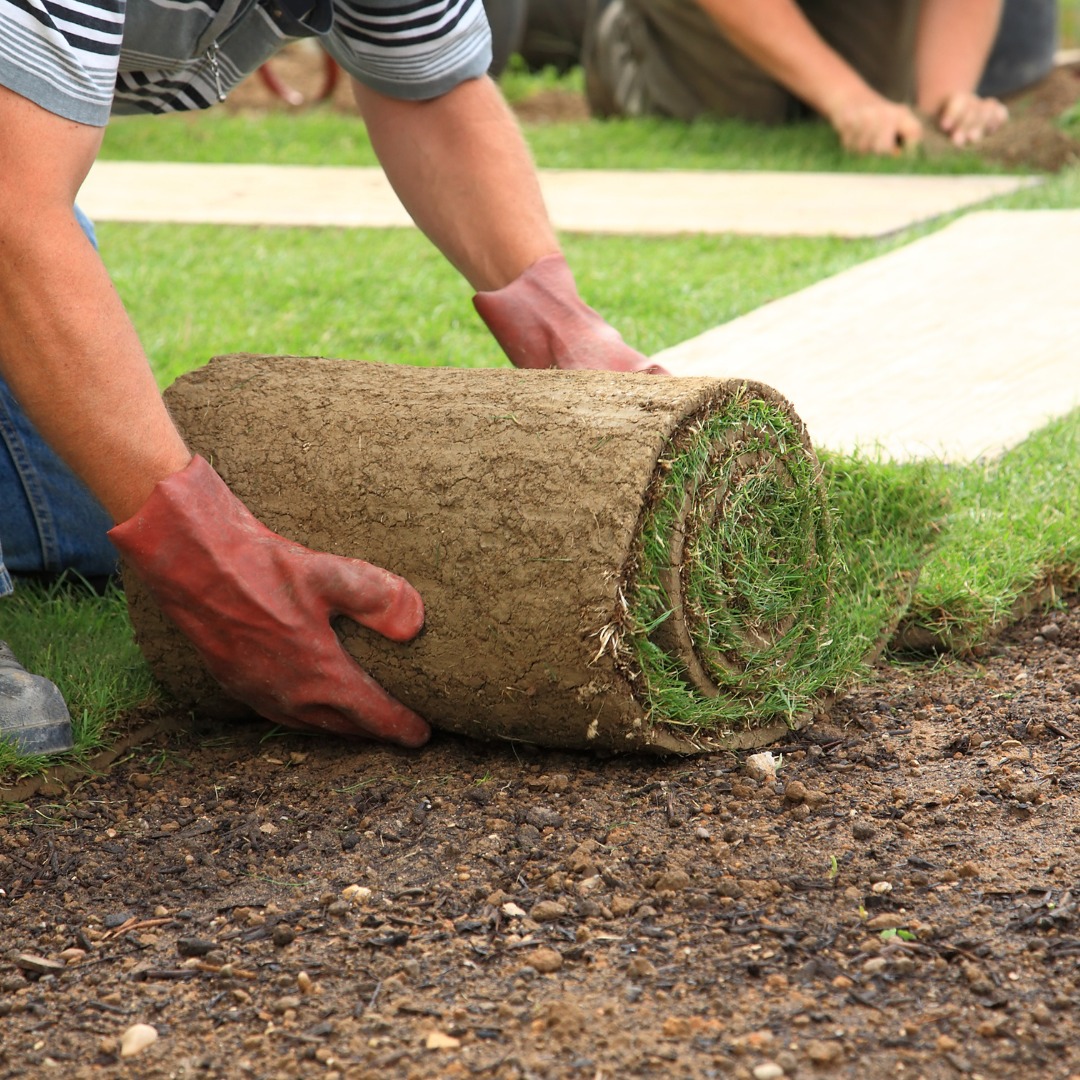
The backyard had grub damage so bad in three different sections that I could pull up dead grass like a carpet. About 600 square feet of total damage. I tried overseeding the first round — wasted maybe $80 on seed that didn’t take because the soil underneath was destroyed. After that I bit the bullet and did proper sod installation.
$1,800 sounds like a lot. And it is. But here’s why it was the best money I spent.
The damaged sections came out completely. We brought in fresh topsoil, graded properly, killed the remaining grubs in the soil, and laid quality cool-season sod that’s appropriate for Sudbury’s climate. Within 3 weeks the new sod had rooted in. Within 6 weeks it was indistinguishable from the rest of the lawn. By August, my backyard looked better than most yards on the street, including ones that had been “lawn care customers” for years.
The math also worked out long-term. If I’d kept trying to patch and overseed for the next 3 years, I would have spent more money over time and still had a patchy lawn. One clean sod replacement done right costs you once. I went into the full process in my complete Sudbury sod installation guide if you want the timing, prep, and pricing details.
Worth it: Yes, completely. If you have a lawn section that’s more than 50% dead, sod replacement is almost always the better long-term call than trying to revive it.
The $200 Core Aeration — Best Return on Investment of Anything I Did
I aerated twice last year. Once in mid-May for the spring window, once in early September for fall. Total cost was around $200 because I did the work myself with a rented machine for one of the passes.
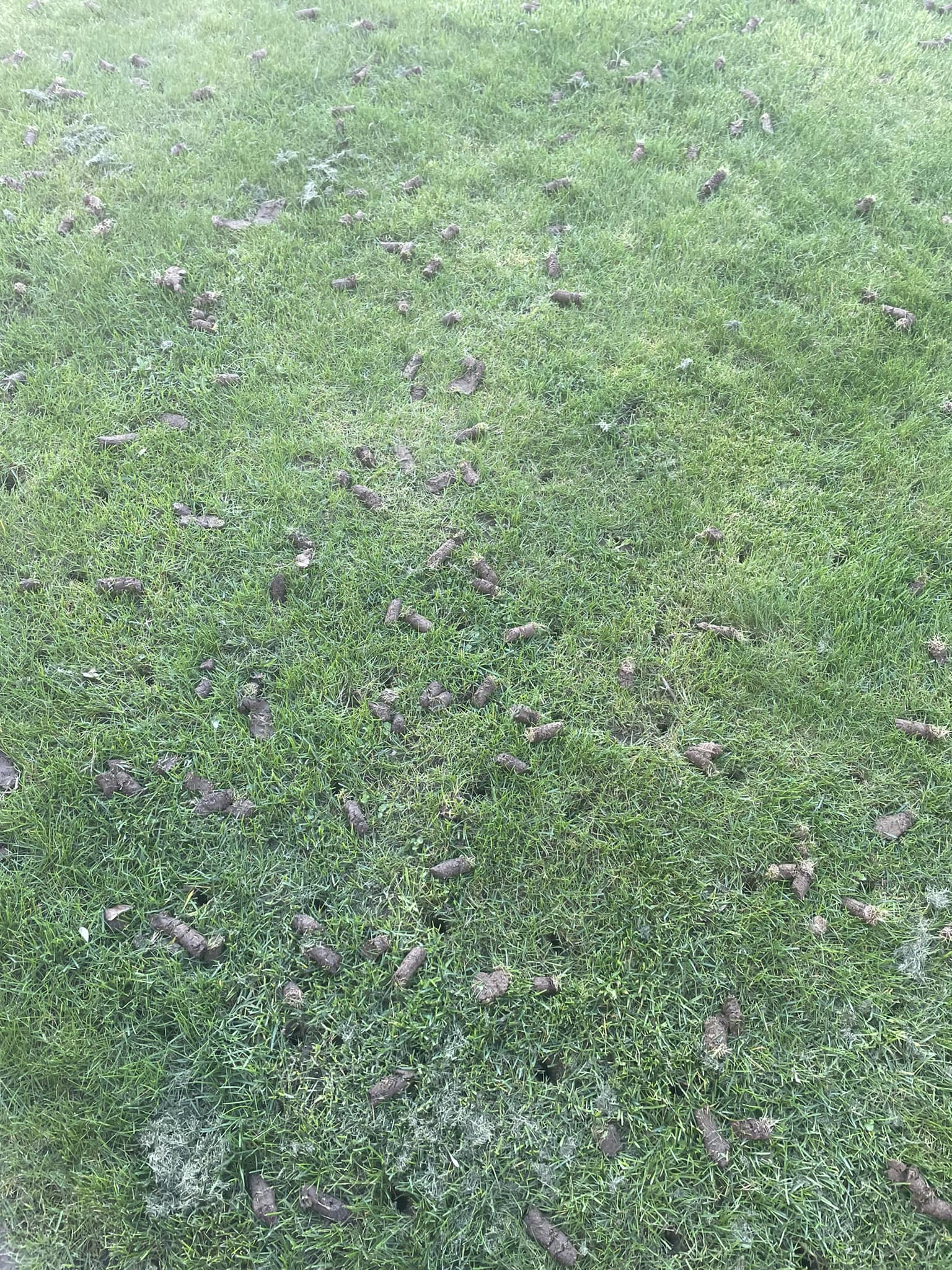
This is the highest-return service you can do on a Sudbury lawn. Period.
Sudbury sits on the Canadian Shield. Our soil is clay-heavy and compacts hard. Without annual aeration, fertilizer sits on top, water runs off, and roots can’t push down. Every other thing I did to that lawn — the fertilizer, the overseeding, the watering — only worked because the aeration opened up the soil first.
If I had a $200 budget and nothing else, this is where I’d put it. I covered the full why and when in my article on Sudbury aeration timing.
Worth it: Yes, by a huge margin. If you’re not aerating annually, you’re undermining everything else you do for your lawn.
The $450 Topsoil and Drainage Work — Quietly the Most Important Spend
This is the spend that nobody sees but that fixed the foundational problem on my property.
The south side of my yard had a slope that was washing soil and mulch toward the driveway every spring melt. There was also a low spot near the back that stayed soggy for weeks at a time, even in mid-summer. Both problems were causing dead grass, fungal issues, and erosion.
I spent $450 bringing in 4 yards of quality topsoil, regrading the slope, and creating a slight swale to direct water away from the low spot.
It’s the boring kind of work that doesn’t show up in photos. But within a month, the soggy spot was drying out properly, and within a season the slope wasn’t losing soil anymore. The downstream effect on the rest of the lawn was huge — drainage problems cause more secondary issues than people realize.
Worth it: Yes, even though it’s invisible. Fix the foundation before you fix the cosmetic stuff. If you skip drainage, you’ll be replacing the same plants and patches forever.
The $400 Spring and Fall Property Cleanup — Worth Doing, Could Have Saved Money
I did two property cleanups last year — one in spring after snowmelt cleared, and one in fall before the ground froze. Total cost around $400 between them.
This work matters. Spring cleanup pulls thatch, clears winter debris, and lets your lawn breathe after months under snow. Fall cleanup removes leaves and prepares the property for winter. Both prevent bigger problems down the road.
Here’s where I could have saved money. The spring cleanup, I probably should have done myself. Power-raking and basic debris clearing on a typical Sudbury property is manageable DIY work if you have 3 or 4 hours and a $30 rented machine. The fall cleanup was harder because of the leaf volume and I’m glad I had help.
Worth it: Yes, but could have done one of them myself. If you have time and you’re not dealing with a huge property, spring cleanup is reasonable DIY work.
The $600 I Wasted on Premium Fertilizer — The Biggest Money Mistake of the Year
This is the one I’m embarrassed about.
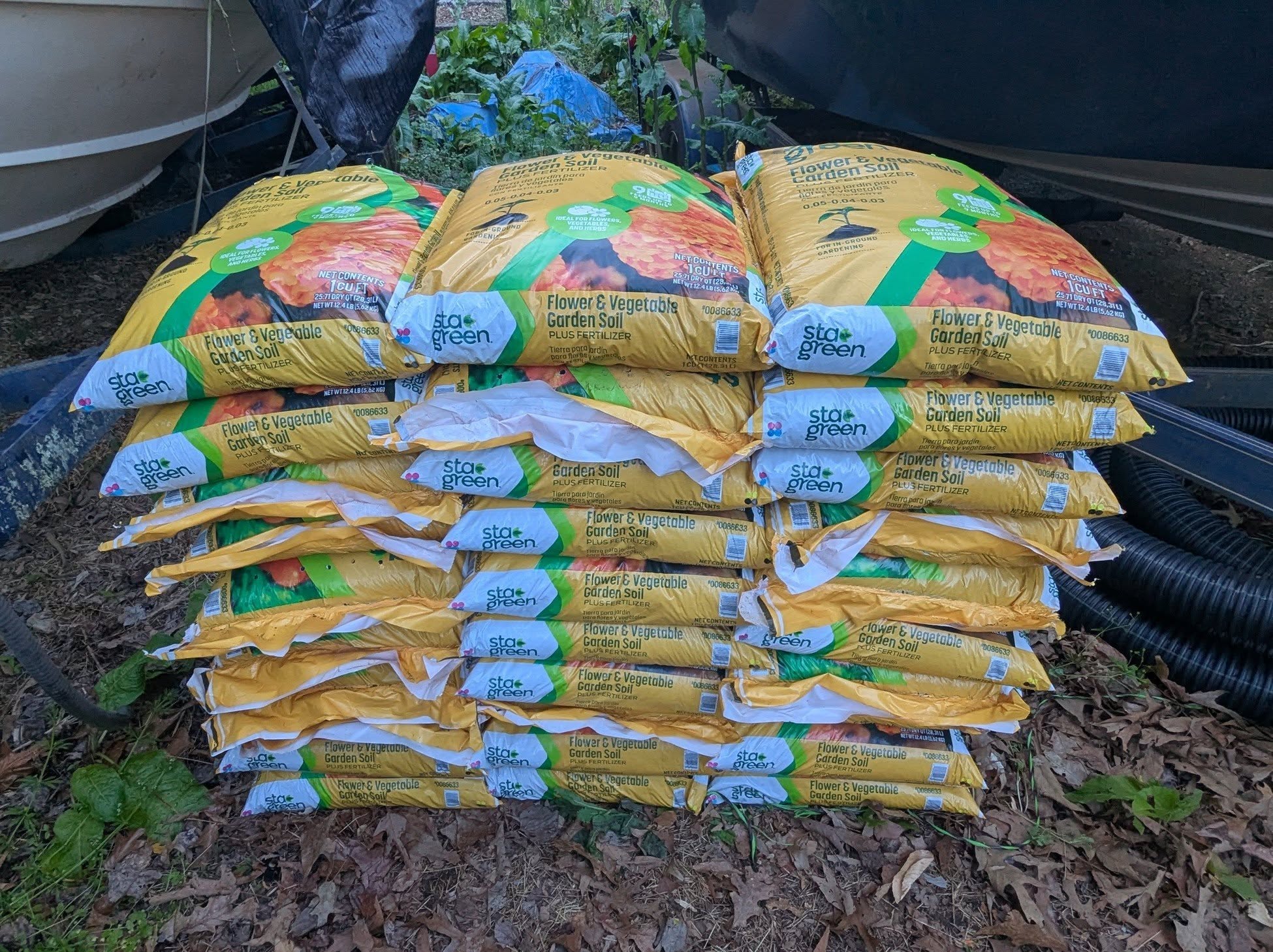
I bought into a multi-step “premium” fertilizer program — fancy bag, impressive marketing, claims about specialized formulas for cool-season grasses. Spring application, summer feeding, fall winterizer, and so on. The whole program cost me about $600 across the year.
Did my lawn look any better than my neighbour’s lawn, which got a $30 generic fertilizer from the hardware store applied at the right times? Honestly, no. Not in any way I could measure.
Here’s the truth about lawn fertilizer in Sudbury. Timing and consistency matter way more than which fancy brand you use. A basic balanced fertilizer applied at the right times — early spring, early summer, early fall — will give you 90% of the result of a premium program for a fraction of the cost. The “premium” formulas mostly differ in marketing, not chemistry.
The other thing I learned the hard way — fertilizer works much better on aerated soil. The $200 aeration I did had more impact on lawn health than the $600 fertilizer program did. If I had skipped the premium fertilizer and just done basic fertilizer plus the aeration, I would have saved $500 and had the same result.
Worth it: No. This was the worst $600 I spent. Basic fertilizer applied at the right times will get you most of the benefit at a fraction of the cost.
The $350 Mulch Refresh — Worth It, But I Overdid It
I refreshed the mulch around all the foundation beds and garden areas last year. About 4 cubic yards of cedar mulch total, installed properly with 3-inch depth pulled back from the foundation and tree trunks. Cost was $350 for materials and labour combined.
The mulch refresh made the property look 200% better immediately. That’s the kind of cosmetic upgrade that pays off in curb appeal. It also helped the foundation plants retain moisture through the summer, which meant less watering and healthier plants.
Where I overdid it — I did all the foundation beds in mulch when some of them really should have been decorative stone. The bed next to the downspout, for example, washed out in the first heavy rain. I had to replace that section with stone the next year. Should have done stone in that spot from the start.
I broke down the mulch vs stone decision in detail in my comparison guide. The short version is that mulch works great in flat areas with plants, but stone is better near foundations, downspouts, and slopes.
Worth it: Mostly yes. Mulch refresh is high-value visual improvement. Just pick the right material for the right spot.
The $400 Hedge Renovation — Should Have Spent More, Not Less
The cedar hedges along the side of my property had been neglected for years before I bought the house. Brown interior, overgrown outer growth, and dead patches in spots where the previous owner had cut too deep.
I spent about $400 last year doing the first phase of a multi-year renovation. Some shaping, removing the worst overgrowth, and starting to bring the form back into something reasonable.
What I learned is that cedar hedge renovation is a multi-year project. You can’t fix years of neglect in one trim because cedar doesn’t regenerate from old wood. The brown interior I exposed by cutting back too aggressively in one spot is still brown two years later. That section will probably stay brown forever.
If I’d spent $700 doing a proper multi-stage approach with the right experienced hands the first year, I would have made more progress without the permanent damage. I detailed the whole approach in my Sudbury hedge trimming guide.
Worth it: Yes, but I undershot. Hedge renovation needs proper investment up front to avoid permanent damage. The cheap version costs more long-term.
The $300 in Tools and DIY Supplies — Mixed Results
Across the year I bought a decent battery hedge trimmer, a quality string trimmer, replacement mower blades, a leaf blower, and various smaller things. About $300 total.
Some of these paid off immediately. The hedge trimmer saved me from hiring out the smaller touch-up trims, which I now do myself between professional renovation visits. The string trimmer and blower I use weekly.
Other purchases I could have skipped. Specialized “lawn tools” that I used twice and then forgot about. A spreader I used once. A soil pH tester that gave me information I didn’t actually need.
Worth it: Half of it, yes. Buy the tools you’ll actually use weekly. Skip the specialty stuff you think you might need someday.
The $300 on Weed Control Products and Seed — Mostly Wasted
I spent about $300 on various weed control products, broadleaf killers, crabgrass preventer, and seed for overseeding throughout the season.
The seed money was mostly wasted because I tried overseeding too early in spring before fixing the soil and drainage. Most of it washed away or didn’t germinate. If I’d waited until late August to overseed after aeration, the same seed would have worked.
The weed control products had mixed results. The crabgrass preventer applied at the right time in spring genuinely helped. The post-emergent broadleaf killer was hit-or-miss because most of my “weeds” were actually grass species I was trying to crowd out with healthier turf, which works better than chemicals over time.
Worth it: About 40%. Crabgrass preventer applied at the right time is worth it. Most other products are less effective than just having a healthier lawn that crowds weeds out.
What I’d Do Differently With the Same $4,800
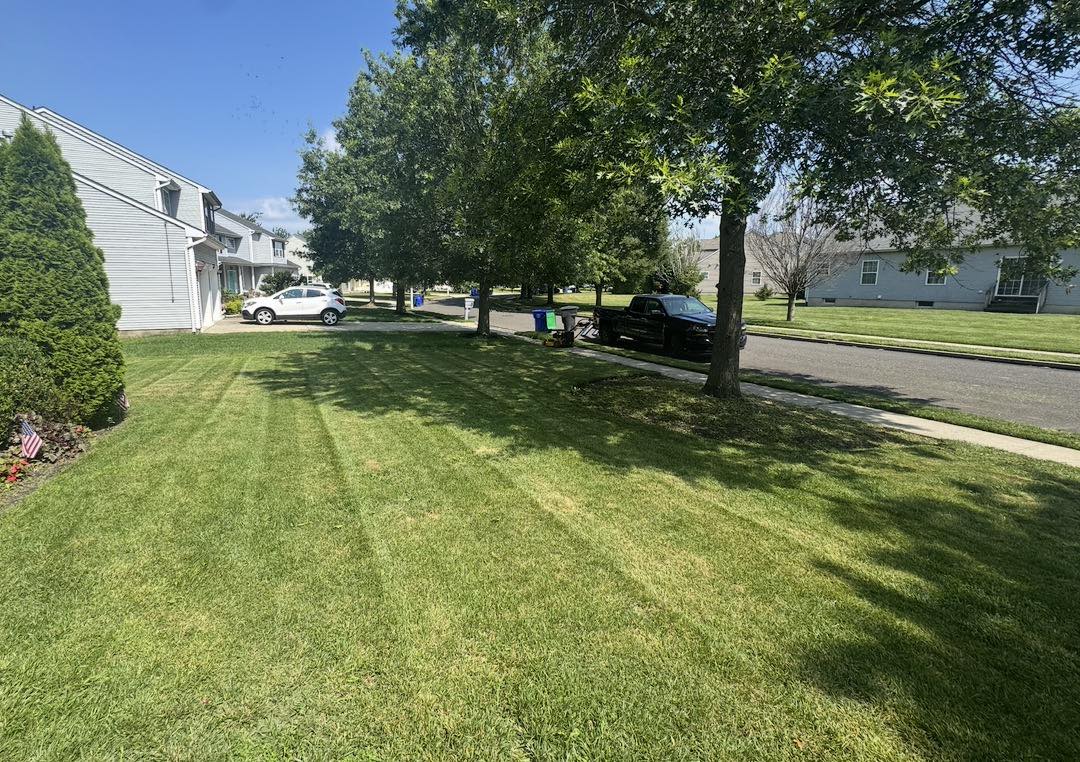
If I could start over with the same $4,800, here’s how I’d allocate it:
- Sod replacement (same) — $1,800
- Core aeration spring and fall (same) — $200
- Topsoil and drainage (increased) — $700
- Spring cleanup DIY + Fall cleanup hired (savings) — $200
- Basic fertilizer applied at right times — $100
- Mulch + stone mix based on location — $400
- Hedge renovation done properly first year — $700
- Essential tools only — $150
- Crabgrass preventer + fall seed — $100
- What’s left as a buffer for surprises — $450
Total spend would be the same $4,800, but the results would be noticeably better. The key shifts are:
Spending more on the foundation work (drainage and topsoil) and less on fancy products. Doing the spring cleanup myself to save money for higher-impact services. Skipping the premium fertilizer program entirely. Investing more in the hedge renovation the first year to avoid permanent damage. And keeping a buffer for surprises, because there are always surprises with a property.
The Real Lesson From Last Year
Looking back at the $4,800, the pattern is clear. The money that paid off was the boring foundational work. Sod replacement on the worst sections. Aeration. Drainage. The money that didn’t pay off was the cosmetic and “premium” stuff. Fancy fertilizer. Specialty tools. Products I bought because the marketing was good.
This is exactly the conversation I have with Sudbury homeowners on every quote call. They ask me to come look at their lawn and they’re already in their head about specific products or services they think they need. Half the time, what they need is something else entirely — usually aeration, drainage work, or honest assessment of whether a section needs replacement.
I covered the real numbers on lawn care services across the board in my 2026 honest pricing guide for Sudbury if you want to see the full range of what each service typically costs.
If You’re Planning Your Own Lawn Budget
If you’re sitting with a budget for your own Sudbury yard this year, here’s the honest priority order I’d suggest:
1. Aerate first. Whatever else you do, aerate. On Sudbury clay soil this is the highest-return service you can do.
2. Fix drainage if you have any. Slopes, low spots, downspout problems — these need to be addressed before anything else will work properly.
3. Replace what’s beyond saving. A lawn that’s 50%+ dead isn’t a recovery project, it’s a replacement project. Trying to save it costs more long-term than starting over.
4. Maintenance over premium products. Weekly mowing at proper height, deep watering on bylaw days, and basic fertilizer at the right times will outperform any “premium program” by a wide margin.
5. Hedge work needs real investment up front. Don’t do the cheap version on cedar hedges. The damage from a botched cut is permanent.
Cutting Edge Lawn & Landscaping handles full lawn care, sod installation, aeration, cleanup, and hedge work across Greater Sudbury — Garson, Val Caron, Hanmer, Lively, Chelmsford, Azilda, and Capreol. If you want a real assessment of your property and an honest answer about where your budget should go, give me a call.
Call 705-507-6787 for a free on-site quote, or send your details through the Get A Free Quote page. I’ll walk the property, look at what you actually need, and give you a straight answer about what’s worth spending money on for your specific lawn.
Hope this helped you think about your own lawn budget. If you’ve got a question I didn’t cover, just call. Happy to talk it through.
Helpful Related Reading for Sudbury Homeowners
- How Much Does Lawn Care Actually Cost in Sudbury? (2026 Honest Pricing Guide)
- Complete Sod Installation Guide for Sudbury 2026
- Spring or Fall — When Should You Actually Aerate Your Sudbury Lawn?
- Mulch vs Decorative Stone in Sudbury — Which One Should You Pick?
- Hedge Trimming in Sudbury: When to Cut and the Mistakes to Avoid
Frequently Asked Questions
How much does it cost to fix a bad lawn in Sudbury?
A full first-year lawn renovation on a struggling Sudbury property typically runs $2,000 to $5,000 depending on the scope. Major sod replacement, aeration, drainage work, cleanup, and basic maintenance can total $4,000 to $5,000. Smaller targeted fixes can come in at $1,500 to $2,500.
What is the best money you can spend on a Sudbury lawn?
Core aeration delivers the highest return on investment of any single lawn service in Sudbury because our clay-heavy soil compacts so hard. After aeration, sod replacement for severely damaged sections and drainage corrections produce the most lasting impact. Avoid spending heavily on premium fertilizers — basic products applied at the right times deliver similar results.
Is premium lawn fertilizer worth it in Sudbury?
Not significantly. Timing and consistency matter more than which premium brand you use. A basic balanced fertilizer applied in early spring, early summer, and early fall will give you most of the result of a premium multi-step program at a fraction of the cost — typically $50 to $100 per year versus $400 to $700 for premium programs.
Should I do lawn renovation myself or hire a professional in Sudbury?
Weekly mowing, spring cleanup, basic mulch refreshes, and small overseeding projects work well as DIY. Sod installation, drainage corrections, major hedge renovation, and core aeration typically deliver better long-term value when hired out because of equipment, expertise, and time investment. Mixing both approaches usually saves the most money.
What is the biggest lawn care money mistake Sudbury homeowners make?
Spending on cosmetic products and premium fertilizers while skipping foundational work like aeration, drainage, and proper grading. Cosmetic improvements without addressing the underlying problems waste money because the same issues come back every year. Fix the foundation first, then spend on improvements.
Ryan Lingenfelter is the owner of Cutting Edge Lawn & Landscaping in Garson, Ontario. Since 2020, his crew has provided full lawn care and landscaping services across Greater Sudbury — Garson, Val Caron, Hanmer, Lively, Chelmsford, Azilda, and Capreol. Licensed, insured, BBB A+ rated, and ThreeBest Rated for lawn care services in Sudbury.
📞 Phone: 705-507-6787
📍 Service Area: Greater Sudbury, Ontario
🔗 Free Quote: cuttingedgelawn.ca/quote
