
Hey, I’m Ryan Lingenfelter — owner of Cutting Edge Lawn & Landscaping in Garson, Ontario.
I want to tell you a story today that’s a little different from my usual articles. This one isn’t about somebody else’s property. It’s about mine.
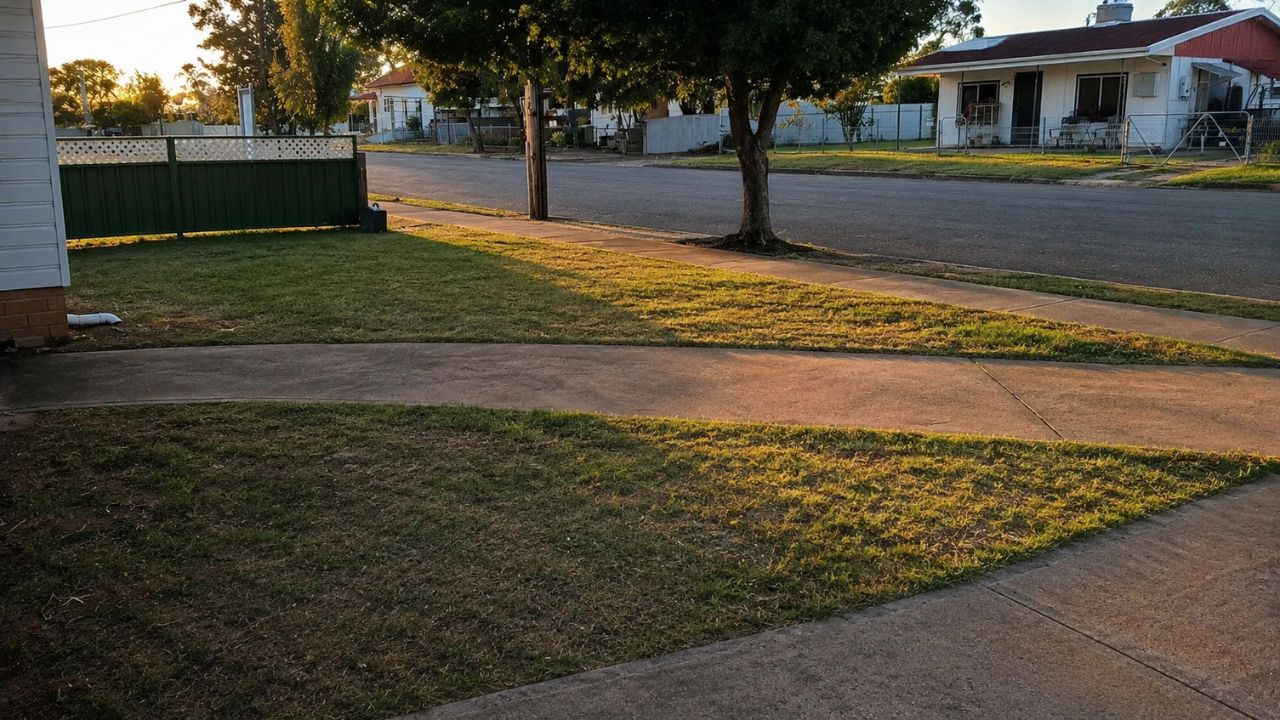
When my wife and I bought our house in Garson a few years back, the deal was good and the house had everything we needed. The only problem was the yard. And I don’t mean it needed a little work. I mean it was genuinely the worst yard on the street.
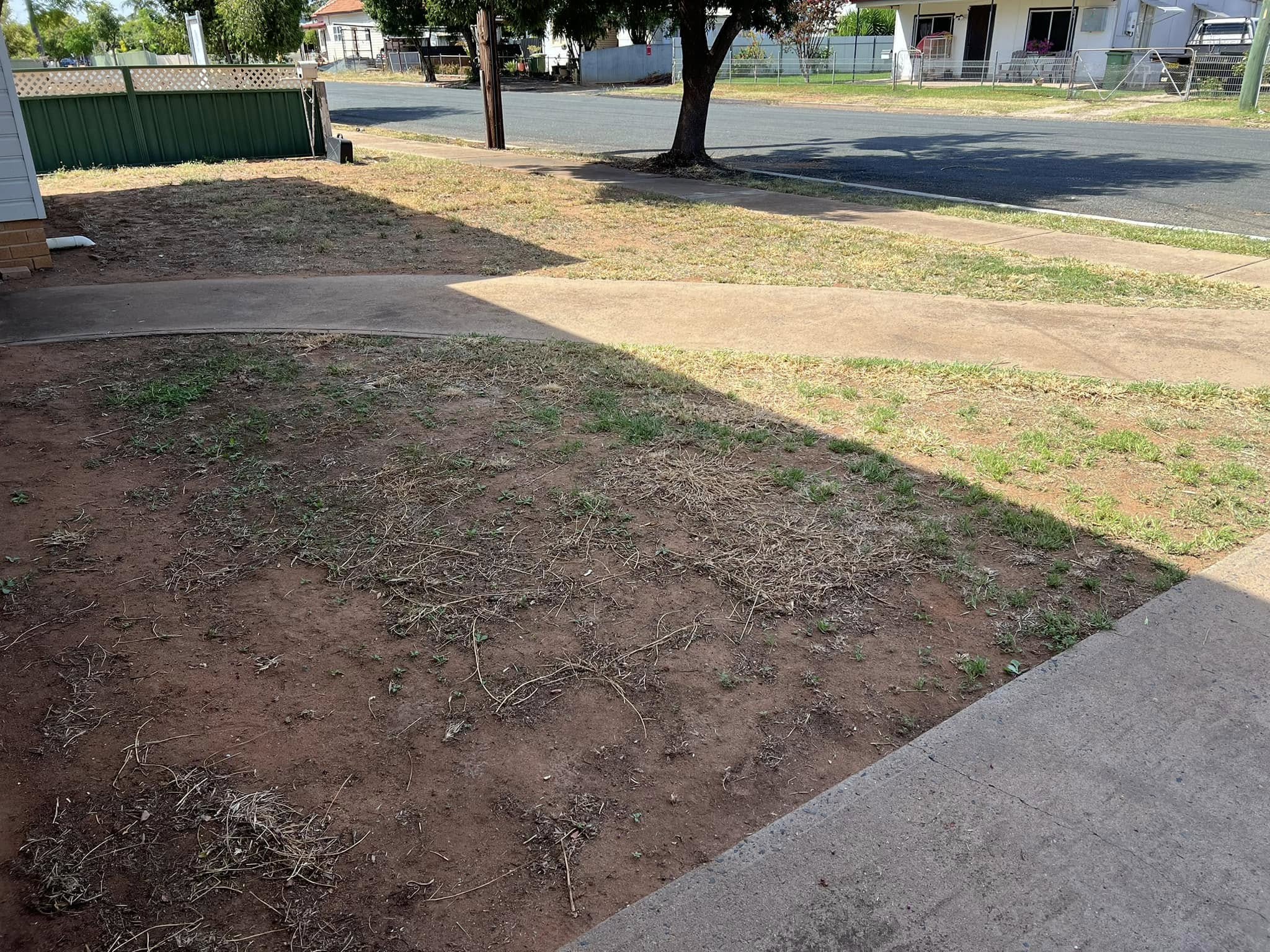
The grass was about 30% grass, 40% weeds, and 30% bare dirt. The driveway edge was crumbling. The hedges along the side had been ignored for so long that the centres were brown and dead. There was a slope on the south side where every snowmelt season washed mulch and soil down toward the driveway. And the backyard? A grub problem so bad that I could pull up grass like a carpet in three different patches.
The funny thing is, by that point I’d already been running Cutting Edge for a couple of years. I knew exactly what was wrong. The problem was figuring out the order to fix it in, what to spend money on first, and what I could handle myself versus what needed real time and effort.
So here’s the full story of that first year. What I did, what I learned, what I’d do differently, and what every new Sudbury homeowner staring at a bad yard should probably know.
Month 1 — The Wake-Up Call When I Actually Walked the Property
The first thing I tell every new Sudbury homeowner is to actually walk their property before doing anything. Not look at it from the porch. Walk it. Step on the lawn. Push a screwdriver into the soil. Pull on the grass. Check the hedges. Look at the slope and the drainage.
The reason this matters is that yards have hidden problems that you don’t see from the curb. I thought my biggest issue was the patchy lawn. After actually walking the property, I had a list of about 8 things that needed attention, and the lawn wasn’t even the worst of them.
Here’s what I found that first week:
The soil was so compacted in the front yard that a screwdriver wouldn’t push in more than an inch. That’s bedrock-level compaction. Water was running off instead of soaking in. No wonder the grass was struggling.
The back corner had grubs. I cut a one-foot square of turf and counted 14 white larvae in that single piece. Way over threshold. The previous owner had clearly been dealing with this problem and ignoring it.
The south side hedge was the biggest surprise. From a distance it looked thick and green. Up close, the outer 6 inches were green and the entire interior was brown dead wood. Years of neglect on cedar means permanent damage. That hedge was a multi-year recovery project, not a one-summer fix.
And the drainage. There was a low spot near the driveway that was always wet — I mean spongy underfoot wet, even in mid-June with no recent rain. Whatever was happening underground was creating a constant moisture problem.
The lesson from month one was simple. Don’t trust how a yard looks from the street. Walk it. Diagnose it. Make a real list. Then you can prioritize.
Months 2 and 3 — The First Real Fixes (And What I Got Wrong)
By late April I had my list. The temptation was to do everything at once, which is the mistake most new homeowners make. You see a bad yard, you have a weekend, and you try to fix five things in two days.
What I did instead was prioritize. I asked myself one question — what’s the foundation that everything else depends on? The answer for my property was the soil. The lawn wasn’t going to come back, the new sod wouldn’t establish, the new plants wouldn’t thrive, none of it would work until the soil could actually breathe and hold water.
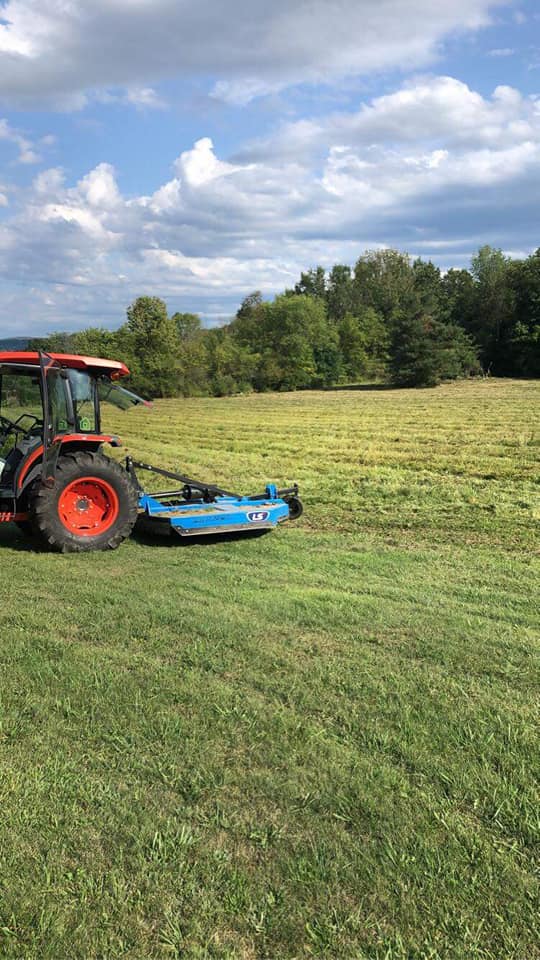
So the first real job was a core aeration of the front yard. That’s the service I push hardest every spring, and for good reason. On Sudbury’s clay-heavy soil, aeration is the difference between everything else you do working or being a waste of time. I went into detail in my aeration timing guide, but for my own property I aerated in mid-May right when the soil was warm enough to recover quickly.
Then I did the spring cleanup myself. Power-raked the lawn to remove the thick thatch layer that had built up over years of neglect. Removed deadwood from the hedges. Cleared the leaves and debris that had collected in the corners.
Here’s what I got wrong. I tried to fix the lawn before fixing the drainage problem. I overseeded the front yard with new seed in late May, watered it well, and watched most of it wash away in the first heavy June rain because the slope and grading hadn’t been addressed yet.
That was probably $80 in seed money down the drain. Literally. The lesson there is that fixes have to happen in the right order. Fix drainage before you plant. Fix soil before you sod. Fix structure before you decorate.
Months 4 and 5 — When I Stopped Trying to Save Everything
By July, the front yard was looking better. Not great, but actually starting to look like a real lawn. The aeration had helped, the surviving grass had thickened up, and the weed pressure was lower because the healthier grass was crowding out the dandelions.
The backyard, though, was a different story.
The grub damage had spread because I hadn’t treated it properly in June. The dead patches that had been small in spring were now huge. I could lift up dead grass in maybe 40% of the backyard.
This is when I had the conversation with myself that I have with customers all the time. When is a lawn beyond saving, and when do you stop pouring money into trying to revive it?
For the backyard, the answer was clear. I needed full sod installation for the worst sections. Patching wasn’t going to work. Overseeding wasn’t going to work. The damage was too far gone.
I covered the full sod process — timing, soil prep, real pricing — in my complete Sudbury sod installation guide. The honest take is that sometimes the cheapest option in the long run is just to start over.
The lesson from this stretch was emotional more than practical. Some homeowners — and I include myself here — have a hard time admitting that part of a property needs to be torn out and replaced. There’s a guilt thing about giving up on it. But the math is usually clear. Spending $1,500 on full sod replacement is cheaper than spending $300 a year for the next 5 years trying to bring back something that won’t recover.
Months 6 Through 9 — The Real Work That Pays Off Long-Term
This is the stretch where the transformation actually started showing on my property. Most of the dramatic fixes were done. Now it was about consistent maintenance and the slower long-term improvements.
The lawn got mowed every week at 3 inches. Not shorter. Not “just one last short cut before vacation.” Three inches every single time. I wrote about why this matters in my article on the one mowing mistake that kills Sudbury lawns by July. The short version is that scalping creates shallow roots which die in summer. Keeping it at 3 inches builds deep roots that handle heat.
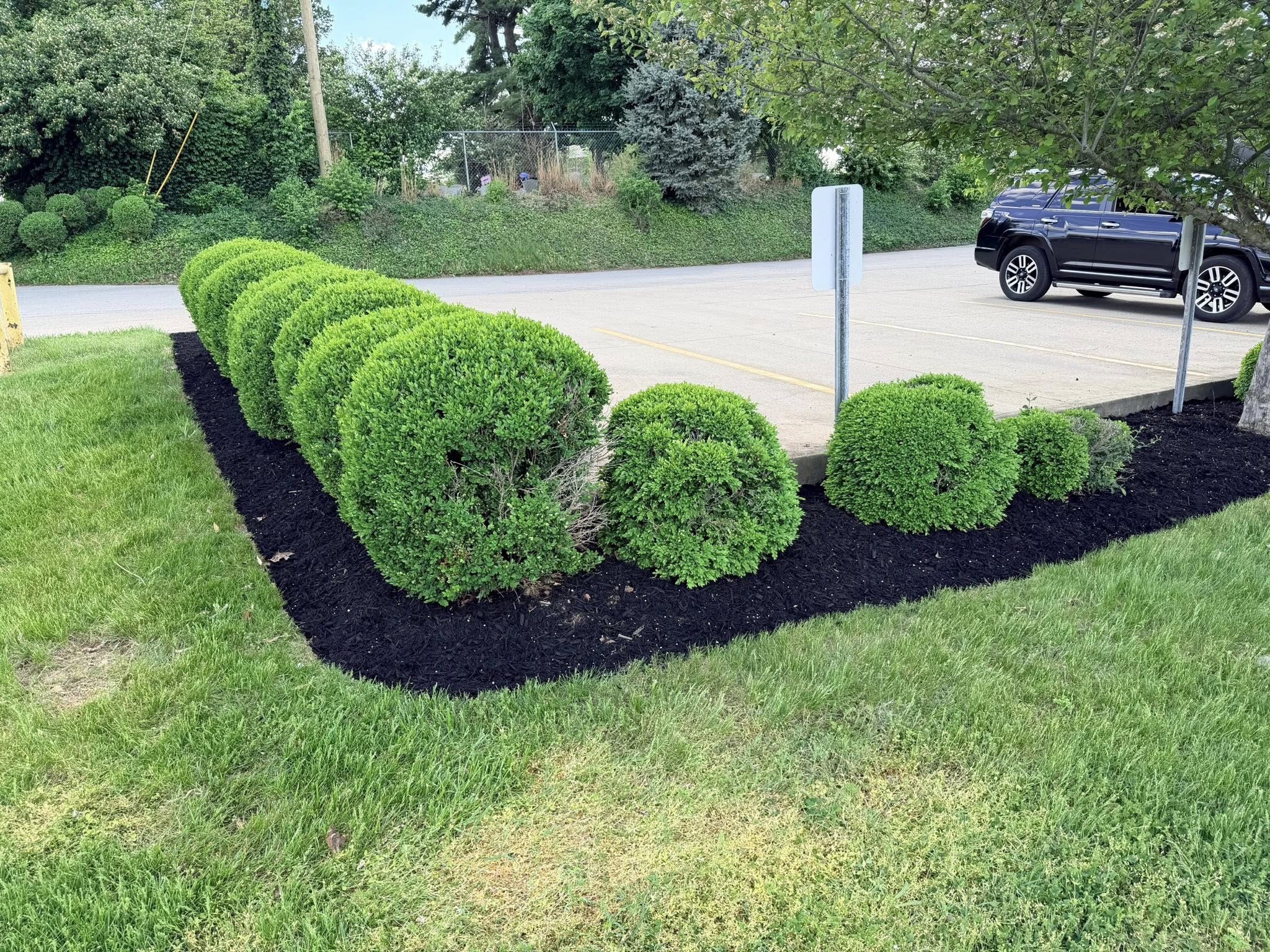
The hedges got the slow renovation treatment. I trimmed off the deadwood and the worst overgrown sections, but only about a third of what needed to come off. Cedar doesn’t regenerate from old wood, so renovation has to happen over multiple years. That south-side hedge is still on year-three of a multi-year recovery project. It looks 70% better than it did, but it’s not done.
I refreshed the mulch around the foundation beds with proper depth — 3 inches, pulled back from the house. The previous owner had piled mulch right against the foundation, which is one of the biggest mistakes I cover in my mulch and stone comparison guide. Wood mulch against the foundation attracts carpenter ants, which we have plenty of in Sudbury.
The watering was the other thing that mattered. Deep, infrequent watering on permitted bylaw days, not the daily light sprinkle the previous owner had clearly been doing. I went through the whole reasoning in my summer watering guide for Sudbury lawns. By August, my lawn was holding green when most of the street was going dormant.
The lesson here was about discipline. The work that transforms a property over the long term isn’t dramatic. It’s not exciting. It’s just the same right things done consistently every single week. Mow at the right height. Water deeply. Pull weeds when they’re small. Don’t skip steps because you’re busy.
Months 10 Through 12 — Fall Recovery and Preparing for Year Two
Late August into September is the secret window for Sudbury yards. It’s when you can do the most for next year without anyone else on the street noticing.
I did a full second aeration in early September. Most homeowners only aerate once a year — spring — but if you’ve got a property that needs serious recovery, two aerations in year one make a real difference. The fall aeration opens up the soil right before fall rains, which carries fertility down into the root zone over the winter.
I overseeded the thin areas in the front yard and the lawn that had recovered from aeration but was still patchy. Fall overseeding in Sudbury works better than spring overseeding because the new grass has weeks of cool weather to establish without summer heat stress.
And I did a real property cleanup — not just leaves, but the full prep for winter. Deep watering of the hedges and shrubs through October. Pruning where it was safe. Cleaning gutters so winter runoff would have somewhere to go.
The lesson from fall was that the work you do in September decides what next spring looks like. The reason a lot of Sudbury yards struggle in spring isn’t the spring itself. It’s that the property went into winter unprepared. Strong fall = strong spring.
Month 12 — Looking Back at the Before-and-After
By the time we hit our one-year anniversary in the house, the yard wasn’t perfect. The hedges still needed two more years of renovation. The back corner still had some thin spots from the grub damage. The flower beds were functional but not beautiful.
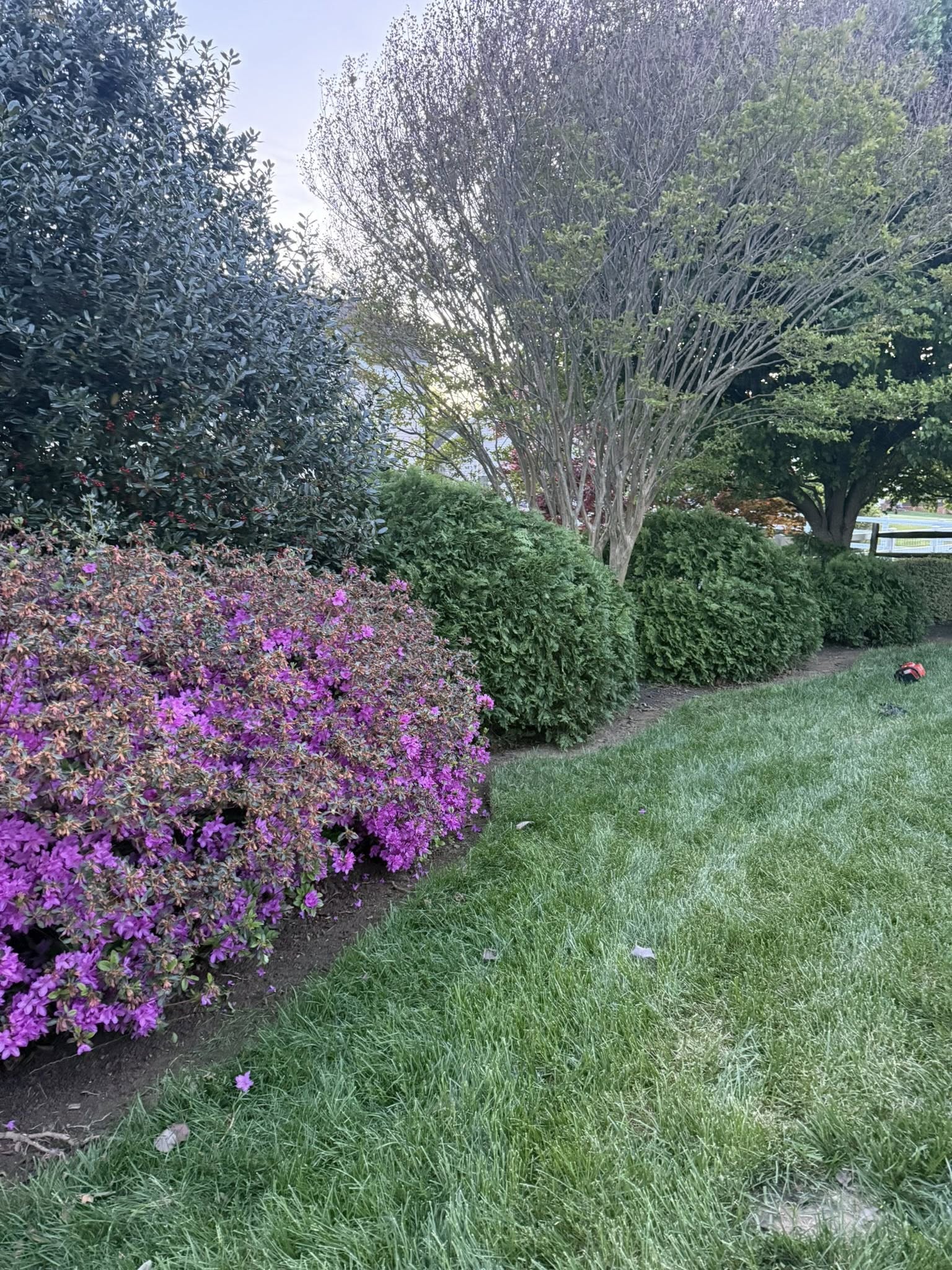
But it wasn’t the worst yard on the block anymore. It probably wasn’t even in the bottom half. From the curb it looked like a property someone took care of — which it was.
Looking back at year one, here’s what I’d tell every new Sudbury homeowner staring at a bad yard.
Don’t try to do everything in one season. The temptation is real but it’s a trap. Trying to fix 8 things at once means doing them all poorly. Pick the 2 or 3 that matter most and do them right.
Fix the foundation before the finishes. Soil, drainage, and grading first. Plants and pretty mulch second. Doing it backwards wastes money.
Some things are not worth saving. A lawn that’s 50% dead is a sod replacement, not a recovery project. A hedge that’s been ignored for 5 years is a 3-year renovation, not a weekend trim. Accept what reality is.
The boring work is the work that matters. Weekly mowing at the right height. Deep watering on bylaw days. Pulling weeds when they’re small. None of it is exciting. All of it is what builds a great property over time.
Year one is just the beginning. A property doesn’t transform in 12 months. It takes 3 or 4 seasons of consistent work for a really neglected yard to look great. If you accept that timeline going in, you won’t get discouraged when month 6 doesn’t look like a magazine photo.
What This Means for Other Sudbury Homeowners
If you’re sitting in a house right now with a yard you’re not proud of, here’s the honest version of the advice I give every customer who calls with the same problem.
Start with a real walk-through. Make a real list. Pick the top 2 or 3 things and budget for those. Don’t spread your money thin across 8 small improvements that won’t add up to a transformation.
Aerate. Whatever else you do this season, aerate. On Sudbury’s clay soil, this is the single highest-return service you can do for the lawn, and I’ve gone into why in detail in my article on common spring lawn mistakes.
Accept the help where it makes sense. There are things you can do yourself — weekly mowing, watering, weeding, basic mulch refreshes. There are things where hiring out is cheaper in the long run — sod installation, major hedge renovation, drainage corrections. Knowing the difference saves money.
And give it time. The yard that frustrates you in May can be a yard you’re proud of by next May. It’s just going to take consistent, patient work between now and then.
If You Need a Hand
Cutting Edge Lawn & Landscaping handles the whole spectrum across Greater Sudbury — grass cutting, core aeration, sod installation, property cleanup, hedge trimming, and mulch and decorative stone. We work on properties in Garson, Val Caron, Hanmer, Lively, Chelmsford, Azilda, and Capreol.
If you’ve just moved into a Sudbury property with a yard that needs work, or you’ve been living with a problem yard for years and you’re finally ready to deal with it, give me a call. I’ll walk the property, do a real assessment, and tell you honestly what’s worth doing and in what order.
Call 705-507-6787 for a free on-site quote, or send your details through the Get A Free Quote page. I’ll get back to you within a couple of days.
Hope this helped you see what’s possible. If you’ve got a question I didn’t cover, just call. Happy to walk through your specific yard with you.
Helpful Related Reading for Sudbury Homeowners
- 5 Lawn Care Mistakes Sudbury Homeowners Make Every Spring
- Spring or Fall — When Should You Actually Aerate Your Sudbury Lawn?
- Complete Sod Installation Guide for Sudbury 2026
- How Much Does Lawn Care Actually Cost in Sudbury? (2026 Honest Pricing Guide)
- The One Mowing Mistake That Kills Sudbury Lawns by July
Frequently Asked Questions
How long does it take to fix a bad Sudbury yard?
A genuinely neglected Sudbury property typically takes 2 to 3 full seasons to transform completely, with the biggest visible improvements showing up in year one. Lawn recovery, soil restoration, and hedge renovation all happen on different timelines, so a full transformation is rarely a one-summer project.
What should I fix first if my Sudbury yard is a mess?
Always fix the foundation problems first — soil compaction, drainage issues, and grading. Core aeration is usually the highest-return service on Sudbury’s clay-heavy soil. After foundation issues are addressed, then work on the lawn, beds, and decorative elements. Doing it in this order saves money and produces better long-term results.
Can I fix a Sudbury yard myself or do I need professional help?
Weekly mowing, watering, weeding, and basic mulch refreshes can be done yourself if you have the time and learn the right techniques. Sod installation, major hedge renovation, drainage corrections, and significant grading typically deliver better value when hired out because the equipment, expertise, and time investment add up.
When is the best time to start a Sudbury yard renovation?
Late April through May is the strongest window in Sudbury for starting major yard work — soil is workable, plants are entering active growth, and you have a full season ahead to follow up. Late August through September is the second-best window, especially for aeration, overseeding, and fall property preparation.
How much should I budget for fixing a neglected Sudbury yard?
A full first-year transformation on a neglected Sudbury property typically runs $2,000 to $5,000 depending on the scope — aeration, partial sod replacement, hedge renovation, mulch work, and cleanup. Major repairs like full sod installation or hardscaping push the number higher. I broke down current Sudbury pricing in my 2026 honest lawn care pricing guide.
Ryan Lingenfelter is the owner of Cutting Edge Lawn & Landscaping in Garson, Ontario. Since 2020, his crew has provided full lawn care and landscaping services across Greater Sudbury — Garson, Val Caron, Hanmer, Lively, Chelmsford, Azilda, and Capreol. Licensed, insured, BBB A+ rated, and ThreeBest Rated for lawn care services in Sudbury.
📞 Phone: 705-507-6787
📍 Service Area: Greater Sudbury, Ontario
🔗 Free Quote: cuttingedgelawn.ca/quote
