
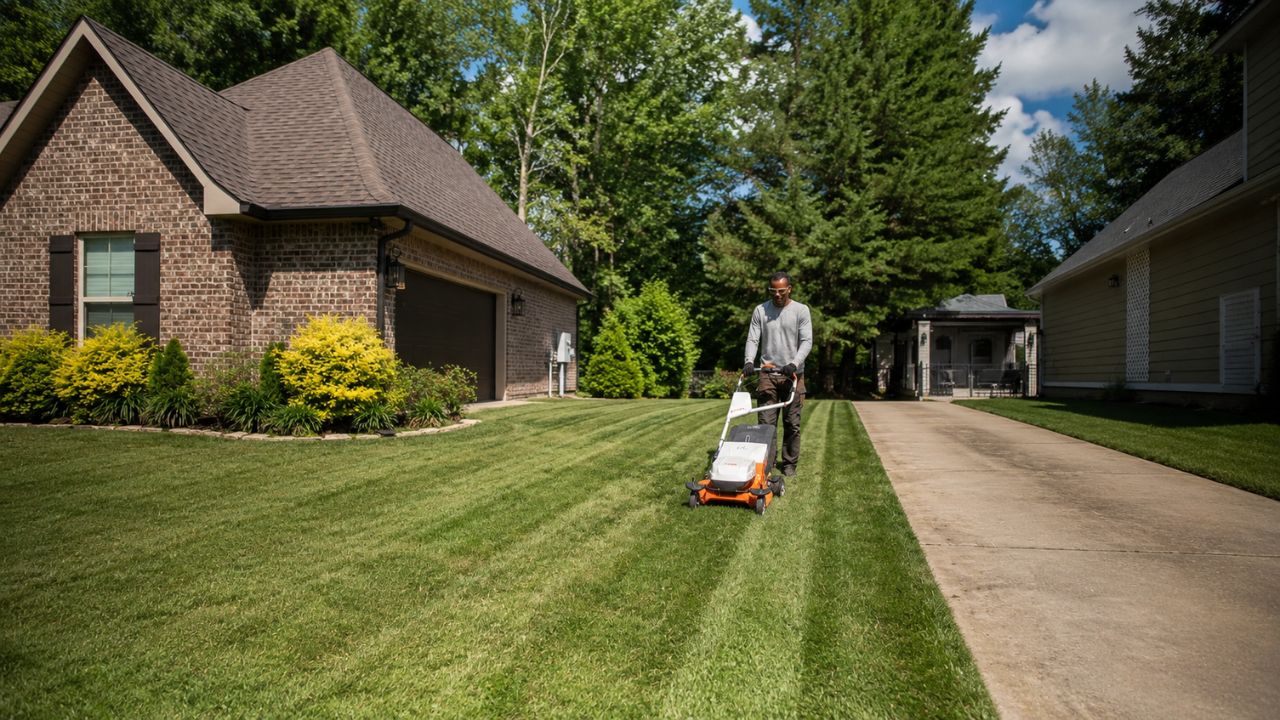
I want to tell you something that might sting a little.
After five years of cutting grass on residential and commercial properties all across Greater Sudbury, I can pull up to almost any property and tell within two minutes whether the homeowner is mowing it properly. Not because I’m looking for problems — but because the same mistakes show up so consistently that I’ve stopped being surprised by them.
I’m Ryan Lingenfelter, owner of Cutting Edge Lawn & Landscaping in Garson, Ontario. Since 2020, my crew and I have maintained properties across Greater Sudbury — Garson, Val Caron, Hanmer, Lively, Chelmsford, Azilda, Capreol. We’ve cut grass on over 500 properties in this area. And the patterns I see on DIY-maintained lawns are remarkably consistent.
This isn’t about making anyone feel bad. Most of these mistakes are things nobody ever explained properly. Once you know what to look for and why it matters, fixing them is straightforward. Here’s what I see most often — and what to do instead.
Mistake #1 — Cutting Too Short
This is the most common and the most damaging mistake I see on Sudbury lawns. Hands down.
The thinking makes sense on the surface. Cut it short and you won’t have to cut it as often. The lawn looks neat and tight. Seems efficient.
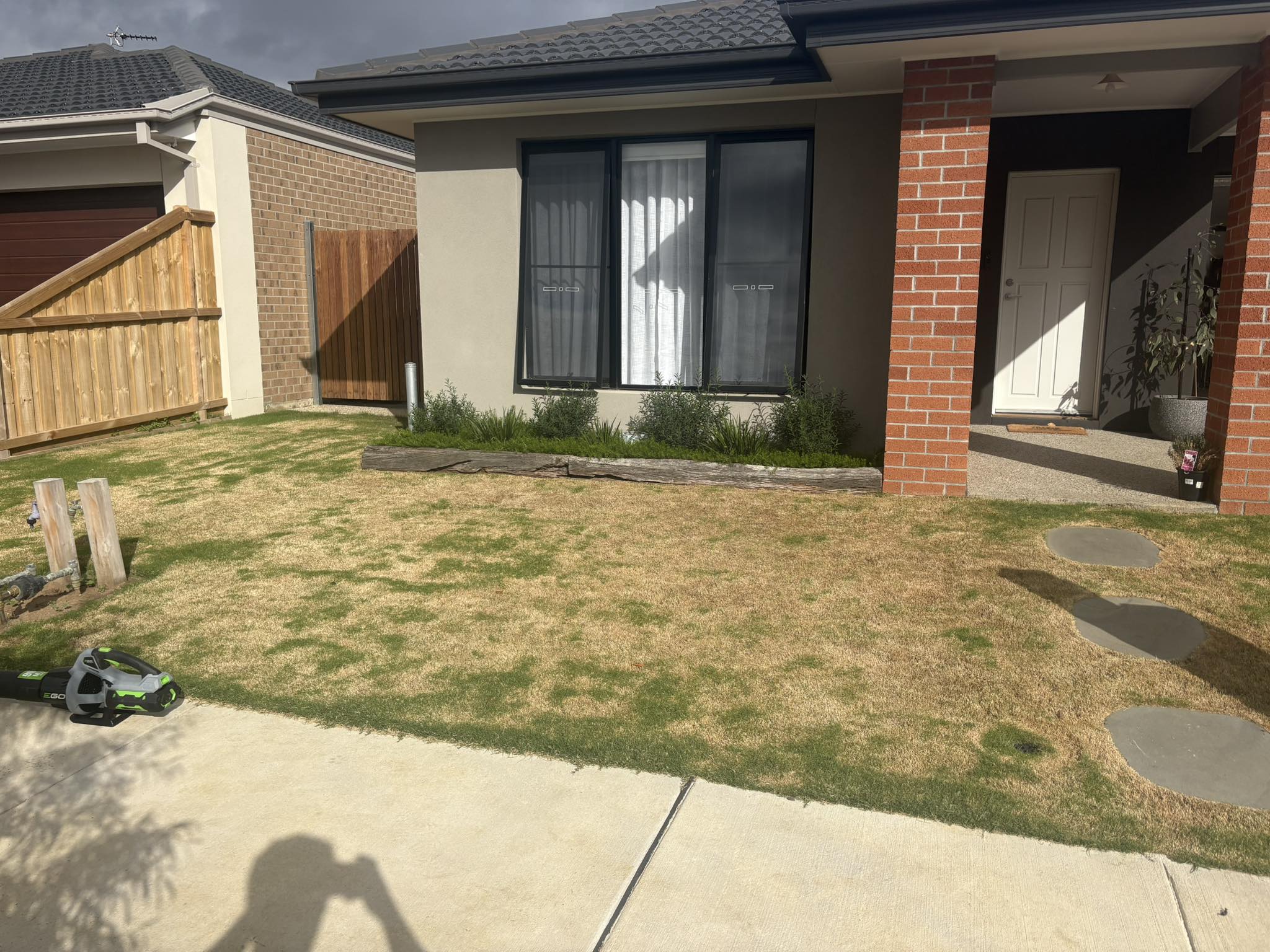
Here’s what’s actually happening. The grass blade is where the plant makes its food through photosynthesis. When you cut below three inches, you’re removing most of the plant’s food-producing surface. The root system responds by pulling back — there’s no reason to maintain deep roots if the top of the plant can’t feed them. You end up with a lawn that has shallow roots, can’t handle dry stretches, and browns out faster in July heat than any other lawn on the street.
I’ve walked properties in August where the homeowner is baffled by the brown patches. The lawn was fine in June. What changed? Nothing changed — the cumulative damage from months of cutting too short finally showed up when the first real stress hit.
The fix is simple. Set your mower deck to three inches and leave it there. Not two and a half. Not two. Three inches. In Sudbury’s climate, with our clay-heavy soil and harsh winters, three inches is the minimum for a lawn that stays healthy through the summer.
If you’ve been cutting short for a while and want to understand more about what it does to your lawn, I’ve written about this specifically in the context of the mowing height mistake that destroys Sudbury lawns by July.
Mistake #2 — A Dull Blade
This one is invisible until you know what to look for — and once you see it, you can’t unsee it.
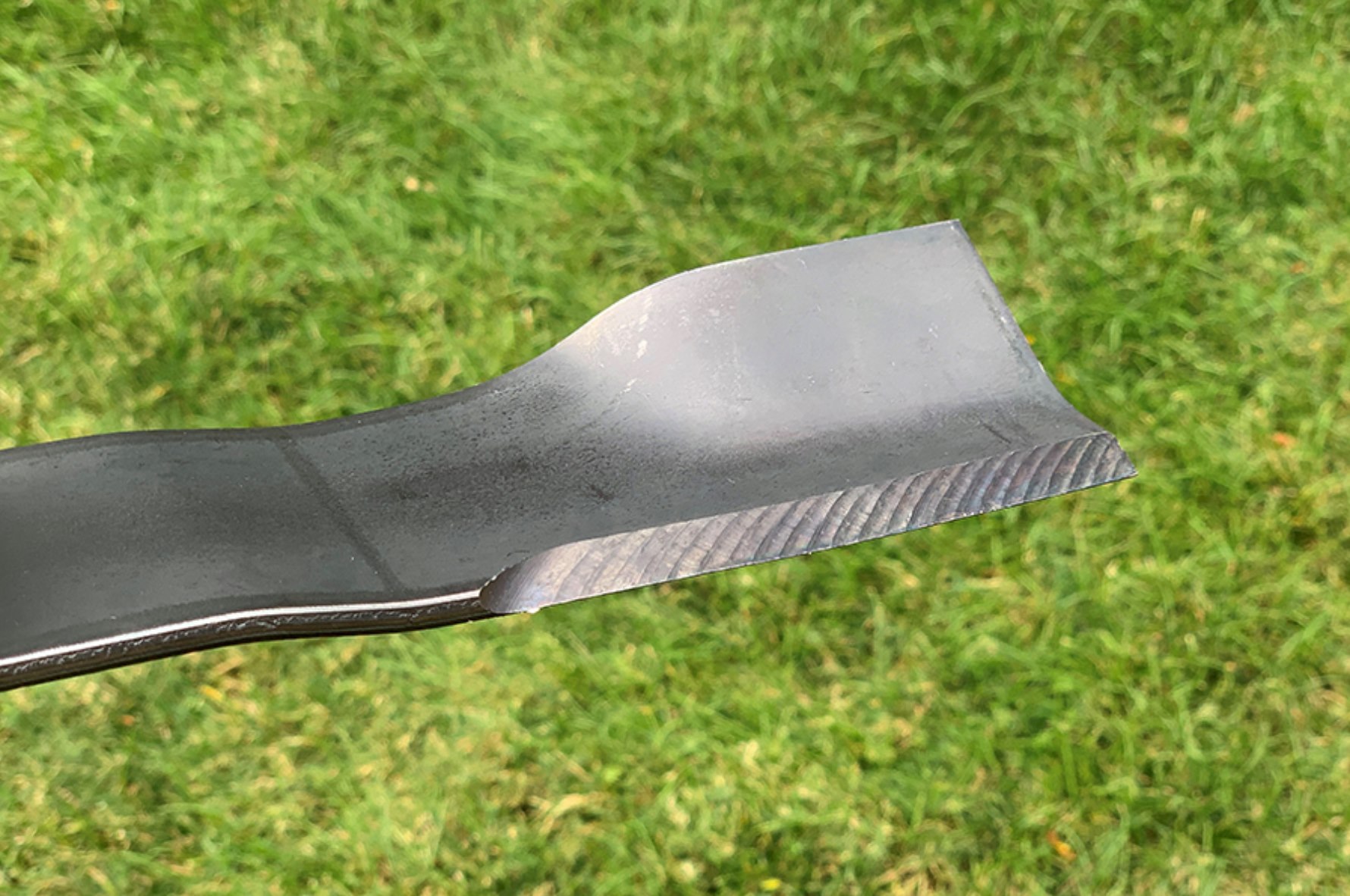
A dull mower blade doesn’t cut grass. It tears it. Instead of a clean slice through the blade, a dull edge rips the grass unevenly, leaving a ragged, frayed tip. That torn tip is exposed to the air and starts to die back. Within a day or two of mowing, those tips turn brown and yellow.
The result: a lawn that looks freshly cut from across the street but has a brownish or yellowish cast up close. Homeowners often think this is a watering problem or a disease problem. It’s almost always a blade problem.
Walk onto your lawn the day after mowing and crouch down. Look at the tip of a grass blade. If it’s clean and green, the blade is sharp. If it looks torn, brown at the tip, or frayed, the blade needs attention.
How often should you sharpen? I sharpen blades at the start of the season and check again mid-season during fast-growth periods when I’m cutting more frequently. For a typical residential lawn cut once a week, sharpening once or twice a season is usually enough. It takes twenty minutes and costs almost nothing. The visual difference is significant.
Mistake #3 — Cutting the Same Pattern Every Time
This one surprises people. Most homeowners have a pattern — stripes going one direction, or a spiral from the outside in. They do it the same way every cut because it’s habit and it works.
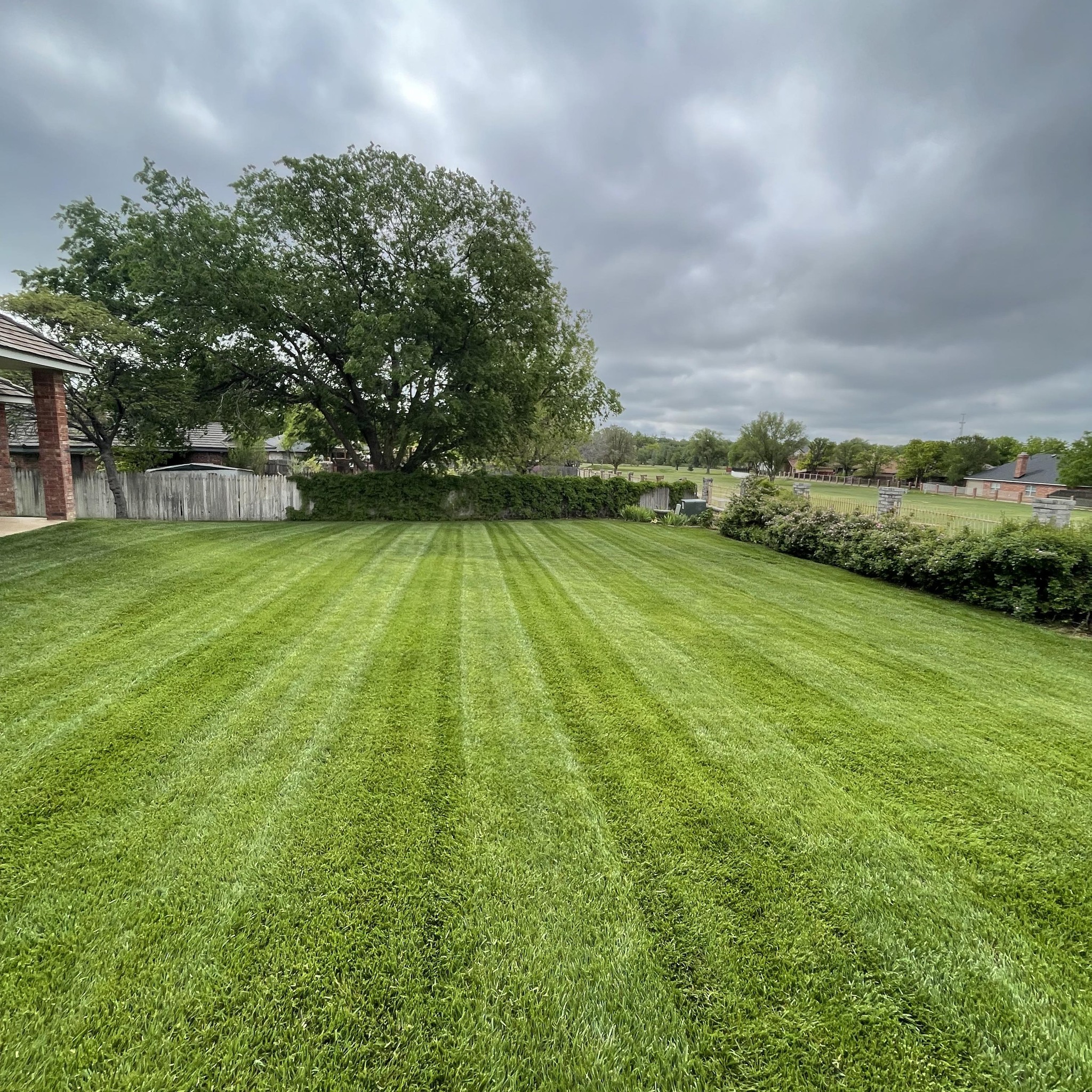
The problem is that mowing the same direction repeatedly causes the grass to lean in that direction. Over time, the grass develops what’s called “grain” — it grows slightly angled rather than straight up. This affects how evenly the blade cuts and creates a lawn that looks striped or uneven from certain angles.
More importantly, mowing the same pattern compresses the soil in the same tire tracks repeatedly. On Sudbury’s clay-heavy soil, this adds to the compaction problem that already exists from our winters.
The fix: alternate your mowing pattern. If you went north-south last week, go east-west this week. Diagonal the week after that. It takes no extra time and it makes a visible difference in how the lawn looks and how the soil holds up over the season.
Mistake #4 — Mowing Wet Grass
I understand why this happens. You’ve been waiting for a dry window. Life is busy. The grass is long. It rained yesterday but today looks okay and you’ve got an hour. You mow.
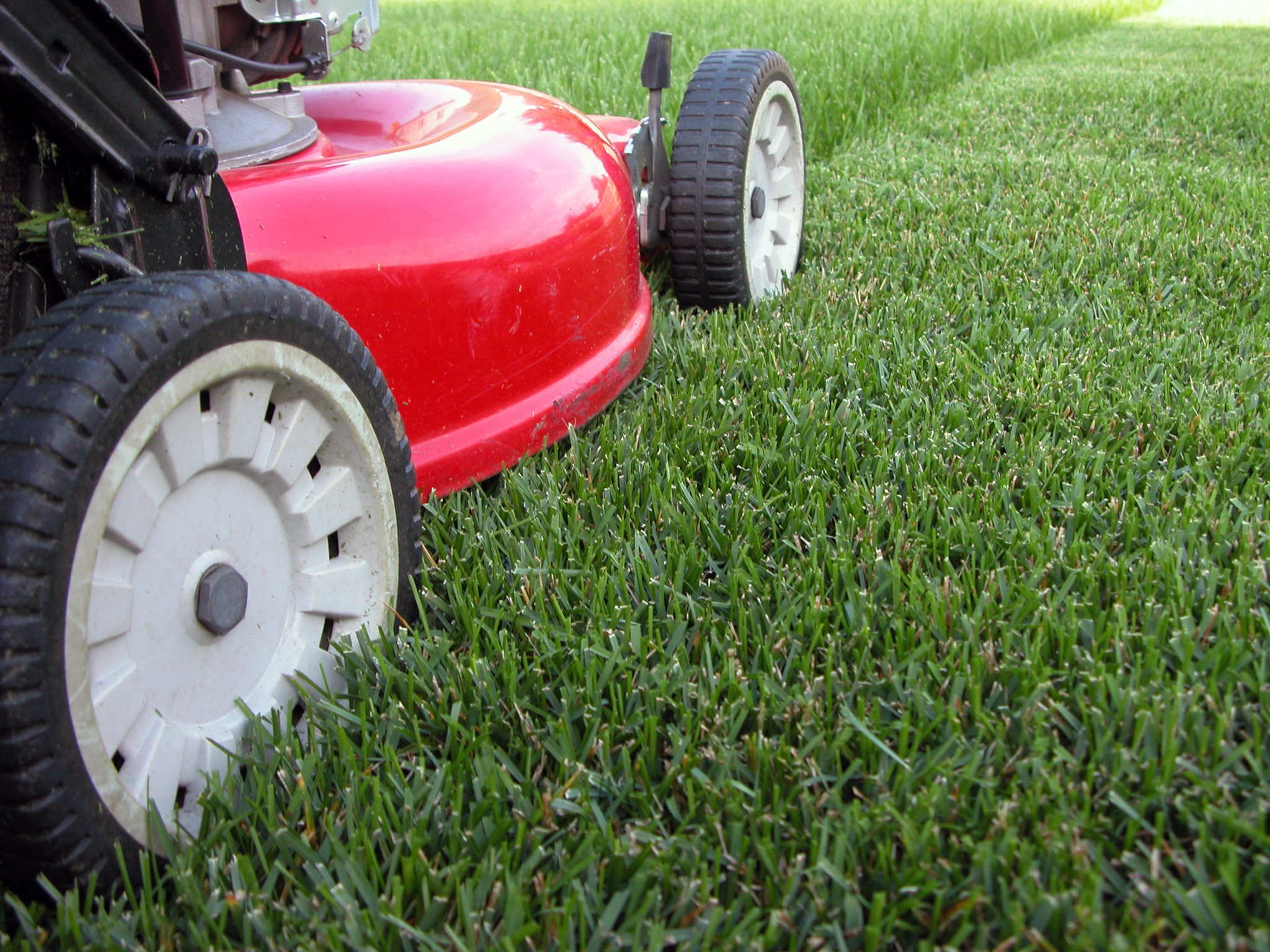
Here’s what wet mowing actually does. Wet grass clumps. The clippings clump together and fall in heavy mats on the lawn instead of dispersing as light, invisible clippings. Those mats block light and trap moisture against the grass underneath, which creates exactly the conditions fungal disease needs to establish. Within a few days you can have yellowing or dead patches where the clipping mats sat.
Wet grass also doesn’t cut cleanly. Even a sharp blade tears wet grass more than dry grass. The cut quality is worse and the tips brown faster.
And practically — it’s harder on the mower. Wet clippings clog the deck, reduce airflow, and make the engine work significantly harder.
The rule I follow: if the grass is visibly wet — dew still on the blades, or recently rained — wait. Even an hour or two of drying time in the morning sun makes a real difference. If you absolutely have to mow wet grass, cut at a higher height than normal and bag the clippings so they don’t mat on the surface.
Mistake #5 — Removing Too Much at Once
This is the one that gets people who let the lawn go a little too long between cuts — which in June, with grass growing at its fastest, can happen surprisingly quickly.
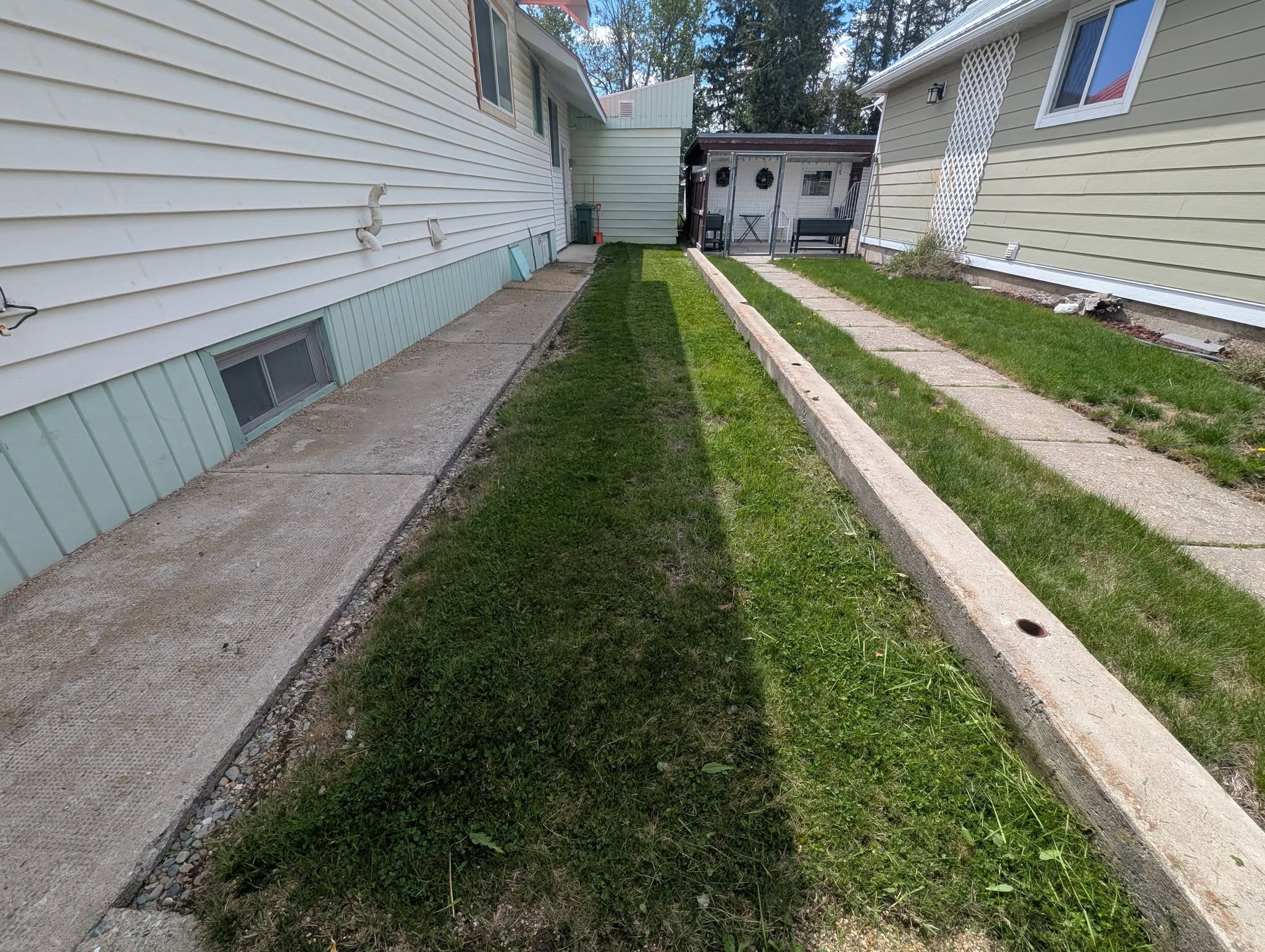
The rule in lawn care is the one-third rule: never remove more than one-third of the blade height in a single cut. If the grass is at four and a half inches and you cut to three inches, you’ve removed exactly one-third — that’s fine. If it’s gotten to six inches and you cut to three, you’ve removed half the blade. That’s too much and it stresses the lawn.
The stressed lawn response is visible within a day or two. The grass goes slightly pale. The remaining blades are the lower portions that haven’t seen direct sunlight — they’re pale yellow inside. When you cut above them, the lawn has a yellow cast for several days while new growth comes in green.
This isn’t permanent damage. The lawn recovers. But it’s avoidable, and it’s the reason a lawn on a consistent cutting schedule always looks better than one that gets cut aggressively every two weeks.
If the lawn has gotten long, cut it in two stages. Bring it from six inches to four inches first. Wait four or five days. Then bring it to three inches. Two lighter cuts is always better than one aggressive cut. I’ve written about this in more detail in the fast-growing grass guide here.
Mistake #6 — Mowing at the Wrong Time of Day
Most people mow when it’s convenient — whenever they have time. I get it. But timing actually matters more than most homeowners realize.
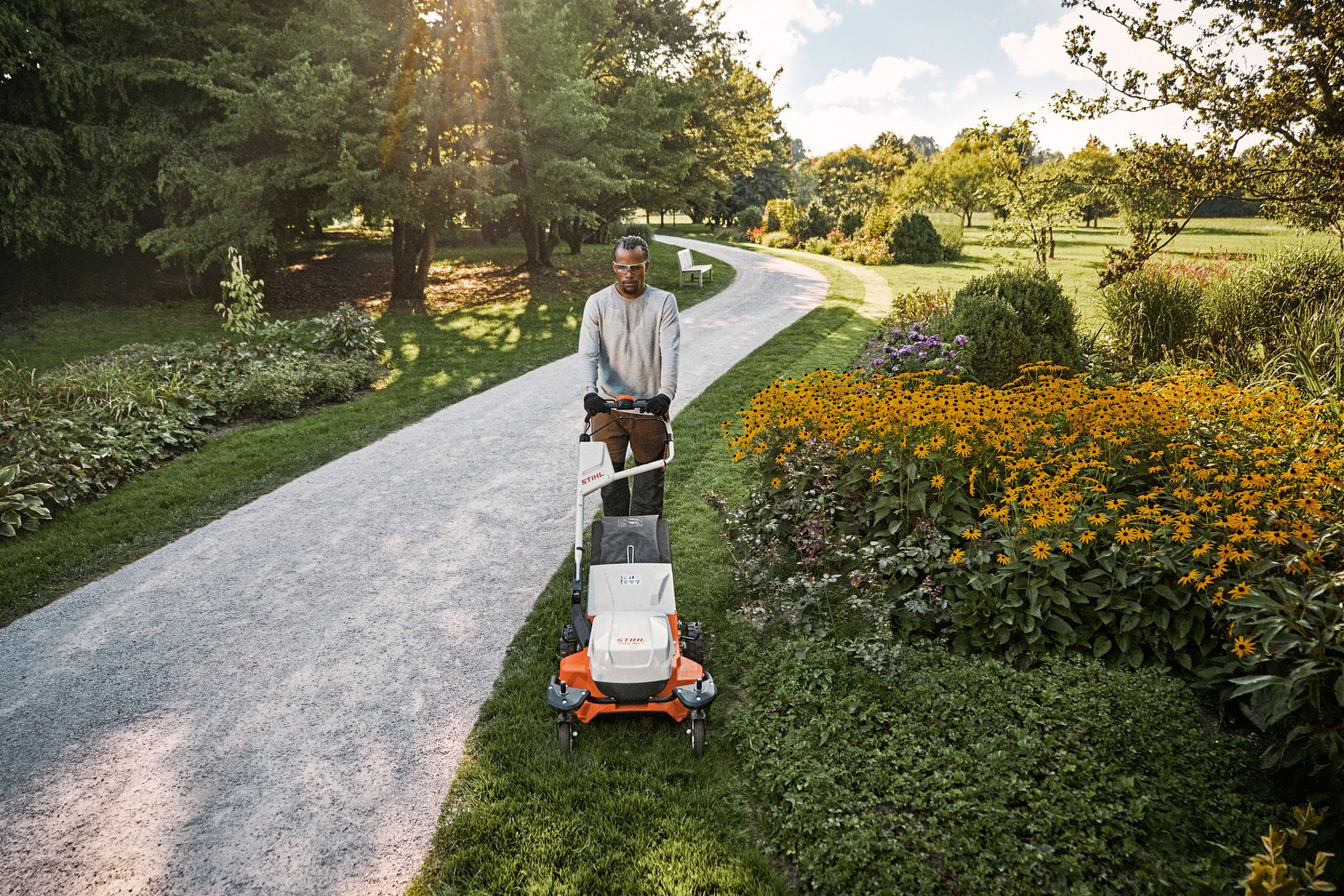
The worst time to mow: midday in summer heat. Cutting grass in the middle of a hot day stresses the plants immediately after cutting, when they’re already under heat and evaporation pressure. The cut tips dry out faster and the lawn takes longer to recover.
The best time: mid-morning, after the dew has dried but before the day gets hot. In Sudbury’s summer, that window is roughly 9am to 11am. The grass is dry, the temperature is manageable, and the lawn has the rest of the day to recover before cooler evening temperatures.
Evening mowing is the second-best option — temperatures are cooler and the grass isn’t under heat stress. The downside is that freshly cut grass going into a cool, damp night is slightly more susceptible to fungal issues. In a dry summer it’s usually fine. During a humid stretch, mid-morning is safer.
Mistake #7 — Skipping the Edges
This one is about appearance more than lawn health, but I’m including it because it makes such a visible difference and it’s so consistently skipped.
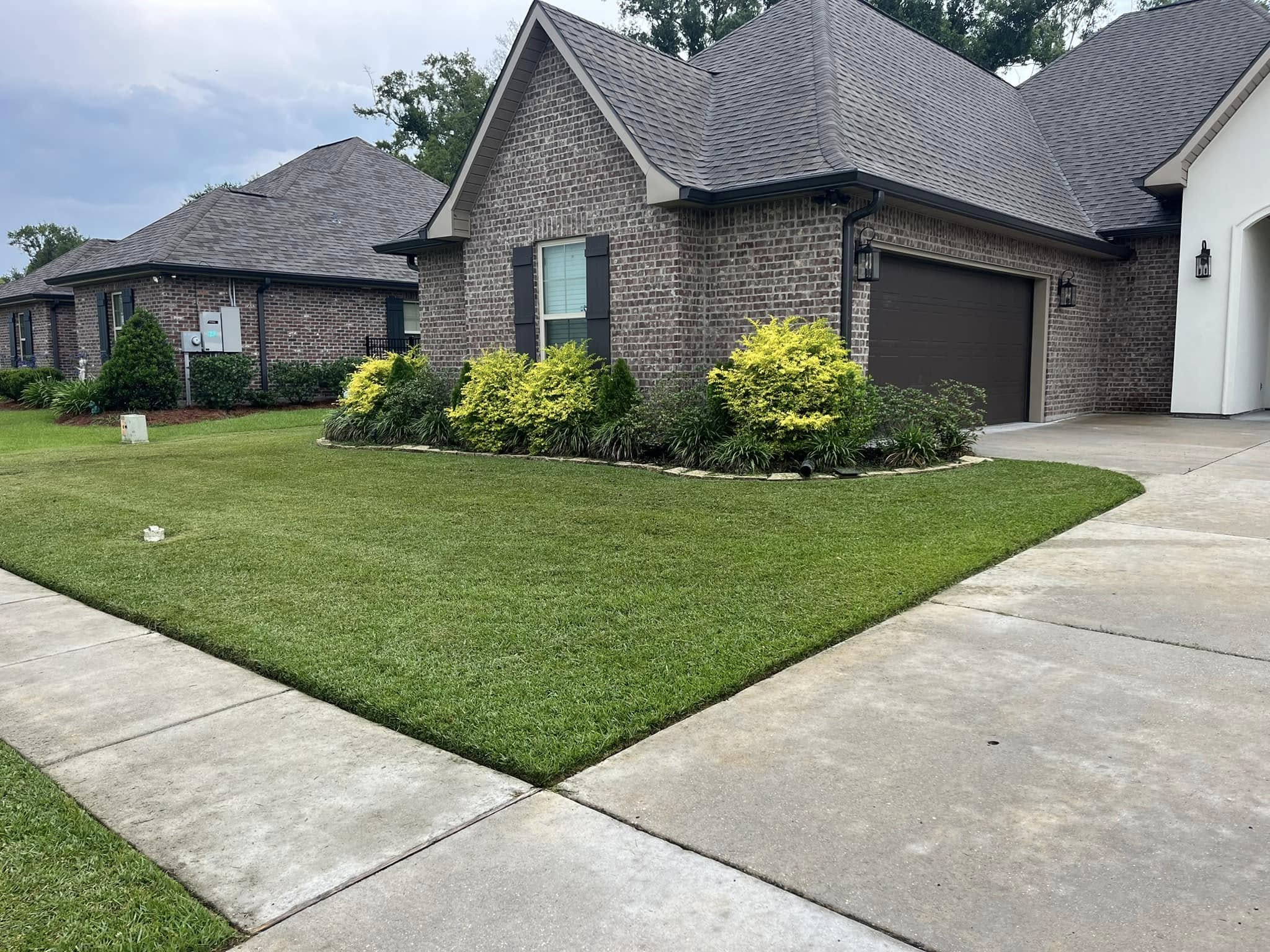
A lawn that’s mowed but not edged looks unfinished. The edges along the driveway, walkways, garden beds, and any hard surfaces are where the transition from lawn to hardscape happens. When those edges are clean and defined, the whole lawn looks intentional and maintained. When they’re ragged — grass flopping over the driveway, creeping over the garden bed borders — the lawn looks neglected regardless of how well the main surface is cut.
Proper edging means a vertical cut with an edger — not a string trimmer angled sideways. A trimmer used as an edger creates a ragged, uneven line. A proper edger cuts a clean, defined border that holds its shape until the next mowing.
You don’t need to edge every cut. Every other cut, or even every third cut, is enough to keep the edges looking sharp. But skipping it entirely for the season is the difference between a lawn that looks professional and one that just looks okay.
Mistake #8 — Ignoring Clippings on Hard Surfaces
Small thing, big impact on the overall impression of your property. Grass clippings on driveways, walkways, and patios look messy and track into the house on shoes. They also stain concrete and interlocking if left to sit and decompose — especially when wet.
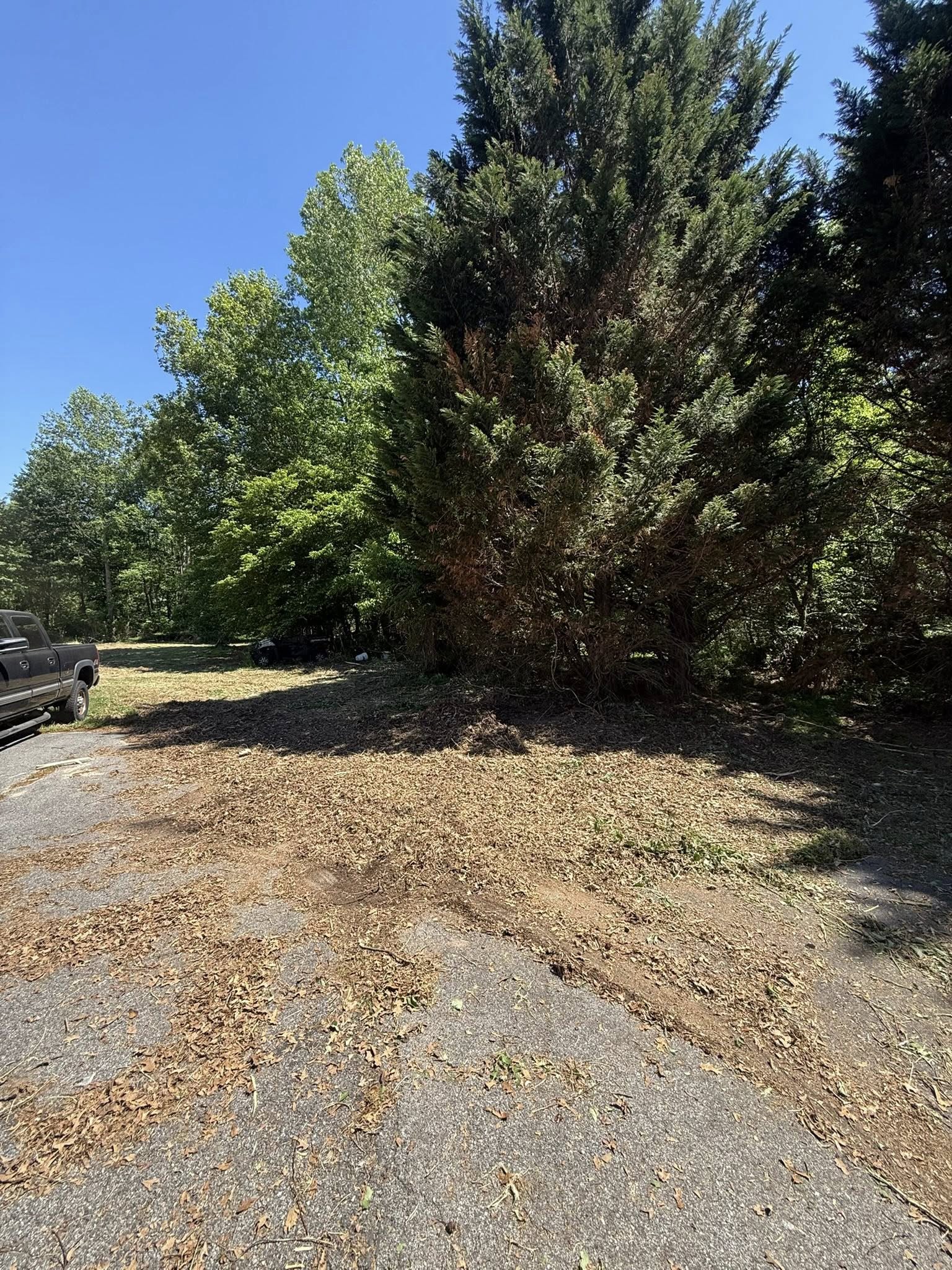
A two-minute blow-off of all hard surfaces after mowing takes almost no time and makes the property look finished rather than half-done. If you don’t have a blower, a broom works fine. The point is to do it every time, not leave it for the next cut.
What a Properly Maintained Sudbury Lawn Actually Looks Like
I want to paint the picture of what happens when you get these things right consistently — because the difference is significant and it shows up faster than most people expect.
A lawn cut at three inches with a sharp blade on a consistent schedule looks noticeably different from a lawn that’s being cut too short irregularly. It’s denser. The colour is deeper green. It feels different underfoot — more cushioned, more like actual turf. In July when the heat hits, it stays green while neighbouring lawns start to struggle. In dry stretches it bounces back faster because the roots are deeper.
None of this requires expensive products or a lot of extra time. It requires doing the basic things correctly and consistently. Mowing height, blade sharpness, frequency, pattern — these are habits, not equipment investments.
If your lawn has been struggling and you’ve tried various products without seeing lasting improvement, the answer is almost always in the basics. Fix the mowing, fix the watering, get the soil aerated if it’s compacted — and the lawn responds.
When to Call Someone vs. Handle It Yourself
If you’ve read this and you’re thinking about adjusting your approach — go for it. Everything I’ve described above is completely doable by any homeowner. The mowing height, blade sharpness, pattern rotation, timing — these don’t require professional help.
Where I’d recommend calling us:
- You want consistent cuts on a schedule without thinking about it — that’s exactly what our grass cutting service is designed for
- You’re seeing problems that aren’t resolving with proper mowing — brown patches, thin spots, weeds taking over — and you want someone to walk the property and tell you what’s actually going on
- You want professional edging done properly on a regular basis
Call me at 705-507-6787 or fill out the free quote form here. I cover all of Greater Sudbury — Garson, Val Caron, Hanmer, Lively, Chelmsford, Azilda, Capreol — and summer is our busiest season, so the earlier you call, the better we can accommodate your schedule.
Hope this was useful. If your lawn looks better after reading it, that’s the whole point.
— Ryan
Frequently Asked Questions
What height should I cut my grass in Sudbury?
Three inches — consistently, all season. This is the minimum for a lawn that stays healthy through Sudbury summers. Cutting below three inches stresses the grass, forces shallow root development, and produces a lawn that browns out faster in July heat and recovers slower from dry stretches.
How often should I sharpen my mower blade in Sudbury?
At minimum, once at the start of the season. For a residential lawn cut weekly, checking the blade mid-season — around June or July — is a good habit. If the lawn has a yellowish or brownish cast within a day or two of mowing and the watering is fine, a dull blade is almost always the cause.
How often should I cut my grass in Sudbury?
Every five to six days during peak growth in late May and June. Every seven to ten days through July and August when heat slows growth. Every seven to ten days in early fall until the lawn stops growing. The lawn tells you when it needs cutting — during fast-growth periods that happens more frequently than people expect.
Should I bag my grass clippings or leave them on the lawn in Sudbury?
Leave them, as long as you’re cutting at the right frequency. Short clippings from a lawn cut on schedule break down within 24 to 48 hours, return nitrogen to the soil, and are essentially invisible after a day. Bag only when the clippings are long and heavy — which happens when the lawn has been allowed to grow too long before cutting.
Why does my Sudbury lawn look yellow after mowing?
Two possible causes. First, a dull blade — torn grass tips turn yellow within a day or two of mowing. Second, cutting too much at once — removing more than one-third of the blade height exposes the pale, sun-deprived lower portions of the grass. Both are fixed by sharpening the blade and adjusting the cutting height and frequency.
Is it worth hiring someone to cut my grass in Sudbury?
For homeowners who want a consistently maintained lawn without managing the schedule themselves — yes. A professional cutting service maintains the right height, frequency, and edge quality throughout the season. During peak growth in June, having someone on a set schedule means the lawn never gets away from you regardless of how busy your week is.
Ryan Lingenfelter is the owner of Cutting Edge Lawn & Landscaping in Garson, Ontario. Since 2020, his crew has provided full lawn care services across Greater Sudbury — Garson, Val Caron, Hanmer, Lively, Chelmsford, Azilda, and Capreol. Cutting Edge is licensed, insured, BBB A+ rated, and ThreeBest Rated for lawn care services in Sudbury.
📞 Phone: 705-507-6787
📍 Service Area: Greater Sudbury, Ontario
🔗 Free Quote: cuttingedgelawn.ca/quote
Helpful Lawn Care Services in Sudbury
- Grass Cutting Services in Sudbury
- Core Aeration for Healthy Lawns
- Property Cleanup Services
- Sod Installation in Sudbury
Continue Reading
- Why Is My Grass Growing So Fast in Sudbury Right Now?
- The May Mistake That’s Killing Sudbury Lawns by July
- What Your Sudbury Lawn Actually Needs in June
