
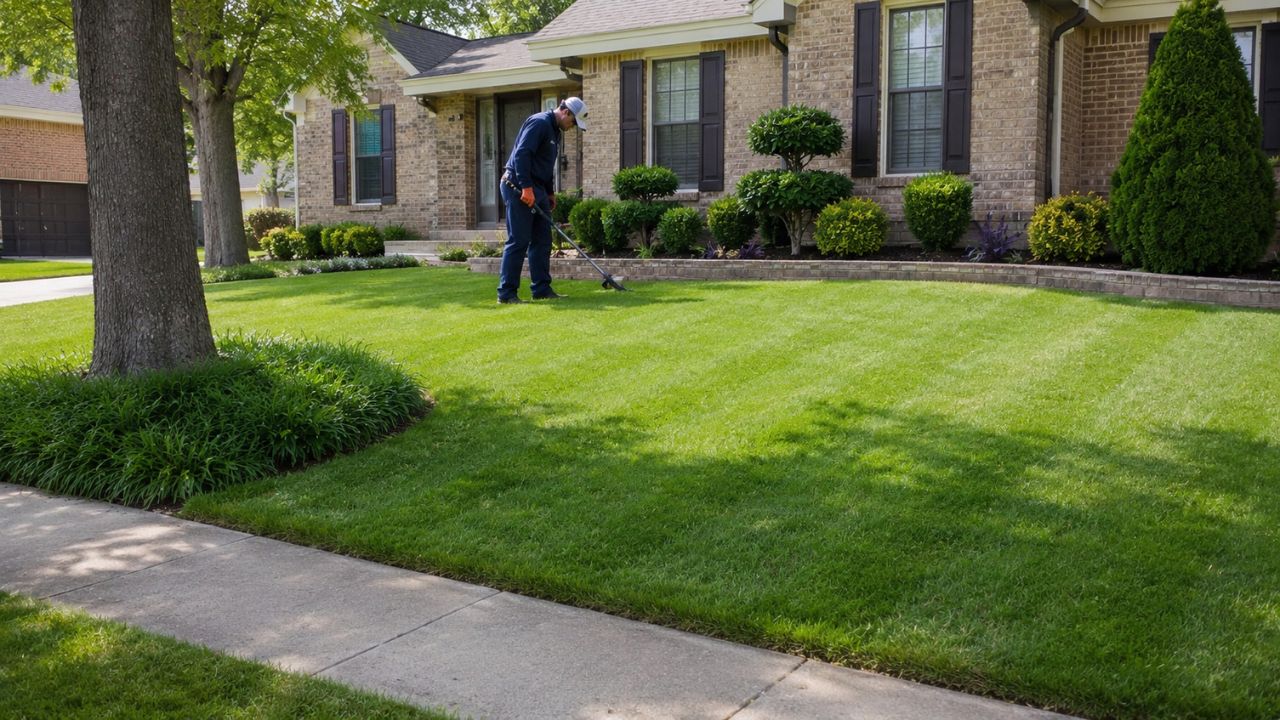
This time of year I get a version of the same text from homeowners across Greater Sudbury almost every week.
“Ryan, I just cut it five days ago. How is it already long again?”
I get it. You mow on Saturday. By Thursday it looks like you haven’t touched it in two weeks. You’re cutting it more often than you ever have and it still feels like you’re losing the battle.
I’m Ryan Lingenfelter, owner of Cutting Edge Lawn & Landscaping in Garson, Ontario. Since 2020, I’ve maintained residential and commercial properties all across Greater Sudbury — Garson, Val Caron, Hanmer, Lively, Chelmsford, Azilda, Capreol. And every year in late May and June, this question comes up constantly.
Here’s exactly what’s happening to your lawn right now, why it’s growing so fast, and what to do about it so it doesn’t get away from you.
Why Grass Grows So Fast in Sudbury in June
The short answer is that late May through June is one of two peak growing periods for cool-season grasses — which is what almost every residential lawn in Greater Sudbury is made of. The other peak is early fall. Everything in between is slower, and summer heat actually slows growth significantly once we hit consistent temperatures above 25°C.
But right now, the conditions are almost perfect for maximum grass growth. Here’s what’s driving it.
Soil temperature is in the sweet spot
Cool-season grasses grow fastest when soil temperatures are between 10°C and 18°C. In the Sudbury area, late May and June put us right in that range consistently. The air might feel warm, but the soil hasn’t heated up to the point where it slows growth down. That combination — warm enough to grow aggressively, cool enough that the grass isn’t stressed — produces the fastest growth of the year.
Long days mean more photosynthesis
June has the longest days of the year. More daylight hours means the grass is photosynthesizing — producing energy — for longer every day. That energy goes directly into blade and root growth. The grass is essentially running on full power right now in a way it doesn’t at any other time of year.
Spring moisture is still in the soil
Even if we haven’t had a lot of rain recently, most Sudbury lawns still have good soil moisture from the spring snowmelt and April-May precipitation. Grass needs water to grow, and right now there’s usually enough in the soil profile to support aggressive growth even between rain events.
The lawn is recovering from winter
After six months under snow, cool-season grass comes out of winter with a biological drive to grow and set seed before summer conditions arrive. It’s not just growing — it’s trying to establish itself for the season. That urgency produces a growth rate in late spring that slows significantly once the grass has established itself for the year.
What to Do About It — The Right Approach
Fast growth in June isn’t a problem. It’s actually a sign of a healthy lawn. The issue is managing it properly so you’re not fighting it every five days and stressing the grass in the process.
Cut more frequently, not shorter
This is the most important thing I can tell you. When grass is growing fast, the instinct is to cut it shorter so it takes longer to need cutting again. This is exactly wrong.
Cutting too short — below three inches — removes most of the grass blade, which is where the plant produces its food. The grass responds by pushing new growth even faster to replace what was lost. You end up in a cycle where the lawn grows back faster after a short cut than it does after a proper cut at the right height.
Cut at three inches, consistently. During fast-growth periods in June, that might mean cutting every five to six days instead of every seven to ten. It feels like more work, but it’s actually less stressful on the lawn and produces a better result.
Never remove more than one-third of the blade at once
This is what lawn care professionals call the one-third rule. If your grass is at four and a half inches, cutting to three inches removes exactly one-third. If it’s gotten longer than that before you cut — say five or six inches — cutting back to three inches removes too much at once and puts the lawn into stress.
If the lawn has gotten away from you and is noticeably long, don’t try to cut it back to three inches in one pass. Cut it to four inches first, wait a few days, then bring it to three. Two cuts is better than one aggressive cut that shocks the lawn.
Keep the blade sharp
During fast-growth periods you’re cutting more often, which means the blade dulls faster. A dull mower blade tears the grass instead of cutting it cleanly. Torn grass tips turn brown and yellow within a day or two — which makes your freshly cut lawn look ragged almost immediately after mowing.
Sharpen the blade at the start of the season and check it again mid-June if you’re cutting frequently. It takes twenty minutes and makes a visible difference in how the lawn looks after every cut.
How Often Should You Actually Be Cutting in June
Here’s what I tell homeowners who ask me directly.
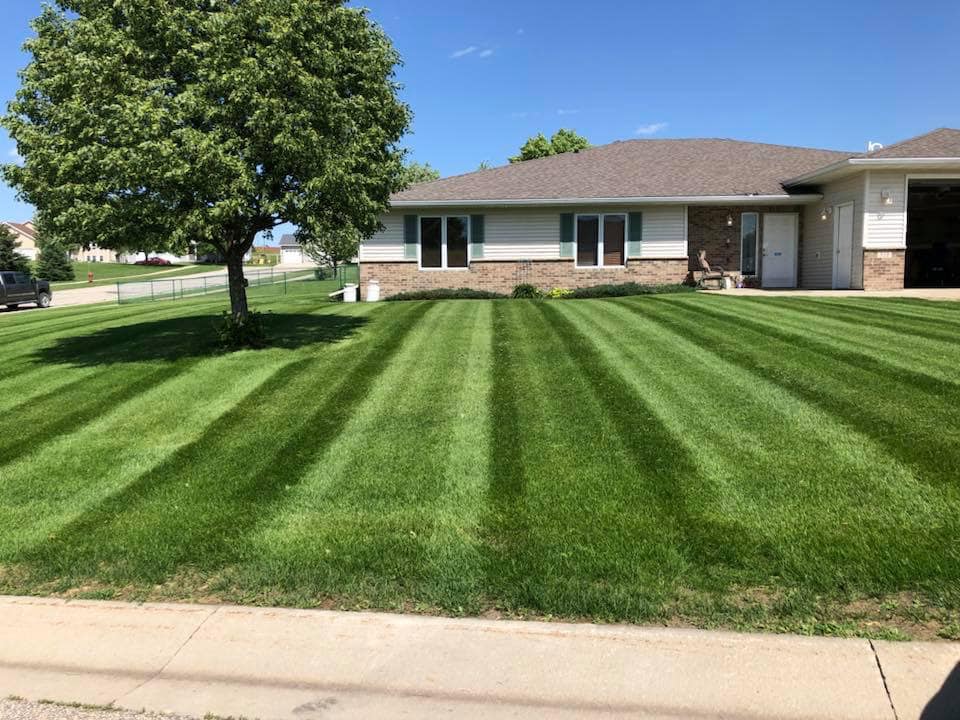
During peak growth in late May and June — every five to six days. Not seven, not ten. Five to six.
I know that sounds like a lot. But here’s the practical reality. A lawn cut every five to six days at three inches stays consistently tidy, the cuts are light and fast, and the grass never gets stressed from having too much removed at once. A lawn cut every ten days in June ends up looking overgrown for half the time, gets cut too aggressively, and takes longer to recover to a tidy appearance after each cut.
By mid-July, when the heat slows growth down, you’ll naturally drop back to cutting every seven to ten days without doing anything different. The lawn tells you when it needs cutting — in June that happens to be more often than the rest of the year.
If cutting every five to six days isn’t realistic with your schedule, this is exactly where a regular grass cutting service makes sense. We’re on your property on a consistent schedule during peak growth season so the lawn never gets away from you.
Should You Leave Clippings on the Lawn or Bag Them
In June when growth is fast, I almost always recommend leaving clippings on the lawn — with one condition.
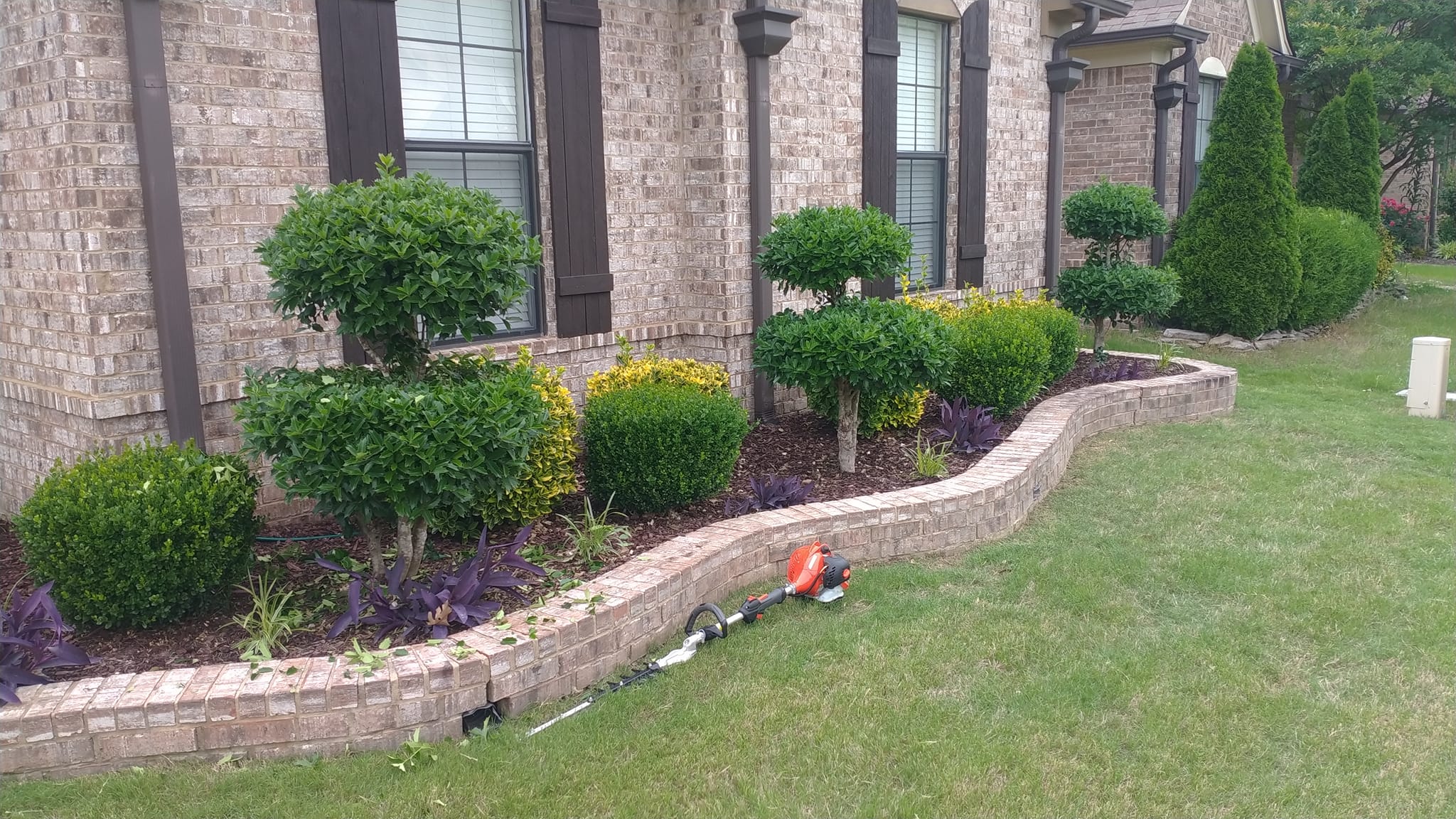
When you’re cutting at the right frequency and height, the clippings are short. Short clippings break down within a day or two, return nitrogen to the soil, and are essentially invisible within 24 hours of mowing. This is called grasscycling and it’s genuinely beneficial — it reduces the need for fertilizer and improves soil health over time.
The condition: if you’ve let the lawn go longer than it should and the clippings are long and heavy, bag them. Long clippings clump on the surface, block light from reaching the grass underneath, and can cause yellowing and dead spots if left in place. If you can see a visible layer of clippings sitting on top of the lawn after mowing, bag the next cut.
The best situation is to cut frequently enough that the clippings are always short — then you never need to bag at all during the growing season.
What Happens If You Let the Lawn Get Away From You
I want to be honest about this because I see it every summer on properties that go a few weeks without attention in June.
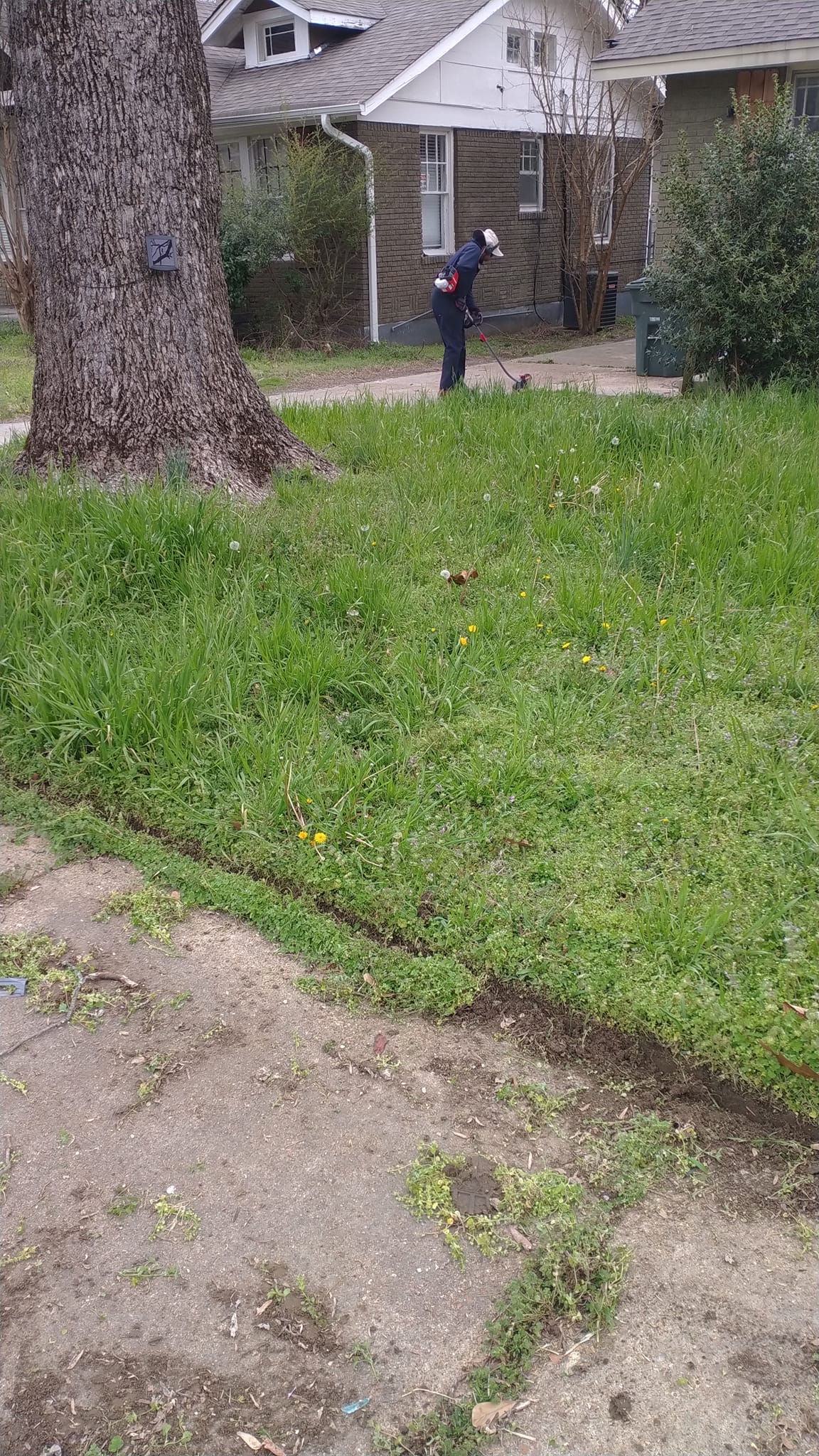
A lawn that’s been allowed to grow too long — over five or six inches — before being cut will look stressed after the cut regardless of how carefully it’s done. The lower portions of the grass blade that haven’t seen sunlight are pale yellow. When you cut above that pale section, the lawn has a yellow cast for several days until the new growth greens up.
This isn’t permanent damage. The lawn recovers within a week. But it’s avoidable, and it’s the main reason a lawn that gets cut regularly looks consistently better than one that gets cut less often but more aggressively.
If your lawn has gotten significantly overgrown, here’s the recovery approach. Cut to four inches first — don’t try to get to three in one pass. Water deeply the day after to help the lawn recover. Wait four to five days and bring it down to three inches. From that point, stay on a five to six day schedule for the rest of June and the lawn will be back to looking its best within two weeks.
One More Thing — What Fast Growth Tells You About Your Lawn’s Health
I want to end with something that I think is worth saying directly.
Fast growth in June is a good sign. It means your lawn has healthy roots, adequate moisture, and the right soil conditions to support strong growth. The lawns that aren’t growing fast right now are the ones with compaction problems, shallow roots, or soil issues that are limiting what the grass can do.
If your neighbour’s lawn seems to be growing slower than yours right now, that’s not something to envy. A lawn that’s growing aggressively in June is a lawn that’s going to handle July heat better, recover from dry stretches faster, and go into fall in better condition than a lawn that’s been struggling all spring.
The fast growth is an inconvenience. It’s also the lawn doing exactly what you want it to do. Work with it — cut more frequently, keep the height right, leave the clippings — and you’ll have a lawn that looks great all summer.
If you’d rather hand the mowing schedule off to someone else during peak season, that’s what we’re here for. Call me at 705-507-6787 or fill out the free quote form here and I’ll get you set up on a schedule that keeps the lawn looking right without you having to think about it.
Frequently Asked Questions
Why is my grass growing so fast in June in Sudbury?
Late May and June is the peak growing period for cool-season grasses in Greater Sudbury. Soil temperatures in the 10–18°C range, long daylight hours, and good spring soil moisture combine to produce the fastest growth of the year. This is normal and actually a sign of a healthy lawn — growth slows significantly once summer heat arrives in July.
How often should I cut my grass in June in Sudbury?
Every five to six days during peak growth. Cutting at this frequency at the right height — three inches — keeps the lawn consistently tidy and prevents the stress that comes from letting it grow too long and then cutting too aggressively. By mid-July, growth slows and you can naturally extend to every seven to ten days.
Should I cut my grass shorter so it doesn’t grow back as fast?
No — this is one of the most common lawn care mistakes. Cutting shorter actually causes the grass to push new growth faster to replace what was removed, and it stresses the root system heading into summer heat. Keep the mowing height at three inches and increase the frequency instead. You’ll spend less time overall and the lawn will look better.
Is it okay to leave grass clippings on the lawn in June?
Yes, as long as you’re cutting at the right frequency and the clippings are short. Short clippings break down within 24 to 48 hours, return nutrients to the soil, and are essentially invisible after a day. If the lawn has gotten long and the clippings are heavy and clumping, bag that cut — then resume leaving clippings once you’re back on a regular schedule.
What happens if I don’t cut my lawn often enough in June in Sudbury?
The lawn gets overgrown and when you do cut it, you’re forced to remove too much blade at once. This stresses the grass, produces a yellow cast for several days after cutting, and can weaken the root system heading into summer. Frequent light cuts in June produce a healthier and better-looking lawn than infrequent aggressive cuts.
Ryan Lingenfelter is the owner of Cutting Edge Lawn & Landscaping in Garson, Ontario. Since 2020, his crew has provided full lawn care services across Greater Sudbury — Garson, Val Caron, Hanmer, Lively, Chelmsford, Azilda, and Capreol. Cutting Edge is licensed, insured, BBB A+ rated, and ThreeBest Rated for lawn care services in Sudbury.
📞 Phone: 705-507-6787
📍 Service Area: Greater Sudbury, Ontario
🔗 Free Quote: cuttingedgelawn.ca/quote
