
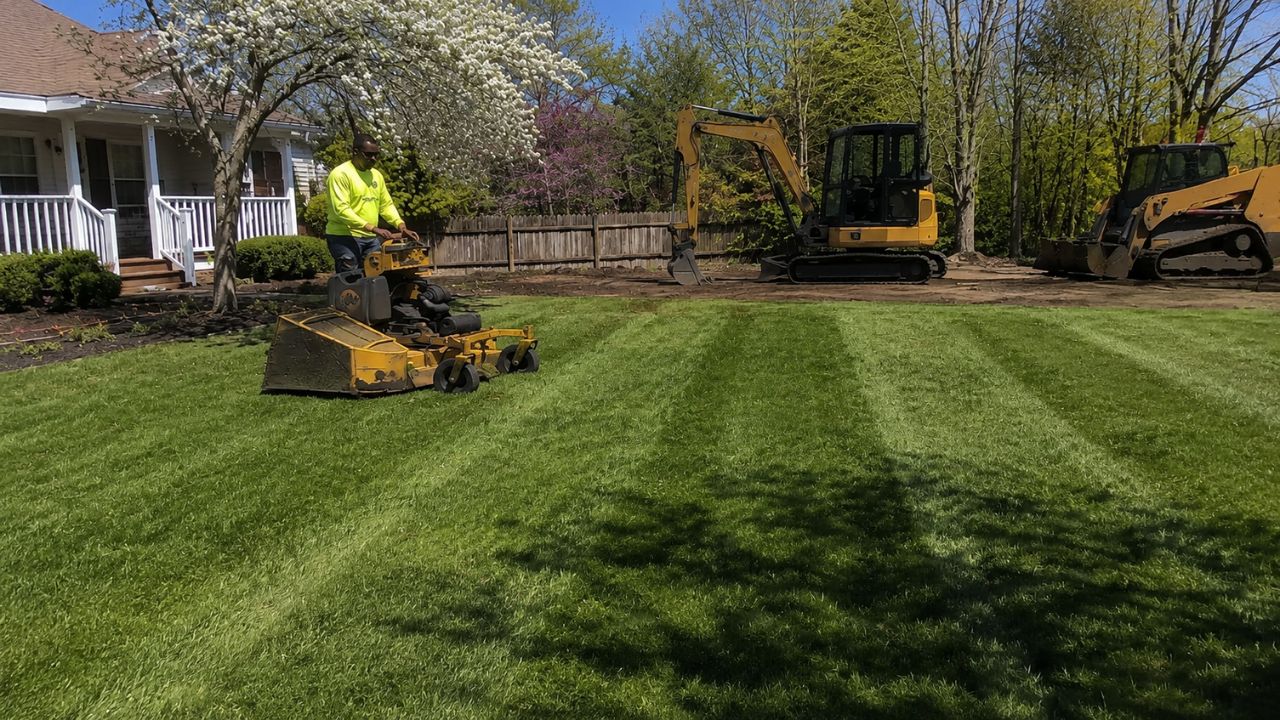
Every spring I get a version of this question at least a dozen times.
“Ryan, should I aerate in spring or fall? My neighbour says fall. My brother-in-law says spring. I’ve read three different things online and none of them agree.”
I’m Ryan Lingenfelter, owner of Cutting Edge Lawn & Landscaping in Garson, Ontario. Since 2020, I’ve aerated residential and commercial lawns all across Greater Sudbury — Garson, Val Caron, Hanmer, Lively, Chelmsford, Azilda, Capreol. Hundreds of properties over five seasons.
Here’s the honest answer. Both spring and fall aeration work — but for Sudbury specifically, the timing matters more than most people realize. And the advice you’ll find online is mostly written for lawns in southern Ontario or the United States, not for properties that just spent six months under snow.
Let me walk you through exactly what I do and why.
What Core Aeration Actually Does — In Plain Terms
Before we get into timing, I want to make sure we’re on the same page about what aeration actually is — because there’s a lot of confusion about this.
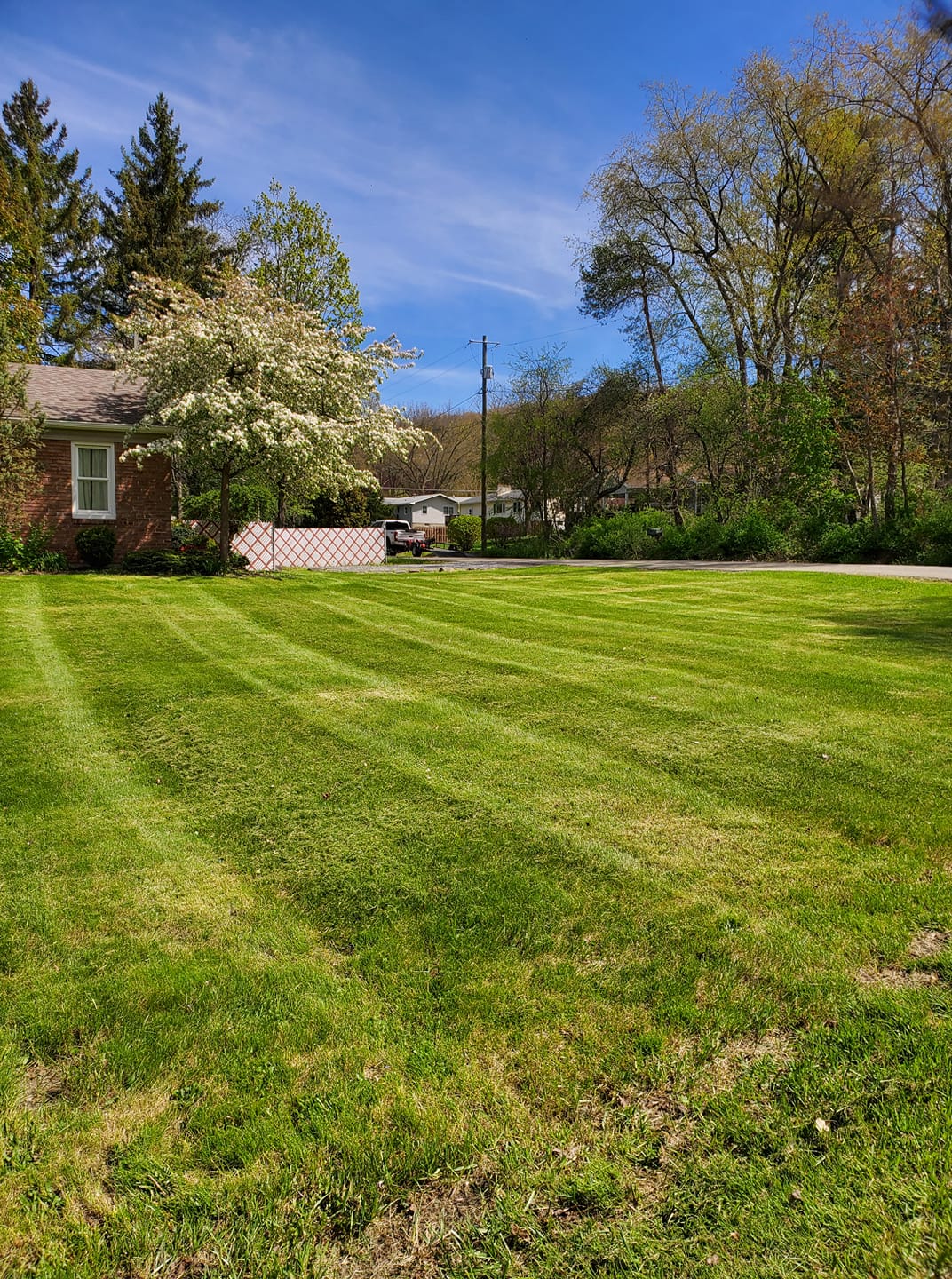
Core aeration means pulling small plugs of soil out of your lawn — typically about the size of your finger, spaced a few inches apart across the whole yard. The machine drives hollow tines into the ground and pulls those plugs up to the surface, where they sit and break down naturally over a few weeks.
What that does is three things. First, it relieves soil compaction — the plugs create space for the soil to expand and breathe. Second, it opens channels for water, oxygen, and nutrients to reach the root zone directly instead of sitting on top of a compacted surface. Third, it encourages deeper root growth because the roots can now push down into looser soil.
The result — over a full season — is a lawn with stronger roots, better drought resistance, fewer weeds, and a noticeably thicker appearance. It’s the single highest-impact service I offer relative to what it costs.
What aeration is not: it’s not dethatching, it’s not overseeding (though overseeding right after aeration is extremely effective), and it’s not a substitute for proper mowing height or watering. It works best as part of a complete lawn care approach.
Spring vs Fall Aeration — What the Debate Is Actually About
Here’s why there’s so much disagreement on this topic. The “fall is better” advice comes from a real place — for cool-season grasses in most of Ontario, fall aeration gives the grass the whole cool season to recover and fill in the plug holes before going dormant. The roots have time to grow, the competition from weeds is lower in fall, and the timing lines up well with overseeding.
All of that is true. In a vacuum.
The problem is that most of the homeowners I talk to in Sudbury aren’t choosing between a perfect spring aeration and a perfect fall aeration. They’re choosing between aerating now — in spring or early summer — or waiting until September and hoping they remember to book it before the season ends.
And here’s what I see every year. The homeowners who wait for the “ideal” fall timing end up in one of two situations. Either they book it in September and it works well. Or they don’t get around to it, October comes, the ground starts to harden, and we’re talking about next year.
A spring aeration that actually happens beats a fall aeration that doesn’t.
What I Recommend for Sudbury Lawns Specifically
For most properties I work on in Greater Sudbury, my recommendation is late May to mid-June for spring aeration. Here’s my reasoning.
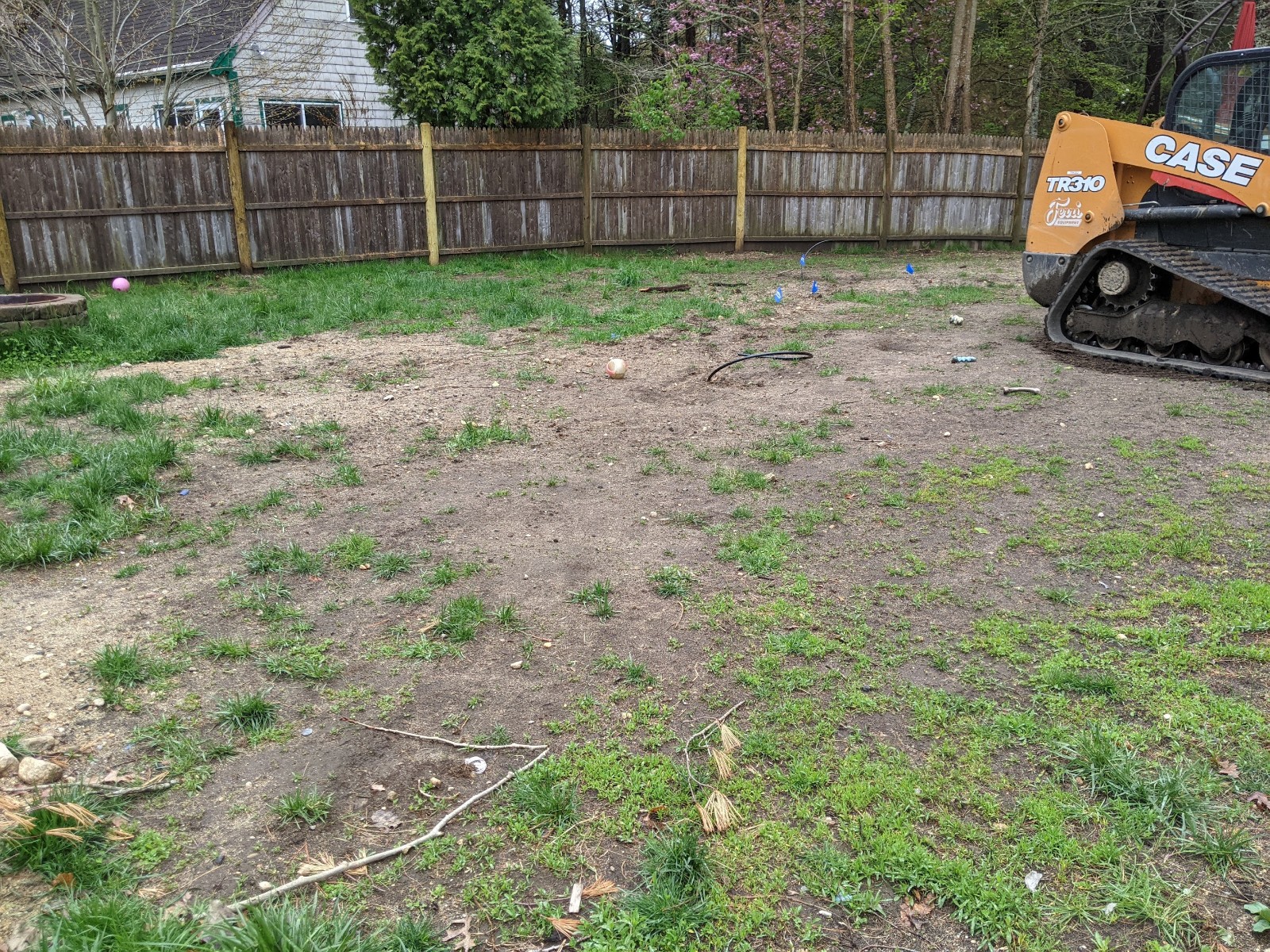
Sudbury lawns come out of winter compacted. Six months of snow load, freeze-thaw cycles, and frozen ground puts real stress on the soil structure. By the time spring arrives, most lawns in this area have soil that’s tighter than it should be — and that compaction is actively working against the grass just as it’s trying to come back to life.
Aerating in late May gives the lawn immediate relief right when it needs it most. The grass is actively growing, the soil is warm enough to recover quickly, and the plug holes fill in within two to three weeks. You get the full benefit through the highest-stress period — July heat.
Compare that to aerating in fall. The lawn gets the benefit, but by the time the roots have really taken advantage of the loosened soil, the grass is heading into dormancy. You’re essentially setting up a benefit the lawn won’t fully use until the following spring.
Both approaches work. For Sudbury specifically, I lean toward spring because the compaction from our winters is severe enough that waiting until fall means your lawn is fighting compacted soil through the entire summer.
When Spring Aeration Is the Wrong Call
I want to be fair about this — there are situations where I’d push a Sudbury homeowner toward fall aeration instead of spring.
If you’re planning to overseed
Overseeding — spreading new grass seed over your existing lawn — works dramatically better right after aeration because the seed falls into the plug holes and makes direct contact with the soil. If overseeding is part of your plan, fall is the better timing. Grass seed germinates best in the cooler temperatures of August and September, and you avoid the risk of summer heat killing new seedlings before they establish.
If your lawn was just aerated in spring
You don’t need to aerate twice a year on most Sudbury properties. Once a year is the standard recommendation for residential lawns with moderate traffic. Heavy-use properties — families with kids and dogs running on the lawn all summer — might benefit from twice yearly, but that’s the exception not the rule.
If the ground is still saturated
Aerating in wet conditions tears up the lawn instead of pulling clean plugs. If we’ve had a lot of rain and your yard is soft and waterlogged, wait a few days until the soil has drained to a firm but moist consistency. You want the tines to pull plugs cleanly, not churn mud.
The One Thing That Makes Aeration Work Better — That Most People Skip
If you’re going to aerate, do this immediately after: water deeply.
A long, slow watering the day after aeration helps the plug holes stay open long enough for the roots to start growing into them. It also softens the plugs sitting on the surface so they break down faster and don’t leave your lawn looking like it’s covered in dirt clumps for three weeks.
The second thing I’d strongly recommend is combining aeration with a spring property cleanup if you haven’t done one yet. Aerating a lawn that still has debris and thatch sitting on the surface is less effective — the tines have to work through the material instead of going cleanly into the soil. Cleanup first, then aerate. That’s the right sequence.
How Much Does Core Aeration Cost in Sudbury?
I get asked this on almost every quote call, so I’ll give you the honest numbers.
Small Yard (under 4,000 sq ft)
$49–$75
Average Residential Lot (4,000 – 9,000 sq ft)
$75–$99
Large Residential Lot (9,000 – 15,000 sq ft)
$99–$149
Large or Rural Property (over 15,000 sq ft)
Quoted individually on-site
These are standalone aeration prices. If you’re bundling aeration with a property cleanup or your first grass cut of the season, there’s typically a discount on the combined service — it’s more efficient for us to do multiple services on the same visit, and I pass that along on the quote.
For context on how aeration fits into overall lawn care pricing in Sudbury, I wrote a full breakdown in the 2026 Sudbury lawn care pricing guide here.
Signs Your Sudbury Lawn Actually Needs Aeration
Not every lawn needs aeration every single year — though most benefit from it. Here’s what I look for when I walk a property in spring.
- Water pooling or running off instead of soaking in. If you water your lawn and the water sits on the surface or runs toward the edges rather than absorbing, the soil is compacted. Aeration fixes this directly.
- Lawn feels hard underfoot. Walk across it with bare feet. A healthy lawn should feel slightly spongy. If it feels like walking on packed dirt, the soil needs to be opened up.
- Thin or patchy grass that won’t fill in. If you’ve been watering and mowing properly and the lawn still looks thin in areas, compaction is often the reason. The grass simply can’t grow through tight soil.
- Heavy thatch layer. Thatch is the layer of dead grass material between the soil surface and the green blades. A thin layer is fine. More than half an inch and it starts blocking water and nutrients. Aeration helps break it down.
- Property has heavy foot traffic or vehicle use. Driveways that get walked beside constantly, areas where kids play every day, pathways that get worn into the lawn — all of these compact the soil faster than normal.
If you’re seeing two or more of these on your property, aeration this spring is worth doing. If your lawn looks healthy, grows evenly, and absorbed last week’s rain without pooling — you can probably wait until fall.
How to Book Aeration in Greater Sudbury
Spring is our busiest time of year and aeration slots fill up faster than most people expect. If you’re thinking about booking for late May or early June — which is the window I’d recommend for most Sudbury properties — don’t wait until the end of the month to call.
I cover all of Greater Sudbury — Garson, Val Caron, Hanmer, Lively, Chelmsford, Azilda, Capreol. Call me at 705-507-6787 or fill out the free quote form here and I’ll get back to you with a time and a price before anything is confirmed.
Hope this clears up the spring vs fall question. If you’ve still got a specific situation you want to run by me, just call. Happy to talk it through.
Frequently Asked Questions
Should I aerate my lawn in spring or fall in Sudbury?
Both work, but for Sudbury specifically I recommend late May to mid-June for most properties. Sudbury winters cause significant soil compaction, and aerating in spring gives the lawn immediate relief right when it needs it most — before summer heat arrives. Fall aeration is better if you’re planning to overseed.
How often should I aerate my lawn in Sudbury?
Once a year is standard for most residential properties in Greater Sudbury. High-traffic lawns — families with kids and dogs — may benefit from twice yearly. Properties with low traffic and healthy soil can sometimes go every other year, but once annually is the safe recommendation.
What happens if I don’t aerate my lawn?
Over time, soil compaction builds up and restricts root growth, water absorption, and nutrient uptake. Lawns that aren’t aerated regularly tend to thin out, develop more weeds, struggle more in dry summer stretches, and need more watering to stay green. Aeration is the most cost-effective way to prevent these problems.
Can I aerate my lawn myself in Sudbury?
You can rent a core aerator from most equipment rental places in Sudbury. The machine is heavy and takes some practice to operate properly, but it’s manageable for a fit homeowner with a few hours. The main downside is that rental units are often less powerful than commercial machines, so the plugs may not go as deep. For most homeowners, hiring it done is easier and gives better results.
How long does core aeration take on a Sudbury lawn?
On a typical residential lot in Greater Sudbury — around 5,000 to 7,000 sq ft — a professional aeration takes about 45 minutes to an hour including cleanup. Larger properties take proportionally longer. It’s a fast service, which is part of why the cost is reasonable relative to the benefit.
Ryan Lingenfelter is the owner of Cutting Edge Lawn & Landscaping in Garson, Ontario. Since 2020, his crew has provided full lawn care services across Greater Sudbury — Garson, Val Caron, Hanmer, Lively, Chelmsford, Azilda, and Capreol. Cutting Edge is licensed, insured, BBB A+ rated, and ThreeBest Rated for lawn care services in Sudbury.
📞 Phone: 705-507-6787
📍 Service Area: Greater Sudbury, Ontario
🔗 Free Quote: cuttingedgelawn.ca/quote
