
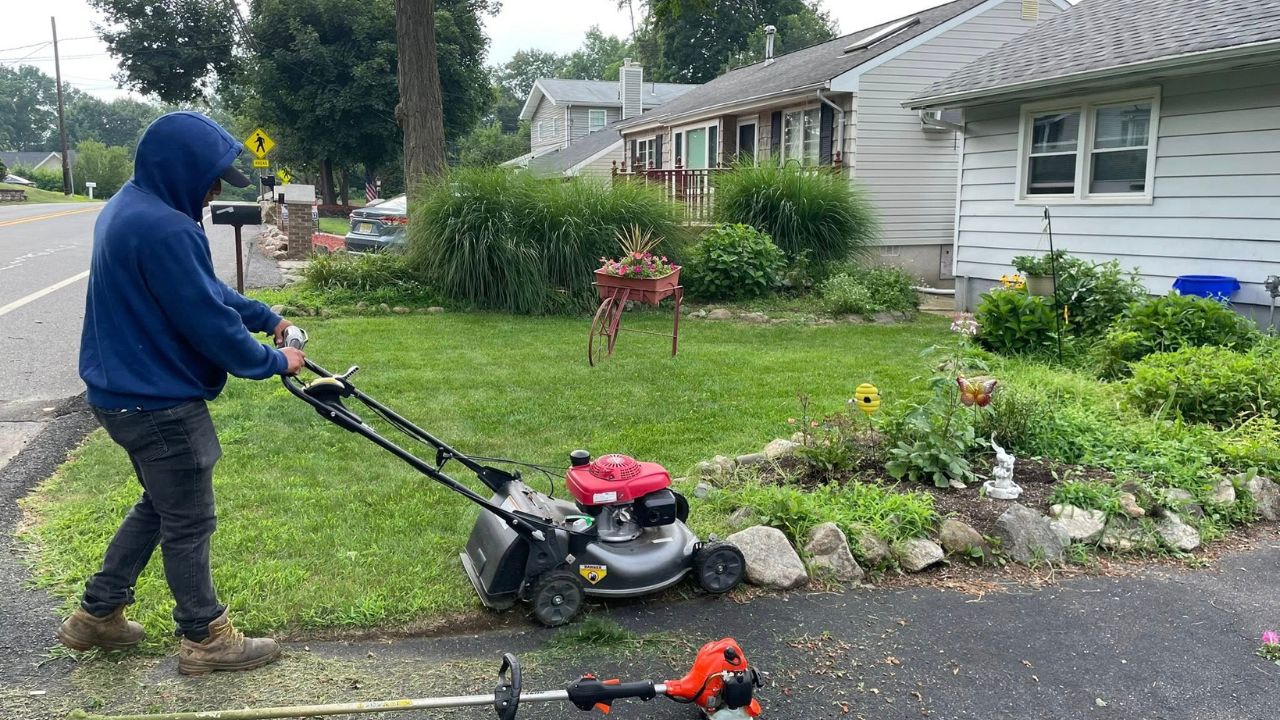
Ryan here. Every time I walk onto a property for the first time, I’m reading the lawn before I’ve even introduced myself properly. Not to judge anyone — I genuinely don’t care what shape the yard is in, that’s literally why I’m there. But a lawn holds information the same way a house does. You walk into someone’s kitchen and you can tell within thirty seconds whether they cook every night or order in. A lawn is the same thing.
Here’s what I actually see, and what it tells me, before a single word gets exchanged.
A Lawn That’s Mowed Too Short Tells Me the Previous Guy Was Rushing
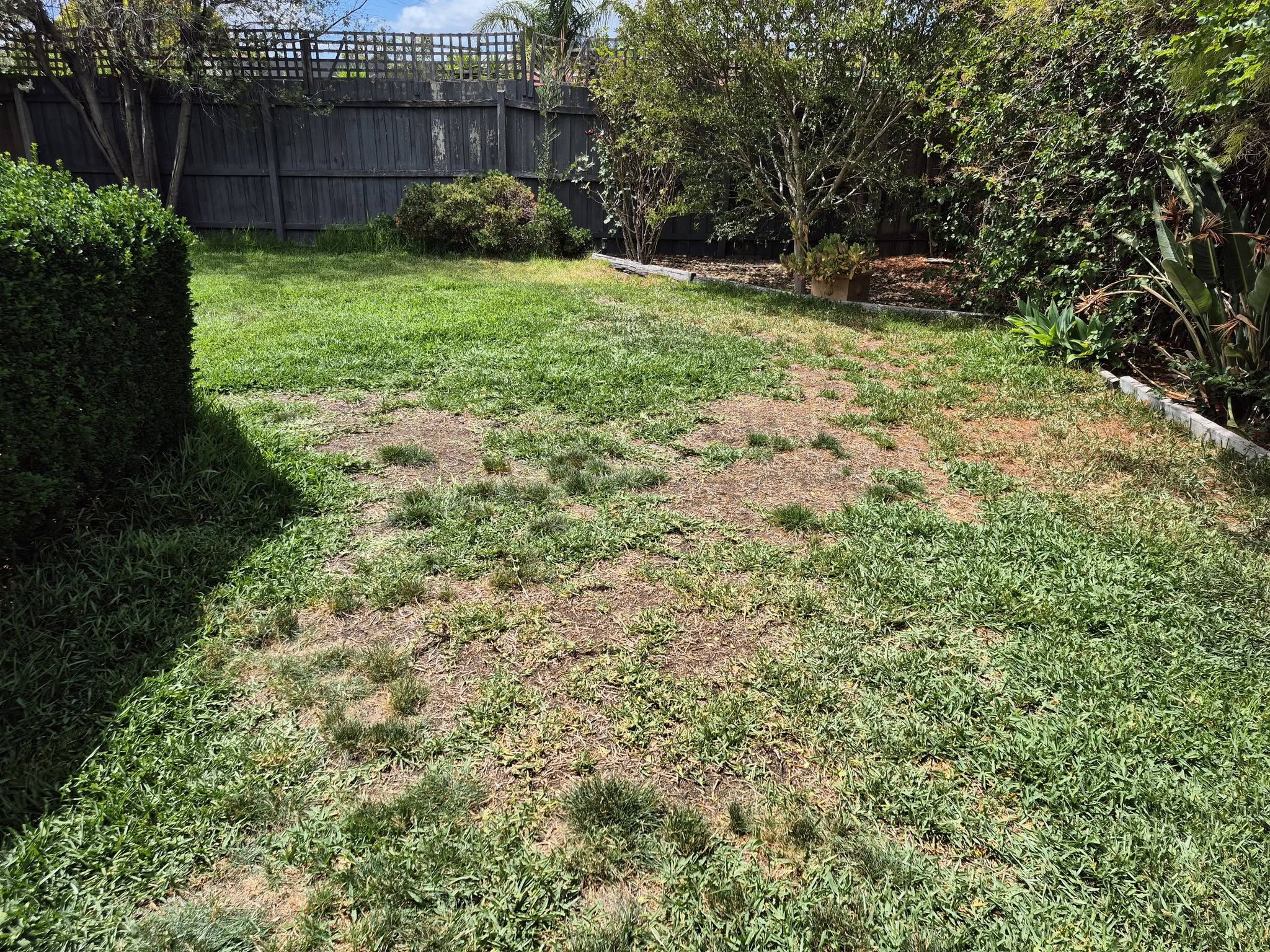
The first thing I check is mowing height. If the grass is cut below about two and a half inches, almost always the lawn is showing heat stress, thin patches in full sun, and weeds starting to creep into the open spots. That’s not a grass problem. That’s a crew that was moving too fast through too many properties in a day and had the deck set low so the lawn looks freshly cut for longer between visits.
It tells me the homeowner was probably paying for a service they trusted and had no reason to question, because the lawn looked neat from the curb. The damage is just happening underground and in the root zone where nobody notices until a patch goes brown and doesn’t come back.
Standing Water or Dry Channels Tell Me Nobody Mapped the Yard

If I see a low spot where water pools after rain, or a clear dry channel running through an otherwise green section, that tells me whoever was maintaining this property treated it like a single flat surface. In Sudbury that’s a significant mistake. Our terrain is not flat, our soil is not consistent, and rock close to the surface creates drainage variation that changes completely from one end of a yard to the other.
Nobody sat down and figured out what this specific yard actually does with water. They just showed up, mowed, and left. That pooling spot has probably been there for two seasons. The dry channel is following a rock shelf underneath that nobody ever put a shovel into. I’ve written about exactly this kind of missed diagnosis before — it’s the same thing I found in a Sudbury lawn where a previous contractor missed the real problem for three full years.
Uniform Green With One Dead Strip Tells Me the Homeowner Cares but Got Let Down
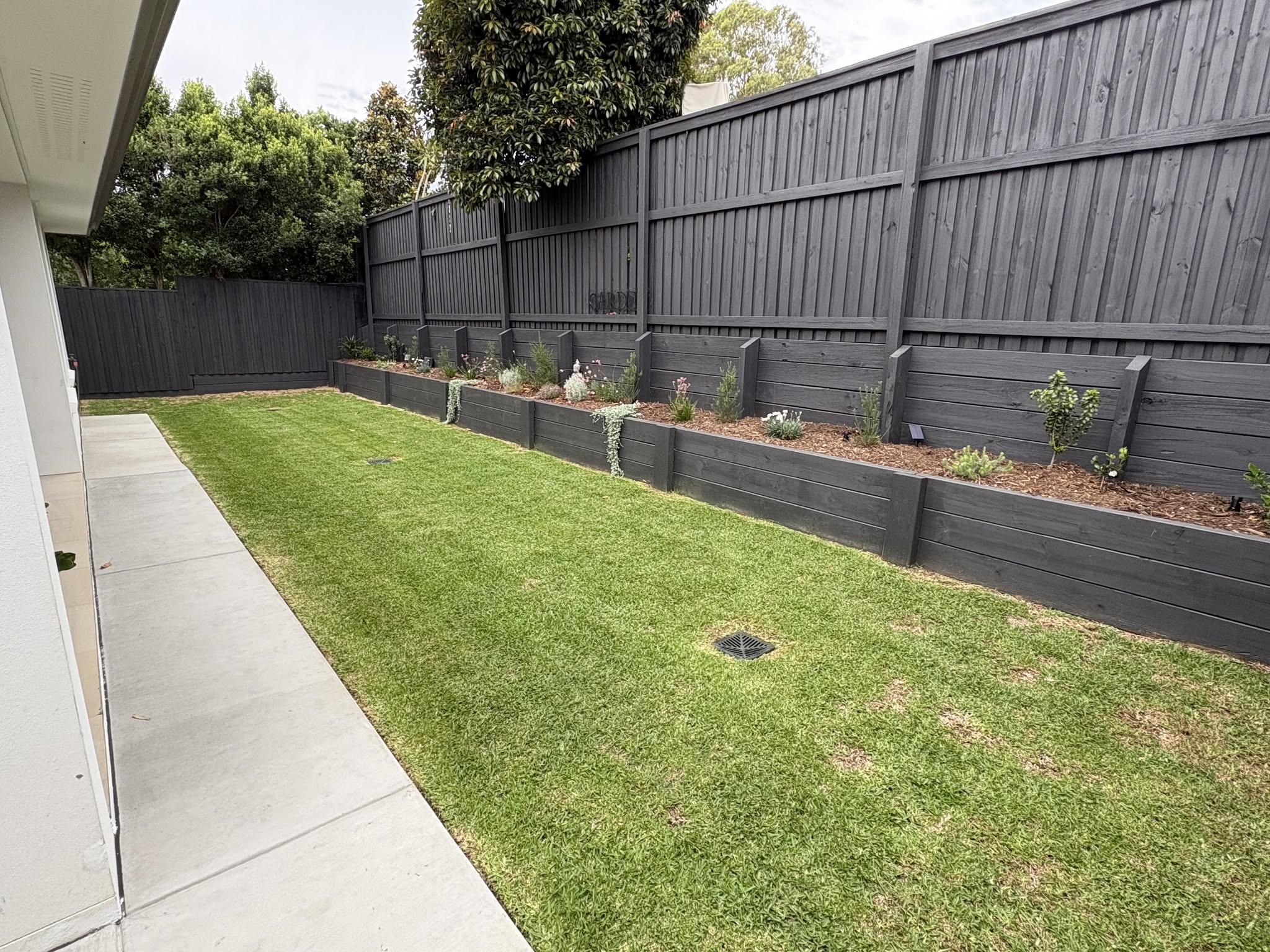
This one is actually the lawn I respect most when I walk onto it, because it tells me the homeowner is paying attention. Everything is in reasonable shape, someone’s been watering, the mowing height isn’t awful — but there’s one strip, usually along a fence line or a driveway edge, that just won’t green up no matter what gets tried.
That homeowner has noticed it, mentioned it, probably mentioned it more than once. The fact that it’s still there doesn’t mean they stopped caring. It means nobody ever looked at what’s actually happening in that specific spot. Shade, compaction, a rock shelf, drainage running the wrong way — any one of those things will kill a strip of grass permanently until the actual cause gets addressed. Fertilizer and seed on top of the wrong soil condition is just wasted money applied in the same place every spring.
Once that strip is finally fixed properly, the rest of the maintenance picture usually comes together fast. That’s when a simple weekly routine takes over and the yard stops requiring intervention. My 4-step Sudbury lawn routine that takes 12 minutes a week is exactly what I hand people at that point — it’s built to keep a lawn like this stable long term without any more chasing problems.
A Brand New Lawn With No Routine Yet Tells Me the Timing Is Perfect

Sometimes I walk onto a property and the lawn is genuinely new — either fresh sod, recently seeded, or a yard that belongs to someone who just moved in and hasn’t figured out a system yet. That’s actually my favourite situation to walk into, because there’s no bad history to undo. The slate is clean.
New homeowners especially get a lot wrong in the first season, not because they’re careless but because nobody explains what the first 90 days actually require versus what every season after that requires. Those are two completely different modes. If you just moved in, my 90-day Sudbury lawn plan for new homeowners is the thing I’d hand you before anything else — it maps out exactly what to do and when so you’re not guessing through your first full season.
And if sod just went down, the clock is already ticking on the most important window of the whole process. I break down exactly what those first three weeks require in the 21-day make-or-break window after sod installation — that one is worth reading before day seven if you haven’t already.
What the Lawn Never Tells Me
How busy you are. How much you know about grass. Whether you’ve ever hired someone before or never touched a lawn product in your life. None of that shows up in the yard, and none of it matters to how I approach a first visit.
What shows up is what’s been done, what’s been missed, and what the ground underneath is actually capable of supporting. That’s the only file I need. Everything else we can figure out together once I’m standing there.
If you want someone to actually walk your yard and read it properly instead of just quoting you a mowing schedule over the phone, take a look at our Sudbury lawn care services page. First visit is a real assessment, not a sales pitch.
