By Ryan Lingenfelter — Owner, Cutting Edge Lawn & Landscaping · Garson, Ontario · Serving Greater Sudbury since 2020
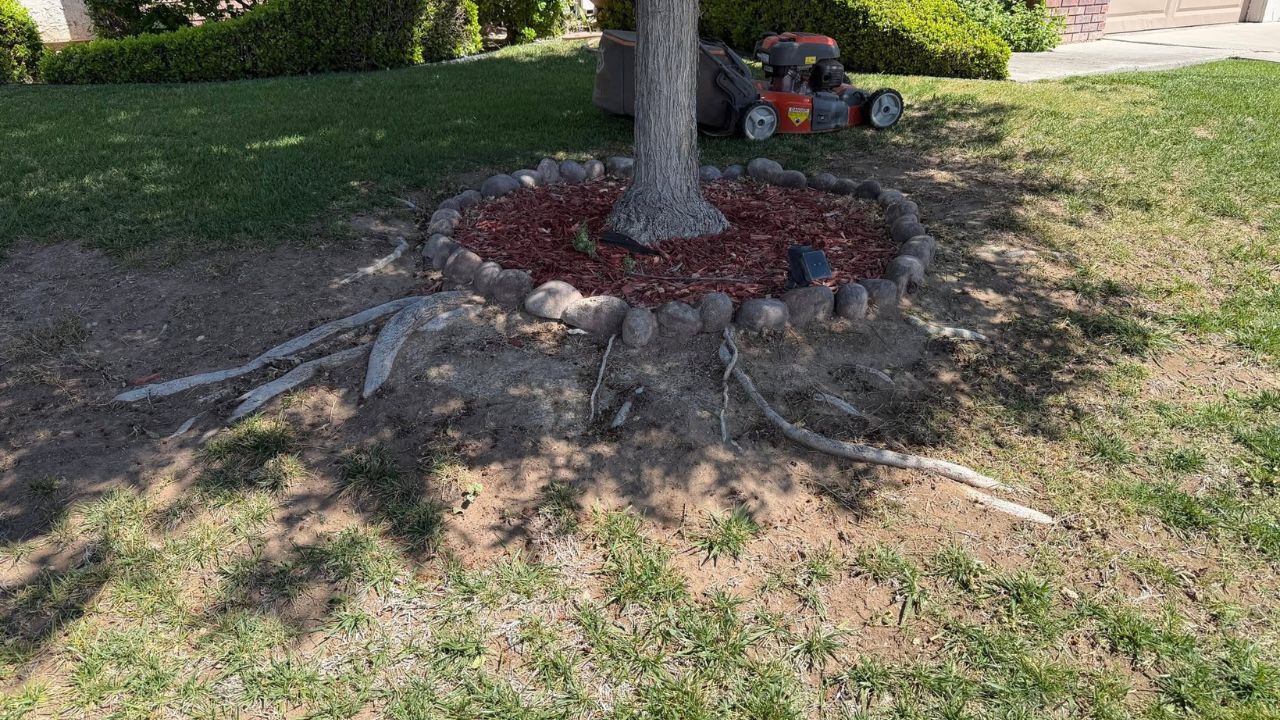
I get this call or message regularly across Greater Sudbury: a homeowner has noticed tree roots breaking through the surface of their lawn — visible ridges, sometimes thick woody roots, sometimes a network of smaller surface roots making mowing difficult and creating tripping hazards. They want to know what to do about it.
This is closely related to what I wrote about with the specific trees that compete most aggressively with Sudbury lawns — but the surfacing root problem is distinct enough, and common enough, to deserve its own straight answer.
Here’s why this happens so frequently in Sudbury specifically, what your real options are, and what I’d actually recommend depending on your situation.
Why Roots Surface More in Sudbury Than Other Places
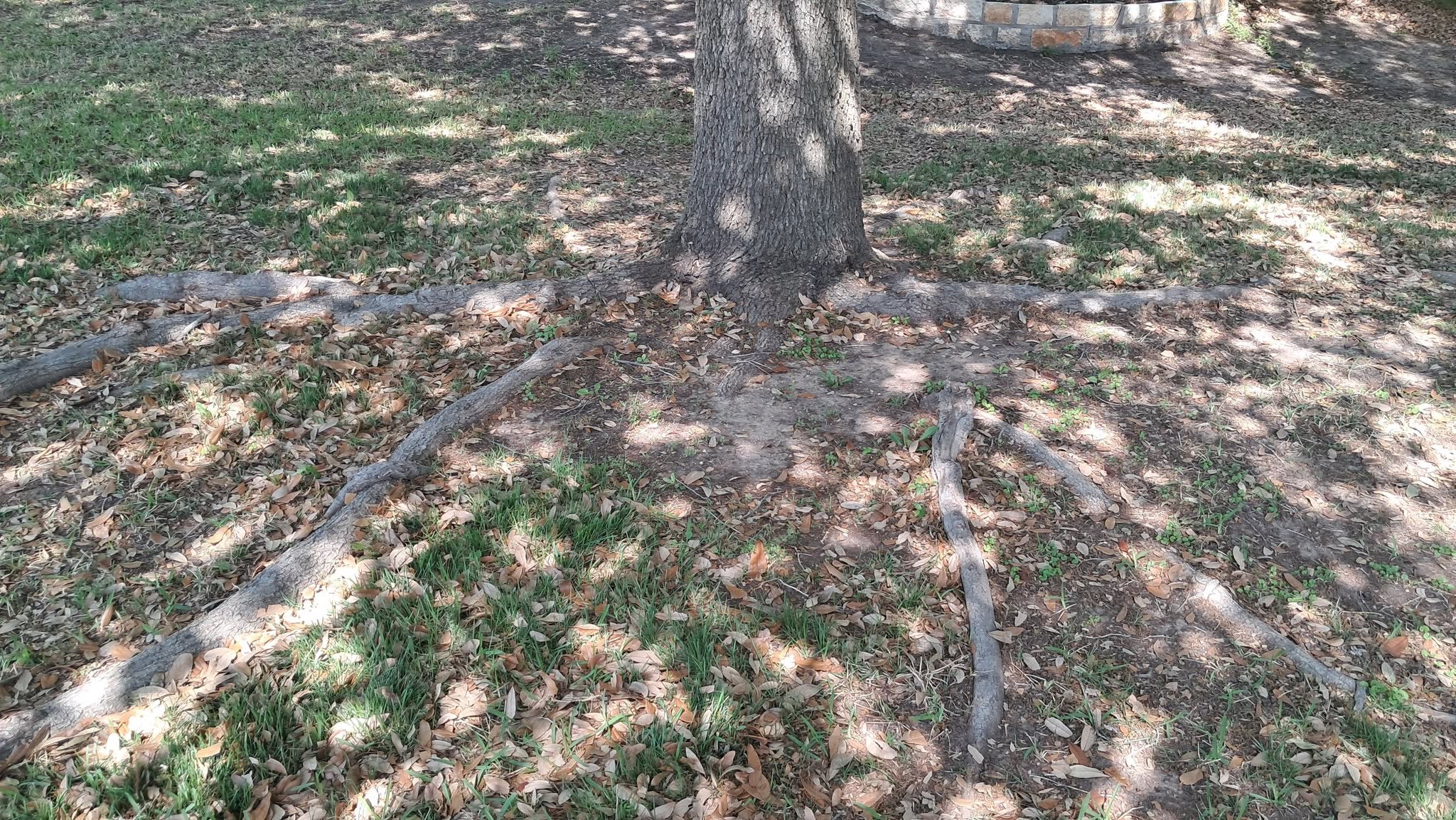
Surfacing roots aren’t random and they’re not a sign that something has gone wrong with the tree specifically — they’re a predictable result of what’s underneath the soil, which in Greater Sudbury is often the Canadian Shield.
Tree roots grow where conditions allow oxygen, moisture, and nutrients to be accessible. In areas with deep topsoil, roots can grow down as well as out, distributing the root system through a larger volume of soil and staying below the surface for longer as the tree matures. Sudbury’s shallow topsoil over bedrock changes this fundamentally. Roots hit rock, hardpan, or heavily compacted subsoil at a shallower depth than they would elsewhere, and a tree’s root system responds by spreading laterally and staying closer to the surface — because that’s where the workable soil actually is.
As the tree matures and the root system thickens, what started as roots growing just below the surface eventually pushes up through it. This is more pronounced on properties with already-thin topsoil — common on Sudbury new builds where construction stripped the original soil layer — and on trees with naturally shallow, spreading root habits like the species I’ve written about previously.
Soil erosion and compaction around the base of a tree over years also contributes — as surrounding soil settles, compacts, or erodes slightly from foot traffic and water movement, roots that were originally just below grade become more exposed without the root itself actually growing upward.
What You Should Never Do
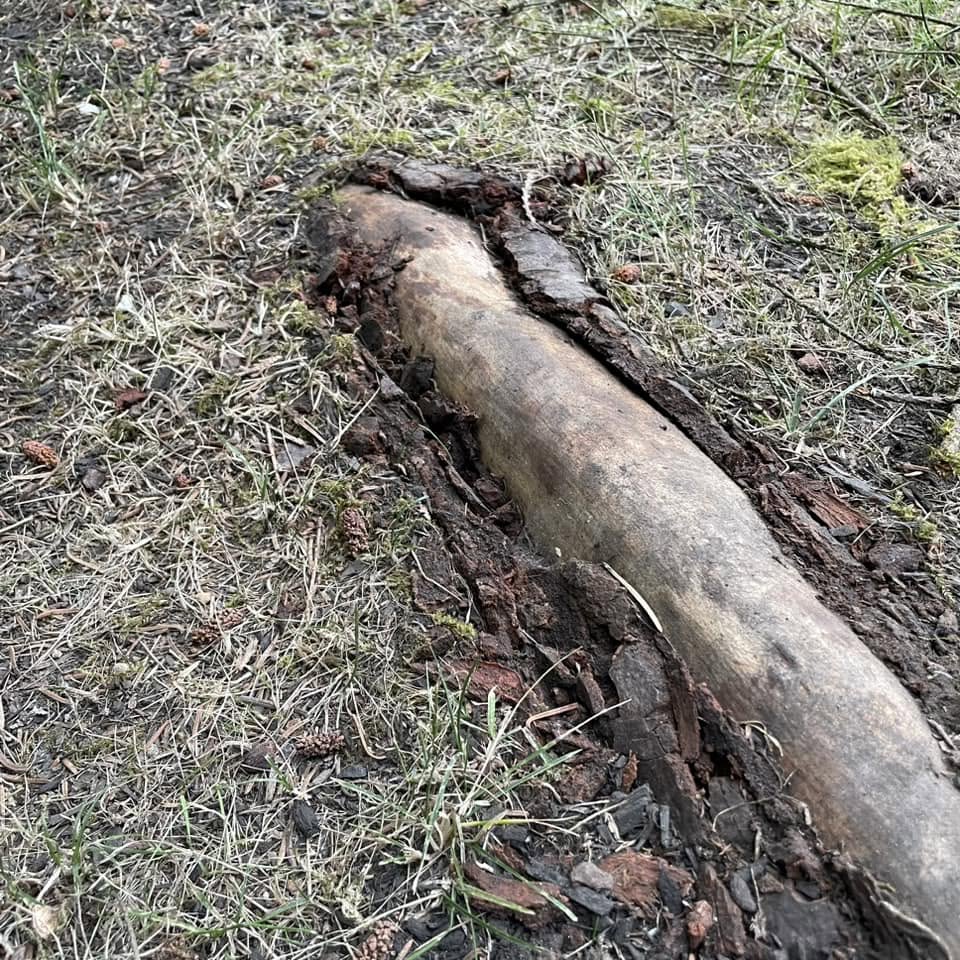
Before I get to the actual options, I want to be direct about the mistake I see homeowners make most often: cutting or removing surfacing roots without understanding the consequences.
It’s tempting. A root is in the way of mowing, it’s a tripping hazard, it looks bad — cutting it out seems like the obvious fix. But roots that have surfaced are often significant structural and feeding roots for the tree, not minor surface offshoots. Cutting major roots can destabilize a mature tree, particularly removing roots on one side which creates an imbalance that increases the risk of the tree falling in high wind — a real concern given Sudbury’s exposure to significant winter and spring storms. Cutting roots also creates entry points for disease and decay organisms that can compromise the tree’s health over subsequent years, sometimes not becoming apparent until well after the cutting was done.
As a rule, roots larger than about two inches in diameter that are within the tree’s critical root zone — generally considered to extend at least as far as the canopy’s drip line — should not be cut without consulting an arborist who can assess the specific risk for that particular tree and root. This isn’t lawn care advice exactly, but it’s important enough that I tell every homeowner who asks me about surfacing roots, because the wrong move here can cost far more than a difficult lawn section — it can mean losing a mature tree or creating a safety hazard.
What Actually Works — The Real Options
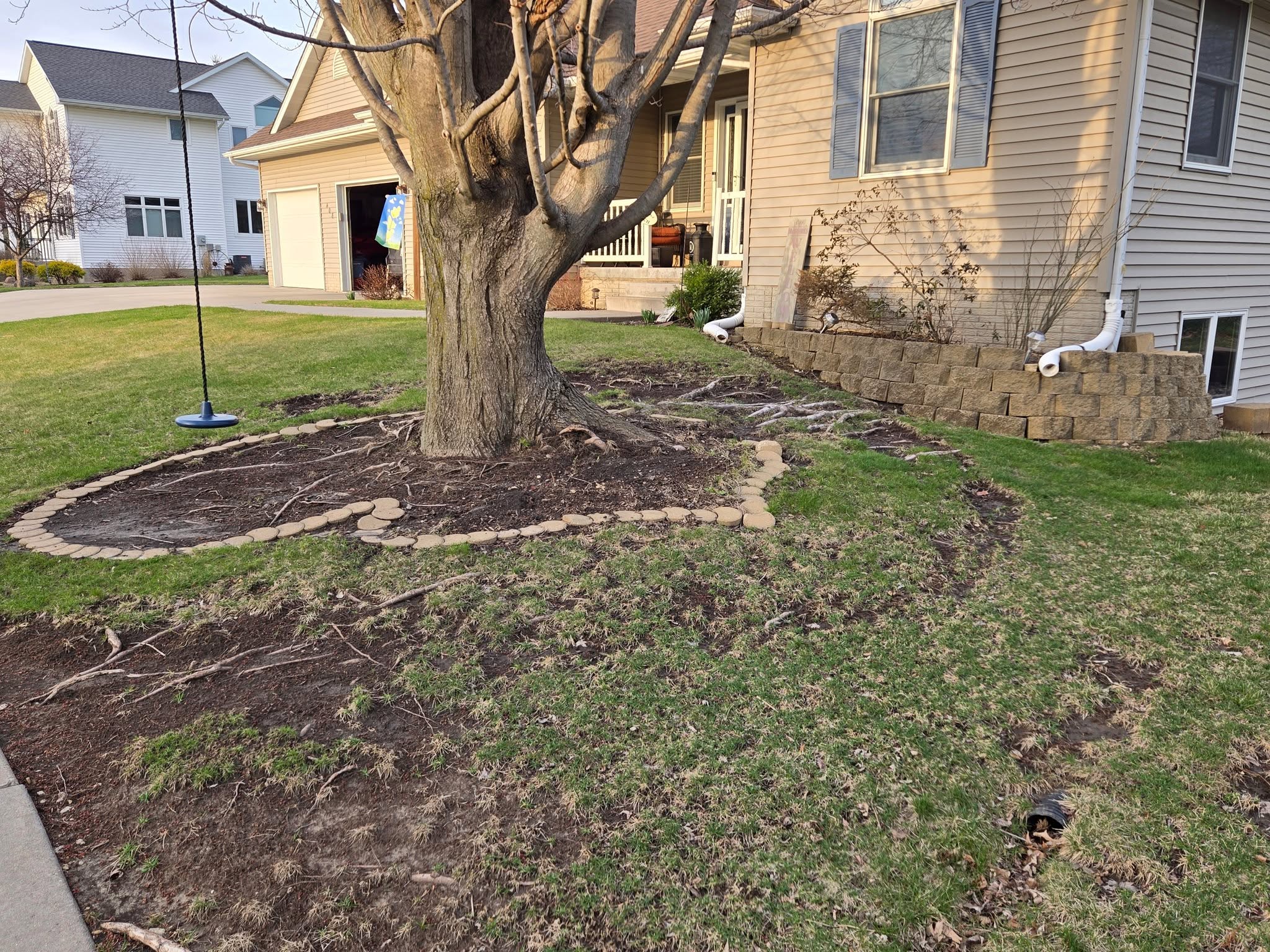
Given that cutting major roots usually isn’t a safe option, here’s what actually works to manage the situation.
Top dressing with soil — done carefully and in moderation. Adding a thin layer of quality topsoil over surfacing roots can help re-cover them and reduce the immediate mowing and tripping hazard. The key word is thin — no more than an inch or two at a time, applied gradually over multiple seasons if significant coverage is needed. Piling soil too deep over roots in a single application can actually suffocate the tree by cutting off the oxygen exchange those surface roots depend on. This is a slow, careful process, not a one-time fix.
Mulch rather than soil, in many cases. A layer of wood chip mulch, three to four inches deep, over the affected root zone is often a better solution than soil top dressing. Mulch protects exposed roots, retains moisture, suppresses competing weed growth, and doesn’t carry the same suffocation risk as deep soil application. It also eliminates the need to mow over that section at all, which removes the mowing hazard entirely rather than just reducing it. Incorporating mulched zones into regular property maintenance is a practical long-term approach for areas with significant surface roots.
Accept the boundary and redesign that section of the yard. For trees with extensive surfacing roots, the most realistic long-term answer is often accepting that grass isn’t the right ground cover in that specific zone and redesigning it intentionally — a mulched bed, a seating area built around and over the roots with appropriate clearance, ground cover plants that tolerate root competition better than turf grass. This isn’t giving up on the area; it’s working with what the tree actually does rather than fighting it every season.
Selective, professional pruning of minor surface roots. Small surface roots — typically under an inch or so in diameter, well outside the tree’s primary structural root zone — can sometimes be selectively pruned by a professional without significant risk to the tree. This isn’t something I’d recommend doing yourself with a shovel; it requires understanding which roots are safe to address and which aren’t, which is arborist-level knowledge.
How to Decide What’s Right for Your Sudbury Property
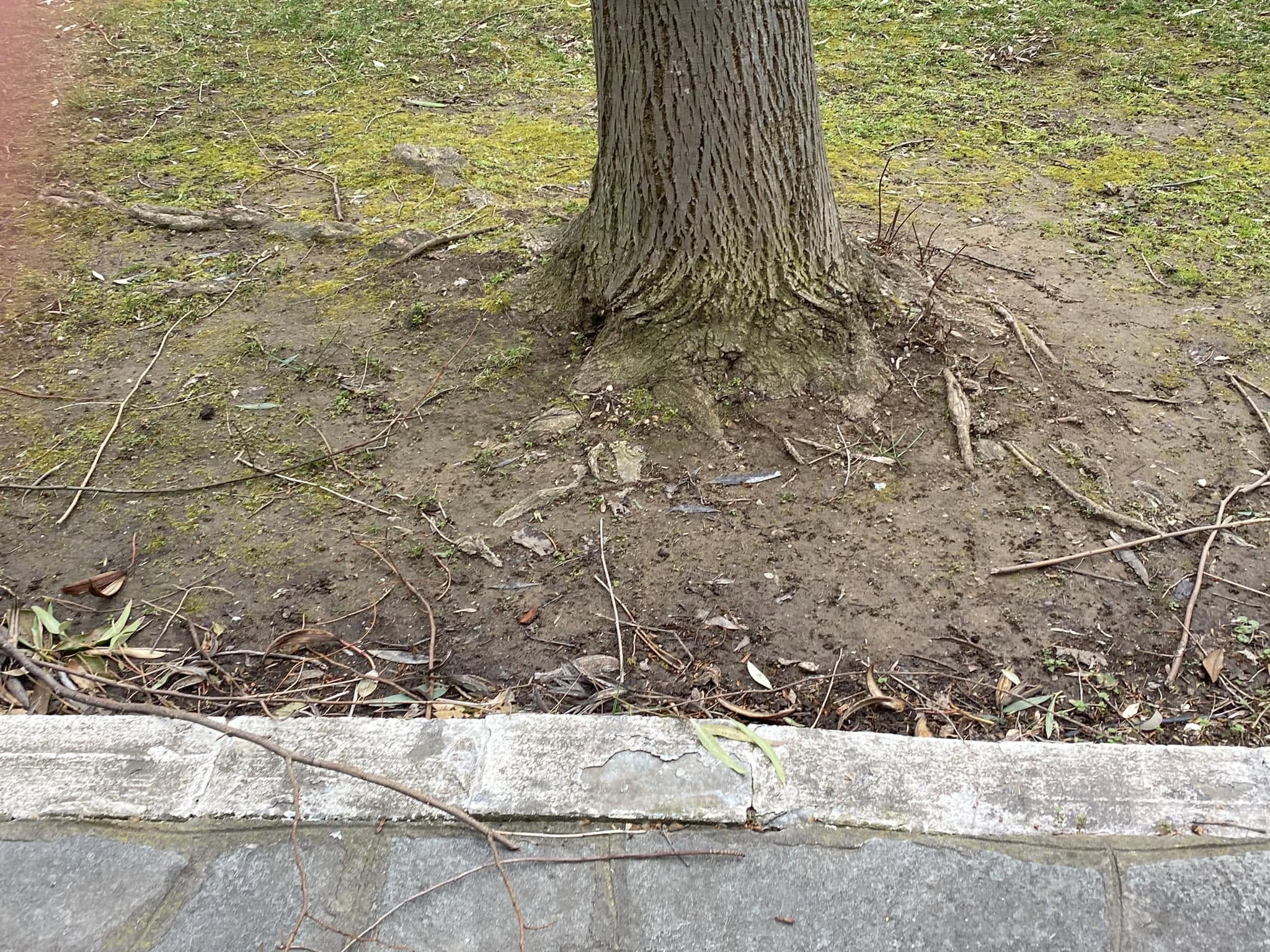
The right answer depends on the severity of the surfacing, the species of tree, the value you place on that specific tree, and how much of your lawn is actually affected.
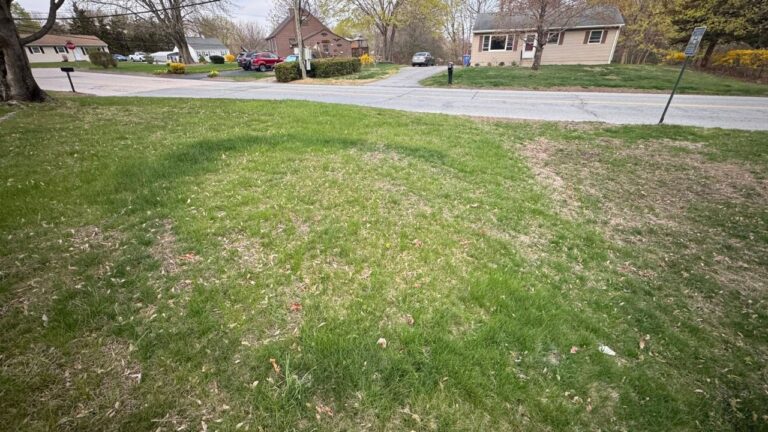
For minor surfacing — a few roots visible but not significantly disrupting the lawn surface — light, occasional top dressing combined with raising your mowing height in that section is often enough. Taller grass disguises minor root presence and reduces the risk of scalping over a slight root ridge.
For moderate surfacing — roots clearly visible across a meaningful area, mowing genuinely difficult, grass struggling around the roots — mulching that zone is usually the practical answer. Trying to maintain lawn against persistent underlying conditions that work against it, season after season, costs more in time and frustration than redesigning the affected area once.
For severe surfacing — a significant portion of the root system exposed, real safety concerns from tripping hazards, the tree clearly approaching the end of what the available soil can support without conflict — that’s the situation where a conversation with an arborist about the tree’s long-term prospects, alongside redesigning the ground around it, makes sense.
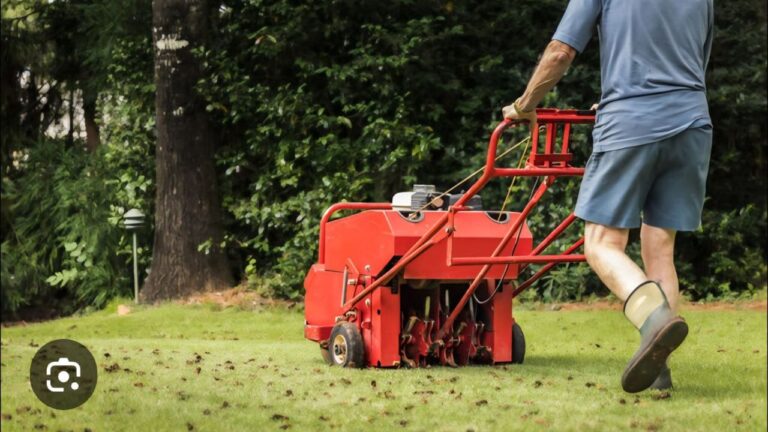
Whatever the severity, the soil and lawn work around the unaffected parts of your property — core aeration, proper cutting height, seasonal maintenance — should continue as normal. One tree’s root system doesn’t change what the rest of your Sudbury lawn needs.
If you have surfacing roots on your property and you’re not sure what the right approach is, reach out. I’ll come take a look, give you my honest read on the lawn side of the situation, and let you know if it’s the kind of thing that also warrants a conversation with an arborist about the tree itself.
— Ryan Lingenfelter
Cutting Edge Lawn & Landscaping, Garson, Ontario
📞 705-507-6787
Serving all of Greater Sudbury — Garson, Hanmer, Val Caron, Lively, Chelmsford, Azilda, Capreol, and Sudbury proper. We offer core aeration, property cleanup, grass cutting, sod installation, and full lawn maintenance. Free quotes, no pressure.
Get a Free Quote |
Call 705-507-6787