
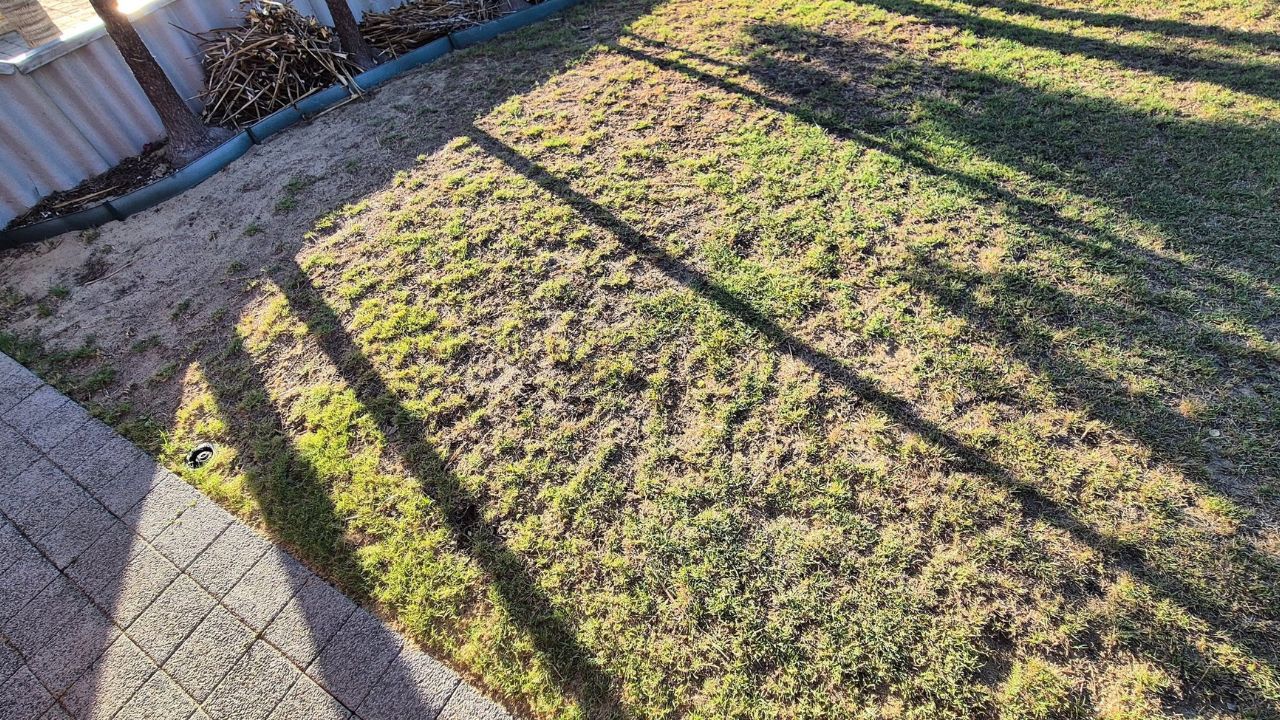
Every couple of summers, Sudbury gets a real dry stretch. Three, four, sometimes five weeks with little to no rain. And every time it happens, I notice the same thing driving around to job sites: some lawns turn brown and crispy within days. Others — sitting right next door, same sun exposure, same general climate — stay green or only lightly dormant the whole time. No sprinkler running. No irrigation system. Nothing.
People assume it’s luck. Or they assume the homeowner is secretly watering at 5am before anyone’s awake. Most of the time, neither is true.
The lawns that get through a Sudbury drought without irrigation aren’t winning a genetic lottery. They’ve been built — usually over a couple of seasons, sometimes longer — to handle exactly this kind of stress. I want to walk you through what those lawns actually have going for them, because every one of these things is something you can do to your own lawn. None of it requires an irrigation system.
They Have Roots That Go Where the Water Actually Is
This is the single biggest factor and it’s not close.
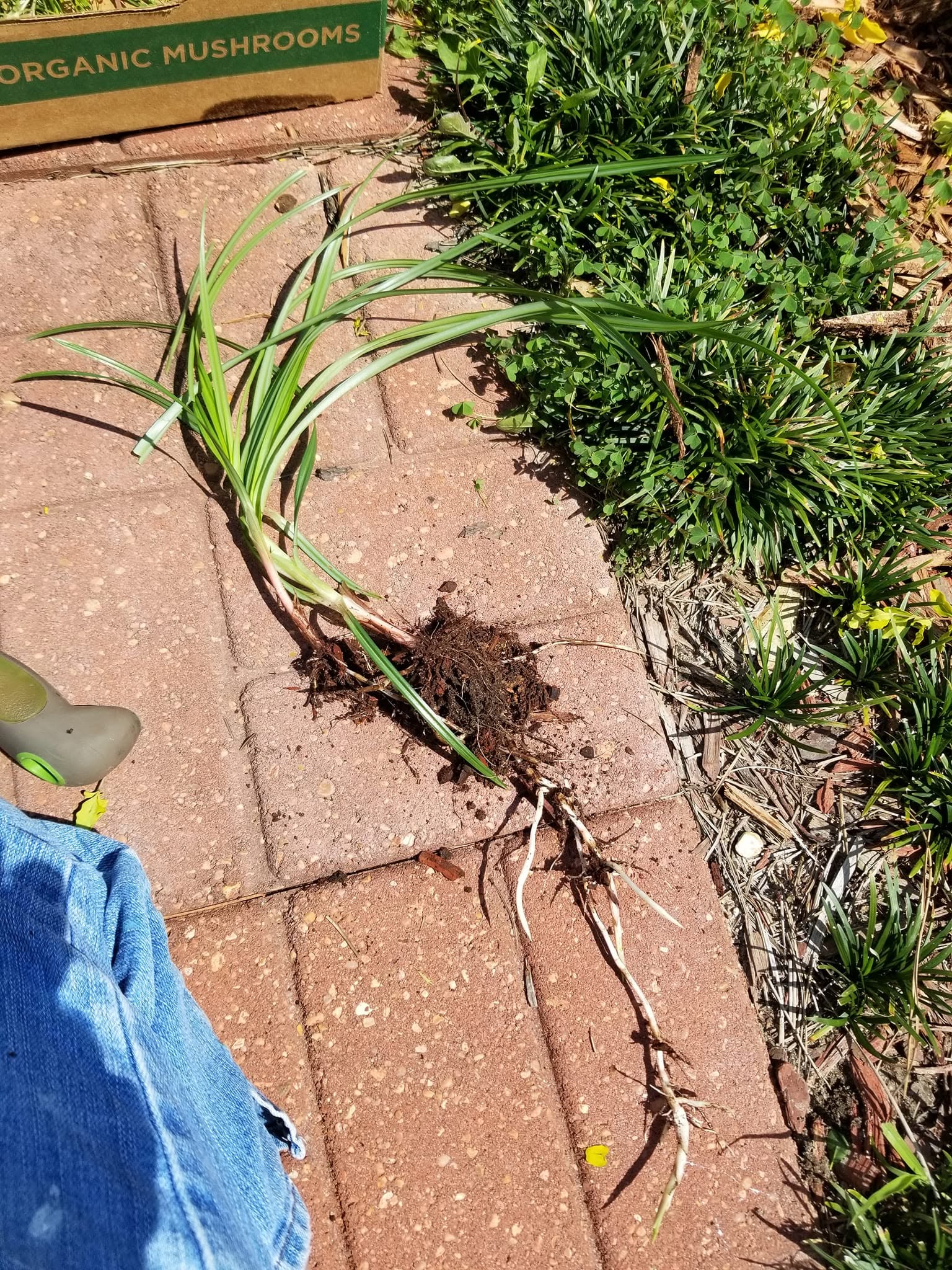
During a dry stretch, the top few inches of soil dry out fast. That’s true everywhere. What separates a lawn that survives from a lawn that doesn’t is how far down the root system goes to find moisture that’s still there. Soil six or eight inches down often retains meaningfully more moisture than the surface, even three or four weeks into a dry period. A lawn with deep roots can access that. A lawn with shallow roots can’t — it’s entirely dependent on whatever’s happening at the surface, which during a drought is nothing.
Root depth comes down to two things, both of which I talk about constantly because they matter this much: mowing height and soil condition.
Grass mowed at three to three and a half inches consistently builds deeper roots than grass cut short. This isn’t a minor effect — it’s one of the most well-documented relationships in turf science, and I see it play out on real Sudbury properties every single drought. The lawns I service that are kept at the right mowing height handle dry stretches noticeably better than lawns cut at two inches, even when both lawns get identical rainfall.
Soil condition matters just as much. Compacted soil physically prevents roots from pushing down, no matter how tall you let the grass grow. This is why core aeration is the foundation of drought resilience, not a side benefit. Lawns that get aerated every fall develop the loose soil structure that lets roots actually reach six or eight inches down. Lawns that have never been aerated are often fighting against a compacted layer just a few inches below the surface — and no amount of careful mowing fixes that on its own.
They Were Established the Right Way From the Start
A lawn’s drought resilience often traces back to how it was established in the first place — sometimes years before the current homeowner ever dealt with a dry summer.
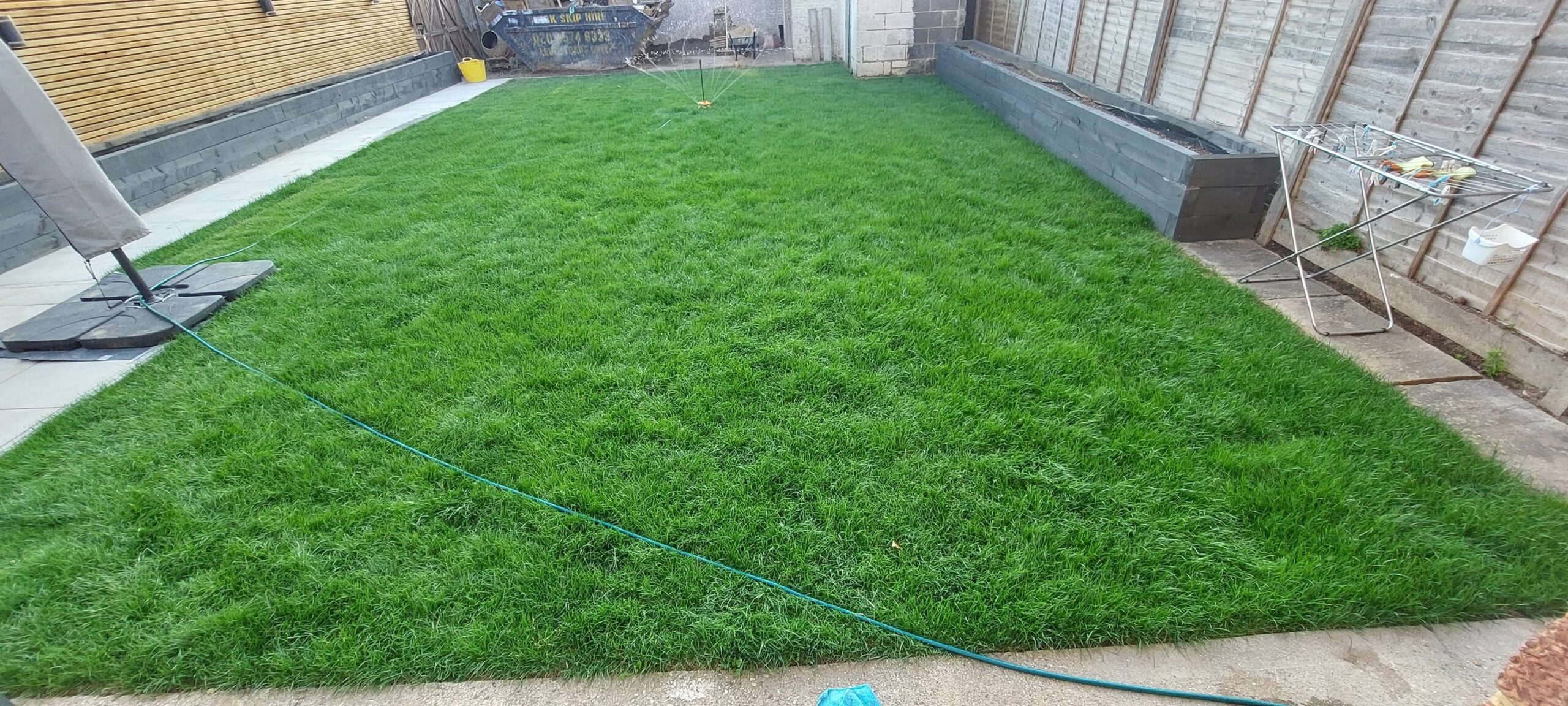
Lawns grown from seed on properly prepared soil tend to develop strong root systems because the seedling has to push roots down to survive from day one. Lawns that were sodded on a properly graded, properly prepped base also develop strong roots — but only if the prep work was done right. This is something I see constantly in my own work: sod installation that skipped proper grading, used thin or poor-quality topsoil, or was laid without addressing compaction underneath produces a lawn that looks fine for a season or two and then struggles the moment a real dry stretch hits. The sod rooted, but it rooted shallow because that’s all the prepared soil allowed.
On the other hand, I’ve installed sod on properly excavated, graded, and topsoil-prepped beds that went through a serious drought eighteen months later and held up better than lawns three times their age. The difference wasn’t the sod itself — most quality sod is similar — it was everything that happened to the ground before the sod ever arrived.
If your lawn has never handled a dry stretch well, it’s worth asking how it was originally established. A lawn that was seeded or sodded on inadequate soil prep is starting every drought already behind. Fixing that retroactively through aeration and topdressing over a few seasons helps, but a lawn built right from the start has an advantage that’s hard to fully replicate after the fact.
They Go Dormant on Purpose — and the Homeowner Lets Them
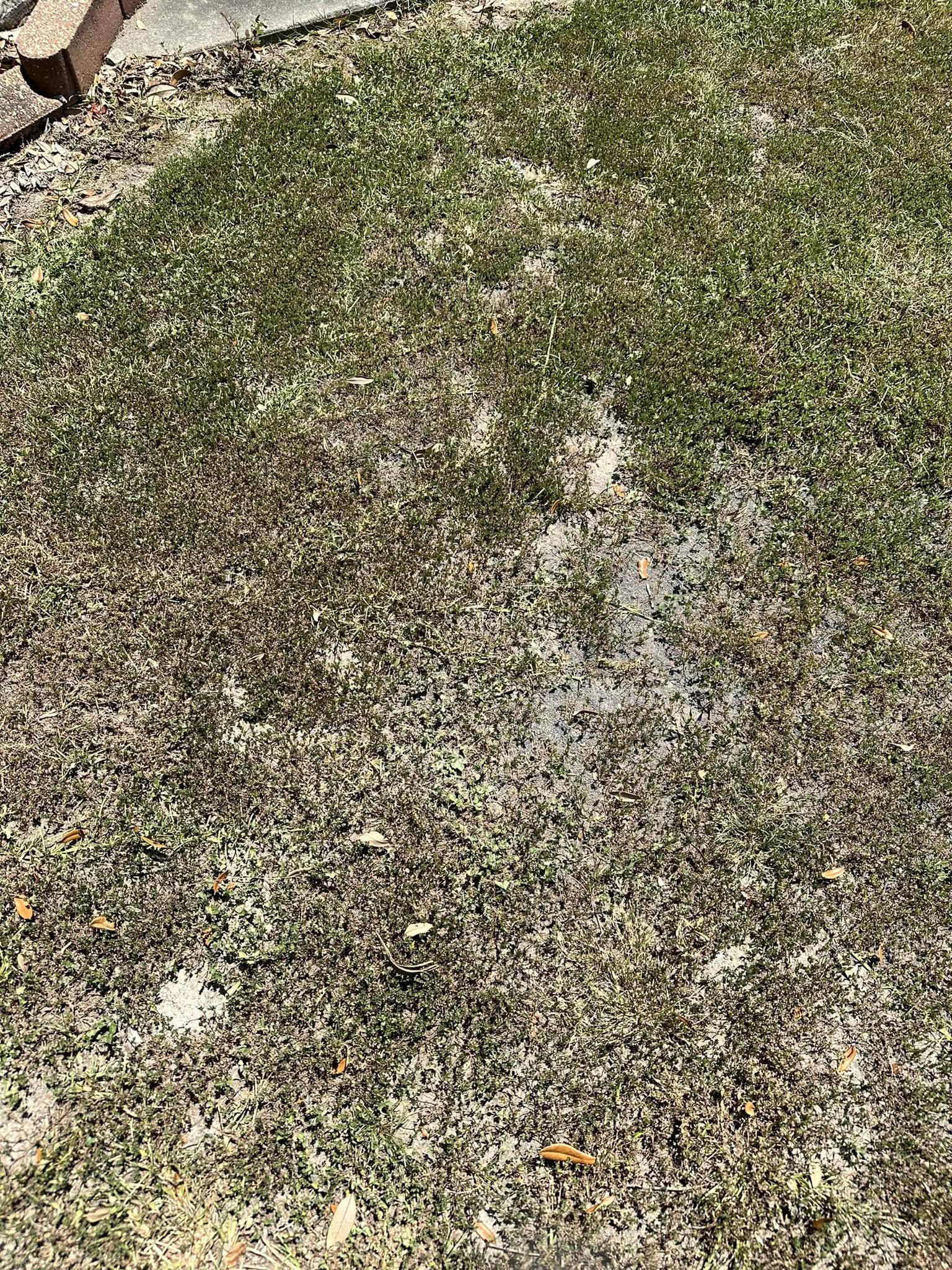
This is the one that surprises people, because it sounds counterintuitive. Some of the toughest drought-surviving lawns I see in Sudbury go fully brown during a dry stretch — and that’s exactly why they survive.
Cool-season grass — which is what most Sudbury lawns are — has a built-in dormancy mechanism for exactly this situation. When water becomes scarce, the plant shuts down the visible blades to conserve resources and protects the crown, the part of the plant at soil level that the whole root system depends on. The grass turns brown. It looks dead. It’s not. It’s playing dead, biologically, while waiting for moisture to return.
I’ve written about this in detail in the context of what happens to Sudbury lawns during a heat dome, and the same principle applies to extended drought without an associated heat event. The lawns that survive without watering are often the ones where the homeowner recognized dormancy for what it was and let the process happen, rather than panicking and either overwatering inconsistently or, worse, mowing and stressing an already-struggling lawn.
The mistake that kills a dormant lawn isn’t the lack of water — it’s interfering with dormancy. Light, inconsistent watering during a drought can pull a lawn partially out of dormancy without giving it enough moisture to actually thrive, which wastes the energy reserves the plant was conserving. Mowing a dormant lawn adds physical stress at the worst possible time. Foot traffic on dormant grass damages blades and crowns that have no ability to recover until conditions improve. The lawns that come through drought best are often the ones that were simply left alone to do what cool-season grass is built to do.
The exception, worth noting clearly: if a drought goes on long enough — typically beyond four to six weeks with zero moisture — even dormant grass needs some water to keep the crown alive. Complete neglect through an extended drought can push a lawn past the point dormancy can protect it. A deep watering every couple of weeks during a prolonged dry stretch, even just enough to keep the crown alive, is different from daily watering trying to keep the lawn green throughout.
They’re Thick Enough That the Soil Underneath Stays Cooler and Moister
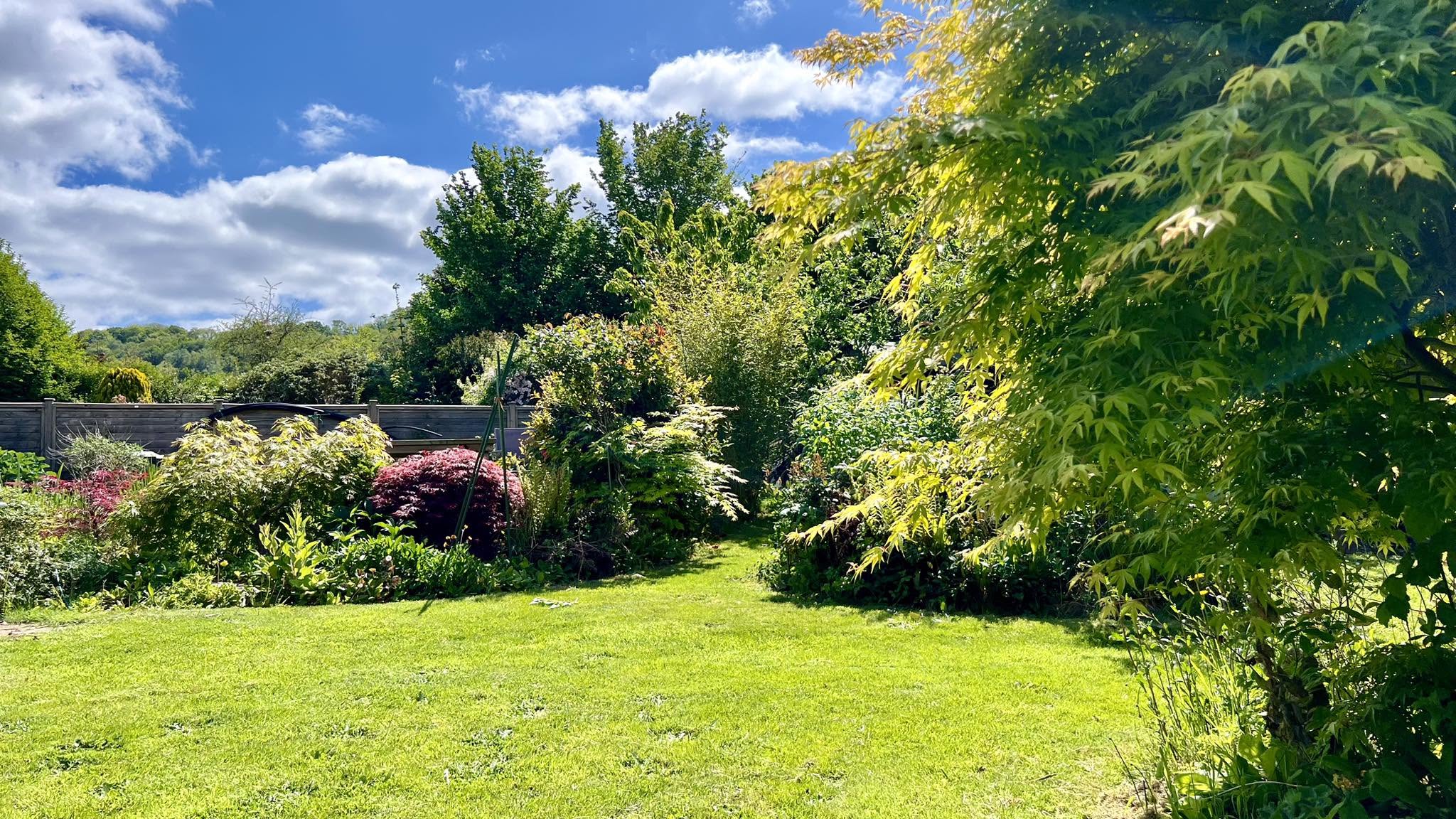
The last factor is one most homeowners never think about: grass density itself acts as protection for the soil underneath.
A thick, dense lawn shades the soil surface from direct sun. That shading keeps the top layer of soil noticeably cooler than bare or thin soil exposed to direct sunlight, and cooler soil loses moisture to evaporation more slowly. A thin, patchy lawn has bare soil exposed between sparse blades of grass — that soil heats up fast, dries out fast, and offers the root system nothing to work with.
This is part of why the lawns that handle drought best are usually also the lawns I’d describe as having the traits of the best-looking lawns I see across Greater Sudbury every July — thick, well-rooted, properly maintained turf doesn’t just look better, it’s physically better equipped to handle stress when conditions turn dry.
Building that density comes down to consistent overseeding over time, particularly in late summer or early fall when soil temperatures and moisture conditions favour germination. A lawn that gets thin patches filled in year after year develops the kind of continuous canopy that protects the soil beneath it. A lawn that’s allowed to thin out unchecked loses that protection, and the bare patches that develop become the first areas to fail in the next dry stretch — which then thins the lawn further, which makes the next drought worse. It compounds in the wrong direction if nobody intervenes.
Building Drought Resilience Into Your Own Lawn
None of what I’ve described here is complicated or expensive on its own. It’s mowing height, annual aeration, proper establishment if you’re starting fresh, consistent overseeding to maintain density, and the discipline to let dormancy happen instead of fighting it inconsistently.
The lawns that survive Sudbury droughts without watering didn’t get there by accident, and they usually didn’t get there in a single season either. It’s the compounding effect of doing the right things consistently over a few years. The good news is that if your lawn currently turns brown and crispy at the first dry week, it’s not a permanent condition — it’s a sign of what hasn’t been done yet, and every one of those things is fixable.
If you want to know specifically where your lawn stands and what it would take to get it into drought-resilient shape, I’m happy to come out and take a look.
📞 Call or text me directly: 705-507-6787
Or fill out the free quote form here.
— Ryan Lingenfelter
Owner, Cutting Edge Lawn & Landscaping
Garson, Ontario
