
By Ryan Lingenfelter — Owner, Cutting Edge Lawn & Landscaping · Garson, Ontario · Serving Greater Sudbury since 2020
I didn’t recognise the number when it came in. It was a February afternoon — off season, quieter than summer, the kind of afternoon where calls are usually suppliers or someone planning ahead for spring. I picked up.
The woman on the other end said her name. I placed her immediately — I’d done a sod installation at her property the previous August. New Sudbury area, decent-sized backyard, a job that had gone well by my read. We’d done the soil prep properly, laid the sod in good conditions, and she’d followed the watering protocol I’d given her. When I’d last seen the property in September, the sod was established and looking good.
That was six months ago. I hadn’t heard from her since.
She said: “I wanted to call you because I need to tell you something, and I wasn’t sure I was going to.”
I sat down.
What She’d Been Dealing With That I Didn’t Know About
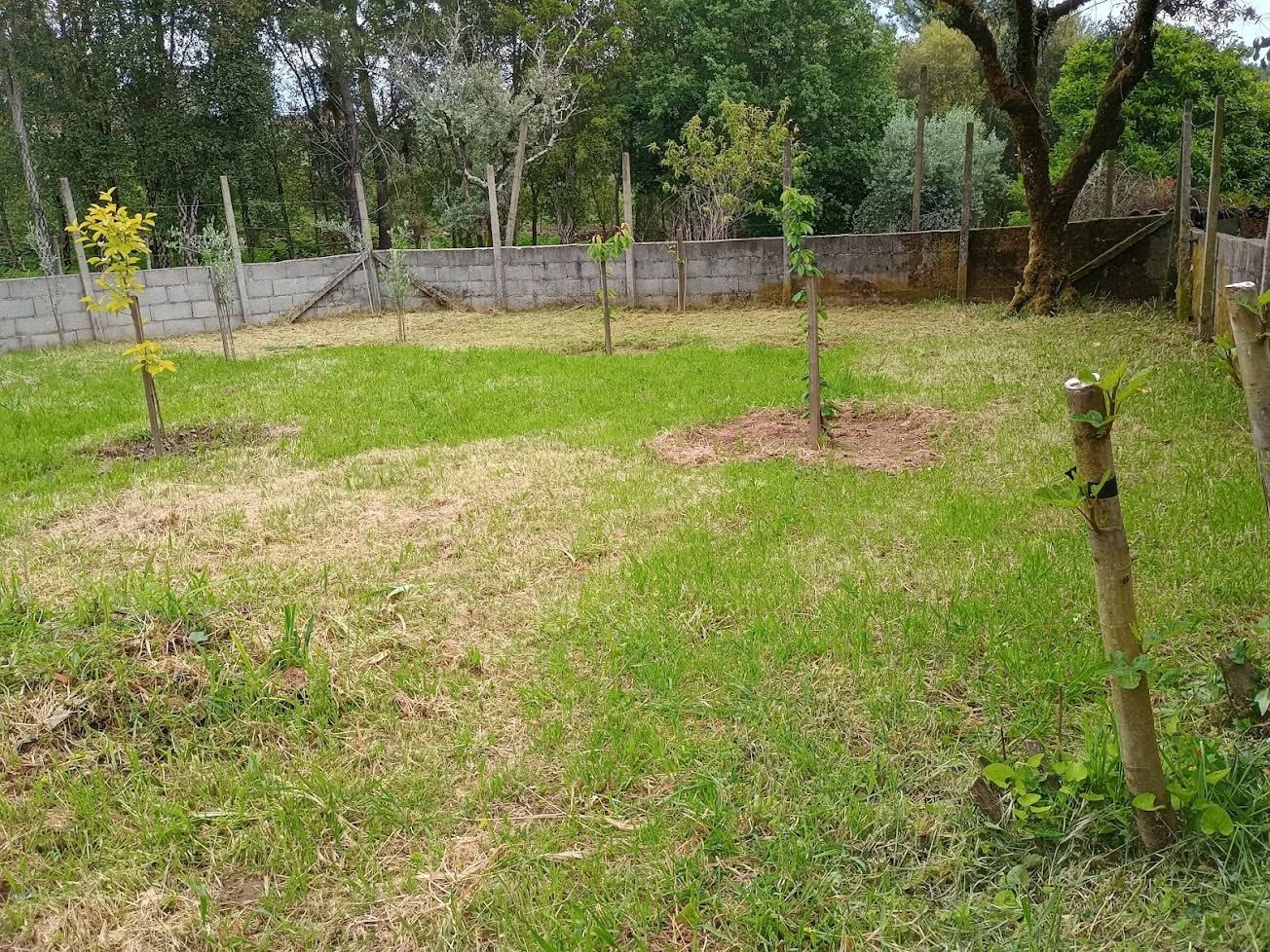
She told me that in November, after the first hard frost, she’d noticed sections of the sod lifting at the edges. Not dramatically — subtle curling at the borders of certain sections, a few areas where the join between rolls was separating slightly. She’d been watching it through the fall and hadn’t called because she wasn’t sure if it was normal — the first winter after a sod installation, things settle and freeze and she didn’t know what to expect.
By January she’d done some research. What she found concerned her. Sod that lifts at the edges after the first winter often means the edges didn’t root properly — that the contact between the sod and the soil underneath wasn’t complete when the frost hit, and the freeze-thaw cycles had worked at the unsealed joints. In Sudbury’s particularly harsh freeze-thaw cycle, this kind of edge lifting can be more pronounced than in milder climates.
She’d called to tell me she was worried the installation had a problem. And then she said the thing that stopped me.
“I want you to know I’m not calling to complain or ask for anything. I just thought you should know what happened, because you seemed like someone who would actually want to know.”
I sat with that for a moment. She wasn’t calling to dispute the bill or demand a fix or threaten a bad review. She was calling to give me information she thought I’d find useful. Six months later. In February. Because she thought I cared about the outcome.
That’s not a call most lawn care companies get.
What I Did — and What I Found When I Went Back Out
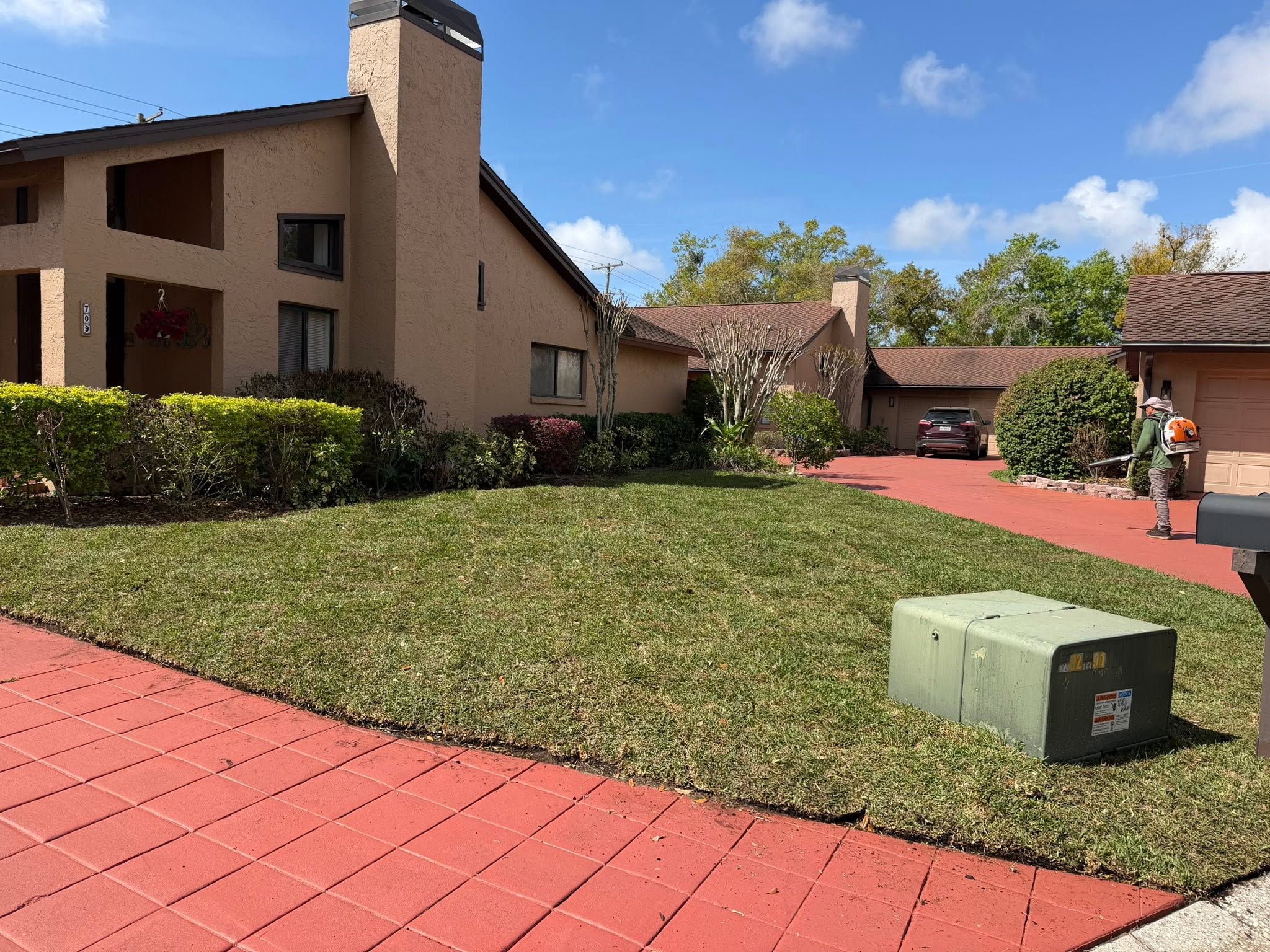
I told her I was coming out to look at it. Not in spring — that week. I wanted to see what was happening before the ground thawed and conditions changed.
What I found was more nuanced than a failed installation. Most of the sod had rooted properly and was in good shape — the interior sections, where the rolls had been placed flat with good soil contact, were solid. The issue was concentrated at the edges of the installation where the sod met the existing lawn border, and along two of the seam lines where rolls had been joined.
Looking at it in February, I could see what had happened. The edge sections had been rolled and pressed at installation, but the border area had slightly less soil contact than the interior — the existing lawn edge was slightly raised, and the new sod hadn’t been tamped down firmly enough to eliminate the gap. Through the fall those edges had dried out faster than the interior sections, reduced root establishment at the margins, and when the freeze-thaw cycles hit in November and December, the inadequate root contact at those edges had allowed lifting.
The interior of the installation — the large majority of the backyard — was fine. But the edge issue was real, and it was something that should have been prevented at installation with more careful attention to edge tamping and seam alignment.
I told her exactly what I’d found. Not a softened version — the exact picture. The interior was well established and would green up normally in spring. The edges and two seam lines had a rooting problem that was my responsibility to fix. I’d be back in May when the ground thawed to lift those sections, prep the soil properly, and re-lay them. No charge.
The Conversation That Followed — and What It Taught Me
She was quiet for a moment after I laid it out. Then she said something I’ve thought about since.
“Most companies would have told me the lifting was normal and that it would settle in spring.”
She was right. That’s the easier answer. And in some cases — minor lifting on well-rooted sod — it might even be accurate. But in this case, going out in February and actually looking at what was happening made it clear that “it’ll settle” wasn’t the right answer. The edge sections hadn’t rooted. They weren’t going to settle — they were going to continue lifting through freeze-thaw cycles until someone addressed the underlying root contact issue.
We talked for a while about what the spring fix would look like. I explained that re-laying the affected sections would require lifting the unrooted sod, checking the soil surface underneath, and re-laying with proper edge tamping and seam compression. The established interior sections wouldn’t be touched — just the edges and seam lines where the rooting was incomplete.
She asked how she could have known, at installation, that the edge tamping wasn’t sufficient. The honest answer is that she couldn’t have — that’s the kind of detail that’s hard to evaluate unless you know what adequate edge contact looks like. Which is exactly why accountability after the fact matters. A customer shouldn’t have to be an expert to know if a job was done correctly — that’s the service provider’s responsibility.
She said: “I’m glad I called.”
I said: “I’m glad you did too.”
What This Story Is Actually About
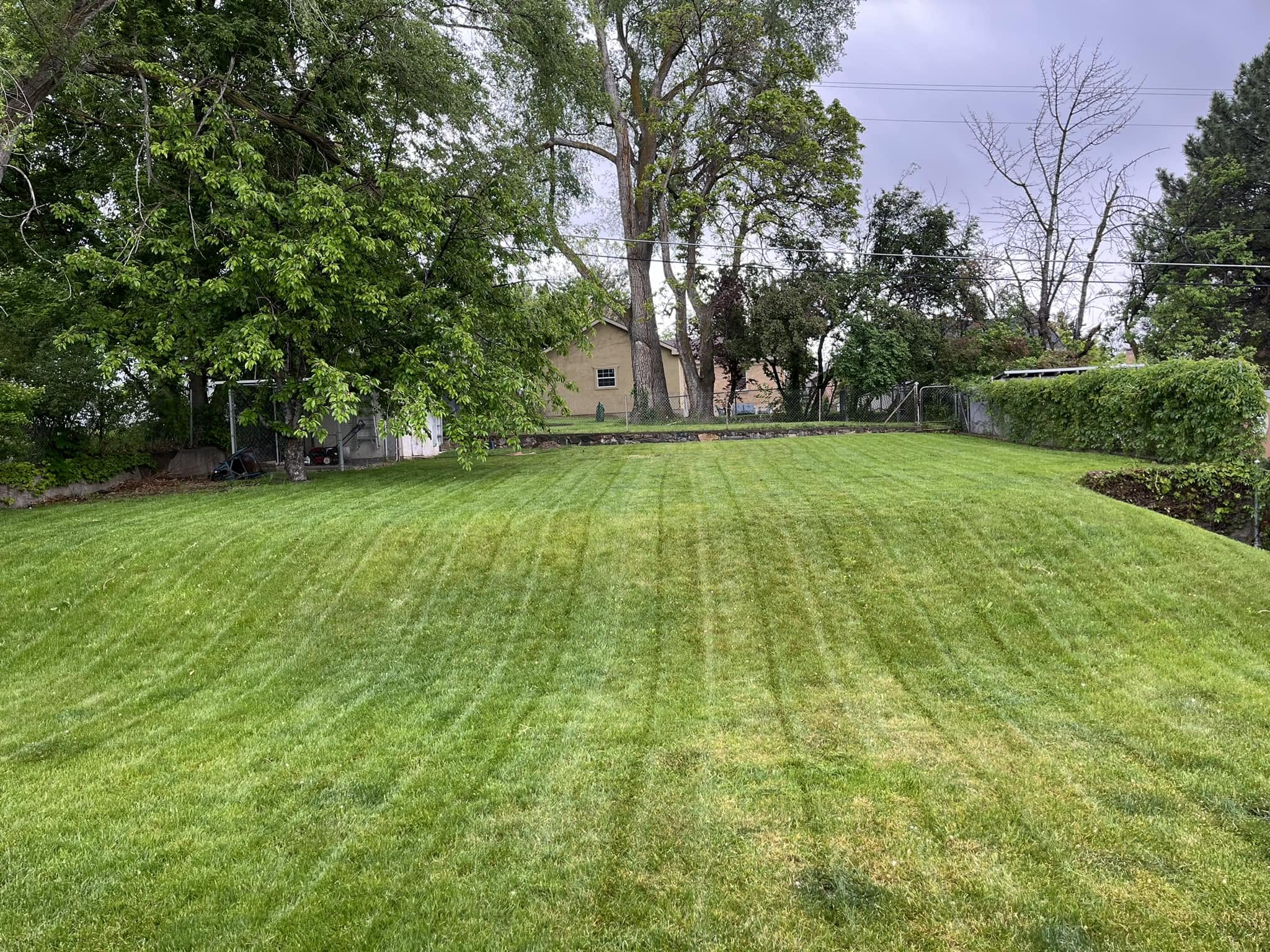
The sod edges got fixed in May. Lifted the unrooted sections, checked the soil contact, re-laid with proper tamping, watered through the establishment period. By June the repaired sections were indistinguishable from the rest of the lawn. She sent a photo in July — the backyard looked exactly the way it should have looked the previous October if I’d been more careful at the edge seams.
But that’s not the part of this story I think about most.
The part I think about is that she called in February to give me information she thought I’d want, without expecting anything in return. She’d made a judgment — based on one interaction, six months earlier — that I was the kind of person who would actually want to know when something hadn’t gone perfectly. That judgment was the result of how that initial job had been handled: the communication during installation, the honest explanation of what to watch for afterward, the watering protocol, the genuine engagement with her property rather than just completing the transaction.
That’s what builds the kind of relationship where a customer calls you in February. Not with a complaint — with information. Treating her like a person whose outcome mattered rather than a job to be completed and invoiced.
I’ve thought about this alongside other customer relationships that have stayed with me — the customer who calls back every spring without any obligation, or the properties I drive past and feel good about because the work we did there held up. These ongoing relationships are the measure of whether what we’re doing is actually good — not the invoice, not the review, not how the lawn looked the day we finished.
They’re built slowly, one honest interaction at a time. And they start with doing the job properly — and being accountable when something isn’t.
If you want to work with someone in Greater Sudbury who will tell you the truth about your lawn, do the work correctly, and call it out when something isn’t right — reach out. That’s the standard I hold myself to on every property I take on.
— Ryan Lingenfelter
Cutting Edge Lawn & Landscaping, Garson, Ontario
📞 705-507-6787
Serving all of Greater Sudbury — Garson, Hanmer, Val Caron, Lively, Chelmsford, Azilda, Capreol, and Sudbury proper. We offer sod installation, core aeration, property cleanup, grass cutting, and full lawn maintenance. Free quotes, no pressure.
Get a Free Quote |
Call 705-507-6787
