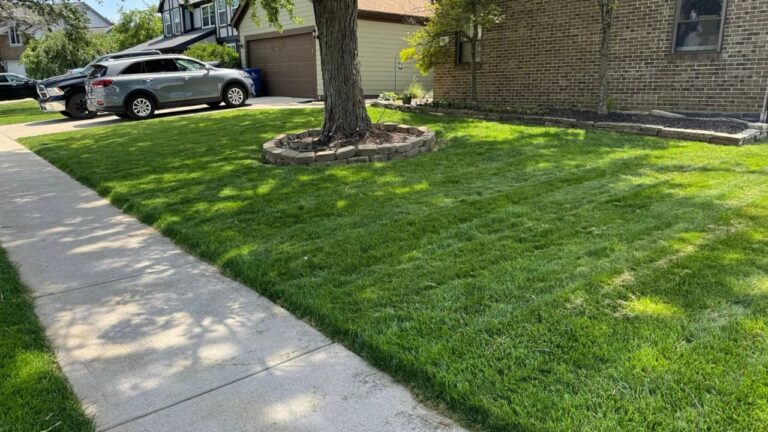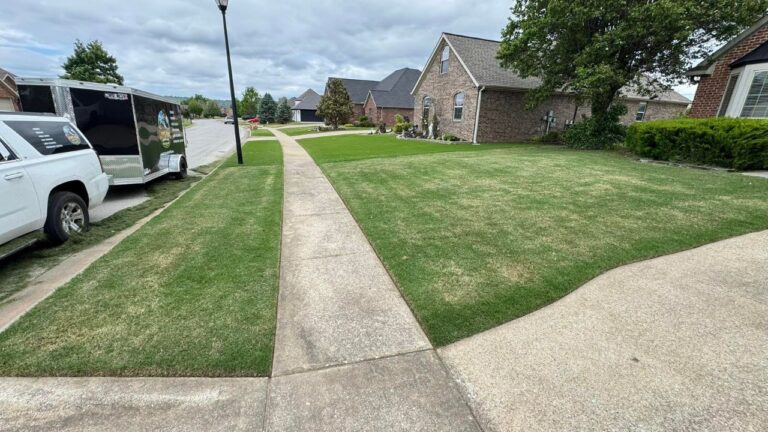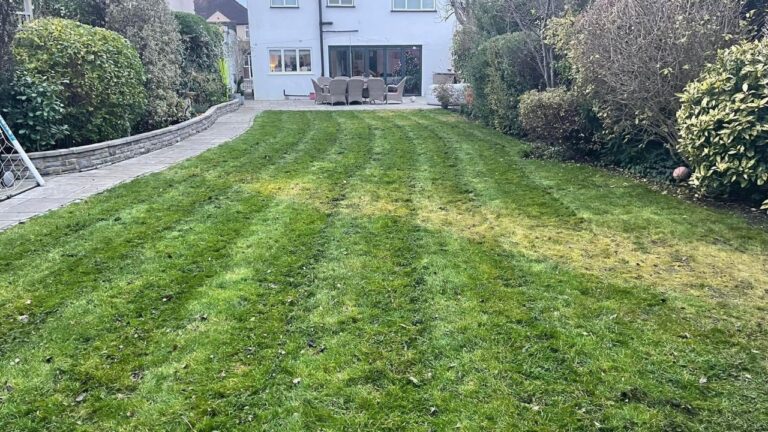
When a serious hailstorm rolls through Greater Sudbury, the calls start coming in fast. Usually within 24 hours. Homeowners are standing in their yards looking at grass that’s been shredded, flattened, and bruised by ice pellets the size of marbles or bigger, and they want to know: is it dead, can it recover, and what do I do right now?
I’ve assessed Sudbury lawns after hailstorms enough times to know that the first instinct most homeowners have — either to immediately start reseeding and patching, or to do nothing and assume it’ll bounce back on its own — is almost always the wrong call. The right response to hail damage depends on what actually happened to the grass, which varies more than you’d think depending on the size of the hail, the timing in the season, and the condition the lawn was in before the storm hit.
Let me walk you through what I actually see on these properties and what the honest recovery timeline looks like.
What Hail Actually Does to Grass — It’s Not What Most People Think
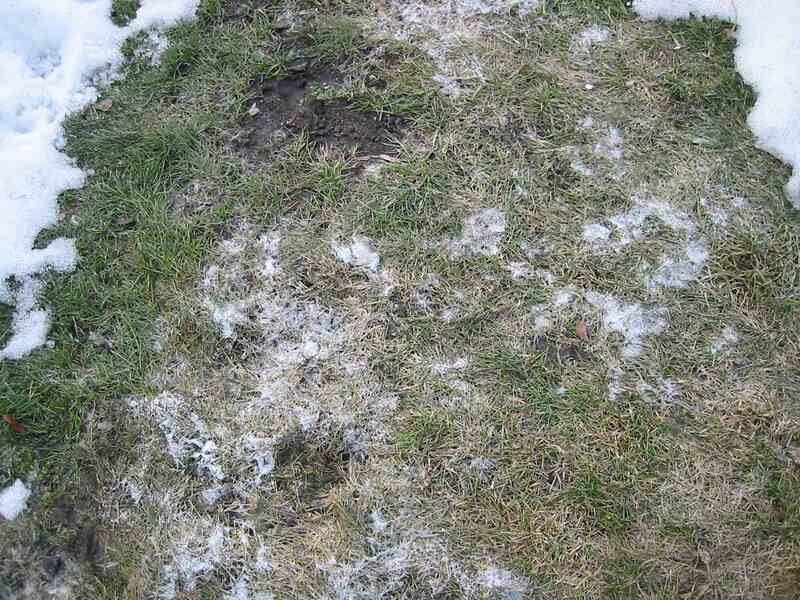
The first thing I tell homeowners is this: hail damages the blades, not the plant. That distinction matters more than anything else in how you respond.
When hailstones hit grass, they shred, bruise, and flatten the visible blades. In the hours immediately after a storm, a hail-damaged lawn can look genuinely terrible — brown, flattened, shredded at the tips, with a beaten-down texture that looks nothing like healthy grass. If the hail was large enough and fell hard enough, sections of the lawn can look almost like they’ve been through a mower set at an inch.
But the crown of the plant — the growing point sitting at soil level where the blades emerge — is largely protected by its position close to the ground. Unless the hail was extremely large and the storm prolonged, the crown survives. And the crown is what matters. As long as the crown is intact, the plant can regrow its blades.
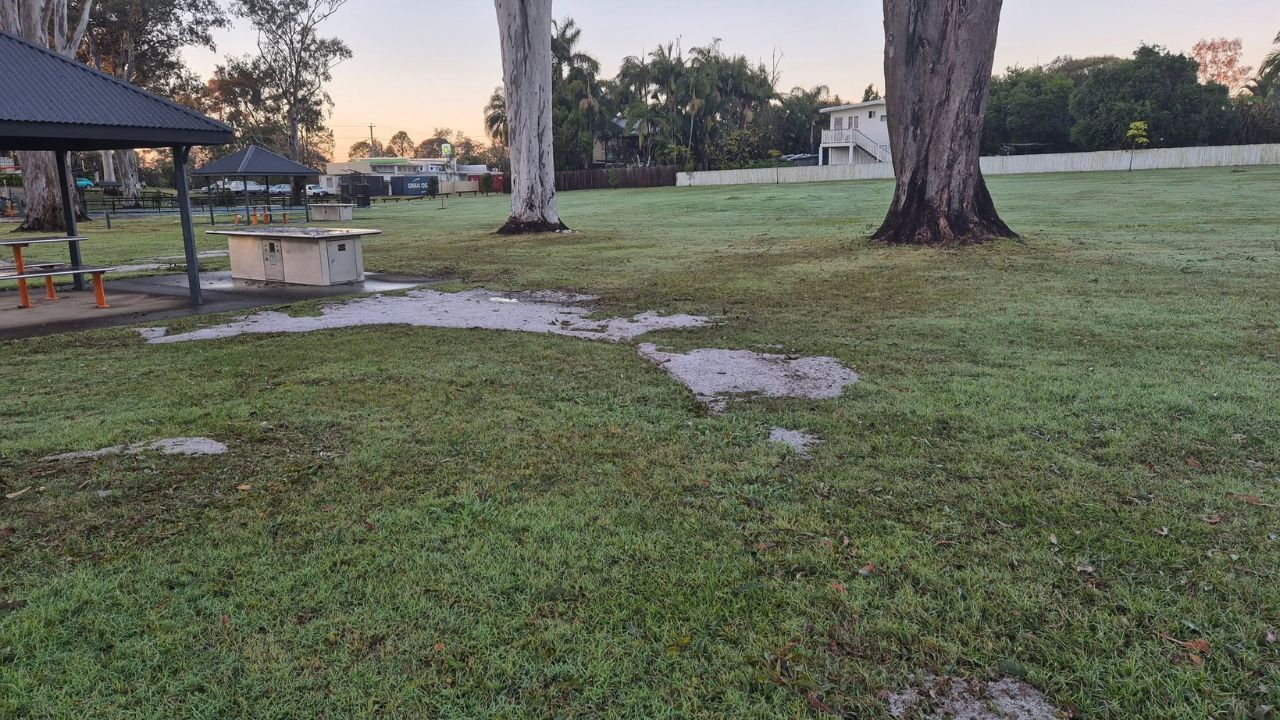
The part that’s actually at risk in a major Sudbury hailstorm is the soil surface. Large hailstones compacting wet soil can create a surface crust — a sealed, hardened layer — that interferes with water absorption and air movement in the days after the storm. That crust, if it’s significant, can slow recovery by preventing moisture from reaching roots at exactly the time the plant is trying to regenerate. I’ve seen hail-damaged lawns where the crust effect was actually more damaging to recovery than the blade damage itself.
The other factor is timing in the season. A hailstorm in June, when the grass is in full active growth and temperatures favour fast recovery, produces a very different outcome than a hailstorm in late August when growth is already slowing toward the shoulder season. Same physical damage, different recovery capacity.
The Recovery Timeline — What to Expect Week by Week
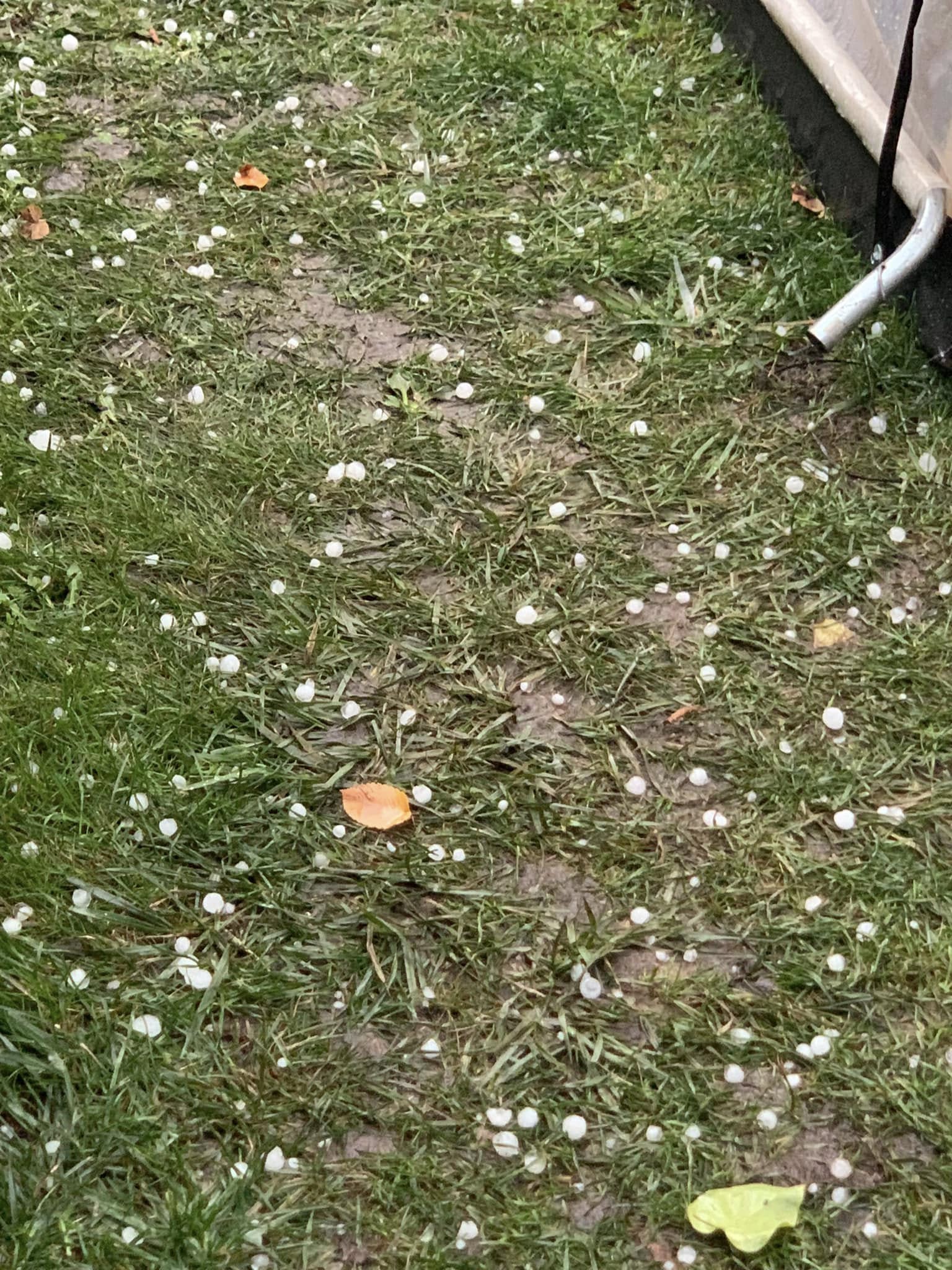
Here’s the honest timeline based on what I’ve seen on Sudbury properties after significant hailstorms. I’ll frame this around a mid-summer storm — June or early July — which gives the best recovery conditions.
Days 1 to 3 — The lawn looks its worst. The blades are shredded, flattened, and bruised. The colour is off — brown, tan, and beaten-looking. This is also when most homeowners call me in a panic. My consistent advice at this stage: do nothing except water lightly if the soil surface has crusted and is visibly dry. Don’t mow. Don’t fertilize. Don’t reseed yet. The plant needs to stabilize before you put any additional stress on it.
Days 4 to 7 — The lawn starts to stand back up. Grass blades have a remarkable ability to reorient toward light. By the end of the first week, even severely flattened lawns typically start lifting. The shredded blade tips still look rough, but the overall texture improves noticeably. This is where you start to see which sections are recovering normally and which ones are lagging — those lagging sections are where you focus your attention in the next phase.
Week 2 to 3 — New growth emerges from the crown. This is the confirming moment. If the crowns survived — which they usually do — you’ll see fresh new blade growth coming up through the damaged older blades. At this stage the lawn starts to look genuinely better rather than just less bad. The recovery is real.
Week 3 to 4 — Assessment time. By the end of the third week, the sections that are going to recover on their own have clearly started doing so. The sections that aren’t recovering are equally clear — they’ll still look shredded, brown, or bare while everything around them has improved. These are the areas that need intervention: overseeding, additional soil attention, or in the worst cases, more significant repair.
6 to 8 weeks post-storm — Full picture. A lawn that was in reasonable condition before the storm and has received the right care after it should be looking close to normal six to eight weeks out from a mid-summer hailstorm. Not necessarily perfect — some patchy areas may persist — but clearly recovered and actively growing.
The Mistakes That Slow Recovery Down the Most
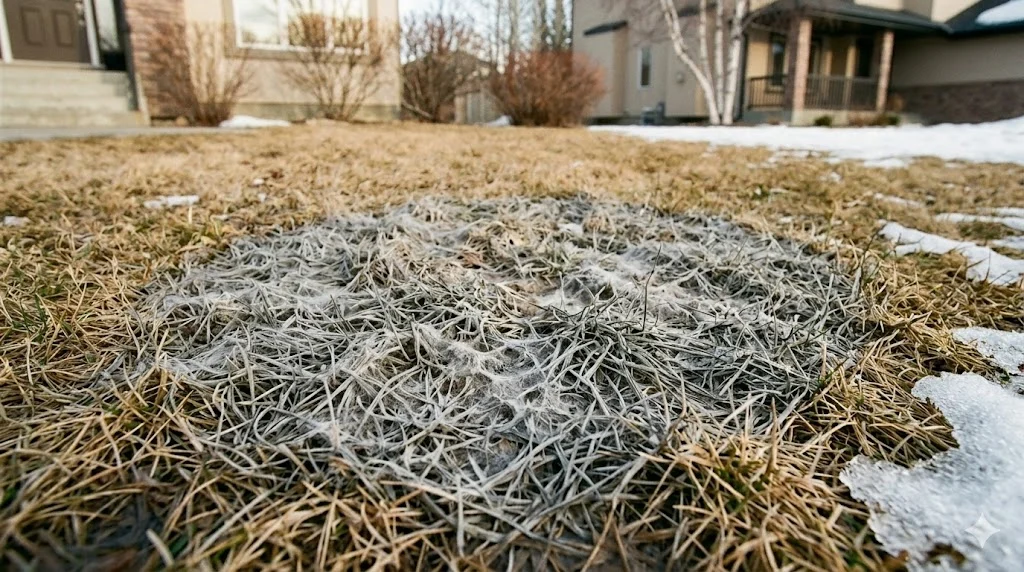
I want to be specific about this because the post-storm mistakes I see are consistent enough that they’re worth naming directly.
Mowing too soon. The single most common mistake. The lawn looks shredded and the instinct is to clean it up with a mow. But a hail-damaged lawn is a stressed lawn — the blades are already torn and bruised, the plant is redirecting resources toward recovery, and putting a mower over it within the first week adds physical stress at exactly the wrong moment. Wait until you can see clear new growth coming from the crowns before you mow, and when you do mow, keep the height high. Removing more than a third of the blade length on a recovering lawn extends the stress period significantly.
Heavy fertilizing immediately after the storm. This is related to the same advice I give about fertilizing timing for Sudbury lawns generally — a stressed plant can’t process nutrients the way a healthy, actively growing one can. High-nitrogen fertilizer applied to a freshly hail-damaged lawn can burn the already-compromised blades and add chemical stress on top of physical stress. Wait until week two or three when the lawn is visibly recovering before considering any fertilizer application, and even then, use a gentle formulation.
Reseeding immediately. I understand the impulse, but seeding into hail-damaged turf in the first week is counterproductive. The damaged grass is still occupying the space — it hasn’t died and made room for seed yet. Seed scattered over recovering grass has poor soil contact, poor germination conditions, and competes with the existing plant’s recovery. Wait for the assessment phase at week three or four. By then you can see exactly where the gaps are, prepare those areas properly, and seed into soil that’s actually ready to receive it.
Ignoring the soil crust. If hailstones compacted the soil surface into a sealed crust, that crust physically prevents recovery by blocking moisture and air movement. A light, gentle raking of affected areas — enough to break the crust without tearing up recovering roots — and then watering can make a significant difference in how quickly those sections come back. This is a specific intervention worth doing in the first few days if you can see the surface has hardened.
Walking the lawn repeatedly during early recovery. Foot traffic on a stressed, wet lawn after a storm compacts the already-impacted soil further. Try to stay off the worst-hit sections for at least the first week. This is especially important on Sudbury’s clay-heavy soil where accumulated compaction from multiple stress events compounds in exactly the way I’ve described before.
When Recovery Isn’t Enough — What Comes Next
Most Sudbury lawns that were in reasonable condition before a hailstorm recover adequately on their own timeline with the right hands-off approach. But not all of them do, and I want to be honest about what drives the difference.
Lawns that were already carrying significant accumulated neglect lag going into the storm — compacted soil, shallow roots, thin turf — recover from hail damage far more slowly and incompletely than lawns in good structural health. The hail damage adds acute stress on top of an already-stressed system. The crown survival rate is lower, the regrowth is weaker, and the sections that don’t come back are larger and more numerous.
This is the honest post-storm conversation I have most often: the hailstorm didn’t destroy your lawn. It exposed what was already fragile. The storm was the trigger, not the cause.
For sections that assessed as genuinely not recovering at the week three or four mark, the repair path looks like this.
Smaller areas — overseeding with proper prep. Scratch up the dead surface, remove any matted dead material, apply quality seed appropriate for the specific conditions of that spot (shade-tolerant blend for shaded areas, standard cool-season mix for open areas), and keep consistently moist until germination. If the storm happened in July or early August, you actually have a good seeding window ahead of you — late August and September in Sudbury are ideal for seed establishment, and a July storm with a September overseeding program is a realistic and effective sequence. I’ve written about overseeding timing in detail and the fall window is genuinely the best time of year for this in Sudbury.
Larger areas or areas with underlying soil problems — sod. For sections larger than about 30 to 40 percent of the total lawn, or for areas where the post-hail assessment revealed significant underlying soil issues that overseeding alone won’t address, a proper sod installation on correctly prepped soil is the more reliable path. It bypasses the seed establishment waiting period, gives you immediate coverage, and — done right — puts down turf that has a full season to root before the next Sudbury winter.
In either case, pairing the surface repair with a proper core aeration before or alongside the work is worth doing. A post-hailstorm lawn that gets aerated, repaired, and then enters fall with loose soil and freshly established coverage is in dramatically better shape going into winter than one that just got patched at the surface.
Just Had a Hailstorm — Not Sure What You’re Looking At?
Call me. This is exactly the kind of situation where a 20-minute property walk is worth more than an hour of trying to assess it yourself. I’ll look at what the storm actually did, tell you which sections are going to recover on their own and which ones need intervention, and give you a clear timeline for what comes next.
If you’re in Greater Sudbury — Garson, Val Caron, Hanmer, Lively, Chelmsford, Azilda, Walden, Capreol — I can usually get out quickly after a storm event. No charge for the assessment. No pressure on what you decide to do.
📞 Call or text me directly: 705-507-6787
Or fill out the free assessment request here.
— Ryan Lingenfelter
Owner, Cutting Edge Lawn & Landscaping
Garson, Ontario