

I drive a lot of roads in Greater Sudbury. Garson, Hanmer, Val Caron, Lively, Chelmsford, Azilda, Capreol, the South End, New Sudbury — I’ve worked properties in all of them, and after a few years of doing this I’ve started to notice that each area has its own character when it comes to lawn problems.
Same municipality, same climate, same general grass types — but different soil histories, different development patterns, different terrain. The result is that the most common lawn issue in Hanmer isn’t the same as the most common one in Lively, and what I typically recommend on a Chelmsford property isn’t the same as what I’d suggest for a South End yard.
Here’s what I actually see, area by area.
Garson and the East End — Compaction and Thatch Are the Story
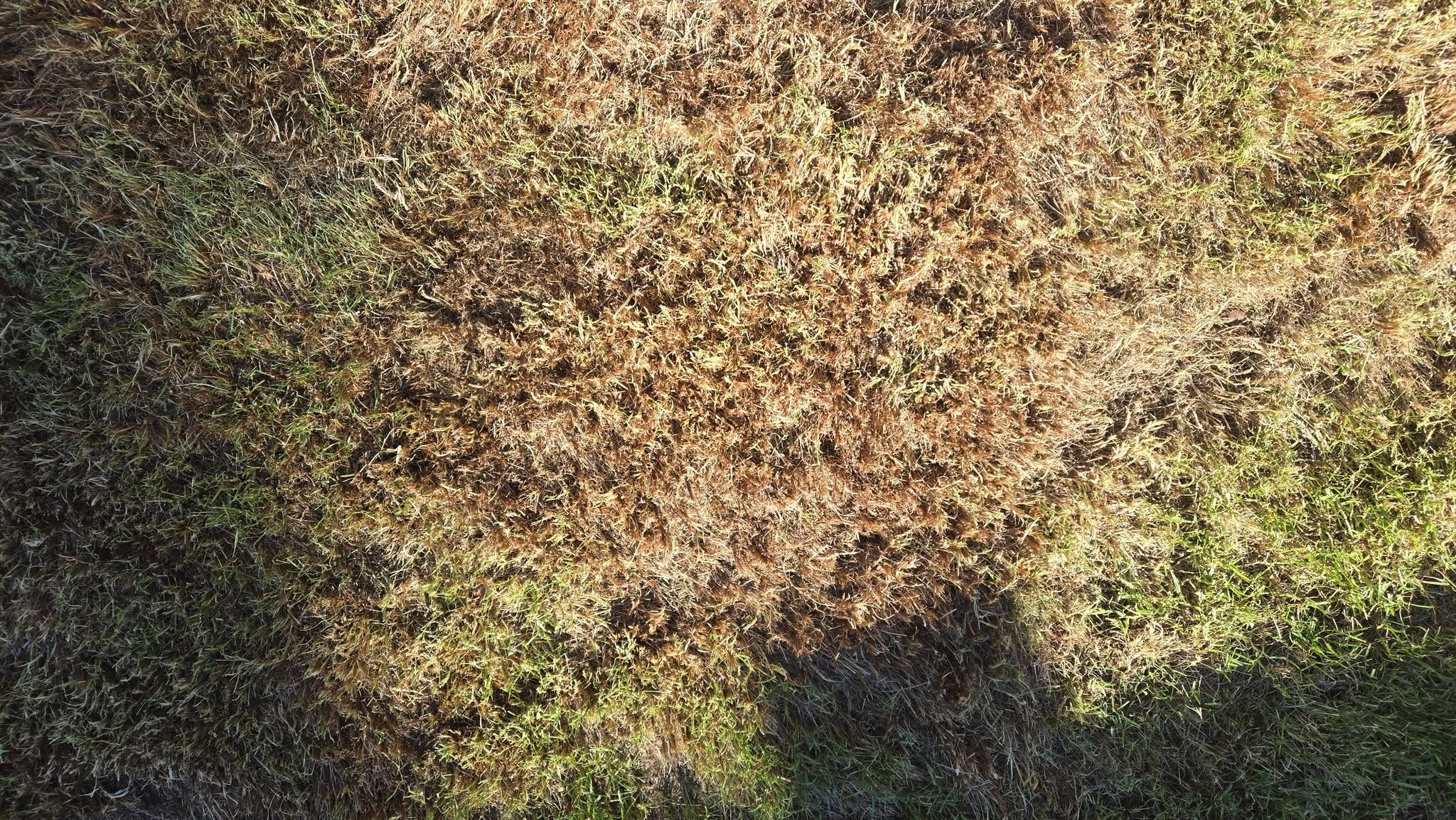
Garson is where I’m based, and it’s the area I know best. The properties here are a mix — older established homes and some newer builds that went in over the last decade or so. What I see most consistently across Garson lawns is compaction and thatch buildup that’s been left unaddressed for too long.
A lot of Garson properties have clay-heavy soil that compacts easily. Add a few years of regular foot traffic and mowing without any core aeration, and the soil gets to a point where water pools on the surface, roots can’t go deep, and the lawn starts thinning out in ways that feel mysterious to the homeowner because nothing obvious changed.
The fix is straightforward — aeration, done consistently, year after year. The first round on a Garson lawn that’s never been aerated usually produces visible results within the same season. The soil opens up, the lawn responds to watering and fertilizer properly, and the density improves. It’s the closest thing to a quick win in lawn care.
The newer builds on the east end of Garson are a different situation — thin topsoil over construction fill, the classic new build problem. Those properties often need more fundamental soil work before care alone makes a meaningful difference.
Hanmer and Val Caron — Thatch and Inconsistent Service History
Hanmer and Val Caron are two of the bigger communities in Greater Sudbury, and they have a lot of family homes with real yard space — properties where the lawn actually matters to the people living there.
What I see most in these areas is thatch buildup combined with an inconsistent service history. A lot of properties out here have been maintained by a mix of DIY work and whoever was available and cheap — which means the fundamentals often haven’t been done consistently. Lawns that have never been aerated, cut at whatever height whoever showed up that week preferred, fertilized randomly or not at all.
The result is lawns that have decent bones — good property size, reasonable sun exposure, workable soil — but have never been given the consistent foundation they need. They respond really well once you establish a proper routine. Aeration, correct cut height from the start of the season, consistent schedule — Hanmer and Val Caron lawns tend to come around quickly when the basics are actually done right.
I also see more grub damage in these areas than in some of the more urban parts of Sudbury. The proximity to more natural land and the property sizes that attract more wildlife creates more grub pressure. I check for it specifically on first visits here.
Lively and the West End — Salt Damage and Road Edge Problems
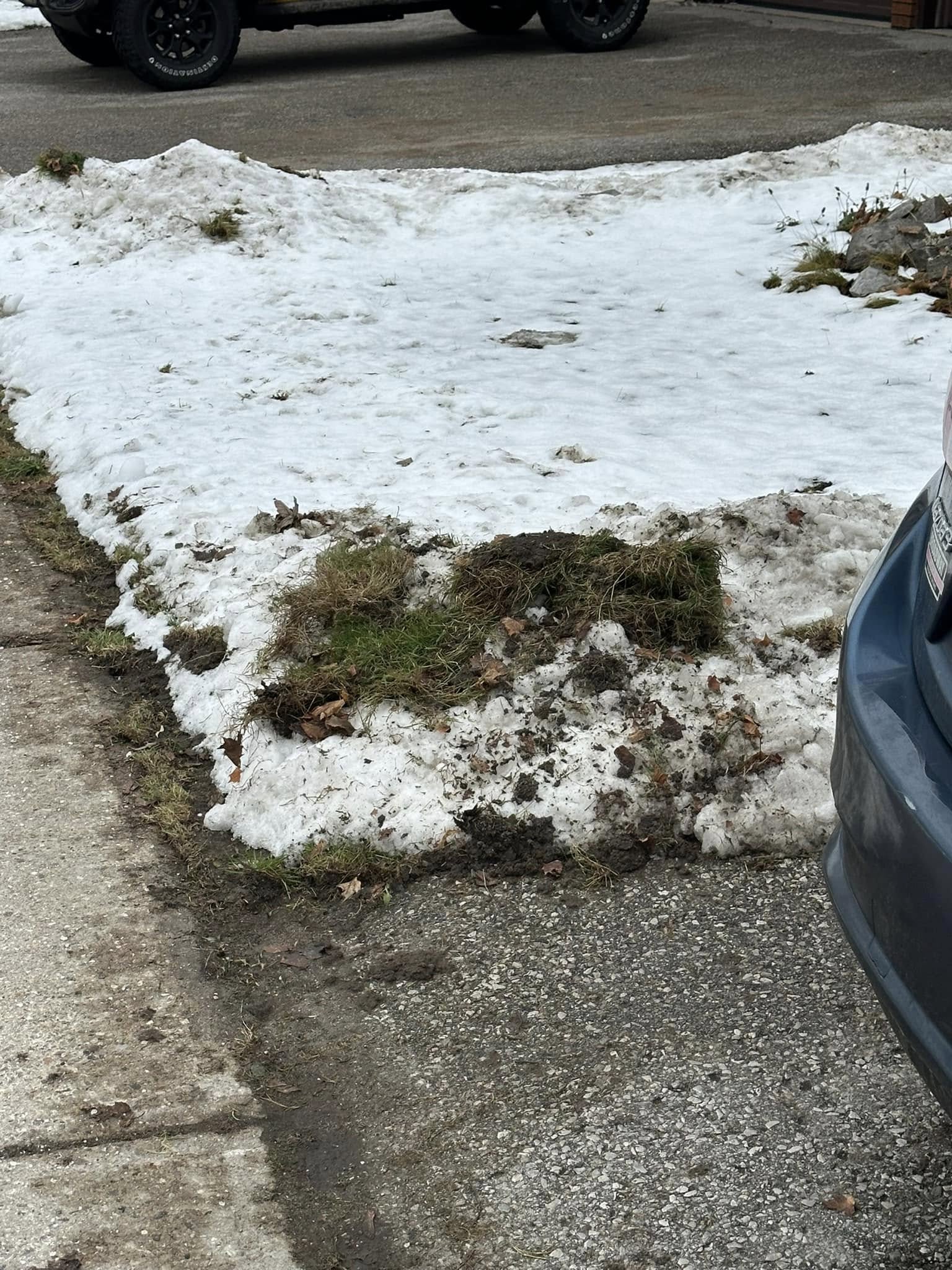
Lively properties are generally well-maintained — it’s a community where people take their yards seriously. But there’s one issue I see consistently on Lively properties that comes up less in other parts of Greater Sudbury: road salt damage along the front lawn edges.
Properties in Lively tend to be on roads that get significant winter maintenance. The salt applied to those roads during our long winters migrates into the soil along the lawn edges — sometimes quite far in, depending on the winter and the drainage. Salt-affected soil has elevated sodium levels that prevent grass from taking up water properly, even when moisture is available. The grass looks drought-stressed when it isn’t.
The grass along the front edges of a lot of Lively properties comes in sparse and pale in spring, sometimes with dead strips that look like they were scalped. That’s usually salt, not mowing damage. The fix involves flushing the affected soil with deep watering early in spring to leach the salt deeper, followed by aeration and overseeding once the soil has recovered enough to support germination.
It takes a season or two to fully rehabilitate a salt-damaged edge. But understanding that it’s salt — not a mowing problem or a watering problem — changes the approach completely.
Chelmsford — Large Properties, Variable Soil, Wildlife Pressure
Chelmsford has some of the larger residential lots in Greater Sudbury, and the lawn challenges reflect that. More variation within a single property. More edge exposure to fields and natural areas. More wildlife pressure — grubs, skunks, the occasional deer damage at the edges.
The soil in Chelmsford is genuinely variable. Some properties out here have decent loam. Others have sandy or clay-heavy sections that behave completely differently from each other within the same yard. A lawn that looks uniform from the street might have multiple soil types doing different things under the surface.
This is why I spend more time on the initial walkthrough on Chelmsford properties. You can’t treat the whole yard the same way when different sections have different soil, different drainage, and different sun exposure. The shaded corner under the mature spruce needs different seed and a different cut height than the open south-facing front yard. Getting that right requires actually walking the property carefully rather than just quoting a number from the driveway.
Capreol and Azilda — Older Properties, Tree Canopy, Drainage Complexity
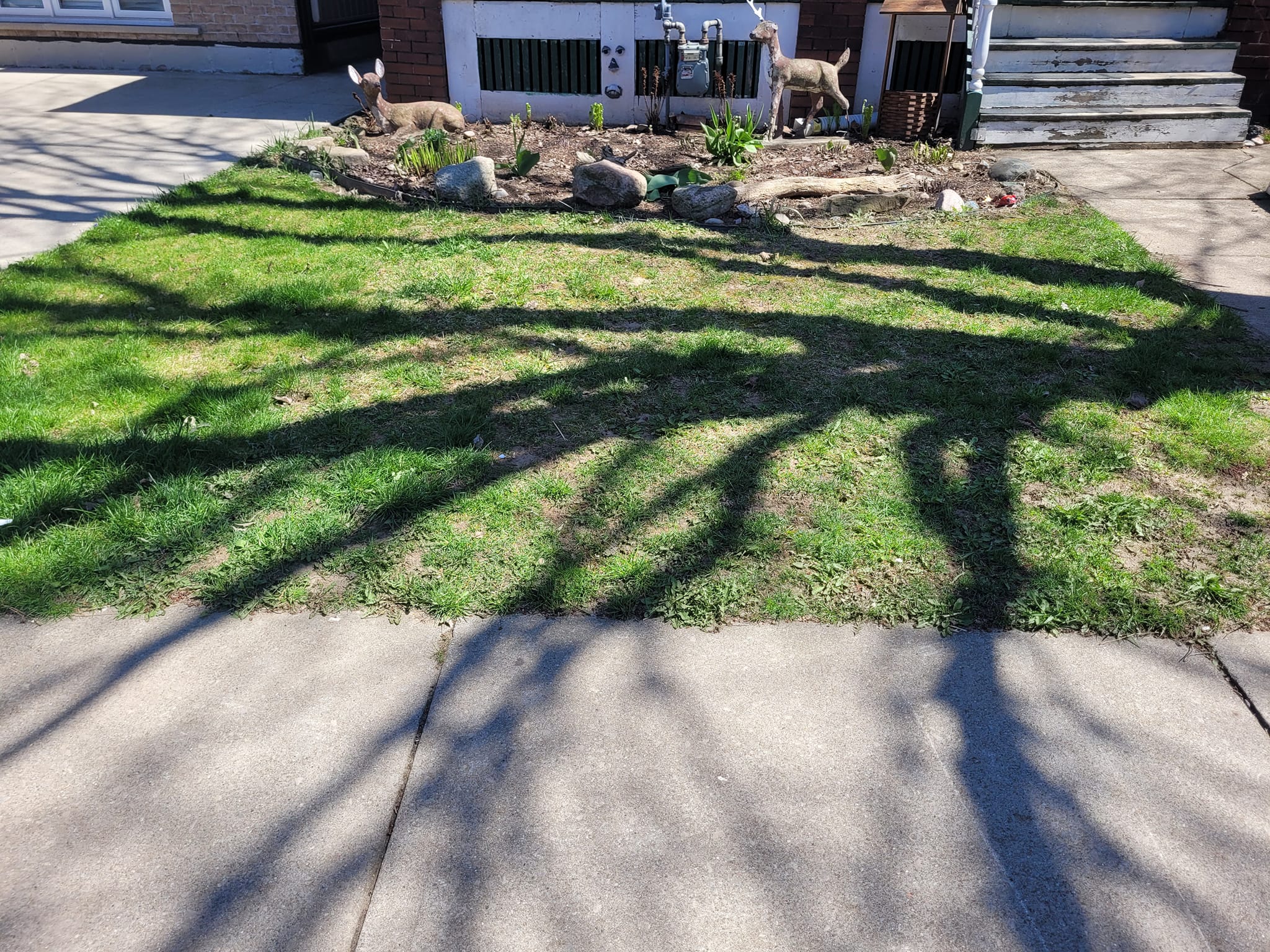
Capreol and Azilda are at the outer edges of Greater Sudbury, and the properties out here have their own character. Capreol in particular has a lot of older, established homes with significant mature tree canopy — which creates shade challenges that don’t come up as much in the more open suburban streets of other communities.
Shaded lawns thin out differently. The standard seed mix doesn’t establish well under dense canopy. The cut height needs to be slightly higher to compensate for reduced photosynthesis capacity. Drainage under mature trees is often complex because the root systems intercept water movement in ways that create dry spots right next to areas that stay damp. Managing a shaded Capreol lawn requires a different approach than managing an open sunny lot in Val Caron.
Azilda has the Vermilion River corridor influence — lower-lying areas, higher water table in some sections, spring drainage that backs up longer than people expect. Properties in the lower areas of Azilda are often soft and waterlogged well into May, which delays when you can start spring care work and affects what you can do. Patience and timing matter more out here than in parts of Sudbury with better natural drainage.
New Sudbury and the South End — New Builds and Topsoil Issues
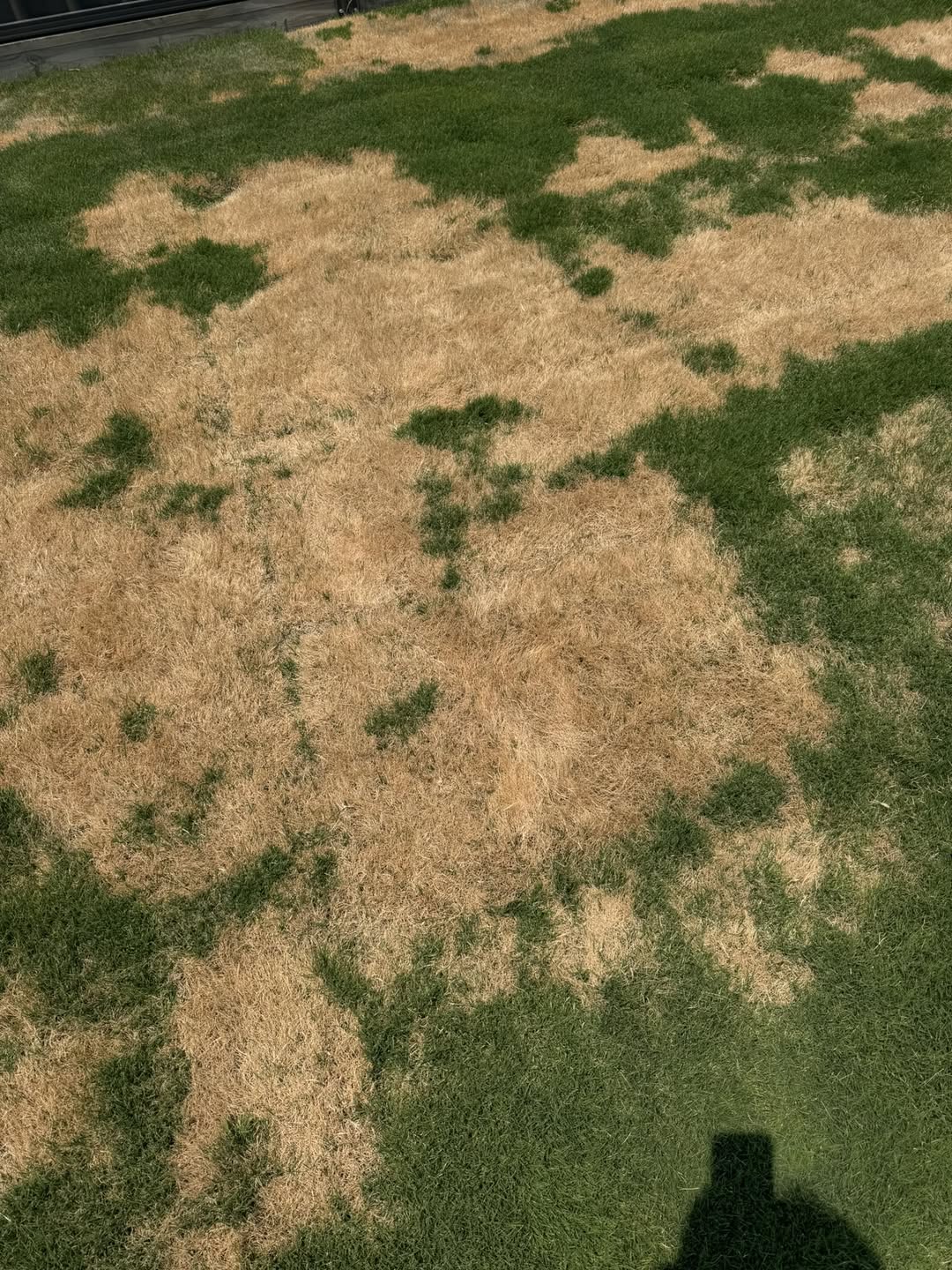
The central urban areas of Sudbury — New Sudbury, the South End, the downtown edges — have a mix of older established properties and areas of ongoing development. The older properties tend to have more stable soil and more manageable lawn challenges. The newer builds are a different story.
Construction in these areas follows the same pattern I see across Greater Sudbury — topsoil stripped during excavation, heavy equipment compacting everything, thin layer of fill with minimal topsoil put back at the end. The lawn that gets seeded or sodded on that foundation is working against the soil from day one.
These properties need the same approach as new builds anywhere in Sudbury: address the soil first, then the lawn. Aeration to break up compaction. Compost topdressing to build organic matter. Proper sod installation with soil improvement for the cases where the topsoil situation is severe enough that overseeding alone won’t get there.
The other thing I notice in the more urban areas is that properties are smaller and more visible — front yards that face busy streets where the condition of the lawn is noticed by everyone who drives past. The stakes feel higher for some homeowners in these areas, which means the conversations about what’s realistic and what the timeline looks like matter more.
What This Means for Your Property
The point of walking through all of this isn’t to say that your area determines your lawn’s fate. It’s that understanding the specific conditions that tend to affect your part of Greater Sudbury helps you diagnose what’s actually happening on your property — and find the right solution rather than a generic one.
A Lively homeowner treating sparse front edges with more fertilizer when the real issue is salt isn’t going to see results. A Capreol homeowner throwing standard bluegrass seed into a shaded corner every spring isn’t going to get the lawn they’re hoping for. The problem isn’t the effort — it’s the diagnosis.
If you want someone to come look at your specific property and give you a straight read on what’s actually going on — not a generic lawn care pitch but an honest assessment of your yard and your area — reach out. That’s always where I like to start.
— Ryan Lingenfelter
Cutting Edge Lawn & Landscaping, Garson, Ontario
📞 705-507-6787
Serving all of Greater Sudbury — Garson, Hanmer, Val Caron, Lively, Chelmsford, Azilda, Capreol, New Sudbury, and the South End. We offer core aeration, grass cutting, sod installation, property cleanup, and full lawn maintenance. Free quotes, no pressure.
Get a Free Quote |
Call 705-507-6787
