
Ryan here. There’s a version of this conversation I’ve had more times than I can count, but this one stuck with me more than most.
Her name is Carol. She lives in the Minnow Lake area of Greater Sudbury and she’d been through two lawn companies in four years. Not bad experiences — genuinely damaging ones. Lawn stripped bare from wrong-season fertilizing. A tree root issue flagged and then completely ignored across two full seasons. A billing dispute that took three months to resolve and ended with her paying for visits that records showed never happened.
When her neighbour gave her my number, Carol called out of obligation more than hope. The first thing she said to me was that she appreciated the referral but she’d decided she was just going to manage the lawn herself from now on because she was done dealing with companies. Not frustrated. Done.
Here’s what happened next, and why I’m sharing it.
What I Said When She Told Me She Was Done
I didn’t try to talk her out of it. That’s the honest answer. When someone tells me they’ve had two genuinely bad experiences and they’ve made a decision, the last thing they need is a sales pitch about why this time will be different. That’s exactly the move that would have proven she was right to be done.
What I said was this: managing it yourself is a completely reasonable choice, and if that’s what she wanted to do I was happy to spend fifteen minutes on the phone walking her through what her specific yard probably needs and when, at no cost, just so she had a real starting point. No pitch at the end. Just information she could actually use.
She said yes to that, mostly I think because she had a list of questions she’d never gotten straight answers to. We talked for about twenty minutes. I told her about mowing height and why ours gets cut too short across Sudbury more than anywhere else I’ve worked. I told her about watering rhythm and why shallow daily watering creates weak root systems in our soil type. I told her what to actually do about the thin patches near the tree line without spending money on products that wouldn’t hold.
She didn’t hire me that day. She called back three weeks later.
What the Lawn Actually Looked Like When I Got There
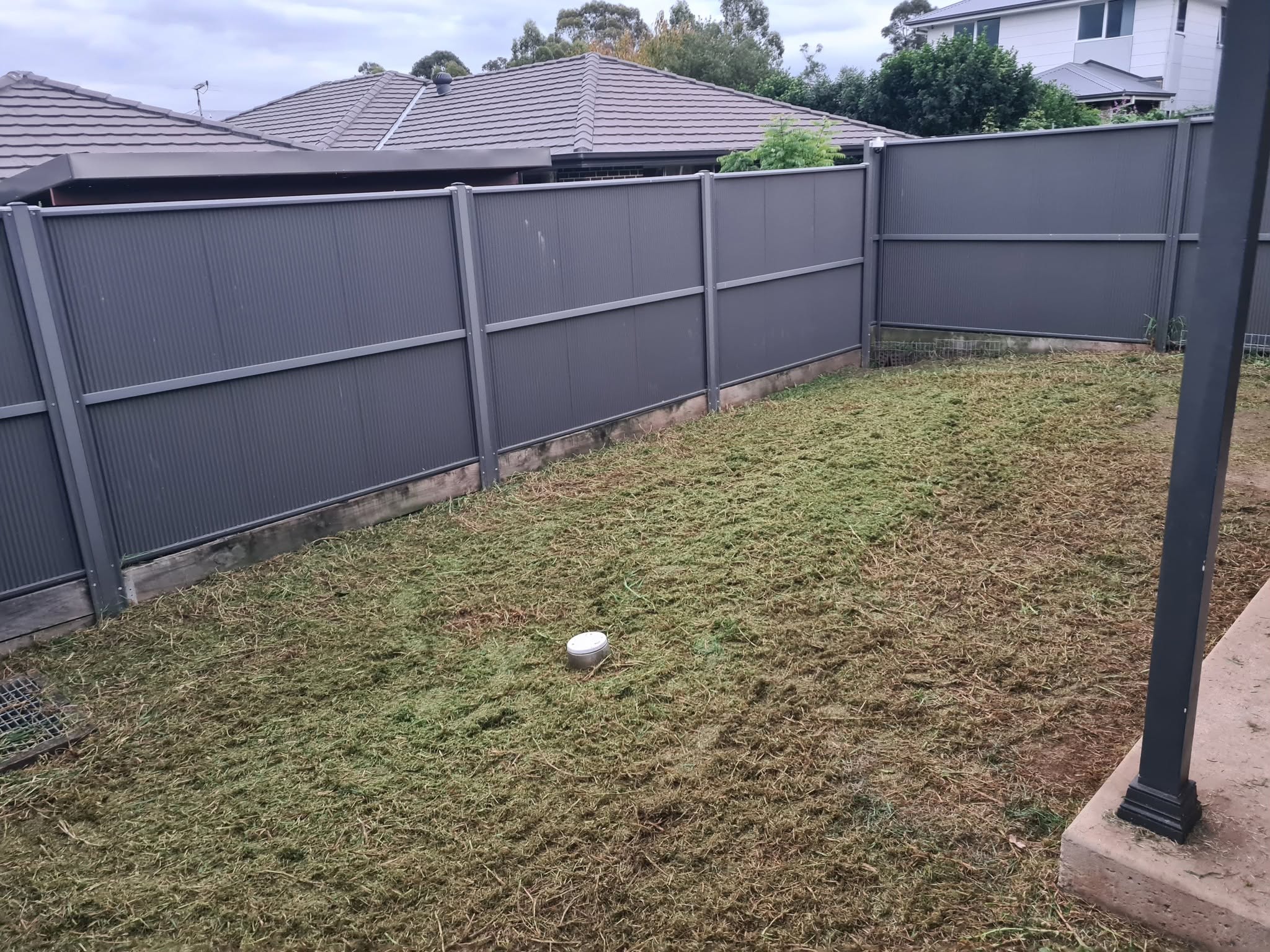
When Carol finally decided to have me walk the yard, the lawn told a clear story before she said a word. I’ve written before about what a Sudbury lawn tells me about a homeowner before I’ve even spoken to them — this was one of those walks where I could see exactly what had been done, what had been skipped, and what had been done at the wrong time.
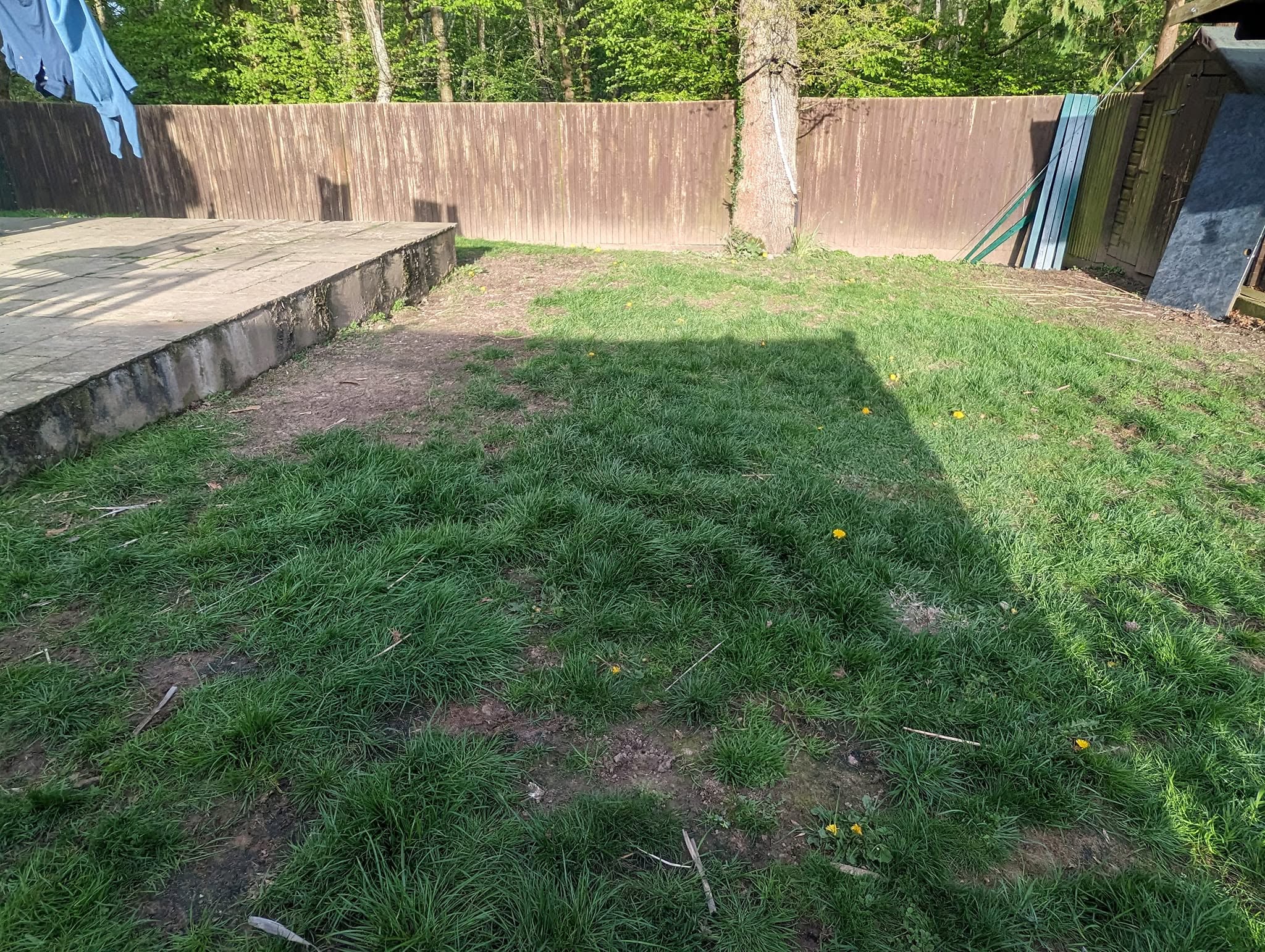
The thin patches near the tree line were exactly where you’d expect them given the root competition and shade combination in that corner. The strip along the side fence was completely dead — classic compaction and drainage issue that had been reseeded over rather than addressed. And the main lawn area had uneven colour that told me the fertilizing schedule had been inconsistent at best, possibly applied in late summer when the ground was heat-stressed, which does more damage than no fertilizer at all.
None of it was unfixable. None of it was even close to the worst I’ve seen. What it was, was a lawn that had been serviced without ever being actually looked at.
The Part That Had Nothing to Do With Grass
The thing Carol kept coming back to when we walked the yard wasn’t the dead strip or the fertilizer timing or the compaction. It was that nobody had ever explained any of it to her. Three companies, four years, and not once had anyone walked the yard with her and said here’s what I’m seeing, here’s why it’s happening, and here’s what we’re going to do about it in plain language.
She’d been paying for a result and getting a service. Those aren’t always the same thing. A service shows up, does the scheduled tasks, and leaves. A result means someone is actually tracking whether the lawn is improving and adjusting what they do when it isn’t.
Two weeks after our first real visit I called her — which is something I do with every new customer without exception, and I wrote about exactly why in the piece about why I always call new Sudbury customers two weeks after the first visit. She mentioned the side fence strip looked like it might be coming in. She almost didn’t tell me because she thought it was too small to mention. That’s the call that changes everything.
Where the Lawn Is Now
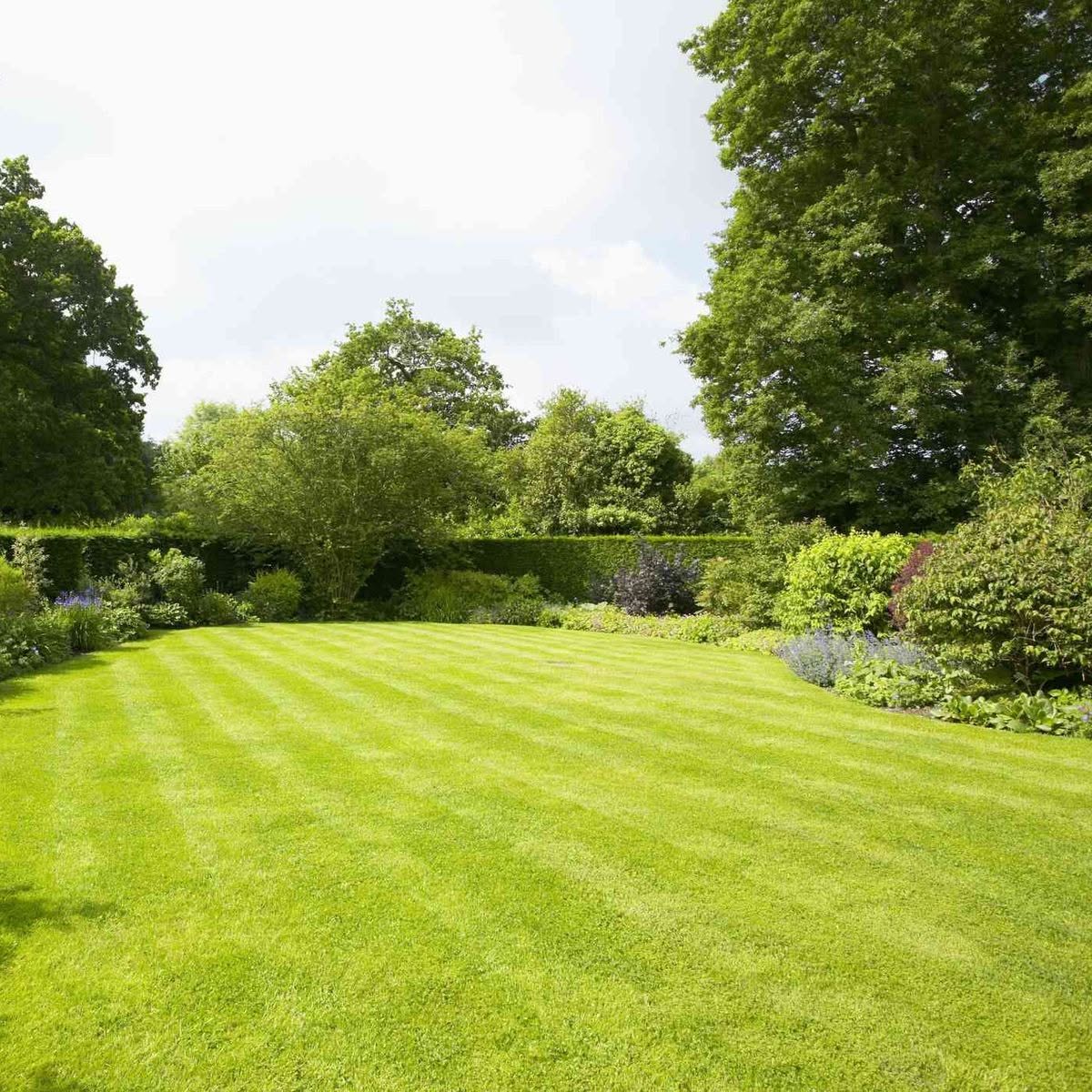
The dead strip along the fence is fully recovered. The tree line patches are thicker than they’ve been in the four years she’s owned the property. The main lawn is on a watering schedule that matches what our Sudbury soil actually needs rather than what looks good on a service sheet.
More than any of that, Carol knows what’s happening and why. She knows what to watch for between visits. She knows what a normal recovery looks like versus a sign that something needs attention sooner. That’s not an accident — that’s what happens when someone actually explains the yard to the person who lives in it.
If you’re starting from a similar baseline — either a badly neglected lawn or one that’s been serviced without ever being improved — the place I’d send you first is the 90-day Sudbury lawn plan. It maps out the three phases of getting a struggling lawn back on track in a way that makes sense whether you’ve owned the home for one year or ten.
And if you’ve got a persistent dead strip or a recurring bare patch that every previous attempt has failed to fix, that specific problem is worth understanding before trying again. I broke down the diagnosis process in detail when I wrote about what I found in a Sudbury lawn that a previous contractor had missed for three full years — the root cause is almost always something that was never looked at, not something that couldn’t be fixed.
What I’d Say to Anyone Who’s Currently Where Carol Was
If you’re at the point where you’ve decided you’re done with lawn companies because the track record doesn’t justify the trust, I’d say that’s a reasonable conclusion based on reasonable evidence. I wouldn’t argue with it.
What I would offer is the same thing I offered Carol — fifteen minutes on the phone, no pitch, just a straight conversation about what your specific yard probably needs and what you’d be looking at if you decided to handle it yourself. If that’s all you want, that’s fine. If at some point you want someone else to handle it properly, we’ll both already know where things stand.
Our Sudbury lawn care services page has the full picture of how we work. But if you’re not ready for that yet, the phone call offer stands either way.
