
I service properties across all of Greater Sudbury — Garson, Hanmer, Val Caron, Lively, Azilda, Capreol, and Sudbury itself. Every area has its own character. Different neighbourhoods, different property sizes, different soil conditions, different homeowner expectations.
Chelmsford is one of the areas I’ve come to think about differently from the rest. Not because the grass is a different species or because the rules change — they don’t. But there are a few specific things about Chelmsford properties that come up consistently when I’m working out there, and over time I’ve adjusted how I approach those jobs.
If you’re in Chelmsford and your lawn has been giving you trouble, some of this might sound familiar.
The Properties Are Bigger — And That Changes Everything
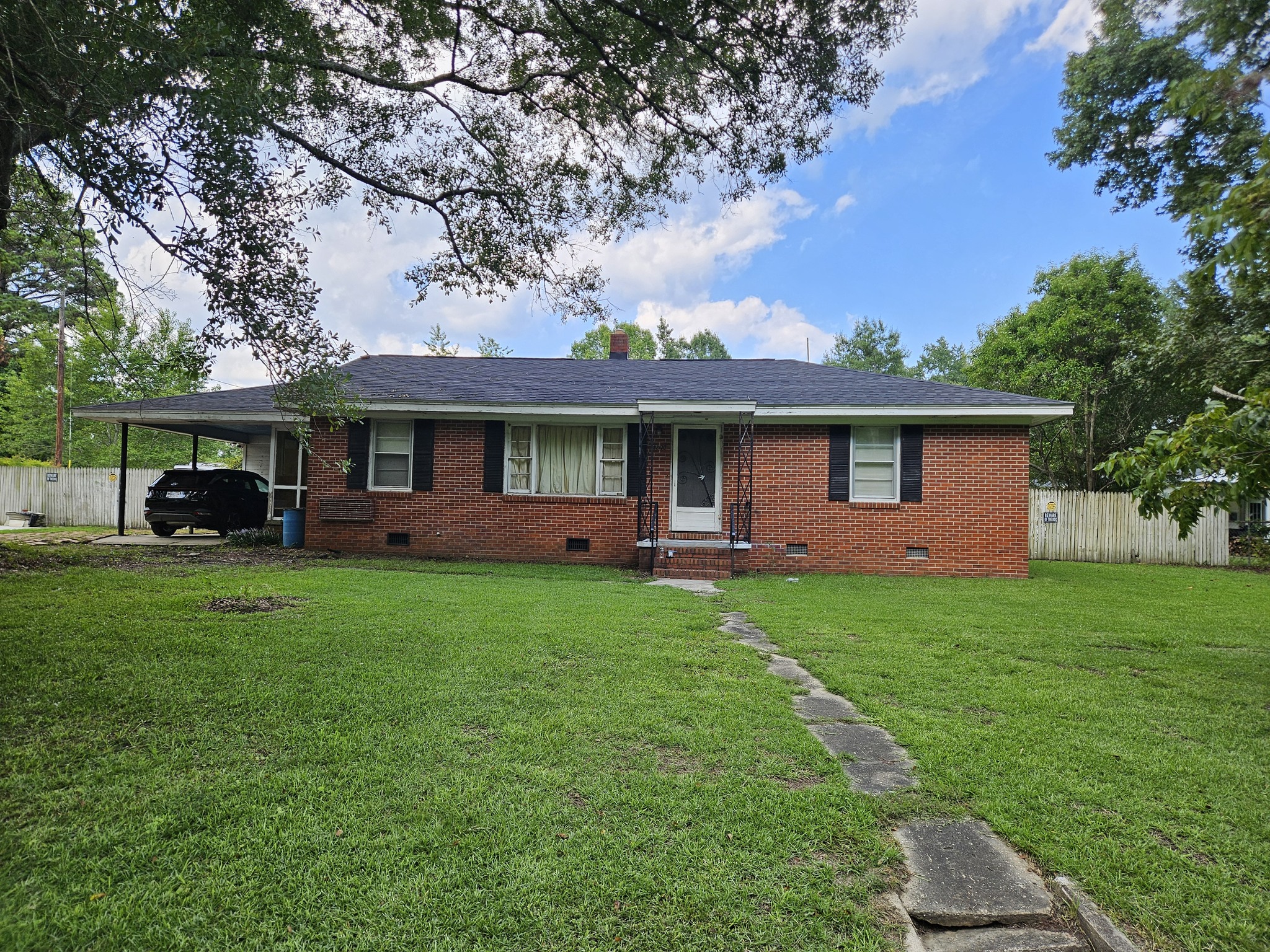
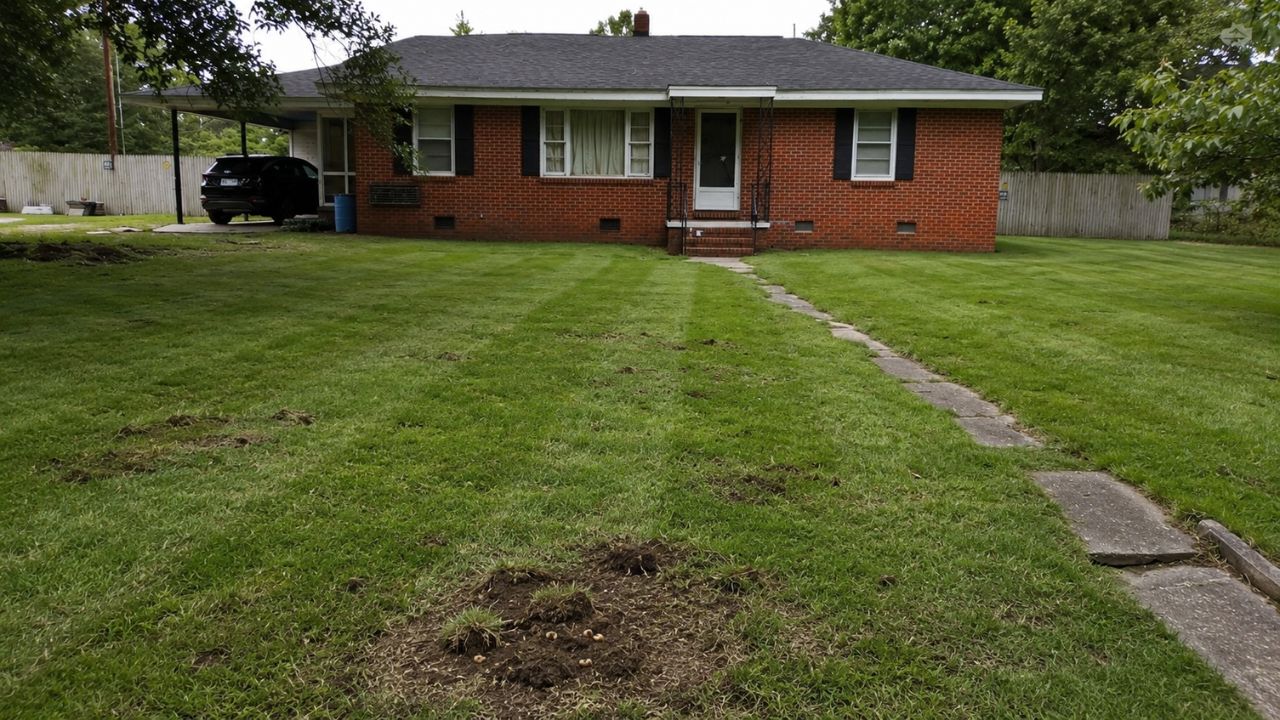
The most obvious difference when I pull into a Chelmsford property versus, say, a property in the South End of Sudbury is the size. Chelmsford has a lot of larger lots — bigger front yards, deeper backyards, more total lawn area to deal with.
That matters for a few practical reasons. Larger lawns take longer to cut properly, which means the difference between someone who cares about doing the job right and someone who’s rushing through it becomes more visible. On a small city lot, a sloppy cut still gets done in twenty minutes and the owner might not notice the corners that got missed. On a larger Chelmsford property, inconsistency shows.
Larger properties also have more variation within the same lawn. The front yard might be well-drained and get good sun. The backyard might have a low area that collects water, or a section under mature trees that stays shaded most of the day. Treating the whole property with one approach — same cut height, same watering, same schedule everywhere — doesn’t work as well on a bigger, more varied lot.
When I take on a Chelmsford property, I spend more time on the initial walkthrough than I would on a smaller urban lot. I want to understand the different zones on the property before I start making decisions about how to care for it. That extra time upfront saves a lot of problems later in the season.
The Soil Situation Out Here Is Different
Chelmsford sits in a part of Greater Sudbury where the soil composition shifts compared to some of the more central neighbourhoods. Properties out here tend to have more variability — some have decent loam with reasonable organic matter, others are sitting on heavier clay or sandy fill, and some properties that were developed more recently have the thin topsoil problem I see on new builds all across Sudbury.
What I notice most consistently in Chelmsford is that the lawn responses to watering and drought are often more extreme than in other areas. During a dry July, Chelmsford lawns can go dormant faster than similar lawns closer to Sudbury proper — which tells me the soil isn’t holding moisture the way it should. When it rains, some areas drain quickly while others pool longer than they should.
That kind of variability usually points to inconsistent soil composition across the property — which is common in areas where there’s been a mix of older established lots and newer development. Some of the soil out here is good. Some of it needs work.
The fix is almost always core aeration combined with topdressing — opening the soil up, improving the organic matter, and giving the lawn a better foundation to hold moisture and support root development. On Chelmsford properties where I’ve done this, the difference in how the lawn handles summer heat in subsequent years is noticeable.
Larger Lots Mean Wildlife and Edge Pressure

This one doesn’t come up as often on urban Sudbury properties, but it’s a real factor in Chelmsford and some of the other outer areas of Greater Sudbury.
Larger lots with more green space and proximity to fields, bush, and natural corridors attract more wildlife pressure on the lawn. Skunks and raccoons digging for grubs. Deer grazing on edges. Geese on properties near water. These aren’t problems I’m dealing with on a standard city lot in New Sudbury, but they come up regularly on Chelmsford properties.
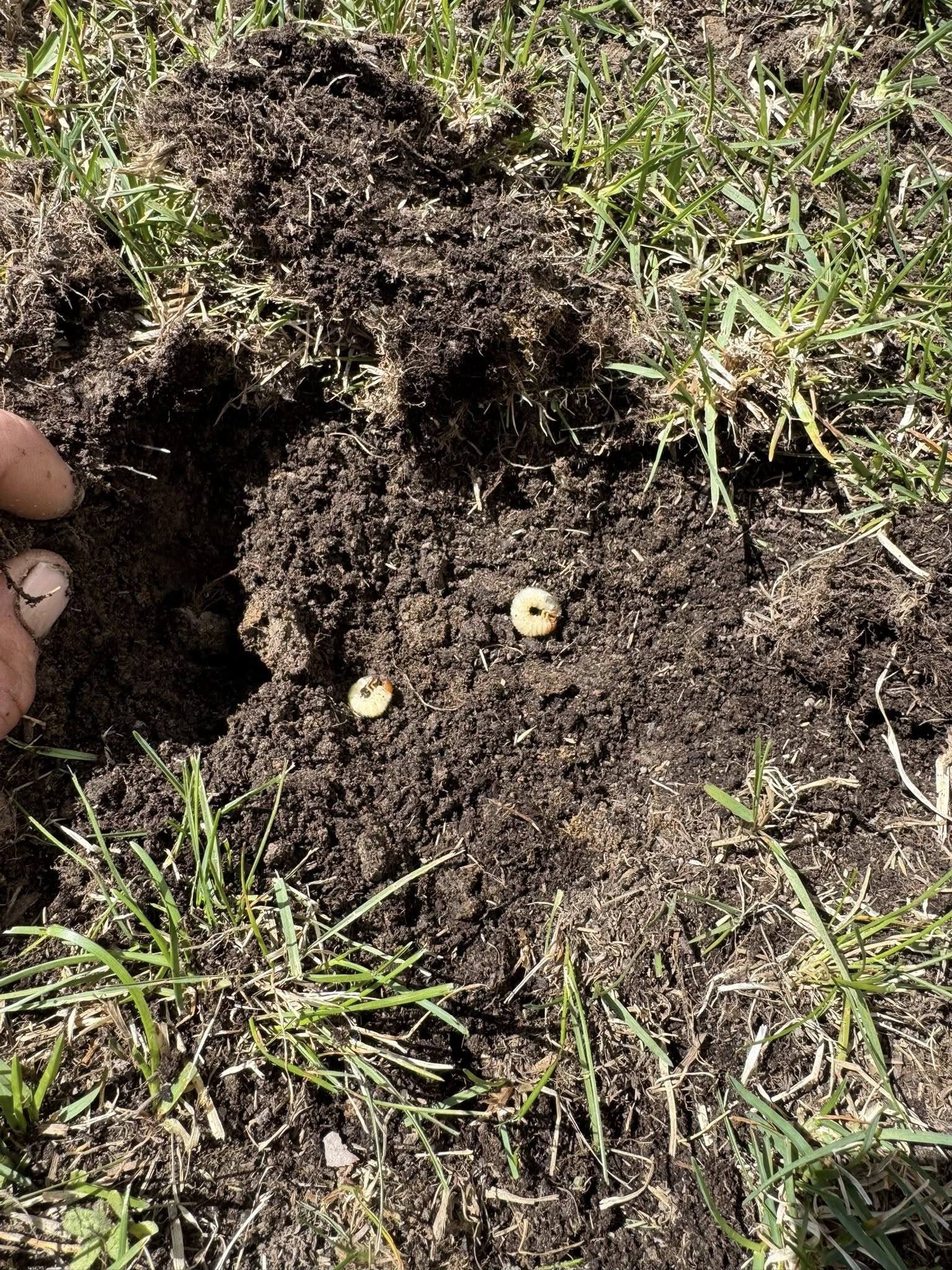
Grub damage in particular is something I keep an eye on out here. When I see irregular brown patches with a spongy feel underfoot — where you can almost roll the turf back like a carpet — that’s almost always grubs. The patches look like drought damage at first, but the giveaway is that the sod lifts because the roots have been eaten through at the soil level.
If grub damage is confirmed, the lawn care approach changes. You’re not dealing with a soil or care problem at that point — you’re dealing with a pest problem that needs to be addressed first. Treating the symptom with overseeding while the grubs are still active is a waste of time and money. Identify it, treat it properly, then restore the affected areas.
I also pay more attention to the edges of Chelmsford properties — where the lawn meets the bush, the ditch, or the treeline. These edges are where weeds and invasive grasses push in most aggressively. Keeping them properly trimmed and managed is part of maintaining a Chelmsford lawn that doesn’t gradually get taken over from the outside in.
What Good Lawn Care Actually Looks Like Out Here

Given all of the above, here’s how I actually approach grass cutting and lawn care differently on Chelmsford properties compared to a standard urban Sudbury lot.
I treat different zones on the property differently. Shaded areas under trees get left a bit longer — three and a half inches rather than three. Low spots that collect moisture get monitored more carefully for fungal issues. The edges near bush or treelines get trimmed more attentively. One approach across the whole property doesn’t work on a larger, varied lot.
I build in more flexibility for weather. On a dry stretch, larger Chelmsford properties often need watering attention sooner than smaller urban lots because the soil dries out faster. I’ll flag this to homeowners early in the season rather than waiting for the lawn to show stress. Being ahead of the problem is always easier than recovering from it.
I do a more thorough spring assessment. Before the first cut of the season on a Chelmsford property, I walk the whole lot looking for winter damage, grub activity, drainage changes, and anything that came up through the off-season. On a bigger property with more variation, skipping that assessment means playing catch-up all summer.
I’m upfront about what the property can realistically look like. Some sections of some Chelmsford properties — heavily shaded corners, areas with poor drainage, spots that have ongoing grub or wildlife pressure — are never going to look like a show lawn no matter what you do. I’d rather set accurate expectations than have a homeowner disappointed at the end of the season because one corner still looks rough despite everything else improving.
If you’re in Chelmsford and you’ve been dealing with lawn problems that other services haven’t been able to sort out — or you just want someone who actually knows the area and will give your property the attention it needs — reach out. I’m out here regularly and I’m happy to come take a look.
— Ryan Lingenfelter
Cutting Edge Lawn & Landscaping, Garson, Ontario
📞 705-507-6787
Serving Chelmsford and all of Greater Sudbury — Garson, Hanmer, Val Caron, Lively, Azilda, Capreol, and Sudbury proper. We offer grass cutting, core aeration, sod installation, and full property maintenance. Free quotes, no pressure.
Get a Free Quote |
Call 705-507-6787
