
By Ryan Lingenfelter — Owner, Cutting Edge Lawn & Landscaping · Garson, Ontario · Serving Greater Sudbury since 2020
For the first couple of years I was doing this work in Sudbury, I recommended robotic lawn mowers to homeowners who asked about equipment upgrades. The pitch made sense to me at the time — consistent cutting schedule, no effort required, good for people who travel or have busy weeks. The technology had improved enough by 2020 that I thought it was worth recommending as a real option for Greater Sudbury properties.
I stopped recommending them in 2022. Not because the technology got worse — it’s actually gotten better. But because I started seeing a consistent pattern on properties where homeowners had switched to robotic mowers, and the pattern wasn’t good for the lawns.
Here’s what I noticed, why it matters specifically in Sudbury, and what I tell homeowners now when they ask about robotic mowers.
What I Started Noticing on Robotic Mower Properties
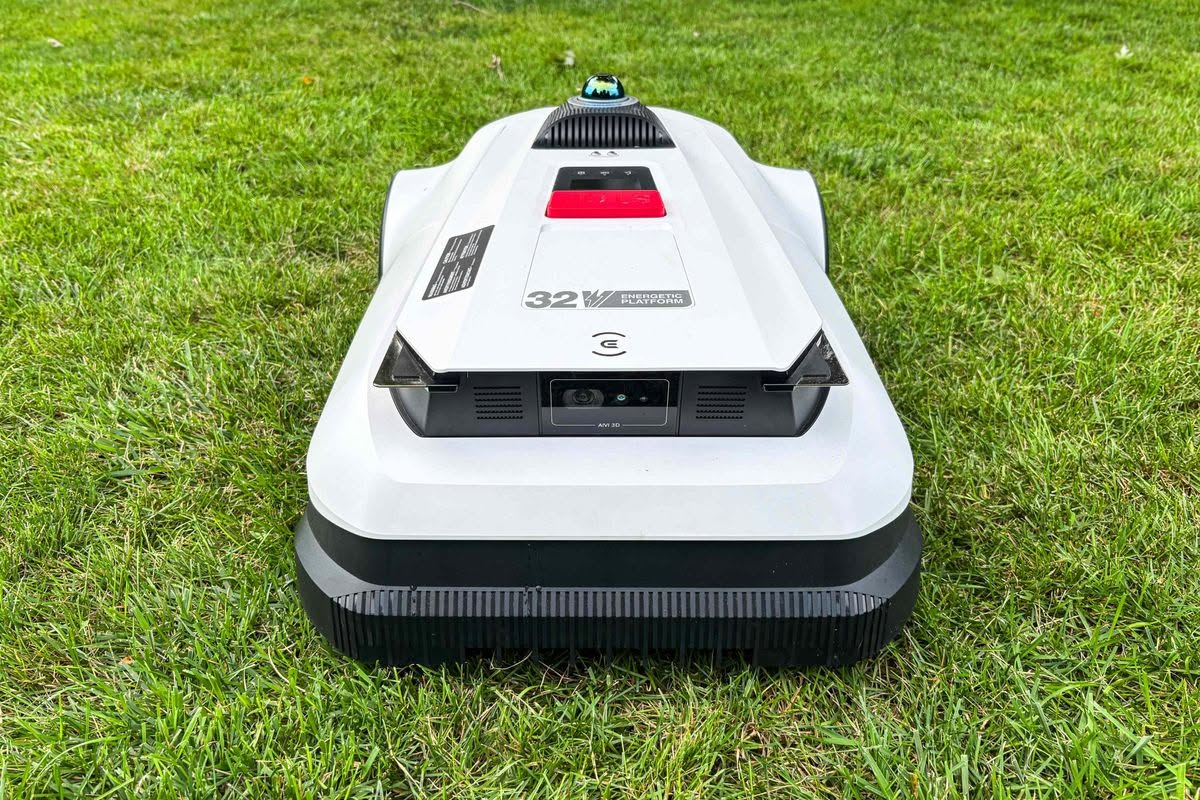
The first property that made me pay attention was a customer in the Hanmer area who’d switched to a robotic mower the spring before I started working with them. The lawn had been in decent shape the year before — I’d seen photos. When I first walked it, it was thinner than it should have been, with a pale colour and a texture that suggested stress rather than health.
The robotic mower was set at what the manual described as a “normal” height — about 4 to 5 centimetres, roughly an inch and three-quarters to two inches. It ran daily, sometimes twice daily, cutting tiny amounts of grass each pass to maintain that height continuously.
That’s the design philosophy of robotic mowers — cut a little, very often, to maintain a consistently short sward. It’s fine for certain grass types in certain climates. It’s a problem for cool-season grasses in Sudbury.
Our primary grass species — the fescues, the Kentucky bluegrass, the ryegrasses that make up most Sudbury lawns — are cool-season grasses that need height to thrive in our specific conditions. I’ve written extensively about why three inches is the minimum cut height for Sudbury lawns and what short cutting does to root depth and summer resilience. Robotic mowers, by design, maintain lawns at heights well below that threshold — and they do it continuously, every day, without the variation that allows recovery.
The daily cutting pattern also never allows the lawn to reach the point where the plant has built meaningful leaf area since the last cut. Traditional mowing — weekly, at the right height — takes off about a third of the blade and then allows several days of growth before the next cut. That cycle allows the grass to maintain photosynthetic capacity, build root reserves, and recover between cuts. Daily robotic mowing interrupts that cycle constantly.
Why Sudbury’s Conditions Make This Worse Than Elsewhere
Robotic mowers work better in climates and grass types where shorter, denser cutting is the right approach — warm-season grasses in warmer climates, or fine-bladed luxury turf varieties that are specifically bred for low-height maintenance. Neither of those describe typical Sudbury residential lawns.
Our climate adds specific pressure. Sudbury’s shallow Canadian Shield topsoil, shorter growing season, and severe freeze-thaw cycles already put grass under more stress than in southern Ontario. Adding continuous low-height cutting to that stress compounds the problem significantly. A lawn that’s already working harder than a southern Ontario lawn to maintain root depth and moisture reserve doesn’t benefit from daily cutting at heights that prevent it from building the leaf area it needs.
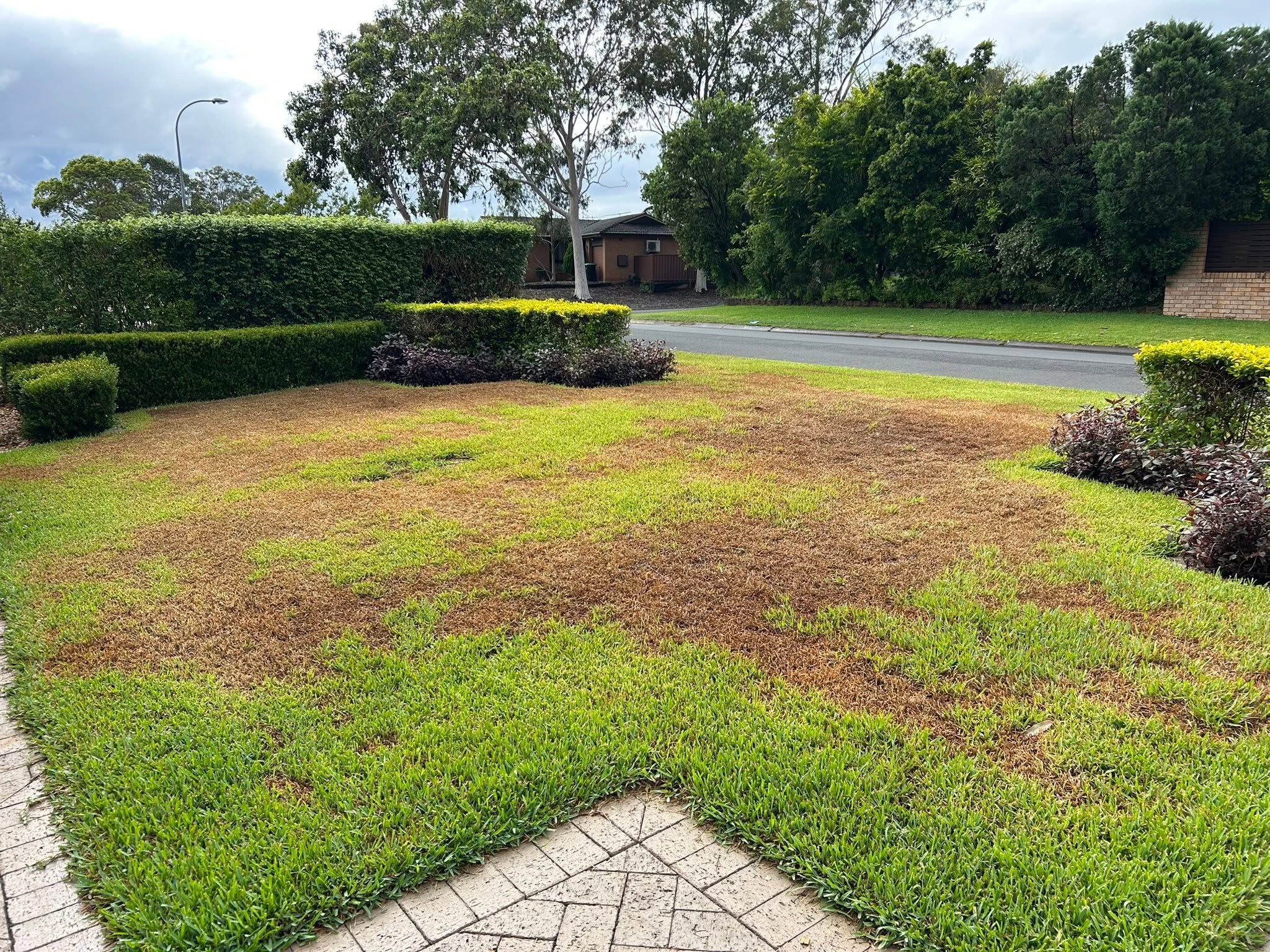
The July stress period is where the damage becomes most visible. Lawns maintained by robotic mowers consistently go brown earlier in July than lawns maintained at proper heights with weekly cutting. The shallow roots created by continuous low cutting have less moisture reserve and fail faster under heat stress. By mid-July, the contrast between a robotic mower property and a properly maintained property next door is often striking — the robotic mower lawn significantly more stressed, the traditionally maintained lawn holding colour and density.
I’ve also noticed increased thatch on robotic mower properties over time. The very fine clippings produced by frequent cutting don’t decompose the same way that normal-length clippings do — they compact into the thatch layer rather than cycling back into the soil. After two or three seasons, the thatch on a robotic mower property can be substantially thicker than on a comparable property with traditional weekly mowing.
What I Tell Homeowners Now When They Ask
When a Sudbury homeowner asks me about robotic mowers now, I give them the honest version — which is neither a blanket recommendation nor a blanket condemnation.
If you have a small, simple, relatively flat property with good topsoil and you’re primarily after convenience — a robotic mower can work, with caveats. Set it as high as it will go. Raise the cut height setting above the manufacturer’s “normal” recommendation to get as close to three inches as the machine allows. Accept that you may see more summer stress than with traditional mowing, and compensate with deeper watering habits from spring.
If you have a typical Sudbury property — moderate size, some variability in terrain and conditions, cool-season grass mix, any of the challenges our specific climate creates — I don’t recommend a robotic mower as a primary maintenance approach. The height limitation is the fundamental problem, and it’s built into how the machines are designed to work. It’s not something you can fully overcome with settings.
What I recommend instead for homeowners who want lower-effort lawn maintenance is a different framing entirely. Rather than automating the cutting, invest in getting the foundation right — annual core aeration, proper overseeding, correct watering habits established early in the season — and then hire a service for the weekly cutting rather than buying a robotic mower. The cutting service maintains the right height consistently. The foundation work produces a lawn that handles our conditions well. The total cost over five years is often comparable to a quality robotic mower system, and the lawn outcome is significantly better.
This connects to something I try to say clearly when homeowners are thinking about equipment purchases: the best looking Sudbury lawns almost never have complicated equipment stories behind them. They have simple equipment — a decent traditional mower — used correctly and consistently, on top of good soil preparation. The equipment is rarely the limiting factor. The approach is.
The Broader Point About Equipment Recommendations in Lawn Care
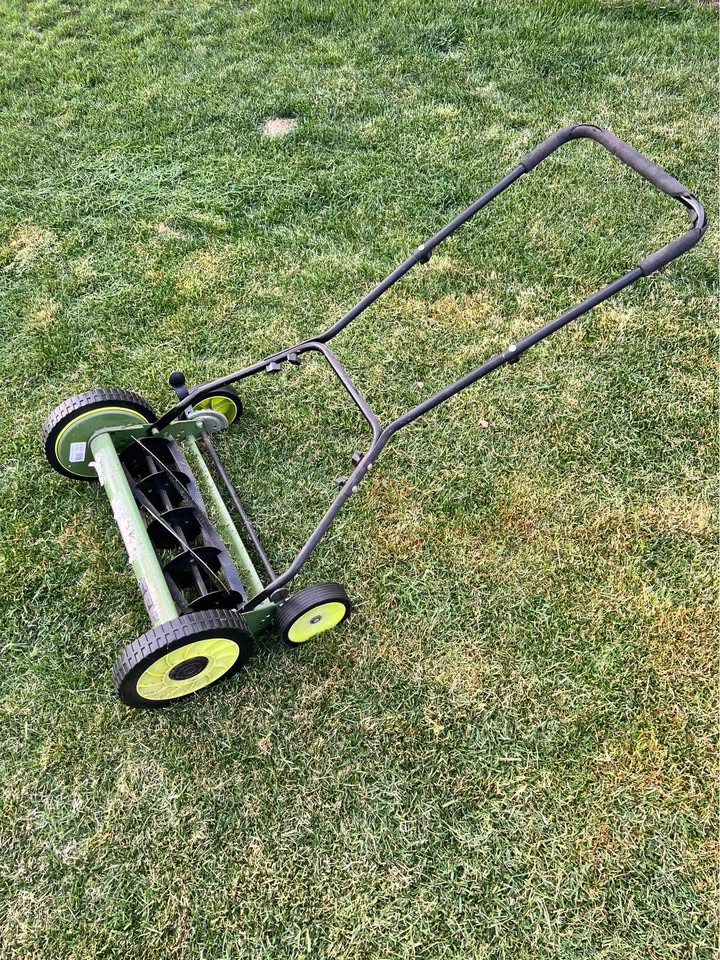
I stopped recommending robotic mowers because I was seeing evidence on actual Sudbury properties that the recommendation wasn’t producing good outcomes. That’s the threshold I try to use for any recommendation — not what sounds good theoretically, not what’s popular, but what I’m actually observing on lawns in Greater Sudbury over time.
The same standard applies to products. I’ve backed away from recommending certain fertilizer programs that showed up well in marketing but didn’t produce the improvements I expected on Sudbury’s acidic, shallow-soil conditions. I’ve stopped recommending certain overseeding approaches that work well in southern Ontario but underperform here because of our specific climate and soil chemistry.
What I’ve found reliable in Sudbury is fairly simple and fairly consistent. The seasonal approach that works here — spring aeration, consistent height, deep watering, fall overseeding — doesn’t require sophisticated equipment. It requires doing straightforward things correctly and consistently. The equipment that supports that approach doesn’t need to be complicated. It needs to cut at the right height and maintain a consistent schedule.
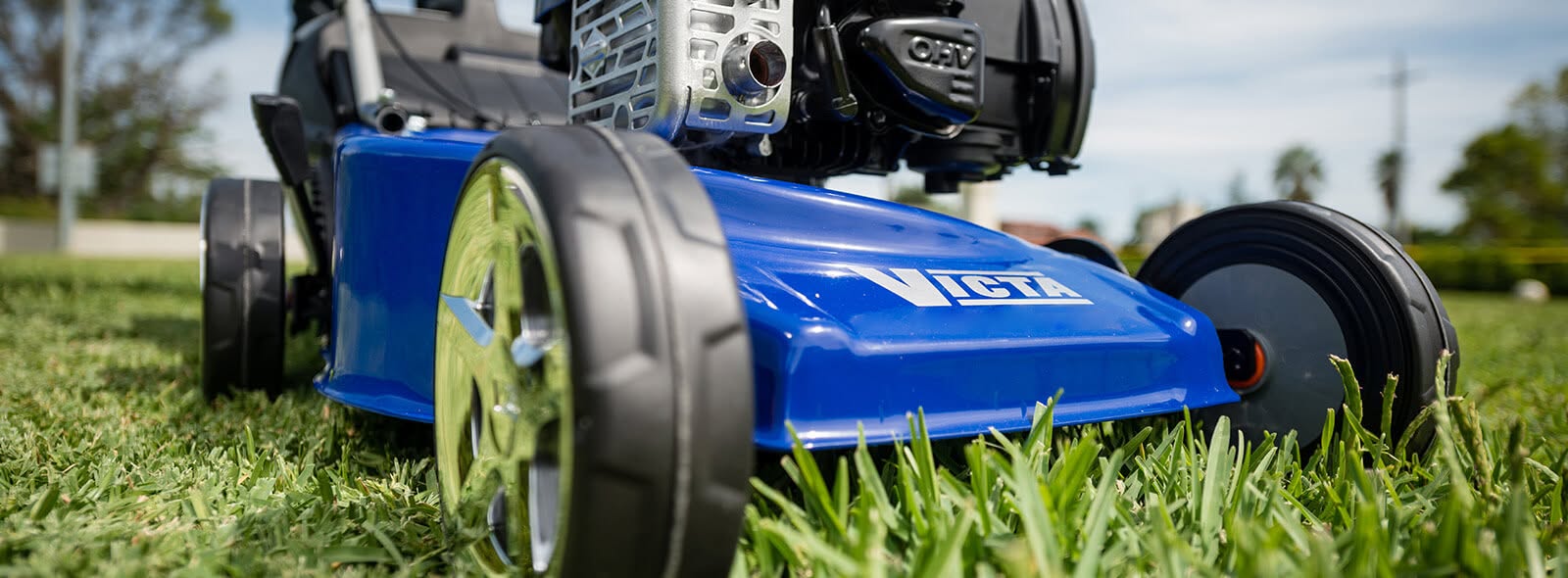
A sharp blade on a properly set traditional mower, used weekly at three inches, will produce a better Sudbury lawn than a robotic system cutting daily at two inches. Every time. The technology is less important than the approach.
If you’re thinking about equipment purchases for your Sudbury lawn — or if you already have a robotic mower and you’re wondering why the lawn isn’t performing the way you expected — reach out. I’m happy to come look at the property and give you an honest read on what’s actually limiting it and what would actually help.
— Ryan Lingenfelter
Cutting Edge Lawn & Landscaping, Garson, Ontario
📞 705-507-6787
Serving all of Greater Sudbury — Garson, Hanmer, Val Caron, Lively, Chelmsford, Azilda, Capreol, and Sudbury proper. We offer grass cutting, core aeration, property cleanup, sod installation, and full lawn maintenance. Free quotes, no pressure.
Get a Free Quote |
Call 705-507-6787
