By Ryan Lingenfelter — Owner, Cutting Edge Lawn & Landscaping · Garson, Ontario · Serving Greater Sudbury since 2020
This is one of those decisions I get asked about constantly — especially in spring, when people are looking at their yard after the snow melts and trying to figure out what they’re actually dealing with.
The honest answer is: it depends. And I know that’s not what people want to hear. But there’s a real difference between a lawn that needs some targeted repairs and one that needs to come out entirely and start fresh. Making the wrong call costs you time and money either way — doing too little when you should replace, or tearing out sod that could have been saved.
After doing this work across Greater Sudbury for a few years now, I’ve developed a pretty clear process for making this call. Let me walk you through it.
First: Understand What You’re Actually Looking At
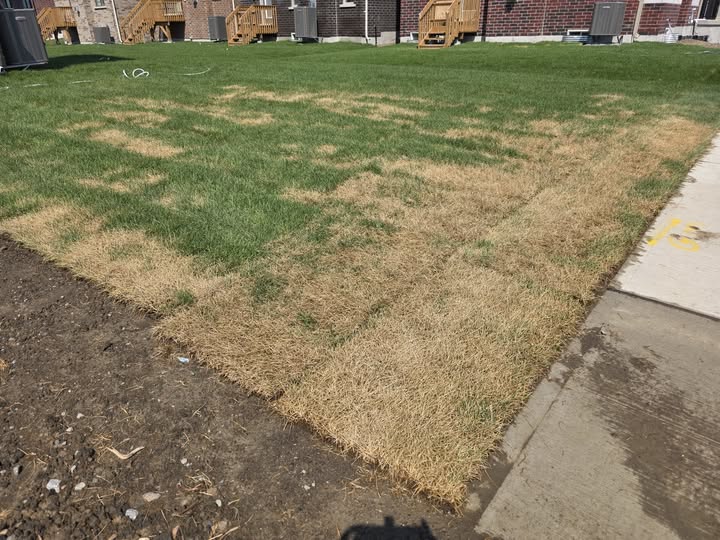
Before you decide anything, you need to actually diagnose what’s going on. A lot of people see a brown or patchy lawn and assume the worst. But brown grass after a Sudbury winter doesn’t automatically mean dead grass. There’s a difference between dormant grass, stressed grass, and grass that’s genuinely dead and gone.
Here’s the quick test I use on every property: grab a handful of grass and tug gently. If the grass pulls away from the soil easily with no resistance — like it’s not rooted at all — that’s dead sod. If it holds, even a little, there’s likely still life in the root system.
Also look at the colour more carefully. A uniform yellow or straw colour across the whole lawn often means dormancy — it came back last year, it’ll likely come back again. Irregular brown patches with grey or white colouring, or areas where the soil underneath looks bare and crusty, are more concerning.
Take note of how much of the lawn is affected. I’ll get to why that number matters in a minute.
When I Say Repair Is the Right Call
Repair — meaning overseeding, patching, aeration, and targeted care — is the right call when the damage is limited and the underlying lawn structure is still solid. Specifically, I lean toward repair when:
- Less than 40–50% of the lawn is damaged. When more than half your lawn is still healthy and rooted, it’s worth working with what you have. The good areas will fill in over time with the right care, and targeted patching handles the rest.
- The damage is from a specific cause that’s been fixed. Dog spots, a patch killed by a spill, a section that got overshadowed by a temporary structure — these are isolated problems. Once the cause is gone, the lawn can recover with proper repair work.
- The soil underneath is still in decent shape. If I dig down a few inches and the soil is reasonably loose, dark, and workable — not compacted clay or filled with debris — repair work will actually take hold.
- The lawn has a good history. If it was healthy the last few years and this is the first bad season, repair almost always makes more sense than a full replacement.
For repair situations, our typical approach is: spring cleanup, core aeration across the whole lawn, overseeding the damaged areas with a quality cold-climate seed mix, starter fertilizer, and consistent watering. Most repaired lawns in Sudbury are looking noticeably better within four to six weeks of this treatment.
When I Say Replace It Entirely
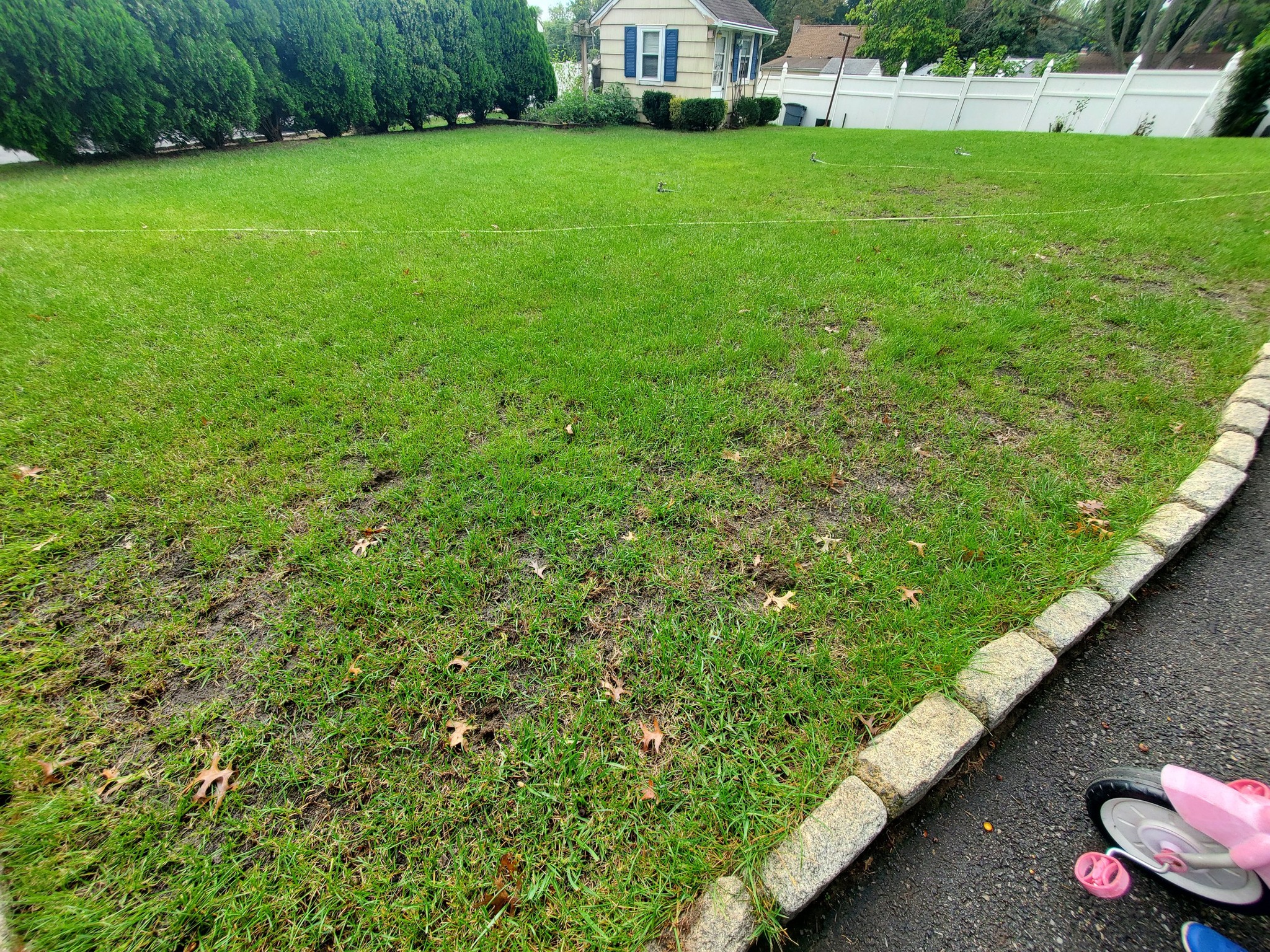
There are situations where trying to repair is just throwing money at a problem that won’t respond. Full sod replacement is the right call when:
- More than 50–60% of the lawn is dead or beyond recovery. At that point, you’re not repairing a lawn — you’re rebuilding one. You might as well do it properly with fresh sod or a full seeding rather than patching a surface that’s mostly gone.
- There’s a serious underlying soil problem. If the soil is heavily compacted, full of construction debris, has poor drainage, or is mostly clay with no organic matter, no amount of overseeding is going to fix the real issue. The soil needs to be addressed first, and once you’re doing that level of work, a full replacement makes more sense.
- The lawn has been struggling for multiple seasons. If you’ve tried repairs before — overseeding, fertilizing, watering properly — and the lawn keeps declining or won’t fill in, that’s usually a sign of a deeper problem. Continuing to patch it wastes money. Start fresh, fix the soil, and do it right.
- There’s significant weed or pest infestation. If the lawn is more weeds than grass, or if grubs have destroyed the root system across a large area, repair is working against you. A full renovation lets you start clean.
- The homeowner is selling or the property needs to look good fast. Repaired lawns take weeks to fill in. Freshly installed sod looks finished within days. If the timeline matters, that factors into the decision too.
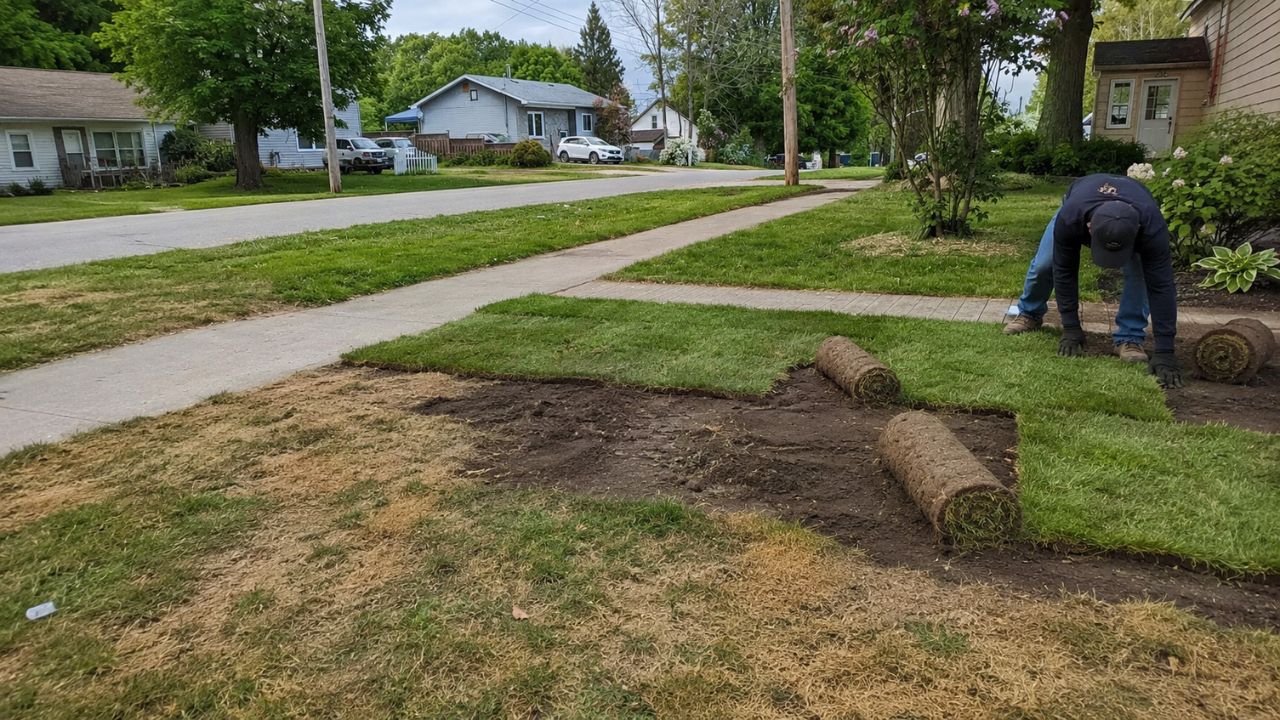
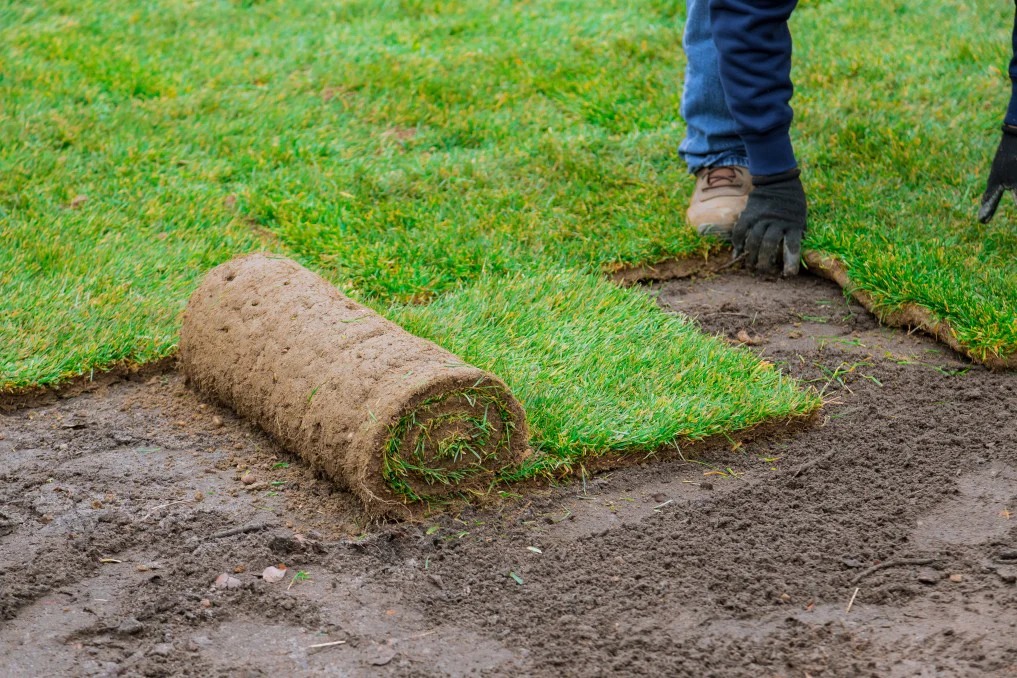
Full replacement means stripping or killing the existing lawn, grading and amending the soil properly, and either laying fresh sod or doing a full seeding depending on the budget and timeline. It’s more work and more cost upfront — but when the situation calls for it, it’s the only approach that actually solves the problem.
The Grey Zone — And How I Handle It
Sometimes it’s not a clear-cut call. The lawn is maybe 45% damaged. The soil is okay but not great. The homeowner has a limited budget but wants a good result.
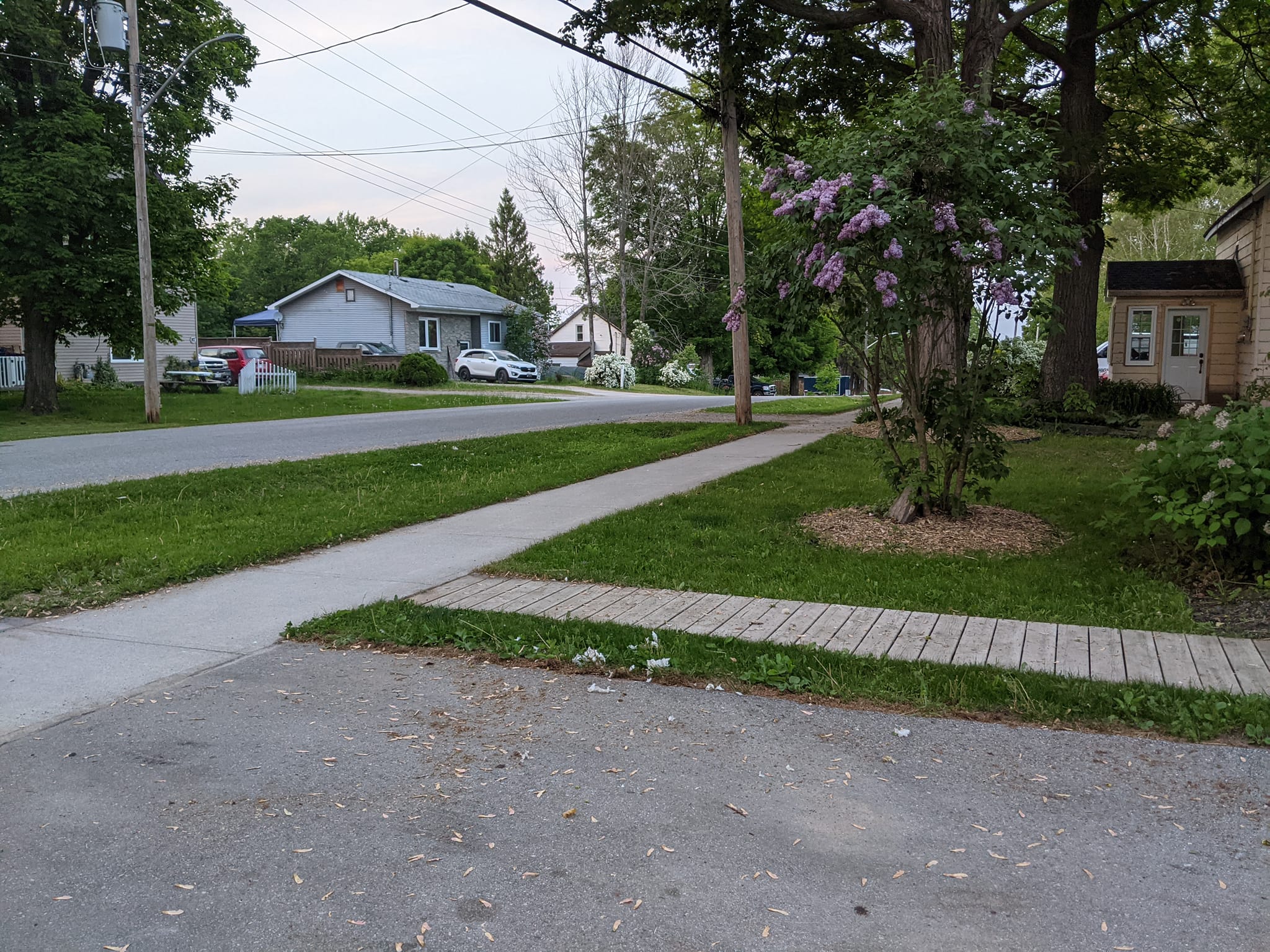
In those cases, I’m always honest with people about both paths — what repair will look like, how long it’ll take, what the realistic outcome is. And what a full replacement would cost and what it would give them in return. I’d rather have that conversation upfront than have someone spend money on repairs that don’t work out and then need to replace anyway.
Sometimes we do a hybrid approach — repair the areas that are genuinely salvageable, and replace or re-sod the sections that are too far gone. It’s not always the cleanest solution visually at first, but with the right seed match and care, it comes together over a season.
The one thing I won’t do is tell someone to replace everything just because it’s a bigger job. That’s not how I operate. If repair is the honest answer, that’s what I’ll say.
Quick Reference: Repair or Replace?
| Situation | Repair | Replace |
|---|---|---|
| Less than 40–50% damaged | ✅ Yes | |
| More than 50–60% damaged | ✅ Yes | |
| Isolated patches from known cause | ✅ Yes | |
| Serious soil compaction or drainage issue | ✅ Yes | |
| First bad season after years of healthy lawn | ✅ Yes | |
| Multiple seasons of decline despite care | ✅ Yes | |
| Heavy weed or grub infestation | ✅ Yes | |
| Need fast results (selling, events) | ✅ Yes | |
| Grass still rooted, just stressed | ✅ Yes |
Not Sure What You’re Dealing With? Let Me Come Take a Look
The best way to make this call properly is to actually see the lawn. Photos help, but walking the property, checking the soil, testing the root hold — that’s what gives you a real answer.
If you’re in Greater Sudbury — Garson, Hanmer, Val Caron, Lively, Chelmsford, Azilda, Capreol, or Sudbury itself — I’m happy to come out and give you an honest assessment. No pressure, no upsell. Just a straight answer on what your lawn actually needs and what it’ll cost.
— Ryan Lingenfelter
Cutting Edge Lawn & Landscaping, Garson, Ontario
📞 705-507-6787
Ready to get your lawn sorted this season? We handle sod repair, full sod installation, core aeration, overseeding, and ongoing lawn maintenance across all of Greater Sudbury. Free quotes, honest advice.
Get a Free Quote |
Call 705-507-6787
