

June is the month that decides what your lawn looks like for the rest of the summer.
Get it right in June and you’ll have a lawn that handles July heat, stays green through dry stretches, and doesn’t need emergency work come August. Get it wrong — or skip it entirely — and you’ll be dealing with brown patches, thin spots, and weeds from July through September.
I’m Ryan Lingenfelter, owner of Cutting Edge Lawn & Landscaping in Garson, Ontario. I’ve maintained residential and commercial properties across Greater Sudbury since 2020 — Garson, Val Caron, Hanmer, Lively, Chelmsford, Azilda, Capreol. Every year I watch the same pattern play out. The homeowners who do the right things in June have great lawns all summer. The ones who don’t are calling me in August asking how to fix the damage.
Here’s exactly what your Sudbury lawn needs in June — and what you can skip.
What’s Actually Happening to Your Lawn in June
Before I tell you what to do, I want to explain what’s going on with your grass right now — because it changes how you should treat it.
Cool-season grasses — which is what almost every lawn in Greater Sudbury is made of — have two peak growing periods each year. Spring and early fall. June sits right at the tail end of the spring growth flush and the beginning of the transition into summer stress.
What that means practically: your grass is growing fast right now, but it’s also starting to feel the pressure of longer days, warmer temperatures, and less consistent rainfall. The roots are trying to push deeper into the soil before the heat arrives. Everything you do in June either helps those roots get established or works against them.
This is also the month when compaction from the winter really starts showing its damage. The lawn looked okay in May when there was moisture everywhere. June is when the soil structure problems become visible — patches that dry out faster than the rest, areas that won’t green up no matter how much you water.
With that context, here’s what to actually do.
Mowing — The One Rule That Matters Most in June
Three inches. That’s your mowing height for June. Don’t go lower.
I know a lot of homeowners like a short, tight lawn. It looks neat. But cutting below three inches in June is the single fastest way to stress your grass heading into summer. Here’s why.
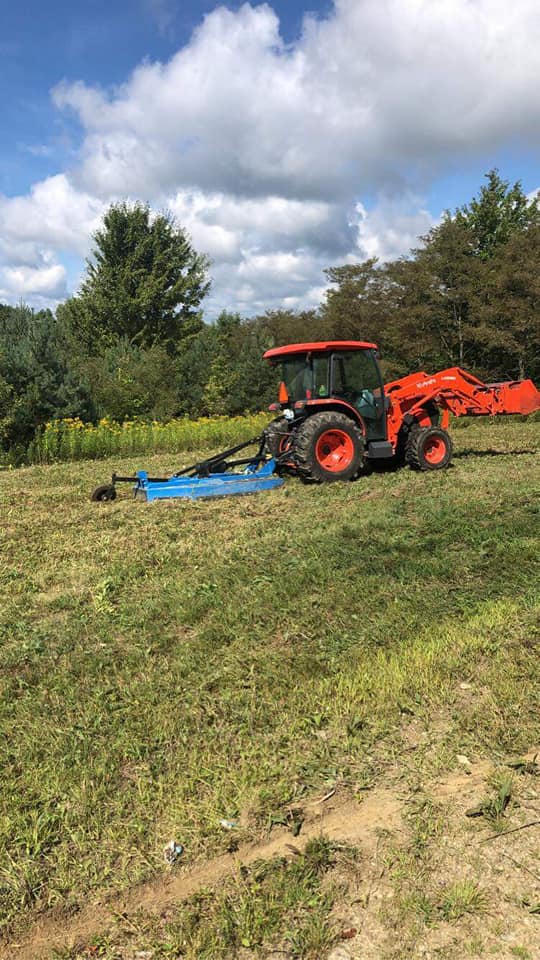
The grass blade is where the plant produces its energy. Cut it short and you’re removing most of the plant’s ability to feed itself. The root system responds by stopping its downward growth — there’s no point in growing deep roots if the top of the plant can’t feed them. You end up with shallow roots heading into July, which is exactly when deep roots matter most.
Three inches keeps the blade long enough to shade the soil surface — which reduces evaporation and keeps the root zone cooler. It keeps the root system growing down. And it makes the lawn more forgiving during dry stretches because those deeper roots can pull moisture from further down in the soil profile.
In June, I’d also recommend mowing more frequently rather than waiting until the grass gets long. Taking off more than a third of the blade height at once — the “one-third rule” — stresses the grass. In June when it’s growing fast, that might mean cutting every five to six days instead of every seven to ten.
Watering — How to Do It Right This Month
June in Sudbury is unpredictable. Some years we get regular rain through the whole month. Some years we hit a dry stretch in early June that doesn’t break until July. You need to be ready for both.
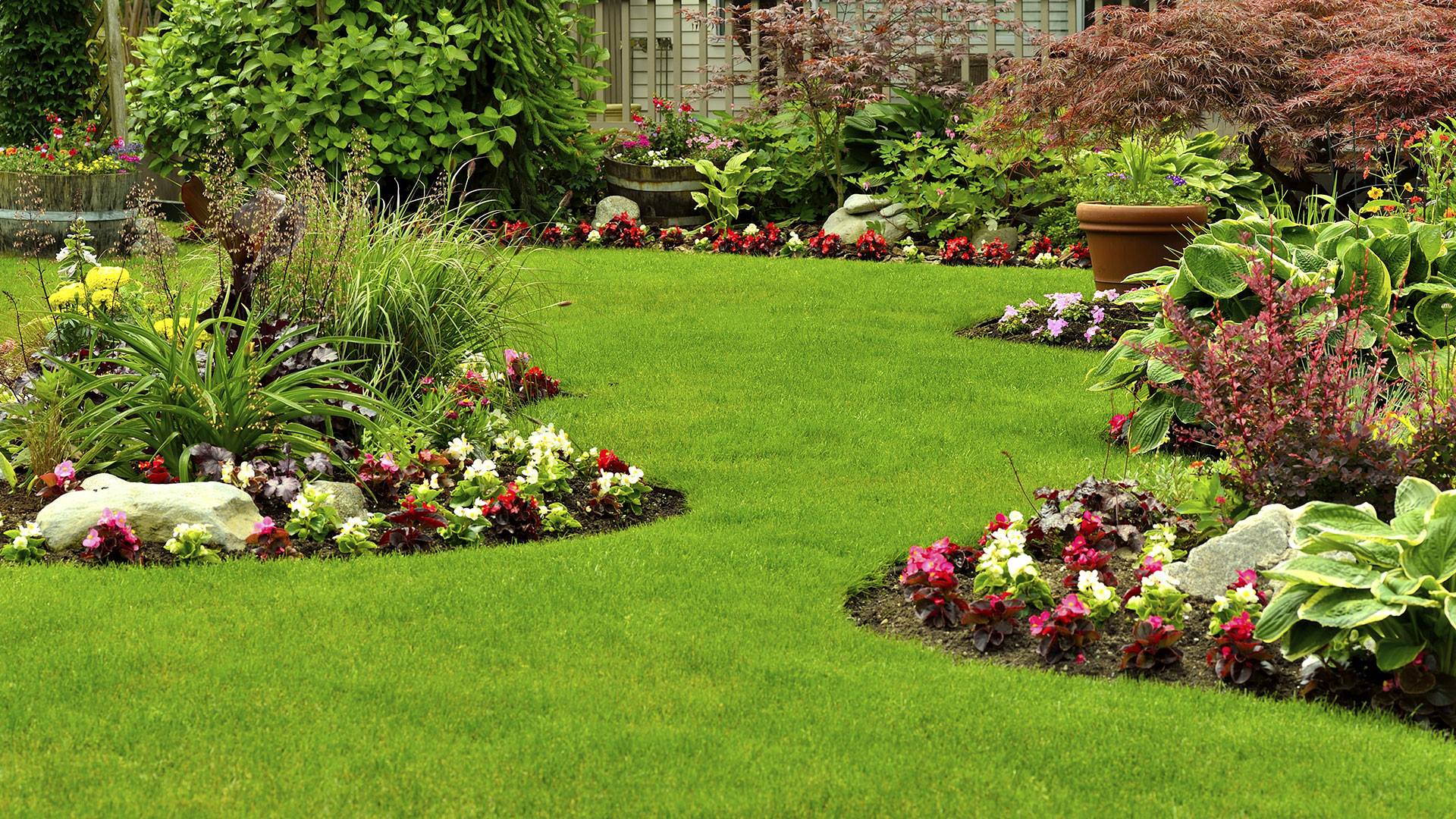
Here’s my general rule for June watering on Sudbury lawns: one inch of water per week, delivered in two deep sessions rather than daily light watering.
The reason for deep, infrequent watering is root depth. When you water lightly every day, the moisture only penetrates the top inch or two of soil. The roots follow the moisture and stay shallow. When you water deeply twice a week — long enough for the water to penetrate four to six inches down — the roots chase the moisture downward. You’re training your lawn to be drought-resistant before the heat arrives.
The best time to water in June is early morning — between 5am and 9am. The water soaks in before the heat evaporates it, and the grass blades dry out during the day which reduces the risk of fungal problems. Evening watering leaves the lawn wet overnight, which is exactly the condition fungal disease needs to get established.
How do you know if you’ve hit an inch? Put a small container — a tuna can works perfectly — on the lawn while you’re running the sprinkler. When it’s full, you’ve hit an inch. Time how long that takes, and use that as your watering duration going forward.
Aeration — If You Haven’t Done It Yet, June Is Still a Good Window
I always recommend late May as the ideal timing for spring aeration on Sudbury lawns. But if May passed and you didn’t get to it, early to mid-June is still a solid window — especially if we haven’t hit a prolonged heat stretch yet.
The reason aeration matters so much right now is that Sudbury winters compress the soil significantly. Freeze-thaw cycles, snow load, frozen ground — it all tightens the soil structure. Compacted soil stops water and oxygen from reaching the root zone properly, and that’s the underlying cause of a lot of the browning and thinning that shows up on Sudbury lawns in July.
Core aeration pulls plugs of soil out of the ground, opens those channels back up, and gives the roots room to grow. Done in early June, the lawn has the entire summer to take advantage of it. Done in late July, you’ve missed the window where it makes the most difference.
If you’re on the fence, here’s my honest advice: do it in June. I’ve never had a Sudbury homeowner come back to me in August and say they wished they hadn’t aerated. I’ve had plenty come back wishing they had.
Fertilizing — What I Actually Recommend in June
This is where I’ll give you a slightly different answer than you might expect.
Most lawn care guides tell you to fertilize in June. And there’s a version of that advice that’s correct. But there’s also a version that backfires badly on Sudbury lawns, and I want to make sure you’re doing the right thing.
High-nitrogen fertilizer in June pushes fast, lush top growth. That sounds good. The problem is that all that energy going into producing blade growth is energy that’s not going into root development. You get a lawn that looks great in June, has shallow roots, and then struggles badly when July heat arrives.
If you’re going to fertilize in June, use a slow-release fertilizer with a balanced ratio — not a high-nitrogen quick-release product. Slow-release feeds the lawn gradually over six to eight weeks rather than giving it a spike of nitrogen that forces fast growth.
My honest recommendation for most homeowners: if you fertilized properly in May, skip the June fertilizer application and focus on mowing height and watering instead. Those two things will do more for your lawn’s summer performance than a mid-season fertilizer application.
If you didn’t fertilize in spring at all, a light slow-release application in early June is worthwhile. Just don’t overdo it.
Weeds — What to Do and What to Leave Alone
June is when weeds really start showing up on Sudbury lawns. Dandelions that went to seed in May are now spreading. Creeping Charlie starts filling in thin spots. Crabgrass begins germinating as the soil warms.
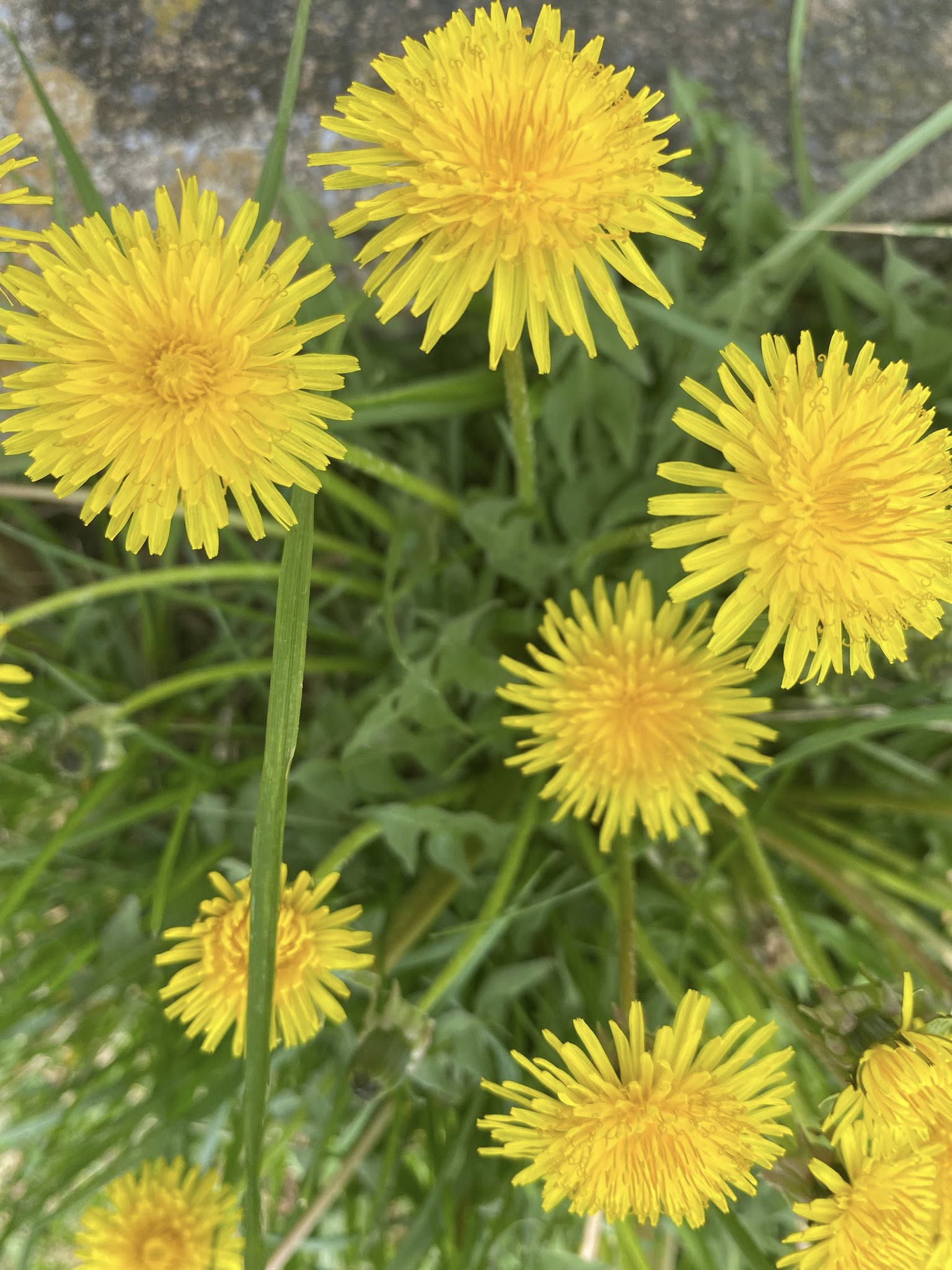
Here’s my practical take on June weeds.
The best weed control on a Sudbury lawn is a thick, healthy turf. Weeds fill in where grass is thin or stressed. Everything I’ve told you above — correct mowing height, deep watering, aeration — is also weed prevention. A dense lawn at three inches doesn’t give weed seeds the light and space they need to germinate.
For spot treatment of existing weeds, a selective broadleaf herbicide applied in early June works well — the weeds are actively growing and absorb it quickly. Avoid spraying on hot days above 25°C because the herbicide can volatilize and drift onto plants you’re not trying to kill. Early morning application on a calm day is ideal.
Crabgrass is a different situation. Once it’s germinated and visible, post-emergent crabgrass control products can suppress it but won’t eliminate it completely. The better play is prevention — pre-emergent herbicide applied in late April or early May before the soil hits 12°C. If you missed that window this year, note it for next spring.
One thing I’d caution against: applying weed-and-feed products in June. The fertilizer component encourages top growth at a time when you want root development, and you’re often applying it to areas of the lawn that don’t actually need the feed.
Watching for Problems — What to Catch Early in June
June is when I do a proper walk-through of every property I maintain. Here’s what I’m looking for, and what you should be looking for on your own lawn.
Brown or yellowing patches
If you’re seeing patches that aren’t greening up with the rest of the lawn, something specific is causing it. It could be compaction, mowing height, dog urine, or the beginning of a grub problem. I wrote a full guide on diagnosing brown patches here — it’ll walk you through how to tell the difference.
Thatch buildup
Grab a handful of grass and pull it back slightly. If there’s more than half an inch of spongy brown material between the soil surface and the green blades, you’ve got significant thatch. Aeration helps break it down. Heavy thatch also blocks water from reaching the soil, which makes everything else you’re doing less effective.
Uneven growth
If some sections of your lawn are growing noticeably faster or slower than others, it usually points to a soil issue — compaction in the slow areas, or a drainage problem in areas that are growing too fast and lush. Note these spots and address them — they’ll become problem areas by August if you don’t.
Signs of grubs
Increased bird activity on your lawn — robins and starlings digging around — is one of the earliest signs of a grub population. If you’re seeing this in June, it’s worth checking. Pull back a section of turf and look for white C-shaped larvae in the top two to three inches of soil. More than five or six per square foot is a problem worth treating now, before the damage becomes visible.
What You Can Skip in June
Just as important as knowing what to do is knowing what not to waste time and money on.
- Overseeding. June is too hot and dry for new grass seed to establish reliably in Sudbury. Save overseeding for late August to mid-September when conditions are right.
- High-nitrogen quick-release fertilizer. As I mentioned above — it pushes the wrong kind of growth at the wrong time.
- Dethatching if thatch is under half an inch. Some thatch is normal and actually beneficial. Dethatching a lawn that doesn’t need it causes unnecessary stress heading into summer.
- Watering daily. I know it feels like you’re helping. You’re not. Deep twice-weekly watering builds a better lawn than daily light watering every time.
The June Lawn Care Checklist for Sudbury Homeowners

- ☐ Set mower to 3 inches — leave it there all month
- ☐ Mow every 5-6 days while grass is growing fast
- ☐ Water deeply twice a week — one inch total
- ☐ Water in the morning, not the evening
- ☐ Book core aeration if you haven’t done it yet
- ☐ Apply slow-release fertilizer if you skipped spring feeding
- ☐ Spot-treat broadleaf weeds early in the month
- ☐ Walk the lawn and note any problem areas
- ☐ Check for grubs if you see increased bird activity
When to Call Someone vs. Handle It Yourself
Most of what I’ve covered above is genuinely doable by any homeowner with a bit of time on a weekend. Mowing height, watering schedule, basic weed control — this is maintenance, not complicated work.
Where I’d recommend calling a professional:
- You want core aeration done properly with commercial equipment
- You’re seeing problem areas you can’t diagnose on your own
- You want consistent cuts at the right height without thinking about it — that’s what our grass cutting service is for
- You want a property cleanup done before summer sets in
If you’re in Greater Sudbury and want to talk through what your specific lawn needs this month, call me at 705-507-6787 or fill out the free quote form here. I’m happy to take a look and give you a straight answer.
June goes fast. The lawns that look great in August are the ones that got the right attention now.
Frequently Asked Questions
What should I do to my lawn in June in Sudbury?
The highest-impact things you can do in June are: set your mowing height to 3 inches and keep it there, switch to deep twice-weekly watering instead of daily light watering, and book core aeration if you haven’t done it yet. These three things will do more for your lawn’s summer performance than anything else.
Should I fertilize my lawn in June in Ontario?
If you fertilized properly in May, you can skip June. If you didn’t fertilize in spring, apply a light slow-release fertilizer in early June — avoid high-nitrogen quick-release products which push top growth at the expense of root development heading into summer heat.
How often should I cut my grass in June in Sudbury?
Every five to six days during the fast-growth period of June. Keep the blade at 3 inches and never remove more than one-third of the blade height in a single cut. Waiting until the grass gets long before cutting stresses the lawn more than frequent cuts at the right height.
When is the best time to water my lawn in Sudbury in summer?
Early morning — between 5am and 9am. The water soaks in before heat evaporates it and the grass dries out during the day which prevents fungal problems. Avoid evening watering which leaves the lawn wet overnight.
Is June too late to aerate my lawn in Sudbury?
Early to mid-June is still a good window for spring aeration in Greater Sudbury, especially before the summer heat sets in. The lawn has the full summer to benefit from the improved soil structure. Once we’re into late June with consistent heat, I’d wait until fall for aeration.
Ryan Lingenfelter is the owner of Cutting Edge Lawn & Landscaping in Garson, Ontario. Since 2020, his crew has provided full lawn care services across Greater Sudbury — Garson, Val Caron, Hanmer, Lively, Chelmsford, Azilda, and Capreol. Cutting Edge is licensed, insured, BBB A+ rated, and ThreeBest Rated for lawn care services in Sudbury.
📞 Phone: 705-507-6787
📍 Service Area: Greater Sudbury, Ontario
🔗 Free Quote: cuttingedgelawn.ca/quote
