
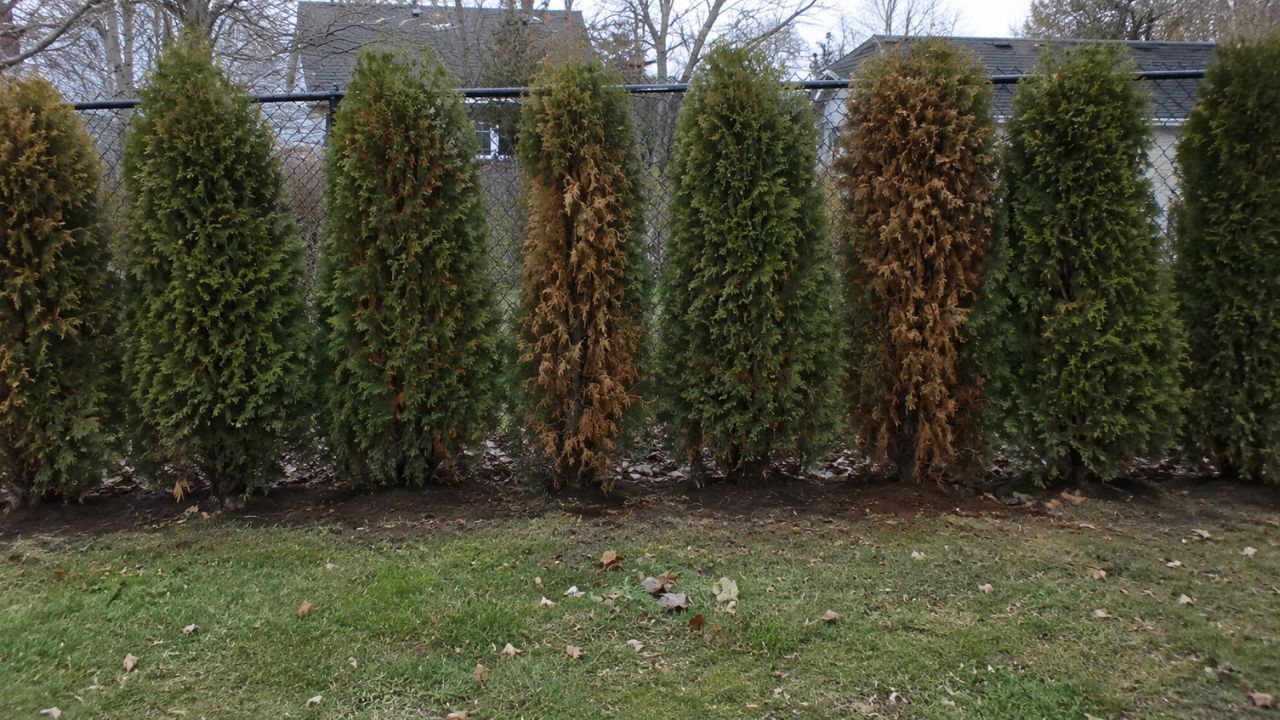
Cedar hedges are everywhere in Sudbury. Drive through almost any neighbourhood — Garson, Hanmer, the South End, the West End — and you’ll spot them lining driveways, running along fence lines, separating properties. They’re a staple around here, and for good reason. A well-maintained cedar hedge looks sharp, gives you real privacy, and holds up well in our climate.
The problem is that a lot of people either trim them at the wrong time, don’t trim them often enough, or let them go so long without attention that the hedge starts working against them instead of for them.
I get asked about this pretty regularly, so let me just lay it all out clearly. When to trim, how often, and what actually happens when you leave it too long.
When Is the Right Time to Trim a Cedar Hedge in Sudbury?
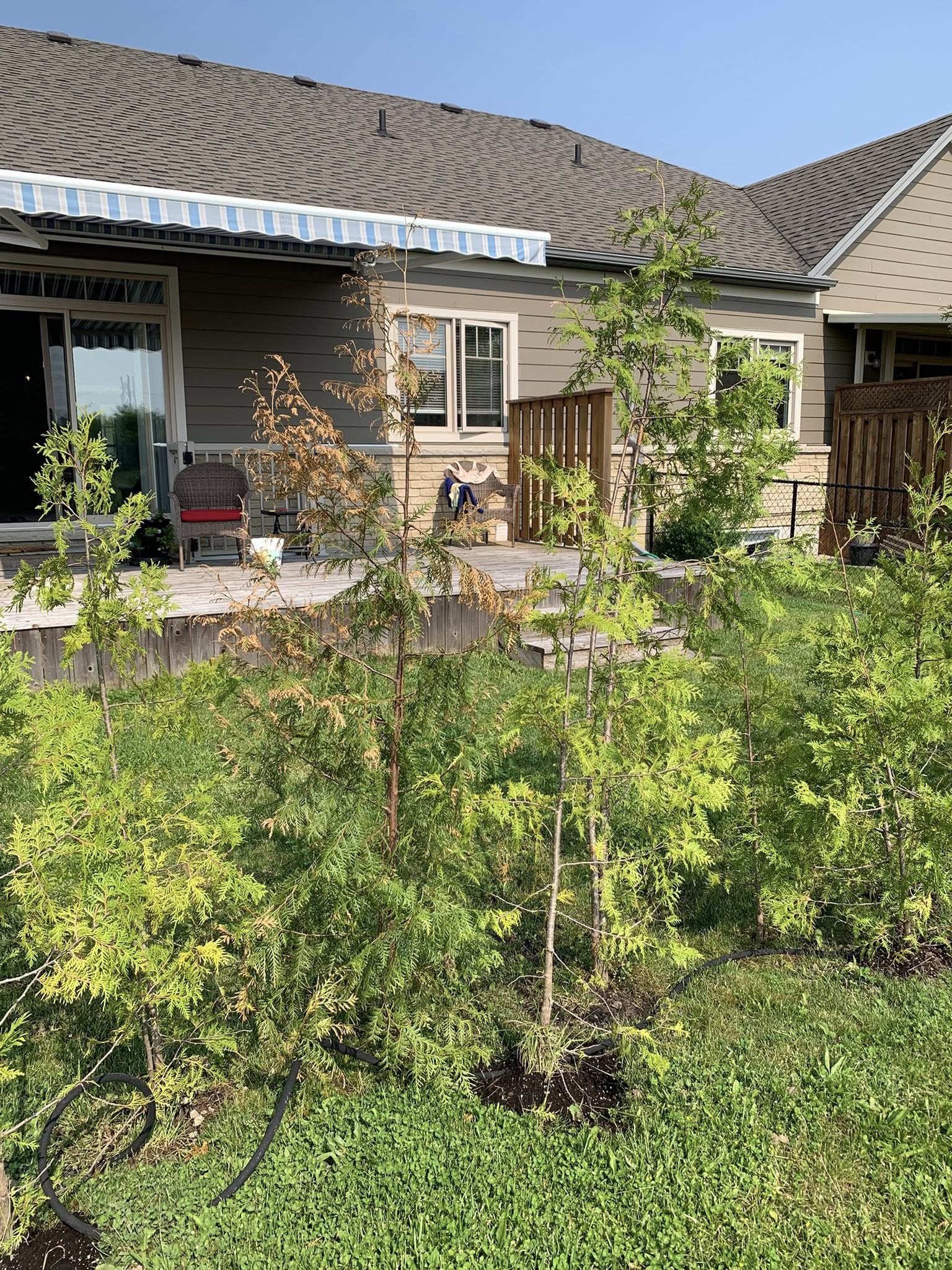
Timing matters more than most people realize with cedars. The window I recommend for Sudbury properties is late June through mid-August — after the new growth has pushed out and hardened off a bit, but early enough in the season that the hedge has time to recover before the cold comes back.
Here’s why that window exists. Cedars put on their main flush of new growth in late spring and early June. If you trim too early — while that growth is still actively pushing — you’re cutting into tender new foliage that browns easily and doesn’t recover cleanly. Wait until late June when that new growth has settled, and you get a much cleaner cut with better results.
On the other end, trimming too late in the season — September and into October — is a problem because you’re cutting into growth right before dormancy. That fresh cut doesn’t have time to harden before the frost hits, and you end up with winter dieback on the tips. The hedge goes into winter looking rough and comes out of it looking worse.
In Sudbury specifically, I’d say July is the sweet spot for most properties. The growth has settled, there’s enough of the season left for recovery, and you’re not cutting close to our first frost window.
One more thing: never trim cedars during a heat wave or a drought stretch. Cedars under heat stress don’t handle trimming well — you’ll get more browning than you’d expect. Pick a mild, overcast day if you can.
How Often Do Cedar Hedges Need to Be Trimmed?
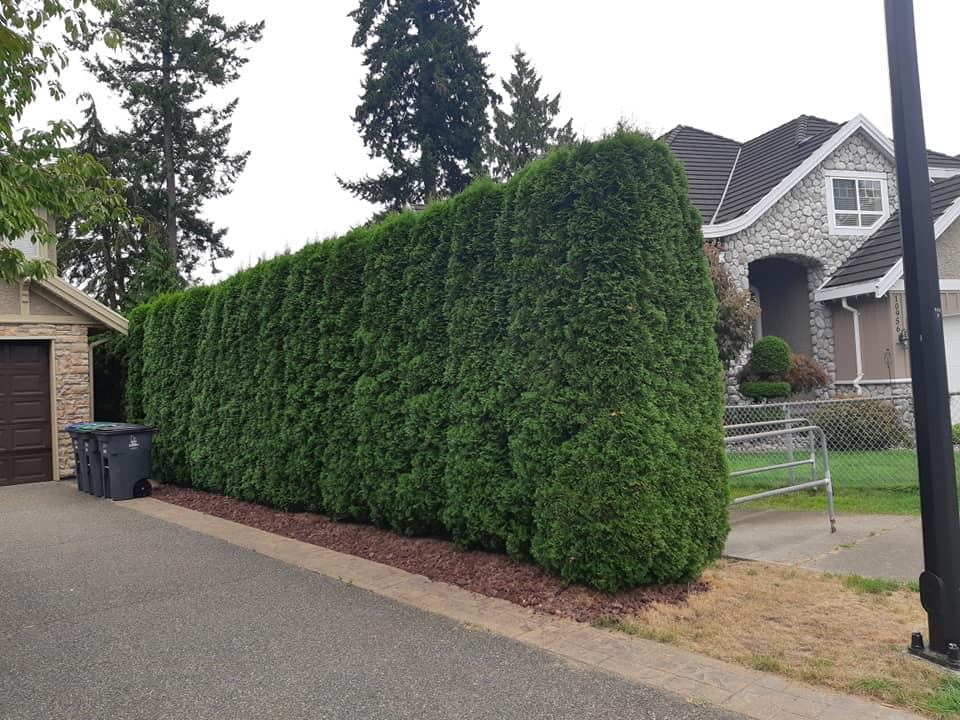
For most residential cedar hedges in Sudbury, once a year is the minimum — and for a lot of properties, once a year is enough to keep things looking good if you’re consistent about it.
That said, if your hedge is younger and you’re still shaping it, or if it’s a variety that grows faster, twice a year works better — once in late June and again in late July or early August. This keeps the shape tighter and prevents the hedge from getting away from you between seasons.
The mistake people make is going two or three years between trims and then expecting the hedge to come back looking the way it used to with one aggressive cut. It doesn’t work that way, and I’ll get into why in the next section.
A good rule of thumb: trim your cedar hedge every year at roughly the same time. Consistency matters more than anything else with cedars. A hedge that gets trimmed every July for five years will look dramatically better than one that gets trimmed heavily every three years.
What Happens If You Wait Too Long
This is the part I really want people to understand, because it’s where a lot of cedar hedge problems come from — and once you’re in this situation, the options get limited fast.
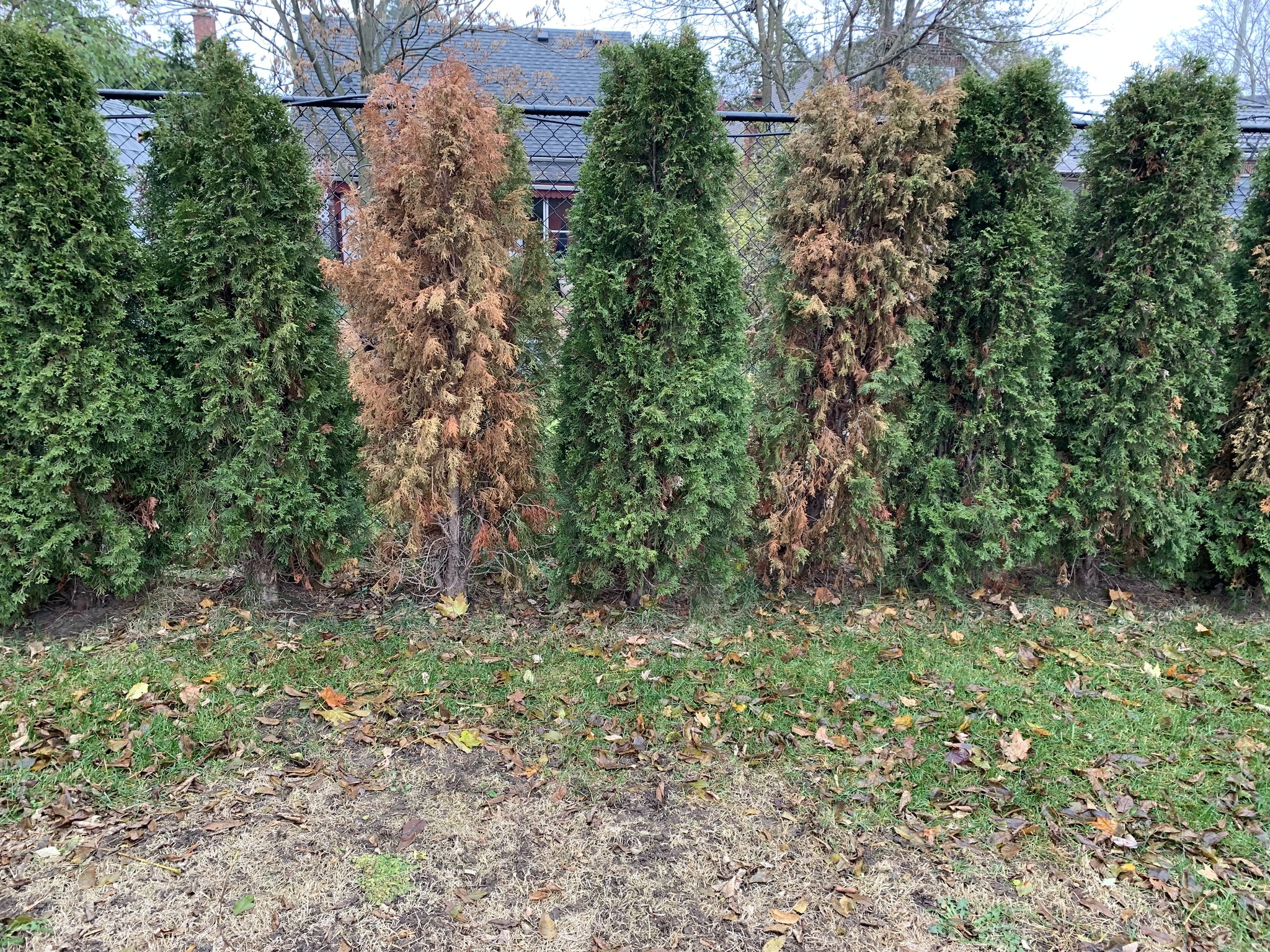
Cedar hedges have a green zone and a brown zone. The green zone is the outer layer of foliage that gets sunlight and stays alive. The brown zone is the interior — the older wood deeper inside the hedge that has no live foliage on it.
Here’s the critical thing about cedars: they will not regenerate from brown wood. Unlike some shrubs that can be cut back hard and come back from old wood, cedars don’t do that. If you cut into the brown interior, that section stays brown. It doesn’t push new growth back. It’s gone.
When a cedar hedge goes too many years without trimming, it gets big. The green zone pushes further and further out, and the brown dead zone in the middle gets larger. The hedge takes up more space, it gets heavier, and the interior starts to open up — which makes it look sparse and ratty instead of dense and full.
At that point, the options are not great. You can trim back to the edge of the green zone — but if the hedge has gotten very large, that still leaves you with a big, spread-out hedge. Or you remove it entirely and start fresh. Neither is a fun conversation to have.
The other thing that happens when hedges get overgrown is structural. Heavy, unpruned cedar hedges are more vulnerable to snow load damage in Sudbury winters. The branches splay outward under the weight of wet snow, the hedge opens up in the middle, and it never really closes back up. A properly trimmed, tighter hedge handles snow load much better.
A Few Things I See People Get Wrong
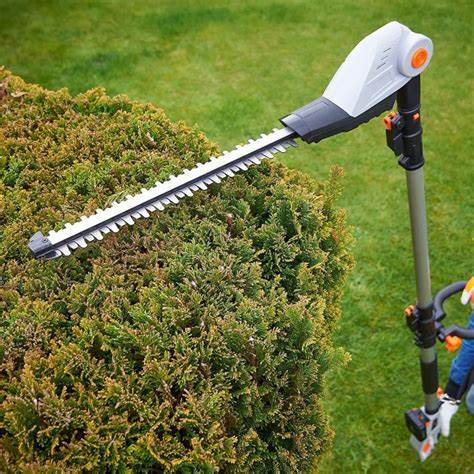
Beyond timing and frequency, there are a few specific mistakes I see on Sudbury properties that are worth calling out:
Cutting the top flat when it should be tapered. A cedar hedge that’s wider at the top than at the bottom will shade out its own lower branches over time. Those lower branches thin out, turn brown, and you end up with a hedge that’s full at the top and bare at the bottom. The correct shape is slightly narrower at the top than at the base — this lets light reach the lower branches year-round. It’s a small detail that makes a big difference over time.
Taking off too much at once. I know it’s tempting to go aggressive when the hedge has gotten big — to cut it back significantly and reclaim some space. But removing more than about a third of the green growth at one time stresses the hedge and leads to more browning than a lighter trim would. If the hedge has gotten large, bring it back gradually over two or three seasons rather than all at once.
Not cleaning up properly afterward. The clippings that fall into and around the base of the hedge trap moisture and can cause issues if they sit there. Part of a proper property cleanup after hedge trimming is clearing those clippings out from the base — it keeps the hedge healthier and the yard looking clean.
Using dull blades. This one sounds minor but it isn’t. Dull hedge trimmer blades tear the foliage rather than cutting it cleanly. Torn foliage browns more at the tips and makes the hedge look worse in the weeks after trimming. Sharp blades make a visible difference in the finish.
Should You Do It Yourself or Have Someone Come In?
Honestly, it depends on the hedge and the situation. A small, accessible hedge that you’ve been maintaining consistently? You can absolutely handle that yourself with a decent hedge trimmer and some care about timing.
A large hedge, a hedge that’s gotten overgrown, one that’s along a fence line where shaping matters visually, or one that requires ladder work to reach the top — that’s where having someone come in makes more sense. Getting the shape right on a cedar hedge that runs along a property line or a driveway takes a decent eye and some experience. A cut that’s uneven or too aggressive is going to be visible every day for the next year.
If you’re in Greater Sudbury and want someone to take a look at your hedge and give you an honest read on what it needs — whether that’s a straightforward annual trim or a more involved situation — reach out. I’ll tell you what I see and what I’d do, no pressure.
— Ryan Lingenfelter
Cutting Edge Lawn & Landscaping, Garson, Ontario
📞 705-507-6787
Looking after your full property this season? We handle hedge trimming, property cleanup, grass cutting, and full lawn maintenance across all of Greater Sudbury. Free quotes, no pressure.
Get a Free Quote |
Call 705-507-6787
